Rehabs for Natural Disaster Survivors

Showing 14 of 14 Results (filtered)
Featured Rehab Centers
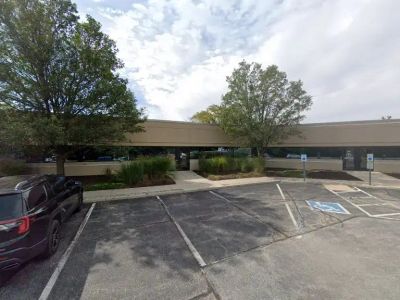

Addiction Rehab Centers - ARC At Bayside | Indianapolis Drug & Alcohol Rehab
Indianapolis, Indiana
5929 Lakeside Blvd, Indianapolis, IN 46278

Hamilton Center Inc: Mathew Maleakal S MD
Terre Haute, Indiana
620 8th Ave, Terre Haute, IN 47804

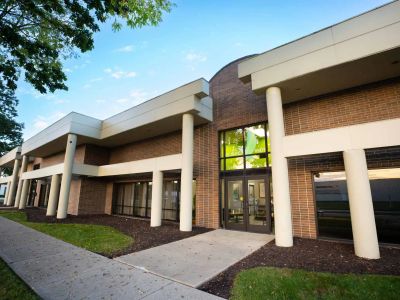
Evolve Indy
Indianapolis, Indiana
8770 Guion Rd, Indianapolis, IN, 46268
Get Personalized Rehab Matches in 60 Seconds
Tell us a few details and we’ll show a personalized shortlist of verified Indiana rehabs, making it simple to compare options and choose your next step with confidence.

Boca Recovery Center - Indiana Drug and Alcohol Rehab
Huntington, Indiana
3040 W Park Dr, Huntington, IN 46750

First City Recovery Center
Kokomo, Indiana
317 W Jefferson St, Kokomo, IN, 46901


Parkdale Center
Chesterton, Indiana
350 Indian Boundary Rd., Chesterton, IN, 46304
Centerstone Recovery Center
Richmond, Indiana
1811 S 9th St, Richmond, IN 47374
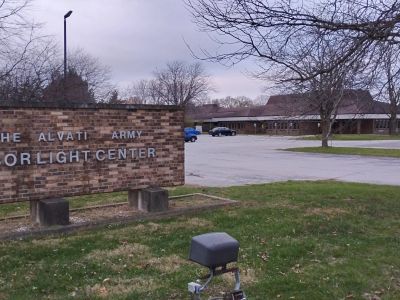
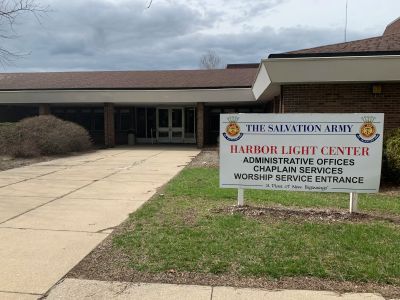

Salvation Army Harbor Light Center
Indianapolis, Indiana
2400 N Tibbs Ave, Indianapolis, IN 46222
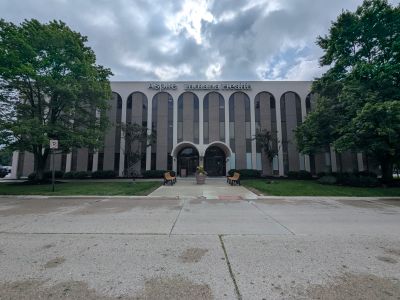
Aspire Indiana Health - Indianapolis Health Center & Deaf Services
Indianapolis, Indiana
2506 Willowbrook Parkway Suite 300, Indianapolis, IN 46205

Parkview Health - Carew Street
Fort Wayne, Indiana
1909 Carew Street, Fort Wayne, IN, 46805
Ascension Medical Group St Vincent - Pendleton Primary Care
Pendleton, Indiana
3041 W US Highway 36 Pendleton, IN 46064
Parkview Health - Pointe Inverness Way
Fort Wayne, Indiana
6920 Pointe Inverness Way, Suite 120, Fort Wayne, IN 46804
Pinnacle Treatment Centers - 2209 John R Wooden Drive
Martinsville, Indiana
2209 John R Wooden Drive, 3rd Floor Martinsville, IN 46151
Pinnacle Treatment Centers - 581 E. Main Street
Hagerstown, Indiana
581 E. Main Street Hagerstown, IN 47346
Why Trust Indiana Rehabs
As Hoosiers helping Hoosiers, we understand the unique challenges our communities face. Our team meticulously verifies every Indiana treatment center, ensuring you find trusted, local care that truly understands your journey.
About our listingsLevels of Care
Explore popular treatment options by levels of care, from flexible treatment in Outpatient centers to intensive care in Residential rehabs.
Free · 24/7 · Confidential
Talk to a Treatment Specialist
Call now to get matched with Indiana facilities that accept your insurance.
(888) 568-9930
Free
Ins. check
4.9★
Rating
HIPAA
Protected
Can't travel to a facility?
Licensed Indiana therapists via secure video — same-week appointments, evenings & weekends available.
When a tornado tears through your town or floodwaters rise around your home, it’s easy to feel lost in the chaos, wondering what your very first step should be when everything familiar suddenly feels fragile. That wave of overwhelm is real, but you don’t have to navigate it alone. There’s a way forward, one built on small, steady steps that lead from immediate safety to practical help and, in time, the healing needed to rebuild both heart and home.
Getting Started
After a natural disaster, your first priority is always safety. Once you and your family are in a secure place, the path to recovery can begin. An important early step is to check if a federal disaster declaration has been made for your area. This declaration unlocks federal assistance programs, including those from FEMA, and is a critical part of getting the support you need. You can check for declarations on the official FEMA website or local news outlets.
Before you apply for assistance, gathering your documents will make the process much smoother. Having this information ready helps agencies understand your situation and process your application faster. Here’s a list of what you’ll likely need:
- Proof of identity (driver's license, passport)
- Social Security numbers for all household members
- Proof of residence (utility bill, lease, or mortgage statement)
- Insurance documents (homeowners, renters, flood, or auto)
- Photos or videos of the damage to your property and belongings
- A list of damaged or lost items
- Proof of income (pay stubs, tax returns)
Having these items organized can feel like a small victory and is a crucial step in your disaster recovery journey. For more detailed guides, you can explore various resources for Indiana residents to help you prepare.
Understanding Types of Assistance
Navigating the different types of assistance can feel overwhelming, but help is available from federal, state, and community organizations. Federal assistance often comes from FEMA's Individuals and Households Program (IHP), which provides financial assistance and direct services to eligible survivors. This can cover temporary housing, home repairs, and other disaster-related needs not covered by insurance. The IRS may also offer tax relief for victims in federally declared disaster areas, allowing you to deduct losses on your federal income tax return. At the community level, organizations like the American Red Cross and the Salvation Army are often first on the scene, providing shelter, food, water, and emotional support. They offer immediate relief for victims and can be a lifeline in the first few days after a disaster.
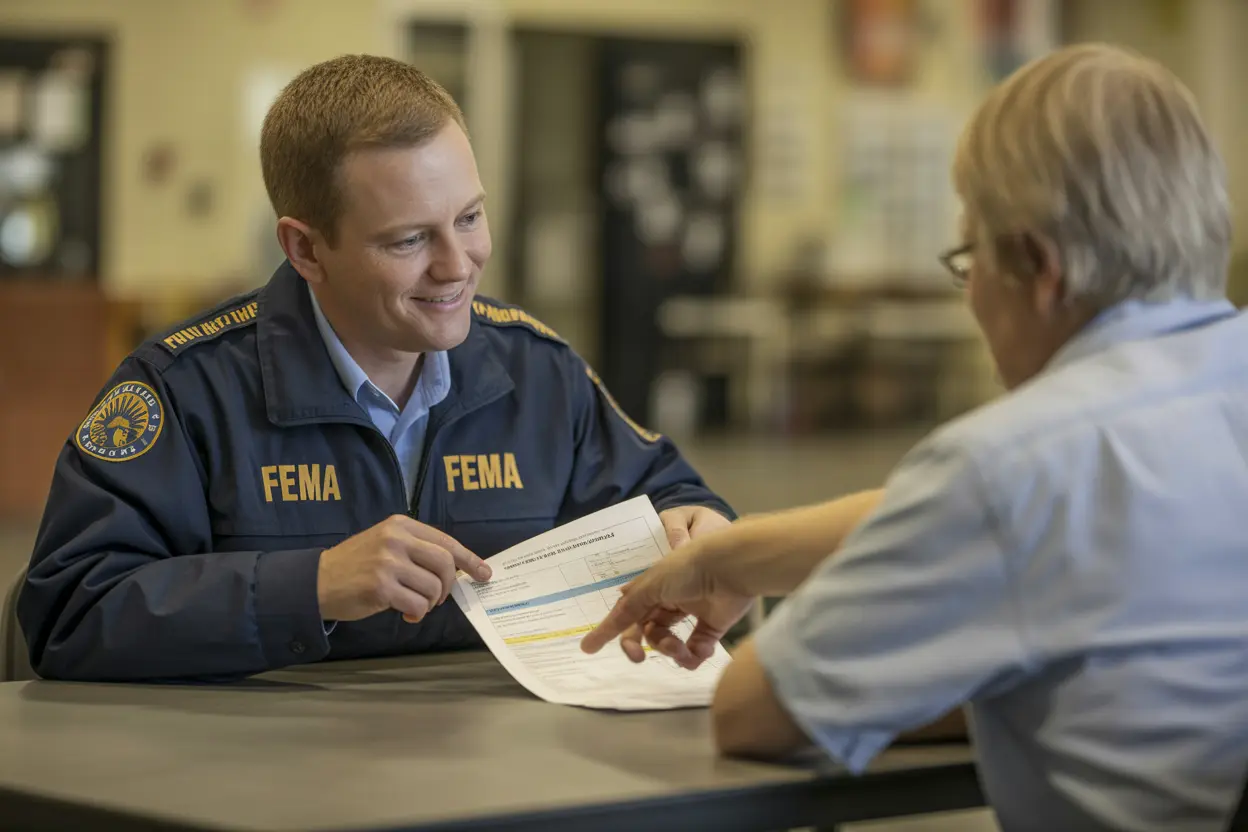
Each organization has its own application process and eligibility requirements, so it's important to contact them directly or visit their websites to get started. Understanding these programs can help you access the financial assistance and services you need to move forward.
SMALL BUSINESS ADMINISTRATION
The U.S. Small Business Administration (SBA) is another key source of federal disaster assistance, offering low-interest disaster loans to homeowners, renters, and businesses of all sizes. Don't let the name fool you, these loans are a primary form of federal aid for individuals, not just businesses. These loans can be used to repair or replace your primary residence, personal property, and other assets. For businesses, SBA loans can help with physical damage and provide working capital to help them through the recovery period. Applying for an SBA loan is a crucial step, as you may be referred to other grant programs if you don't qualify.
Disaster Legal Services
After a disaster, you might face legal issues you've never dealt with before. Disaster Legal Services (DLS) provides free legal assistance to low-income survivors. This service is a partnership between the American Bar Association and FEMA. Volunteer lawyers can help you with a range of problems that often come up after a disaster strikes. This support is invaluable for survivors who need guidance on their rights and options. Some of the common issues they can help with include:
- Insurance claims for medical bills, property loss, or loss of life
- Appealing FEMA or other assistance denials
- Handling disputes with landlords or contractors
- Replacing lost legal documents like wills or deeds
- Consumer protection issues like price gouging
If you need help with these kinds of issues, seeking legal assistance for survivors can provide clarity and support during a confusing time.
Crisis Counseling and Mental Health Services
The emotional toll of a natural disaster can be just as damaging as the physical destruction. It's completely normal to experience stress, anxiety, or grief after such a traumatic event. For some, these feelings can lead to longer-term mental health challenges or even substance use as a way to cope. Recognizing that you need support is a sign of strength, and help is available across Indiana.

If you're struggling, you don't have to go through it alone. There are crisis counseling services and mental health providers who specialize in helping people navigate trauma. The Substance Abuse and Mental Health Services Administration (SAMHSA) offers a Disaster Distress Helpline at 1-800-985-5990, which provides 24/7 crisis counseling. You can also call or text 988 anytime to reach the Suicide & Crisis Lifeline. For local resources in Indiana, calling 211 can connect you with a wide range of services. Finding the right support is a vital part of your recovery, and specialized care, such as trauma-informed therapy, can make all the difference.
Road to Recovery
The road to recovery is a journey, not a destination. It takes time, patience, and support. Remember that help is available every step of the way, from immediate needs like shelter and food to long-term financial assistance and emotional counseling. As you rebuild, lean on the resources around you, whether it's FEMA, community organizations, or mental health providers. Each small step forward is a victory. The strength of Indiana communities shines brightest in times like these, and you are not alone in your long-term recovery efforts. Taking that first step to ask for help is the most important part of the process.
Rebuilding your life after a natural disaster is a process, and you don’t have to figure it all out at once. Remember that financial, legal, and emotional support is available to help you move forward. If you’re feeling overwhelmed and need someone to talk to, our compassionate team is here to help you find the right path. Call us today at (888) 568-9930 to connect with local resources. At Indiana Rehabs, we are committed to helping you find the support you need. You can also contact us online to learn more about your options for recovery.