Rehabs Serving Healthcare Professionals

Showing 16 of 16 Results (filtered)
Featured Rehab Centers


Addiction Rehab Centers - ARC at Fox Hill | Drug & Alcohol Rehab - Mooresville Indiana
Mooresville, Indiana
12168 N Mann Rd, Mooresville, IN 46158

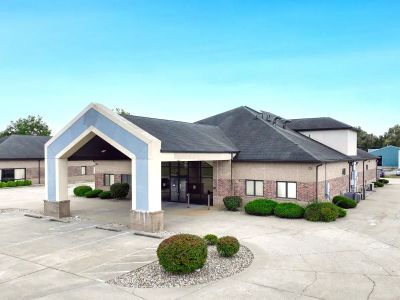
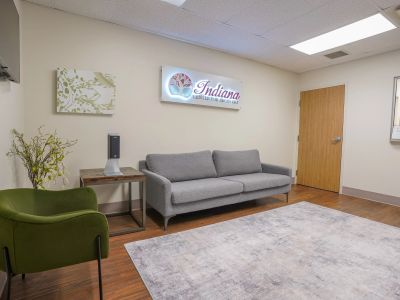
Indiana Center For Recovery- Alcohol & Drug Rehab Terre Haute
Terre Haute, Indiana
135 E Hospital Ln, Terre Haute, IN 47802

Indiana Professionals Recovery Program
Valparaiso, Indiana
13 Lincolnway suite 205, Valparaiso, IN 46383
Get Personalized Rehab Matches in 60 Seconds
Tell us a few details and we’ll show a personalized shortlist of verified Indiana rehabs, making it simple to compare options and choose your next step with confidence.
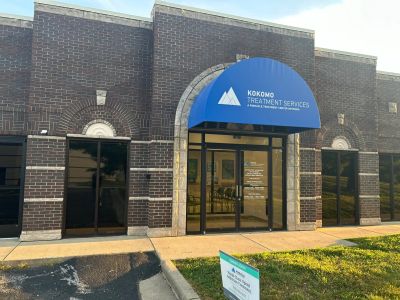
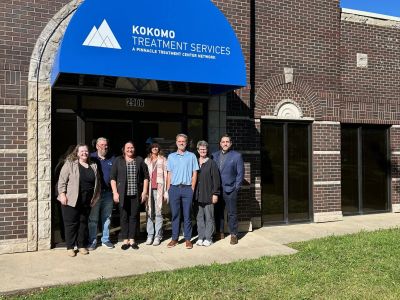
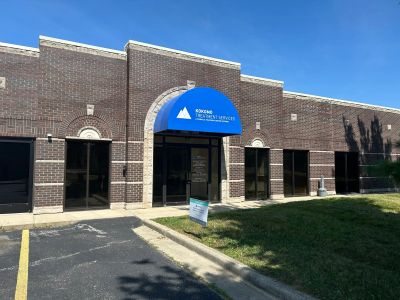
Pinnacle Treatment Centers - Kokomo
Kokomo, Indiana
2906 S. Reed Rd. Kokomo, IN 46902

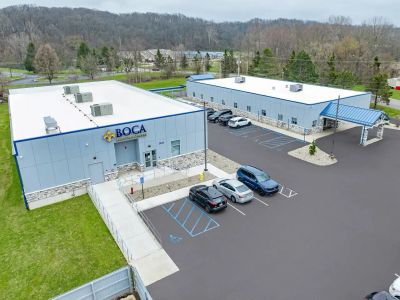
Boca Recovery Center - Indiana Drug and Alcohol Rehab
Huntington, Indiana
3040 W Park Dr, Huntington, IN 46750


Indiana Center for Recovery- Alcohol & Drug Rehab Center Merrillville
Merrillville, Indiana
1578 E 85th Ave, Merrillville, IN 46410


215 W 4th St, Mishawaka, IN 46544



Recovery Centers of America at Indianapolis
Indianapolis, Indiana
8530 Township Line Rd, Indianapolis, IN 46260


Pinnacle Treatment Centers - Cambridge City
Cambridge City, Indiana
2060 State Road 1 North, Cambridge City, IN, 47327

Family Service Society - Marion
Marion, Indiana
101 South Washington Street, Marion, IN 46952
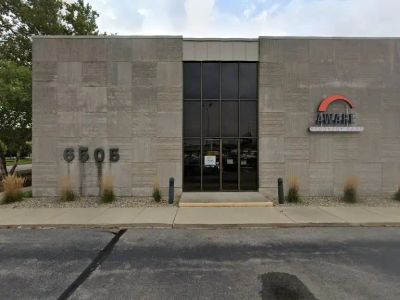
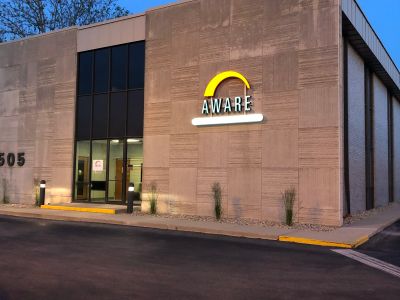
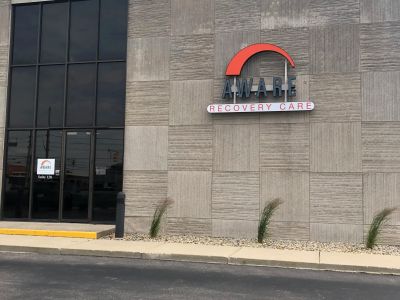
Aware Recovery Care
Indianapolis, Indiana
6505 E 82nd St, Indianapolis, IN 46250

Northeastern Center - LaGrange County Outpatient
Lagrange, Indiana
2155 N State Rd 9, Lagrange, IN 46761
Oxford House - Moxie
Columbus, Indiana
3715 Sioux Trail, Columbus, IN 47203
Oxford House - Northaven
Jeffersonville, Indiana
1710 Northaven Ct, Jeffersonville, IN 47130
Pinnacle Treatment Centers - 581 E. Main Street
Hagerstown, Indiana
581 E. Main Street Hagerstown, IN 47346
Pinnacle Treatment Centers - 8955 Broadway
Merrillville, Indiana
8955 Broadway Merrillville, IN 46410
Why Trust Indiana Rehabs
As Hoosiers helping Hoosiers, we understand the unique challenges our communities face. Our team meticulously verifies every Indiana treatment center, ensuring you find trusted, local care that truly understands your journey.
About our listingsLevels of Care
Explore popular treatment options by levels of care, from flexible treatment in Outpatient centers to intensive care in Residential rehabs.
Free · 24/7 · Confidential
Talk to a Treatment Specialist
Call now to get matched with Indiana facilities that accept your insurance.
(888) 568-9930
Free
Ins. check
4.9★
Rating
HIPAA
Protected
Can't travel to a facility?
Licensed Indiana therapists via secure video — same-week appointments, evenings & weekends available.
As a healthcare professional, your days revolve around helping others heal, offering comfort and expertise when it matters most. But when the stress, the fatigue, and the emotional weight quietly pile up, it’s easy to wonder, who’s there for you when you need help? If that question feels painfully familiar, know you’re not alone, and reaching out is a sign of strength, not failure. In Indiana, there are confidential programs designed just for people like you, making it possible to find support, healing, and hope without sacrificing the career you’ve dedicated your life to.
Statistics on Substance Abuse in Healthcare
It’s a tough reality to face, but the idea that medical knowledge protects you from addiction is a myth. The truth is, being a healthcare professional doesn’t make you immune; it can actually put you at a higher risk. The very qualities that make you a great physician, nurse, or clinician, empathy, dedication, and the ability to push through exhaustion, can also pave the way for burnout and unhealthy coping mechanisms. The numbers paint a clear picture of a community under immense pressure.
Studies show that substance use disorders (SUDs) affect healthcare professionals at rates similar to the general population, with some estimates around 10%[1]. Recent data reveals that about 7% of full-time healthcare workers met the criteria for a substance use disorder in the past year. Furthermore, 5% of healthcare workers reported using illicit drugs in the prior month, and 4% admitted to heavy alcohol consumption during the same period. These aren't just statistics; they represent colleagues, friends, and dedicated professionals struggling in silence. The immense stress, long hours, and emotional toll of patient care create a perfect storm where turning to alcohol or drugs can feel like the only way to decompress. Recognizing this isn't about placing blame, it's about understanding the occupational hazards that come with a life dedicated to caring for others.
Signs of Substance Abuse in Healthcare Professionals
In a field that demands perfection, admitting you need help can feel impossible. Healthcare professionals are masters of maintaining composure, which means the signs of a substance use disorder can be incredibly subtle. You might dismiss your own struggles as simple burnout or stress, or you might worry about a colleague but hesitate to jump to conclusions. It’s important to remember that these signs are calls for support, not reasons for judgment. Recognizing them in yourself or a coworker is the first step toward healing.

Here are some common indicators, broken down into different areas of life:
- Professional and Workplace Signs: These often appear as changes in job performance. You might notice an increase in medication errors, sloppy or incomplete charting, or a tendency to volunteer for extra shifts, especially those with easier access to medications. Other signs include frequent absences, tardiness, or long, unexplained breaks during shifts.
- Behavioral Signs: Substance use can dramatically alter a person's mood and behavior. Look for sudden mood swings, irritability, or defensiveness, especially when asked about work or personal life. Someone might withdraw from colleagues and social events they once enjoyed. They may also display a classic symptom of depression by losing interest in their work and patients.
- Physical Signs: The physical toll of addiction can be difficult to hide. You might notice hand tremors, which can be explained away as fatigue or caffeine. Other signs include significant weight loss or gain, a decline in personal hygiene, constricted or dilated pupils, and frequent illnesses that seem to linger.
Seeing one of these signs doesn’t automatically mean someone has a substance use disorder. However, if you notice a pattern of these behaviors in yourself or a colleague, it’s a clear signal that it’s time to seek confidential, compassionate support.
Causes & Risk Factors
No one chooses to develop an addiction. For healthcare professionals, the path often begins with the immense pressure and unique stressors of the job. The very environment designed for healing can sometimes become a source of personal struggle. Understanding these risk factors is key to recognizing why so many dedicated physicians, nurses, and other care providers are vulnerable.
One of the biggest contributors is chronic stress and burnout. The relentless demands, long hours, and life-or-death decisions create a level of stress that is hard to leave at the hospital door. Over time, this can lead to emotional exhaustion and a sense of detachment, making it tempting to use substances to numb out or feel something again. Constant exposure to trauma and patient suffering also takes a significant toll. This "compassion fatigue" can lead to anxiety, depression, and other mental health challenges that co-occur with substance use.
Beyond the emotional strain, there are practical risk factors. Many healthcare professionals work grueling schedules that disrupt sleep patterns, leading to fatigue that can impair judgment and increase reliance on stimulants to stay awake or sedatives to wind down. Perhaps the most obvious risk is the easy access to controlled substances. This proximity can make prescription drugs a convenient, but dangerous, coping mechanism.
Finally, there's the culture of medicine itself. Healthcare is a field where strength and self-reliance are praised, and vulnerability is often seen as a weakness. This can make it incredibly difficult for physicians and nurses to admit they’re struggling and ask for help, fearing judgment from colleagues or repercussions for their career. Together, these factors create a high-risk environment where seeking care for oneself becomes the hardest diagnosis to make.
Treatment Programs for Healthcare Professionals
When you've built a career on being the one with the answers, it can be daunting to seek help for yourself. But just as you would refer a patient to a specialist for a specific condition, it’s crucial to find a rehabilitation program designed for the unique challenges you face. A standard treatment program may not grasp the intense pressures, licensing concerns, and ethical dilemmas that are part of your world. That's where healthcare professional rehab programs come in.

These specialized programs are built on a foundation of understanding and peer support. The clinicians and therapists often have experience working with medical professionals, so they get it. They understand the stress of long shifts, the weight of patient outcomes, and the fear of what seeking help might mean for your career. More importantly, you'll be in group sessions with other healthcare professionals, people who have walked in your shoes and can offer a level of empathy and insight that is simply unmatched. This shared experience creates a safe, non-judgmental space where you can finally let your guard down and focus on your own healing.
Confidentiality and Licensing Concerns
The number one fear for most healthcare professionals considering treatment is, "Will I lose my license?" It's a valid concern, but one that specialized programs are specifically designed to address. Your privacy is protected by strict HIPAA laws, just like any patient. Seeking treatment is a confidential health matter.
Furthermore, many states, including Indiana, have Physician Health Programs (PHPs) or similar monitoring bodies. It’s a common misconception that these programs are punitive. In reality, they are advocacy organizations designed to support you. They work with you and the treatment facility to create a structured, confidential plan for recovery that allows you to return to practice safely. Their goal is not to end your career, but to help you preserve it. They can guide you through the process, ensuring you meet all licensing board requirements while prioritizing your well-being.
Key Features of a Specialized Program
When looking for a healthcare professional rehab program, you should expect more than just standard addiction treatment. These programs offer targeted support to address the specific issues you face. Here are some key features to look for:
- Peer Support Groups: Connecting with other physicians, nurses, and medical staff who understand your daily reality is one of the most powerful tools for recovery.
- individual therapy for Work-Related Stress: Your therapy sessions should focus on developing healthy coping mechanisms for burnout, compassion fatigue, and the unique stressors of your job.
- Family Counseling: Addiction affects the entire family. Involving loved ones helps rebuild trust and creates a strong support system for your return home.
- Aftercare and relapse prevention: Recovery doesn't end when you leave the facility. A strong aftercare plan provides ongoing support, often including participation in monitoring programs to ensure a smooth transition back to work.
- Assistance with Return-to-Work Plans: The program should help you navigate the process of returning to your career, including any requirements from your licensing board or employer.
Levels of Care Available
Your journey to recovery is unique, and the right level of care depends on your specific needs. Specialized programs for healthcare professionals offer a full continuum of care to meet you where you are. Options typically include:
- Medical Detox: This is often the first step, providing a safe and medically supervised environment to manage withdrawal symptoms from alcohol or drugs.
- Inpatient/Residential Treatment: This offers 24/7 care and removes you from the triggers and stressors of your daily environment, allowing you to focus completely on recovery.
- Partial Hospitalization Program (PHP): A step down from inpatient care, PHP provides intensive treatment during the day while allowing you to return home or to a sober living environment at night.
- Intensive Outpatient Program (IOP): IOP offers more flexibility, with structured therapy sessions held several times a week. This is often a good option for those with strong support systems at home or as a transition from a higher level of care.
Taking the First Step Towards Recovery
It takes incredible courage to put your own well-being first, especially when you've dedicated your life to the well-being of others. Remember, seeking help is not a sign of weakness, it's the most responsible and proactive step you can take for your health, your family, and your career. The journey to recovery is not just possible; it's highly successful for healthcare professionals who engage in specialized treatment. In fact, monitoring programs for medical professionals show impressive results, with about 72% remaining abstinent and 77% successfully retaining their jobs after treatment[1].
You don't have to navigate this alone. Confidential, effective, and compassionate care is available right here in Indiana, designed by people who understand your world. Taking that first, small step can feel like the hardest part, but it opens the door to a future where you can continue your vital work with renewed health and hope. You can start by making a confidential call to explore your options or by discreetly verifying your insurance coverage online. It's a low-pressure way to begin reclaiming your life.
You’ve spent your career helping others find their way back to health. Now, it’s your turn. The same strength and dedication that make you an exceptional healthcare professional are the qualities that will guide you through recovery. Specialized, confidential treatment programs are here to support you, providing a safe path to healing without jeopardizing the career you’ve worked so hard to build. If you’re ready to take the next step, our team at Indiana Rehabs is here to help. You can speak with someone who understands by calling (888) 568-9930 or find more information on our contact page. Reaching out is the first step toward a brighter, healthier future.
Frequently Asked Questions About Rehab for Healthcare Professionals in Indiana
How long is rehab for healthcare professionals?
How do I pay for rehab for healthcare professionals?
What happens after I complete a rehab program?
What types of therapy are used in professional treatment programs?
Can my family be involved in my treatment?
- Bakker, M. et al. (2021). Success Rates of Monitoring for Healthcare Professionals with a Substance Use Disorder: A Meta-analysis. Journal of Addiction Medicine. pmc.ncbi.nlm.nih.gov