Rehabs Serving Neurodivergent

Showing 9 of 9 Results (filtered)
Featured Rehab Centers

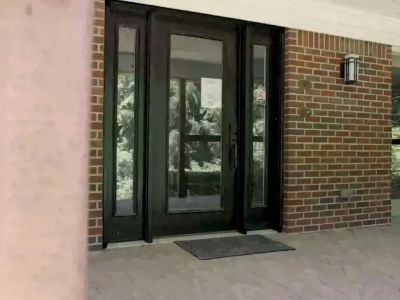
Addiction Rehab Centers - ARC at Fox Hill | Drug & Alcohol Rehab - Mooresville Indiana
Mooresville, Indiana
12168 N Mann Rd, Mooresville, IN 46158
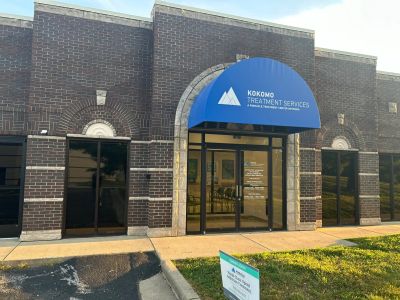
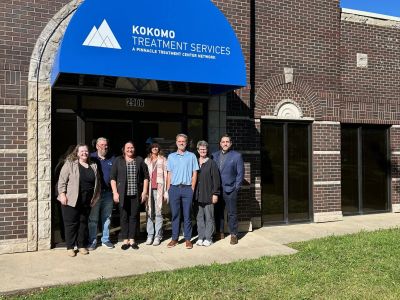
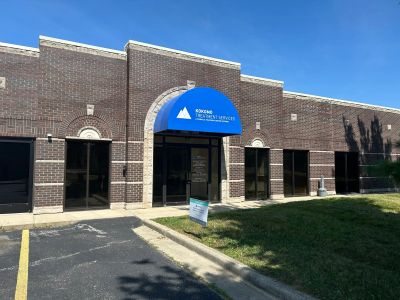
Pinnacle Treatment Centers - Kokomo
Kokomo, Indiana
2906 S. Reed Rd. Kokomo, IN 46902
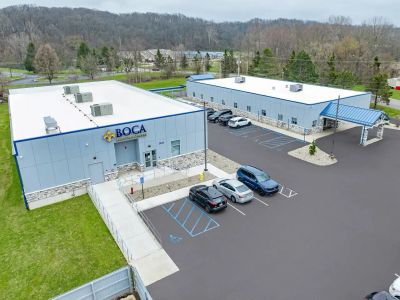

Boca Recovery Center - Indiana Drug and Alcohol Rehab
Huntington, Indiana
3040 W Park Dr, Huntington, IN 46750
Get Personalized Rehab Matches in 60 Seconds
Tell us a few details and we’ll show a personalized shortlist of verified Indiana rehabs, making it simple to compare options and choose your next step with confidence.
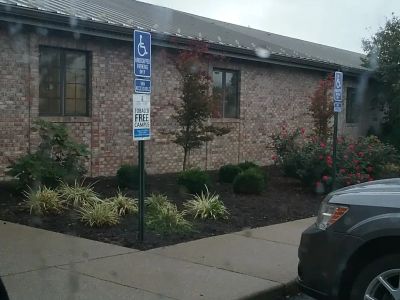
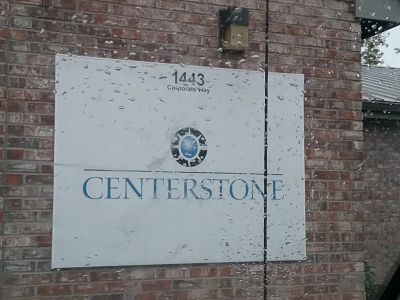
Centerstone - Seymour
Seymour, Indiana
1443 Corporate Way, Seymour, IN, 47274

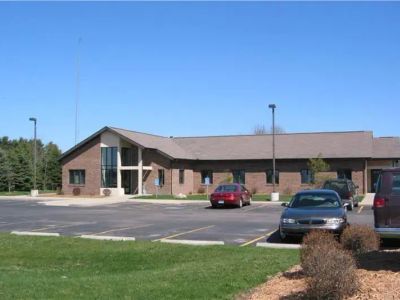
Northeastern Center - LaGrange County Outpatient
Lagrange, Indiana
2155 N State Rd 9, Lagrange, IN 46761
Oxford House - Moxie
Columbus, Indiana
3715 Sioux Trail, Columbus, IN 47203
Oxford House - Northaven
Jeffersonville, Indiana
1710 Northaven Ct, Jeffersonville, IN 47130
Pinnacle Treatment Centers - 581 E. Main Street
Hagerstown, Indiana
581 E. Main Street Hagerstown, IN 47346
Pinnacle Treatment Centers - 8955 Broadway
Merrillville, Indiana
8955 Broadway Merrillville, IN 46410
Why Trust Indiana Rehabs
As Hoosiers helping Hoosiers, we understand the unique challenges our communities face. Our team meticulously verifies every Indiana treatment center, ensuring you find trusted, local care that truly understands your journey.
About our listingsLevels of Care
Explore popular treatment options by levels of care, from flexible treatment in Outpatient centers to intensive care in Residential rehabs.
Free · 24/7 · Confidential
Talk to a Treatment Specialist
Call now to get matched with Indiana facilities that accept your insurance.
(888) 568-9930
Free
Ins. check
4.9★
Rating
HIPAA
Protected
Can't travel to a facility?
Licensed Indiana therapists via secure video — same-week appointments, evenings & weekends available.
Experts estimate that 15 to 20 percent of people are neurodivergent, yet most rehab programs are still built with a single mold in mind. If you or someone you care about doesn’t quite fit that mold, it’s easy to feel overlooked, misunderstood, or even excluded when reaching out for help here in Indiana. The truth is, neurodivergent needs deserve care and affirmation, not just acceptance, especially when it comes to addiction recovery. Finding a place that truly understands your unique wiring isn’t just possible, it’s a crucial step toward building a recovery journey that actually lasts.

What Does Neurodivergent Mean in Addiction Recovery?
When we talk about “neurodivergent,” we’re simply talking about the natural variations in how human brains work. Think of it like this: there’s no single “right” way for a brain to operate, just as there's no single “right” way to be human. The term neurodivergent is an umbrella that covers a wide range of neurological differences, including attention-deficit/hyperactivity disorder (ADHD), autism spectrum disorder, dyslexia, and Tourette's syndrome, among others. These aren’t flaws or deficits; they are simply different ways of thinking, learning, processing information, and experiencing the world.
So, what does this have to do with addiction recovery? Everything. Traditional treatment models were often designed for the “neurotypical” majority, which can unintentionally create barriers for someone with a different wiring. For a long time, the goal was to make people fit into a preconceived notion of "normal."
A neurodiversity-affirming approach flips that script. It’s not about trying to change who you are; it’s about providing the right support and tools that work *with* your unique brain, not against it. This paradigm shift focuses on accommodation and support, recognizing that your differences can be strengths in the recovery process[1]. This perspective is vital because when a treatment program understands and respects your neurotype, it creates a foundation of safety and trust, two things absolutely essential for healing.

Environmental and Systemic Barriers
Imagine trying to focus on your deepest emotional challenges while sitting under a flickering fluorescent light, with the constant buzz of conversation echoing around you. For many neurodivergent individuals, this isn't an exaggeration, it's the reality of a standard rehab environment. These settings can often feel like they were designed to create sensory overload, making it incredibly difficult to engage in the hard work of recovery.
The barriers go beyond just the physical space. Common challenges include:
- Sensory Barriers: Bright lights, loud and unpredictable noises, crowded group rooms, and a lack of quiet spaces can be overwhelming. When your nervous system is on high alert, it’s nearly impossible to feel safe enough to be vulnerable.
- Social and Communication Barriers: Unspoken social rules, like maintaining eye contact or understanding sarcasm, can be confusing. Many neurodivergent people interpret language literally, which can lead to misunderstandings with therapists and peers. This can create feelings of isolation and shame, even when you're surrounded by people.
- Structural Barriers: Rigid, packed schedules can be a nightmare for someone with executive function challenges. The expectation to switch tasks quickly, stay organized, and manage time without support doesn't account for the neurodivergent experience.
To cope, many neurodivergent people resort to "masking", consciously or unconsciously hiding their natural traits to fit in. This is emotionally exhausting. All the energy that should be going toward healing from addiction is instead spent on performing a version of “normalcy.” It’s a huge barrier to authentic recovery and a reason why specialized programs that offer dual diagnosis treatment are so important. They understand that addiction often co-exists with other conditions, and effective care must address both[2]. Without the right support, the cycle of misunderstanding and burnout can make lasting recovery feel out of reach.

Signs of a Neurodiversity-Affirming Treatment Center
So, how can you tell if a treatment center is truly neurodivergent friendly? It goes beyond a simple claim on their website. A genuinely affirming rehab builds its entire program around flexibility, empathy, and individualized support. As you explore your options, it's important to ask direct questions and look for specific features. Think of this as a checklist for finding a place where you or your loved one can thrive.
Here’s what to look for:
- Sensory-Safe Environment: The facility offers accommodations to reduce sensory overload.
- Highly Trained Staff: The clinical team has specific training in neurodiversity and trauma-informed care.
- Flexible and Individualized Programming: Treatment plans are adaptable and not one-size-fits-all.
- Multiple Communication Options: Staff respects different communication styles and offers alternatives to constant verbal processing.
- Focus on Strengths, Not Deficits: The program helps you leverage your unique traits as assets in recovery.
- Clear and Consistent Routines: Schedules are predictable, and visual aids are used to help with transitions and expectations.
Remember, a listing on a directory is a starting point, not a guarantee. Always call and speak with the admissions team to verify they can provide the specific support you need.
The Physical Environment: Sensory-Safe Design
A neurodiversity-affirming environment is designed to be calming, not chaotic. This means paying close attention to sensory details. Look for facilities that offer accommodations like dimmable or natural lighting instead of harsh fluorescent bulbs, and designated quiet areas or sensory rooms where you can decompress. The availability of noise-canceling headphones, weighted blankets, and fidget tools can also make a world of difference. These aren't luxury perks; they are essential tools that reduce sensory overload, allowing you to lower your defenses and fully engage in the therapeutic process.
The Staff Mindset Shift
The most important feature of any treatment center is its people. A truly supportive staff has moved beyond mere awareness to a deep understanding of neurodiversity. They’ve received training on different communication styles and don't misinterpret executive function struggles as defiance or a lack of motivation. Instead of judgment, they offer empathy and practical support. This approach is rooted in trauma-informed care, which recognizes that your past experiences shape your present needs. A person-centered mindset ensures that you are treated as a unique individual, with your experiences and perspectives guiding the treatment journey[3].
Tailored Treatment Approaches That Work
There is no one-size-fits-all path to recovery, especially for neurodivergent individuals. Effective treatment approaches are flexible and adapted to your needs. Therapies like cognitive behavioral therapy (CBT) and dialectical behavior therapy (DBT) can be incredibly effective, but they often need modification. This might mean breaking down concepts into smaller, more concrete steps, using visual aids to explain ideas, or focusing more on practical skills for emotional regulation. An affirming program will also offer alternatives to large, talk-heavy group sessions, such as smaller, activity-based groups or more one-on-one time. The goal is to provide comprehensive addiction and mental health care that honors your pace and learning style, empowering you with skills that feel intuitive and sustainable[4].
How to Evaluate Treatment Options in Indiana
Finding the right rehab program in Indiana requires a bit of detective work, but you are the best advocate for your own needs. Once you’ve compiled a list of potential treatment centers, the next step is to vet them carefully. Don’t just rely on the marketing language on their websites; dig deeper to see if their practices align with their promises.
When you call the admissions team of a facility, be ready with specific questions. How they answer can tell you a lot about their level of understanding and preparedness. Here are a few questions you can ask:
- "What specific training has your clinical staff received on supporting autistic adults or adults with ADHD?"
- "Can you describe the sensory accommodations you have available in common areas and private rooms?"
- "How do you adapt your group therapy sessions for clients who find them overwhelming or have different communication styles?"
- "What is your approach when a patient struggles with executive functions like time management or organization?"
Pay attention to their answers. Are they confident and detailed, or vague and dismissive? A truly prepared program will be happy to discuss their protocols. As you review their website, look for dedicated pages or blog posts about neurodiversity, sensory rooms, or individualized care plans. While a beautiful website is nice, the substance behind it is what matters. Always verify any claims you see online directly with the center. Learning about the admissions process can also give you a feel for how organized and patient-focused they are. For more information on services available in the state, you can also review resources on Indiana's SUD/SMI services.
Paying for Neurodivergent Friendly Rehab in Indiana
Concerns about cost should never be a barrier to getting the help you deserve. Fortunately, there are several pathways to paying for neurodivergent friendly rehab in Indiana. For many, the most direct route is through private insurance. If you have a PPO or other commercial insurance plan, your policy likely includes benefits for both mental health and substance use treatment. In many cases, commercial insurance can cover a significant portion, and sometimes up to 100%, of the cost of care.
Public options are also available. Indiana Medicaid provides coverage for a range of behavioral health services, including addiction treatment, for eligible residents[5]. Medicare may also cover certain treatment services for qualifying individuals. Every insurance plan is different, so the first and most important step is understanding your specific coverage.
The easiest way to figure this out is to speak with an admissions coordinator at a treatment center. They can help you with a free, confidential verification of your insurance benefits, explaining exactly what your plan covers and what, if any, out-of-pocket costs you can expect. This simple step can provide clarity and peace of mind, allowing you to focus on what truly matters: your recovery.

Your Path to Affirming Recovery Starts Here
Finding a rehab that honors your neurotype isn’t about seeking special treatment; it’s about finding effective treatment. You deserve to feel seen, understood, and supported in an environment that is built for your success. The goal of recovery isn’t to erase your unique identity or force you into a mold you were never meant to fit. It’s about building a life where you have the tools, self-awareness, and support system to manage addiction and thrive as your authentic self.
Your journey to healing is uniquely yours, and the right care team will walk alongside you every step of the way. Remember, asking for help is a sign of incredible strength. You’ve already taken the first step by seeking out this information. The path to an affirming recovery is right here in front of you. Whether you’re ready to talk to someone now or just want to explore your options, help is available across Indiana.
Taking that next step can feel overwhelming, but you don’t have to do it alone. Finding a treatment center that understands and affirms your neurodivergence is possible, and it can make all the difference in your recovery. If you’re ready to talk about your options or have questions, our compassionate team is here to help. You can call us anytime at (888) 568-9930. At Indiana Rehabs, we’re committed to connecting you with the right care. Please don’t hesitate to contact us to start your journey toward healing today.
Frequently Asked Questions About Neurodivergent-Friendly Rehab in Indiana
What makes a rehab centre 'ADHD-friendly'?
Are there rehabs in Indiana that specialize in autism and addiction?
Do I have to have a formal diagnosis (like autism or ADHD) to look for a neurodivergent-friendly rehab?
What should I do if my local rehab doesn’t understand neurodiversity?
- (2025). Moving to a neurodiversity-affirming paradigm in the support system. SAGE Journals. journals.sagepub.com
- (2022). Adapting drug and alcohol therapies for autistic adults. PMC. pmc.ncbi.nlm.nih.gov
- Indiana Wesleyan University. (2024). Counseling and neurodiversity: Supporting clients with autism and ADHD. Indiana Wesleyan University. indwes.edu
- Substance Abuse and Mental Health Services Administration. (2019). National Survey of Substance Abuse Treatment Services (N-SSATS): Indiana. SAMHSA. samhsa.gov
- Indiana Health Coverage Programs. (n.d.). Behavioral Health Services. Indiana Health Coverage Programs. in.gov