Relapse-Prone / Chronic Relapse Program Rehab Programs

Showing 5 of 5 Results (filtered)
Featured Rehab Centers
Centerstone - New Castle
New Castle, Indiana
3221 S Memorial Dr, New Castle, IN 47362

Hamilton Center Inc: Mathew Maleakal S MD
Terre Haute, Indiana
620 8th Ave, Terre Haute, IN 47804



Recovery Centers of America at Indianapolis
Indianapolis, Indiana
8530 Township Line Rd, Indianapolis, IN 46260
Get Personalized Rehab Matches in 60 Seconds
Tell us a few details and we’ll show a personalized shortlist of verified Indiana rehabs, making it simple to compare options and choose your next step with confidence.
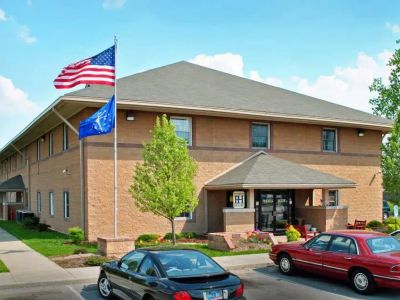

Aspire Indiana Health - Progress House
Indianapolis, Indiana
201 Shelby St., Indianapolis, IN, 46202
Pinnacle Treatment Centers - 2209 John R Wooden Drive
Martinsville, Indiana
2209 John R Wooden Drive, 3rd Floor Martinsville, IN 46151
Why Trust Indiana Rehabs
As Hoosiers helping Hoosiers, we understand the unique challenges our communities face. Our team meticulously verifies every Indiana treatment center, ensuring you find trusted, local care that truly understands your journey.
About our listingsLevels of Care
Explore popular treatment options by levels of care, from flexible treatment in Outpatient centers to intensive care in Residential rehabs.
Free · 24/7 · Confidential
Talk to a Treatment Specialist
Call now to get matched with Indiana facilities that accept your insurance.
(888) 568-9930
Free
Ins. check
4.9★
Rating
HIPAA
Protected
Can't travel to a facility?
Licensed Indiana therapists via secure video — same-week appointments, evenings & weekends available.
Does recovery ever feel like one step forward, two steps back, leaving you worn out by hope and disappointment? If you’re tired of repeating the same cycle of treatment, sobriety, and relapse, you’re not alone, and there’s nothing shameful about how hard this road can feel. The truth is, struggling with relapse is a real and common part of dealing with addiction as a chronic illness, but there are care programs built just for these unique challenges, ready to help you find steady ground and a lasting sense of freedom.

What Is Chronic Relapse?
Chronic relapse isn’t a sign of weakness or a moral failure; it’s a recognized part of addiction, which is a chronic disease. Think of it like other long-term health conditions, such as asthma or diabetes. Sometimes symptoms flare up and need to be managed differently. A chronic relapse is a pattern of returning to substance use after periods of recovery, despite having gone through treatment and wanting to stay sober. It's more than just a momentary slip. While a "lapse" might be a brief, one-time use, a relapse marks a return to old, harmful behaviors. Understanding this cycle is the first real step toward finding a more effective path to lasting recovery. It’s important to remember that for many, this is part of the journey. In fact, about 90% of individuals who struggle with alcohol use experience at least one relapse within the first four years of their sobriety.
Why Do People Relapse into Addictions?
If you find yourself asking, "Why does this keep happening?" the answer is usually not just one thing. Relapse is complex and often stems from a combination of factors that build up over time. The brain’s reward system, which is changed by addiction, can create intense cravings when you encounter certain triggers, making it incredibly difficult to stay the course. Another challenge can be Post-Acute Withdrawal Syndrome (PAWS), where symptoms like mood swings and anxiety pop up long after detox, leaving you feeling vulnerable.
Common triggers that can lead to relapse include:
- Stress: Difficult life events, financial worries, or relationship problems can feel overwhelming without healthy coping skills.
- Environmental Cues: Being around people, places, or even things associated with past drug or alcohol use can spark powerful cravings.
- Untreated Mental Health Issues: When conditions like depression, anxiety, or trauma aren't addressed, it’s common to turn back to substances to cope. These are also known as co-occurring disorders.
- Difficult Emotions: Feelings of loneliness, anger, or sadness can be hard to manage in early recovery without a strong support system.
Signs and Symptoms of Chronic Relapse
Relapse doesn't just happen out of the blue. It’s a gradual process that often unfolds in predictable stages. Learning to recognize these warning signs is one of the most powerful tools you can have in preventing a full return to substance use. By catching the signs early, you can get the support you need to get back on track before a physical relapse occurs. Understanding these stages can help you or your loved one see the subtle shifts that signal it’s time to ask for help.
Emotional Relapse
In this first stage, you aren't actively thinking about using, but your emotions and behaviors are paving the way. You might start isolating yourself from your support system, bottling up your feelings, or neglecting your self-care routines, like eating well or getting enough sleep. Signs often include increased anxiety, moodiness, and a general feeling of being overwhelmed. It’s a quiet but critical phase where preventative action can make all the difference.
Mental Relapse
This is where the internal tug-of-war begins. A part of you wants to stay sober, but another part is thinking about using again. You might find yourself having cravings, daydreaming about past drug or alcohol use, or downplaying the negative consequences you experienced. You may even start bargaining with yourself or planning how you could get away with using. During this stage, the internal battle begins, making effective relapse prevention strategies crucial.
Physical Relapse
Physical relapse is the final stage, where a person actively starts using drugs or alcohol again. This is the culmination of the emotional and mental stages that came before it. It’s important to know that even if this happens, it’s not the end of the road. It’s a sign that the current recovery plan needs to be adjusted and that more intensive support is needed. At this point, a specialized chronic relapse program can offer the right support to break the cycle.

Chronic Relapse Prevention
A chronic relapse program is built around one core idea: prevention. It’s not just about stopping substance use; it’s about building a life where sobriety can be sustained. This involves creating a detailed, personalized relapse prevention plan that helps you identify your unique triggers and develop healthy coping mechanisms to navigate them. Treatment often includes therapies designed to reshape how you think and react. cognitive behavioral therapy (CBT), for instance, helps you challenge negative thought patterns, while dialectical behavior therapy (DBT) equips you with skills to manage intense emotions without turning to substances. A strong aftercare plan is just as important. This might include ongoing therapy, joining support groups like AA or NA, or living in a structured environment like a sober living arrangement to reinforce your new, healthy habits.
Chronic Relapse Treatment Centers Can Help
If you've been through treatment before, you might realize that a standard 30-day program isn't enough to address a pattern of chronic relapse. Someone who suffers from chronic relapse will likely need something more than the standard 30-day treatment program. Specialized treatment centers in Indiana offer programs designed to break this cycle for good. They provide the structure, time, and targeted therapies needed to build a stronger foundation for recovery.
When looking for a chronic relapse program, here’s what to look for:
- Longer Treatment Durations: Programs lasting 90 days or more provide the time needed to truly heal and practice new skills.
- Specialized Tracks: Care should be tailored to your specific history with addiction, relapse, and personal challenges.
- Dual Diagnosis Care: On-site mental health services are essential for addressing underlying conditions like depression or anxiety.
- family therapy: Healing relationships and building a strong support system at home is crucial for long-term success.
- Robust Aftercare Planning: A good program begins planning your transition back home from day one, setting you up with ongoing support.
Take the Next Step Toward Sustainable Recovery
If you’re caught in a cycle of relapse, please know that it’s not a reflection of your worth or your desire to get better. Chronic relapse is a treatable part of the disease of addiction, and with the right kind of support, you can achieve the lasting recovery you deserve. A life free from the grip of alcohol or drugs is possible. You don't have to figure this out on your own. Taking one small, brave step today can change everything. Reaching out for help is a sign of strength, and it’s the first move toward building a healthier, more fulfilling life.
If you’re ready to explore treatment options that truly understand the challenges of chronic relapse, our team at Indiana Rehabs is here to help. You can speak with someone who understands by calling (888) 568-9930, or you can get in touch through our contact page to find the right support for your journey. A new future is waiting.