College Student Program Rehab Programs

Showing 5 of 5 Results (filtered)
Featured Rehab Centers
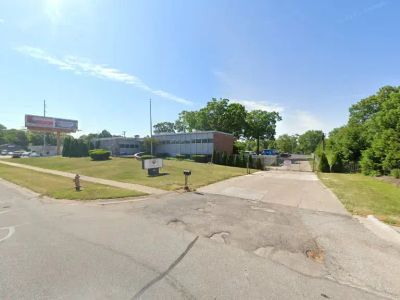

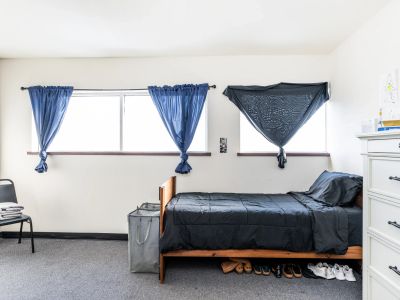
Cardinal Recovery
Franklin, Indiana
1130 West Jefferson St, Franklin, IN, 46131



Recovery Centers of America at Indianapolis
Indianapolis, Indiana
8530 Township Line Rd, Indianapolis, IN 46260
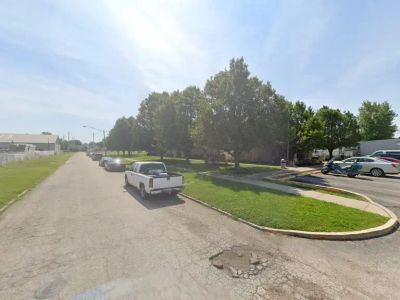
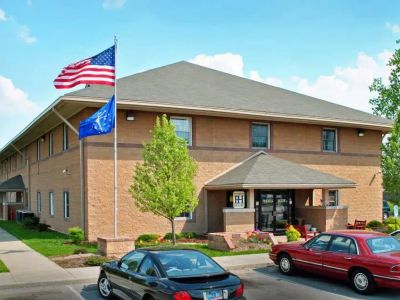

Aspire Indiana Health - Progress House
Indianapolis, Indiana
201 Shelby St., Indianapolis, IN, 46202
Get Personalized Rehab Matches in 60 Seconds
Tell us a few details and we’ll show a personalized shortlist of verified Indiana rehabs, making it simple to compare options and choose your next step with confidence.
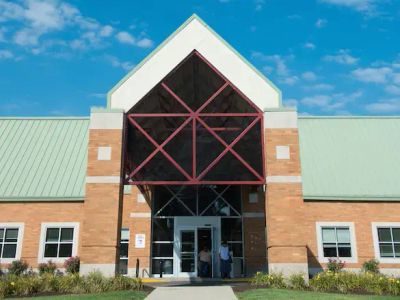

Eskenazi Health - Blackburn
Indianapolis, Indiana
2700 Dr. Martin Luther King (MLK) Jr. St., Indianapolis, IN, 46208
Pinnacle Treatment Centers - 2209 John R Wooden Drive
Martinsville, Indiana
2209 John R Wooden Drive, 3rd Floor Martinsville, IN 46151
Why Trust Indiana Rehabs
As Hoosiers helping Hoosiers, we understand the unique challenges our communities face. Our team meticulously verifies every Indiana treatment center, ensuring you find trusted, local care that truly understands your journey.
About our listingsLevels of Care
Explore popular treatment options by levels of care, from flexible treatment in Outpatient centers to intensive care in Residential rehabs.
Free · 24/7 · Confidential
Talk to a Treatment Specialist
Call now to get matched with Indiana facilities that accept your insurance.
(888) 568-9930
Free
Ins. check
4.9★
Rating
HIPAA
Protected
Can't travel to a facility?
Licensed Indiana therapists via secure video — same-week appointments, evenings & weekends available.
Does the pressure to succeed at your Indiana college ever feel crushing, pulling you between late-night study sessions, social demands, and the weight of high expectations? If you’ve found yourself leaning on substances just to keep up, you’re not alone, and it’s nothing to be ashamed of. There are programs right here in Indiana that truly get what you’re going through, offering support that fits around your classes, your ambitions, and your life as a student. Seeking help isn’t about giving up; it’s about finding your strength and protecting your future.

Causes of Substance Abuse Among College Students
The transition to college is a huge step. It’s a time of newfound independence, but it can also bring a wave of stress and peer pressure. For many students, balancing tough classes, a new social scene, and the desire to fit in can feel overwhelming. This pressure cooker environment can sometimes lead to using substances as a way to cope or connect.
Common triggers often include anxiety about academic performance, the stress of managing a demanding school schedule, or trying to find a place in new social circles. For some, there might be a family history of addiction, or they may be dealing with co-occurring mental health conditions like depression or anxiety. It’s important to know that these struggles are valid. Here in Indiana, many students face similar challenges. The 2023 Indiana College Substance Use Survey found that in the past year, nearly 60% of students used alcohol and almost 30% used marijuana[1]. Beyond alcohol and marijuana, prescription drugs like Adderall are also commonly misused on campuses to handle the academic workload.
Signs of Substance Use in College Students
It can be hard to tell when substance use crosses the line from casual to concerning, especially in a college environment where it’s so common. But if you’re worried about yourself or a friend, there are some gentle signs to look for. Recognizing them isn’t about judgment; it’s about noticing when someone might need a little extra support. Many of these signs can be found on pages that discuss issues that college students face.
Here are a few things to keep an eye on:
- Academic Changes: A sudden drop in grades, frequently missing classes, or a complete loss of interest in coursework that was once important. Academic performance can often be the first visible sign of a problem.
- Behavioral Shifts: Withdrawing from friends and family, changing social circles unexpectedly, becoming more secretive, or having unexplained financial troubles. You might also notice a student has lost interest in hobbies and activities they used to love.
- Physical Differences: Significant changes in sleep patterns (sleeping too much or too little), a noticeable decline in personal hygiene or appearance, sudden weight loss or gain, and constant fatigue are all potential physical signs of addiction.
The Long- and Short-Term Impacts of Substance Use in College Students
The consequences of substance use can ripple through a student’s life, affecting everything from their health to their academic career. In the short term, impaired judgment can lead to risky behaviors, while hangovers and health issues can make it nearly impossible to keep up with classes. Long-term, the risks are even greater. Consistent misuse of substances can lead to addiction, cause lasting damage to physical and mental health, and jeopardize a student's future career prospects. It can also strain the important relationships with family and friends who want to help. Recognizing these risks is the first step toward making a change.

Navigating College and Addiction Treatment
The thought of getting help for substance use while still in school can seem impossible, but it’s more achievable than you might think. Treatment and education don’t have to be mutually exclusive. In fact, many programs are designed specifically to help students navigate recovery without sacrificing their academic goals. It’s all about finding the right level of care that fits your life.
For some, an inpatient or residential program, which might require taking a semester off, provides the immersive support needed to build a strong foundation for recovery. For others, outpatient treatment is a perfect fit, offering flexible scheduling that allows you to attend therapy and counseling sessions while still going to classes. Many Indiana colleges also have on-campus resources like counseling centers or Collegiate Recovery Programs (CRPs) that offer a supportive community right where you are[2]. Your privacy is protected every step of the way, so you can feel safe exploring these options.
How Long is Rehab? (Will I Have to Leave School?)
This is one of the biggest worries for students, and the answer really depends on your unique needs. A residential treatment program can last 30, 60, or 90 days, which may mean taking a medical leave of absence from school. University administrations are often very supportive in these situations and can help you navigate the process smoothly. However, outpatient programs are specifically designed to fit into your existing schedule. These programs allow you to continue your education while getting the treatment you need, ensuring you don’t have to put your academic future on hold.
Does Insurance Cover Rehab for College Students?
Yes, in many cases, it does. Thanks to the Affordable Care Act (ACA), most student health plans and family insurance plans provide coverage for substance use disorder treatment. Every policy is different, so it’s a good idea to check the specific details of your plan to understand your coverage levels, copays, and which providers are in-network. This can feel overwhelming, but you don’t have to figure it out alone. We can help you understand your insurance coverage for rehab and find a treatment center that works with your plan.
Taking the First Step Toward Recovery in Indiana
Reaching out for help is a sign of incredible strength. If you’re ready to take that first step, here’s a simple path forward:
- Talk to someone you trust. This could be a family member, a close friend, a campus counselor, or your doctor. Sharing what you’re going through can lift a huge weight off your shoulders.
- Explore your options without pressure. Look into the resources available on your campus, like the health services or counseling center. These services are confidential and designed to support you. You can also call a helpline to talk through your options with a caring professional. A specialized college student program rehab can provide the tailored support you need.
- Understand the logistics. Take a moment to look into your insurance coverage and think about what kind of treatment program would fit best with your life and academic schedule.
You don’t have to have all the answers right now. The most important thing is to start the conversation.
You’ve already shown so much courage by seeking out this information. Remember, balancing school and recovery is possible, and there are people across Indiana who are ready to help you succeed in both. You can find treatment programs tailored for students, flexible outpatient options, and supportive communities that understand what you're going through. If you’re ready to talk, our team at Indiana Rehabs is here to listen without judgment. Give us a call at (888) 568-9930 or contact us to confidentially explore your options and find the right path forward.
Frequently Asked Questions About College Student Rehab in Indiana
What types of addiction treatment programs are available for college students in Indiana?
How do I balance recovery and my academic responsibilities?
Are there specific rehabs for college students?
What happens after rehab for a college student?
How can I get help for a friend who is struggling with addiction?
How will my privacy be protected during treatment?
- Prevention Insights, Indiana University. (2023). Results of the Indiana College Substance Use Survey 2023. Indiana Collegiate Action Network. incollegiateaction.org
- Indiana University Division of Student Affairs. (2024). Substance Use Disorder Recovery. Indiana University Bloomington. studentlife.indiana.edu