Culturally Responsive Rehab Programs

Showing 16 of 18 Results (filtered)
Featured Rehab Centers


Addiction Rehab Centers - ARC at Fox Hill | Drug & Alcohol Rehab - Mooresville Indiana
Mooresville, Indiana
12168 N Mann Rd, Mooresville, IN 46158

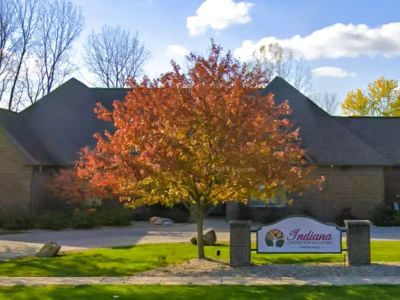

Indiana Center for Recovery - Alcohol & Drug Rehab Center Indianapolis
Indianapolis, Indiana
5510 S Emerson Ave, Indianapolis, IN 46237
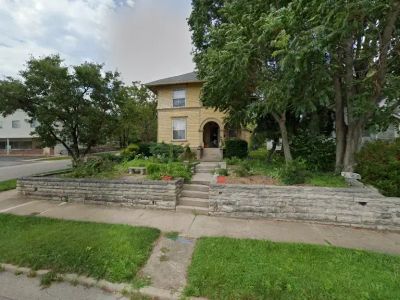

Amethyst House - Women's House
Bloomington, Indiana
322 West 2nd Street, Bloomington, IN 47401
Get Personalized Rehab Matches in 60 Seconds
Tell us a few details and we’ll show a personalized shortlist of verified Indiana rehabs, making it simple to compare options and choose your next step with confidence.
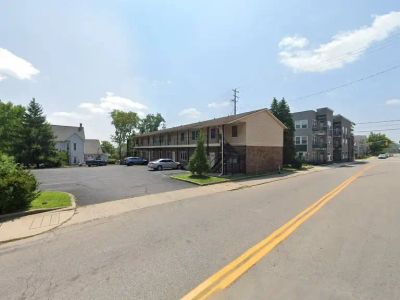


215 North Rogers Street, Bloomington, IN 47404
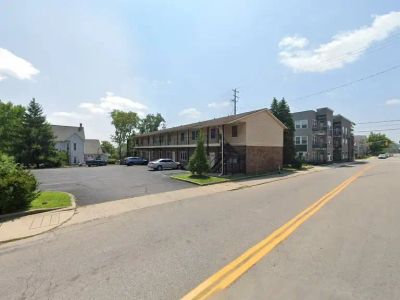


Amethyst House - Men's House
Bloomington, Indiana
215 North Rogers Street, Bloomington, IN, 47403
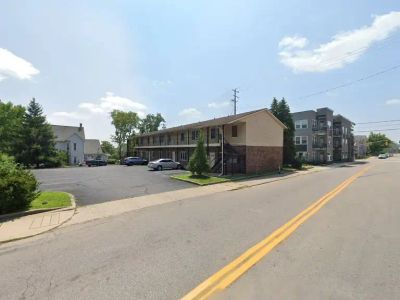


Amethyst House - Outpatient and Administrative Offices
Bloomington, Indiana
645 North Walnut Street, Bloomington, IN 47404

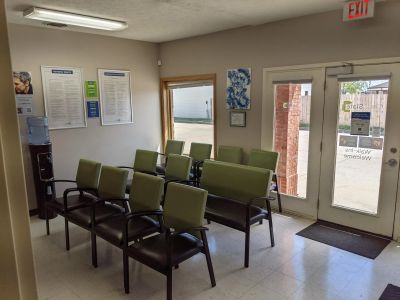

CleanSlate Outpatient Addiction Medicine
Lafayette, Indiana
30 Professional Ct #2A, Lafayette, IN 47905
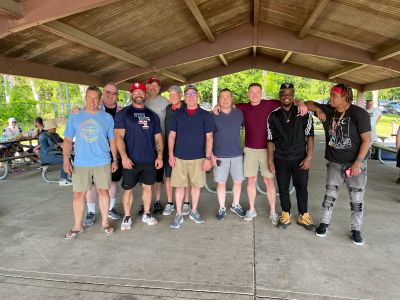


Recovery Centers of America at Indianapolis
Indianapolis, Indiana
8530 Township Line Rd, Indianapolis, IN 46260

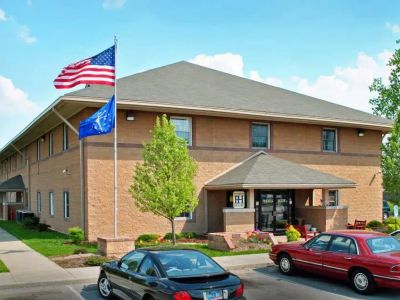

Aspire Indiana Health - Progress House
Indianapolis, Indiana
201 Shelby St., Indianapolis, IN, 46202

Centerstone - Madison
Madison, Indiana
3008 North Bevcher Street, Madison, IN 47250


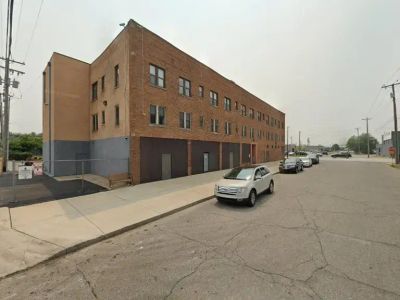
Life Treatment Centers
South Bend, Indiana
1402 South Michigan street, South Bend, IN, 46613


The Children Campus
Mishawaka, Indiana
1411 Lincolnway West, Mishawaka, IN 46544

Oaklawn Psychiatric Center - Goshen
Goshen, Indiana
330 Lakeview Drive, Goshen, IN, 46527

Oaklawn Psychiatric Center - Oakland Avenue
Elkhart, Indiana
2600 Oakland Avenue, Elkhart, IN 46517



Oaklawn Psychiatric Center - South Bend
South Bend, Indiana
415 East Madison street, South Bend, IN, 46617
Pinnacle Treatment Centers - 2209 John R Wooden Drive
Martinsville, Indiana
2209 John R Wooden Drive, 3rd Floor Martinsville, IN 46151
Why Trust Indiana Rehabs
As Hoosiers helping Hoosiers, we understand the unique challenges our communities face. Our team meticulously verifies every Indiana treatment center, ensuring you find trusted, local care that truly understands your journey.
About our listingsLevels of Care
Explore popular treatment options by levels of care, from flexible treatment in Outpatient centers to intensive care in Residential rehabs.
Free · 24/7 · Confidential
Talk to a Treatment Specialist
Call now to get matched with Indiana facilities that accept your insurance.
(888) 568-9930
Free
Ins. check
4.9★
Rating
HIPAA
Protected
Can't travel to a facility?
Licensed Indiana therapists via secure video — same-week appointments, evenings & weekends available.
Have you ever left a healthcare appointment feeling like the person across from you didn’t quite see you, or really get where you’re coming from, especially when you needed support the most? That sense of being misunderstood gets even heavier when you’re searching for addiction treatment, where feeling safe and truly heard is everything. Recovery doesn’t have to mean setting aside who you are or what’s important to you; there’s a way forward that honors your story, treating your cultural identity as a powerful part of your healing. In Indiana, you can find rehab options that offer this kind of affirming care, so every step feels a little more like your own.

What Is Culturally Responsive Rehab?
Think of it like getting a suit tailored just for you versus buying one off the rack. The off-the-rack suit might work, but it won’t ever feel completely right. A tailored suit, however, is made to fit your exact measurements, moving with you and feeling like a second skin. Culturally responsive rehab is that tailored suit. It’s a form of care designed to fit you perfectly, honoring your unique background, beliefs, and life experiences.
This approach goes far beyond simply offering a translator or having brochures in different languages. It’s about creating a healing environment where your worldview is not just acknowledged, but respected and woven into your recovery plan. It means the people helping you understand that your culture shapes your view of health, family, spirituality, and community, and they see these as strengths to build on.
The foundation of this care rests on a few key ideas. The first is moving from basic cultural competence, which is about knowing facts about different groups, toward a deeper cultural humility. This is a lifelong commitment by caregivers to listen, learn, and challenge their own biases. It creates an atmosphere of genuine respect and curiosity, where you are the expert on your own life. These specialized treatment programs are designed to adapt proven, evidence-based therapies so they resonate with your personal experience, making them more effective.[1] Studies show that this kind of sensitive approach in rehabilitation works, especially for youth of color, leading to better outcomes and a stronger sense of connection.[2] Ultimately, it ensures that the care you receive truly sees and supports every part of who you are.
Why Culture Matters in Addiction Treatment
Your story and your identity are deeply connected to your relationship with substance use. Life experiences, family history, community values, and how the world treats you all play a part in your overall health and well-being. For many, especially those from marginalized communities, experiences with racism, discrimination, and injustice create deep-seated trauma that can fuel addiction.[3] When these root causes are ignored, treatment often feels like it’s only scratching the surface.
Standard treatment models aren’t always built to address these complex issues. They can sometimes feel generic or even alienating if they don’t account for your unique cultural context. This is where culturally responsive care makes a profound difference. It’s not about seeing your identity as a risk factor, but as a powerful source of strength and resilience for your healing journey.
By centering your culture, treatment programs can build trust, improve engagement, and lead to better, more lasting outcomes.[4] In Indiana, for example, there's a growing understanding of how crucial this is. Data shows that while many people access care, completion rates and outcomes can vary widely across different groups.[5] This highlights the need for care that addresses the whole person, including their cultural identity, to promote true health equity and justice.
Building Trust and Psychological Safety
Recovery is an act of courage that requires you to be vulnerable. Opening up about your deepest struggles is nearly impossible if you don’t feel safe and understood. This is why psychological safety is non-negotiable in effective therapy and healing. When you’re constantly worried about being judged or misunderstood because of your race, sexuality, religion, or background, you can’t fully show up. You might find yourself "code-switching" or hiding parts of your identity just to feel accepted, which puts up a wall right when you need to be tearing walls down.
Culturally responsive services are designed to dismantle these barriers. They create a space where you can bring your whole self to the table without fear. For some, this might look like finding treatment that affirms LGBTQ+ identities, ensuring that chosen family and pronouns are respected. For others, it might be a program that understands the unique pressures faced by military veterans. The goal is to build a foundation of trust where you feel seen, valued, and safe enough to do the hard work of recovery.
Addressing Root Causes, Not Just Symptoms
Substance use is almost always a symptom of deeper pain. A culturally responsive approach looks beyond the immediate behavior to understand the "why" behind it. It acknowledges that systemic issues like poverty, community violence, and generational trauma are real health factors. Instead of asking, “What’s wrong with you?” it asks, “What has happened to you?”
This means integrating conversations about racial trauma into therapy sessions or understanding how family dynamics and expectations in your culture impact your mental health. It could involve providing trauma-informed care that recognizes the specific historical context of your community. By addressing these root causes, this approach doesn't just put a bandage on the problem; it aims for lasting healing and social justice, empowering you to build a healthier future.
How to Find Culturally Responsive Rehab in Indiana

Knowing what to look for is the first step toward finding addiction treatment that truly fits your needs. As you research different programs and services in Indiana, you can be your own best advocate. It’s okay to ask direct questions and look for clear signs that a center is committed to inclusive and affirming care.
Here are some things to look for and questions to ask potential rehab centers:
- Language and Imagery: Does their website and marketing material use inclusive language? Do the images show a diversity of people, including staff and clients?
- Staff Diversity and Training: Ask them: “Is your clinical staff diverse?” and “What kind of training has your team received in cultural humility and competence?” A team that reflects the community it serves is often a positive sign.
- Intake and Assessment Process: During the first call, do they ask questions about your cultural background, beliefs, or identity in a respectful way? The intake process should feel like they’re trying to understand your whole story.
- Treatment Planning: Ask how they incorporate a client’s cultural background into their treatment plans. Indiana Medicaid, for example, requires individualized care, so treatment should be tailored to you.[6]
- Specialized Programs: Look for dedicated programs that serve specific communities. Many centers offer LGBTQ-affirming tracks, faith-based options, or services tailored for veterans. The State of Indiana regulates licensed facilities, ensuring they meet specific standards for care.
- Community Partnerships: Do they partner with local community leaders, organizations, or cultural groups? This shows a genuine commitment to understanding and serving the community. You can look for official state resources like Indiana Next Level Recovery for more information on local initiatives.
- Food and Dietary Options: It may seem small, but ask if they accommodate cultural or religious dietary needs. A center that pays attention to these details often has a broader commitment to cultural respect.
Trust your gut. If something feels off or you don’t feel heard during your initial conversations, it’s okay to keep looking. Your comfort and safety are the top priorities, and finding the right fit is crucial for your recovery.
Your Path to Affirming Care Starts Now
Your identity is not something to be set aside during recovery; it’s one of your greatest sources of strength. Finding a rehabilitation program that sees, respects, and honors every part of who you are is essential for building a strong foundation for lasting healing. You deserve to feel safe, understood, and empowered on your journey to better health. Remember, choosing to seek help is a courageous first step, and you have the right to find care that fits you perfectly.
Taking this step is a sign of incredible strength. If you’re ready to find treatment programs that honor your story, our team at Indiana Rehabs is here to help. We can connect you with affirming care options and answer your questions with compassion and understanding. You don’t have to do this alone. Call us today at (888) 568-9930 or reach out through our contact page to start your journey. The right support is out there, and we’re here to help you find it.
Frequently Asked Questions About Culturally Responsive Rehab in Indiana
What are some examples of culturally responsive care in addiction treatment?
Are there specific rehab programs in Indiana for LGBTQ+ or other groups?
How does a person's culture affect their view of addiction and recovery?
What should I look for in a rehab center to ensure it's culturally responsive?
- (n.d.). Evidence-Based Practices Resource Center. Substance Abuse and Mental Health Services Administration. samhsa.gov
- Wang, Y., et al. (2022). Culturally sensitive prevention programs for substance use among youth of color: A meta-analytic review. Psychological Bulletin. pmc.ncbi.nlm.nih.gov
- Indiana Behavioral Health Commission. (n.d.). Indiana Behavioral Health Commission Report. Indiana Division of Mental Health and Addiction. in.gov
- Maciol, J. R., Salzer, M., & Evans, A. C. (2021). Transforming mental health and addiction services to a system of well-being. Health Affairs. healthaffairs.org
- (2021). Mental Health America of Indiana Strategic Plan 2021 - 2025. Mental Health America of Indiana. mhai.net
- (2021). Substance Use Disorder (SUD)/Serious Mental Illness (SMI) Treatment. Indiana Family and Social Services Administration. in.gov