Eating Disorder Rehab Programs

Showing 8 of 8 Results (filtered)
Featured Rehab Centers

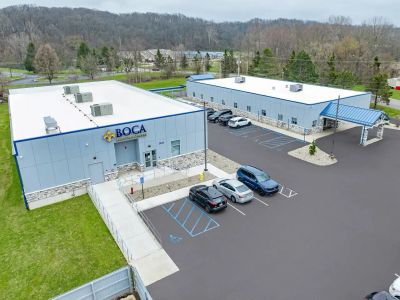

Boca Recovery Center - Indiana Drug and Alcohol Rehab
Huntington, Indiana
3040 W Park Dr, Huntington, IN 46750



Recovery Centers of America at Indianapolis
Indianapolis, Indiana
8530 Township Line Rd, Indianapolis, IN 46260
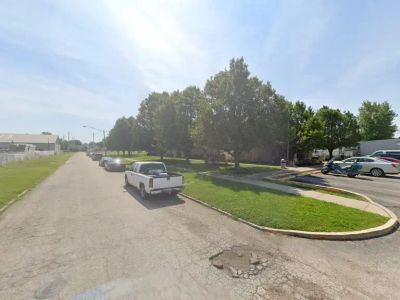
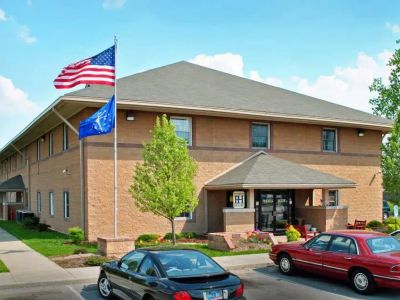

Aspire Indiana Health - Progress House
Indianapolis, Indiana
201 Shelby St., Indianapolis, IN, 46202
Get Personalized Rehab Matches in 60 Seconds
Tell us a few details and we’ll show a personalized shortlist of verified Indiana rehabs, making it simple to compare options and choose your next step with confidence.

Northside Mental Health
Indianapolis, Indiana
6507 Ferguson St #201, Indianapolis, IN 46220
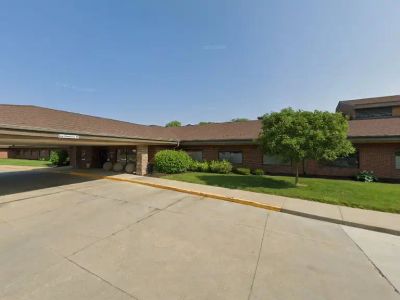
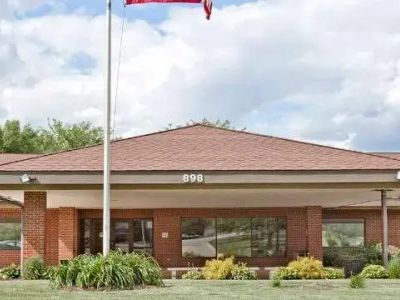
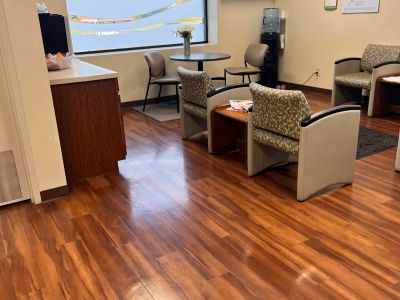
Valle Vista Health System
Greenwood, Indiana
898 East Main street, Greenwood, IN, 46143
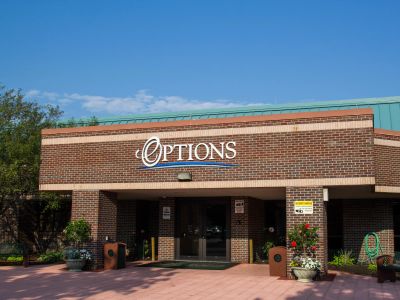

Options Behavioral Health
Indianapolis, Indiana
5602 Caito Drive, Indianapolis, IN, 46226
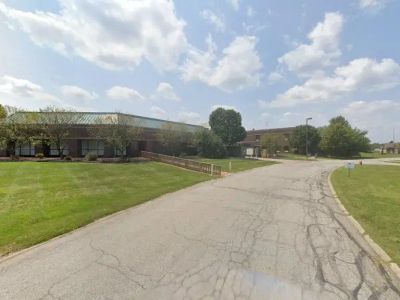
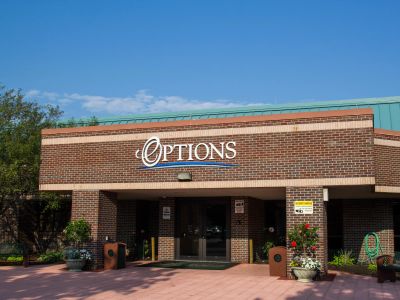

Options Behavioral Health Hospital
Indianapolis, Indiana
5602 Caito Dr, Indianapolis, IN 46226
Pinnacle Treatment Centers - 2209 John R Wooden Drive
Martinsville, Indiana
2209 John R Wooden Drive, 3rd Floor Martinsville, IN 46151
Why Trust Indiana Rehabs
As Hoosiers helping Hoosiers, we understand the unique challenges our communities face. Our team meticulously verifies every Indiana treatment center, ensuring you find trusted, local care that truly understands your journey.
About our listingsLevels of Care
Explore popular treatment options by levels of care, from flexible treatment in Outpatient centers to intensive care in Residential rehabs.
Free · 24/7 · Confidential
Talk to a Treatment Specialist
Call now to get matched with Indiana facilities that accept your insurance.
(888) 568-9930
Free
Ins. check
4.9★
Rating
HIPAA
Protected
Can't travel to a facility?
Licensed Indiana therapists via secure video — same-week appointments, evenings & weekends available.
Are you feeling overwhelmed trying to find the right path to recovery? It’s a lot to take in, the endless information, the worry about making the best choice, and the hope that somewhere, real help is waiting for you. If you’re feeling lost or unsure where to turn, know that you’re not alone, and finding a compassionate, evidence-based eating disorder program in Indiana is absolutely possible. Let’s make this journey clearer and a little less daunting together.

About the Eating Disorders Program
An eating disorder program is a specialized form of treatment designed to help people heal their relationship with food and their bodies. The primary goal isn’t just about managing symptoms; it’s about guiding each patient toward lasting, meaningful recovery. These programs provide compassionate, structured care for children, adolescents, and adults facing challenges with anorexia, bulimia, binge eating disorder, and other related conditions. In Indiana, eating disorders affect an estimated 9% of residents, making access to quality care more important than ever[1].
Effective treatment relies on a multidisciplinary care team working together to support you. This team often includes therapists for mental and emotional health, registered dietitians for nutrition guidance, physicians to monitor physical health, and psychiatrists for any needed medication management. By using evidence-based approaches, this integrated team addresses the complex physical and psychological aspects of the disorder, giving each patient the best chance at long-term wellness.
Levels of Care
Finding the right support for an eating disorder means matching the patient's needs with the right intensity of treatment. Not everyone requires the same level of care, and programs are structured to provide a continuum of support. The right fit depends on medical stability, the severity of behaviors, and the amount of structure a person needs to make progress. Many treatment plans involve stepping up or down through these levels of care as recovery progresses.
Here are the primary levels available:
- Inpatient/Residential: Offers 24/7 medical and therapeutic support in a highly structured setting. It's best for individuals who are medically unstable or need constant supervision to interrupt dangerous behaviors.
- Partial Hospitalization Program (PHP): A full-time day program (often 5-7 days a week for several hours a day) where the patient returns home in the evenings. It provides intensive therapy and support while allowing more independence than inpatient care.
- Intensive Outpatient Program (IOP): A step-down from PHP, this level involves fewer hours of treatment per week (typically 3-5 days for a few hours each day). It's designed for those who are medically stable and need to balance treatment with school, work, or family life.
- Outpatient: The most flexible level, usually involving weekly appointments with a therapist, dietitian, or other specialists. It's ideal for individuals who are further along in their recovery or have less severe symptoms.
One of the most common questions is, "How long will treatment take?" There's no single answer. The duration of care is completely individualized, based on personal progress, medical needs, and treatment goals.
Inpatient services
When an eating disorder has become medically severe, inpatient and residential treatment provide the highest level of care. These programs offer 24/7 medical and psychiatric supervision in a safe, structured environment. This level of care is essential for individuals who may be at risk for serious health complications and require intensive intervention. Key services include medical stabilization to ensure physical safety, nutritional rehabilitation guided by dietitians, and a full schedule of individual, group, and family therapy to address the root causes of the disorder.
Outpatient treatment for eating disorders
For those who are medically stable, outpatient treatment offers a flexible yet structured path to recovery. Unlike inpatient care, these programs allow individuals to live at home and continue with school, work, and family responsibilities. Outpatient services are offered at different intensities, including standard outpatient visits (like weekly therapy or nutrition counseling), Intensive Outpatient Programs (IOP), and Partial Hospitalization Programs (PHP). This approach can serve as a starting point for treatment or as a step-down from a higher level of care, providing the support needed to integrate recovery skills into daily life.
The role of parents in meal planning and meal support
For an adolescent struggling with an eating disorder, the involvement of parents and families is not just helpful, it’s often essential for lasting recovery. One of the most effective evidence-based models is Family-Based Treatment (FBT), which empowers parents to take an active role in their child's nutritional rehabilitation[2]. In this approach, parents learn to manage meal planning and provide gentle, firm support during meals to ensure their child is nourished. Creating a calm, non-judgmental meal environment and focusing on connection rather than conflict can help reduce anxiety and promote a return to healthy eating patterns. This family-centered approach helps restore the child’s health while strengthening family bonds.

Why choose UCLA Health for eating disorder treatment?
Choosing the right eating disorder treatment program is a deeply personal decision, and knowing what to look for can make all the difference. As you explore options in Indiana, it helps to have a list of questions to guide your search and ensure you find a high-quality, effective program. Start by asking about the program’s philosophy and the credentials of their staff. Are they licensed and certified by reputable organizations? In Indiana, you can verify facility licensing through the state's Division of Mental Health and Addiction (DMHA)[3].
Inquire about the evidence-based therapies they offer, how they involve families in the recovery process, and what their approach to nutrition and meal support looks like. It's also important to understand how they handle insurance and what outcomes they track. For example, some top programs report that 71% of patients with anorexia nervosa reach a healthy weight before discharge, which is a strong indicator of long-term recovery. Taking the time to ask these questions will empower you to choose the best treatment program for your needs.
Helpful resources
Navigating the path to recovery can feel isolating, but you don't have to do it alone. There are incredible organizations dedicated to providing information, support, and hope to individuals and families affected by eating disorders. Here are a few places you can turn to for trusted guidance:
- National Eating Disorders Association (NEDA): Offers a helpline, screening tools, and a wealth of information for anyone seeking help.
- National Association of Anorexia Nervosa and Associated Disorders (ANAD): Provides free, peer-led support groups and mentorship programs.
Here at Indiana Rehabs, we serve as a directory to help you find and connect with local treatment options. Our team is here to help you understand these resources and find an eating disorder program that fits your unique needs. Don't hesitate to reach out for support.
Your Path to Recovery in Indiana
Remember, recovery from an eating disorder is not just a distant hope, it is absolutely achievable with the right support. Indiana offers a range of treatment options, from inpatient care for intensive medical needs to flexible outpatient programs that fit into your daily life. Finding an evidence-based eating disorder program where you feel seen, heard, and cared for is the most important first step. With a dedicated care team and the involvement of supportive family members, you can build a healthier relationship with food and yourself.
Taking that first step is often the hardest part, but you don't have to do it alone. If you're ready to explore your options, our team at Indiana Rehabs is here to help. You can call us anytime at (888) 568-9930 or visit our contact page to connect with someone who can guide you. Hope is here, and help is waiting.
Frequently Asked Questions About Eating Disorder Treatment in Indiana
How much does eating disorder treatment cost in Indiana?
What happens after completing an eating disorder program?
What if I also have anxiety, depression, or substance use issues?
How do I know if I need help, and what’s the first step?
How can I help a loved one in Indiana who has an eating disorder?
- Deloitte Access Economics & Harvard T.H. Chan School of Public Health. (November, 2024). Social and Economic Cost of Eating Disorders in Indiana. Harvard T.H. Chan School of Public Health. hsph.harvard.edu
- American Academy of Family Physicians. (01-01-2021). Eating disorders in primary care: Diagnosis and management. American Family Physician. aafp.org
- U.S. Department of Health & Human Services. (August, 2021). State residential treatment for behavioral health conditions: Indiana. Office of the Assistant Secretary for Planning and Evaluation. aspe.hhs.gov