
First Responder Program Rehab Programs

Showing 3 of 3 Results (filtered)
Featured Rehab Centers



Recovery Centers of America at Indianapolis
Indianapolis, Indiana
8530 Township Line Rd, Indianapolis, IN 46260
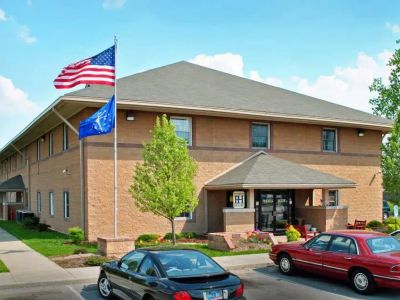

Aspire Indiana Health - Progress House
Indianapolis, Indiana
201 Shelby St., Indianapolis, IN, 46202
Pinnacle Treatment Centers - 2209 John R Wooden Drive
Martinsville, Indiana
2209 John R Wooden Drive, 3rd Floor Martinsville, IN 46151
Get Personalized Rehab Matches in 60 Seconds
Tell us a few details and we’ll show a personalized shortlist of verified Indiana rehabs, making it simple to compare options and choose your next step with confidence.
Why Trust Indiana Rehabs
As Hoosiers helping Hoosiers, we understand the unique challenges our communities face. Our team meticulously verifies every Indiana treatment center, ensuring you find trusted, local care that truly understands your journey.
About our listingsLevels of Care
Explore popular treatment options by levels of care, from flexible treatment in Outpatient centers to intensive care in Residential rehabs.
Free · 24/7 · Confidential
Talk to a Treatment Specialist
Call now to get matched with Indiana facilities that accept your insurance.
(888) 568-9930
Free
Ins. check
4.9★
Rating
HIPAA
Protected
Can't travel to a facility?
Licensed Indiana therapists via secure video — same-week appointments, evenings & weekends available.
You’ve rushed headlong into chaos countless times, whether it’s sirens blaring on an Indianapolis highway or the steady quiet of a rural county night, always prepared to help someone else in crisis. But when the weight of it all catches up to you, who’s there to answer your call? If you’re carrying burdens most people can’t see, know that you’re not alone. Right here in Indiana, there are confidential and truly understanding treatment options made just for first responders, so you can find your way back to balance and healing.
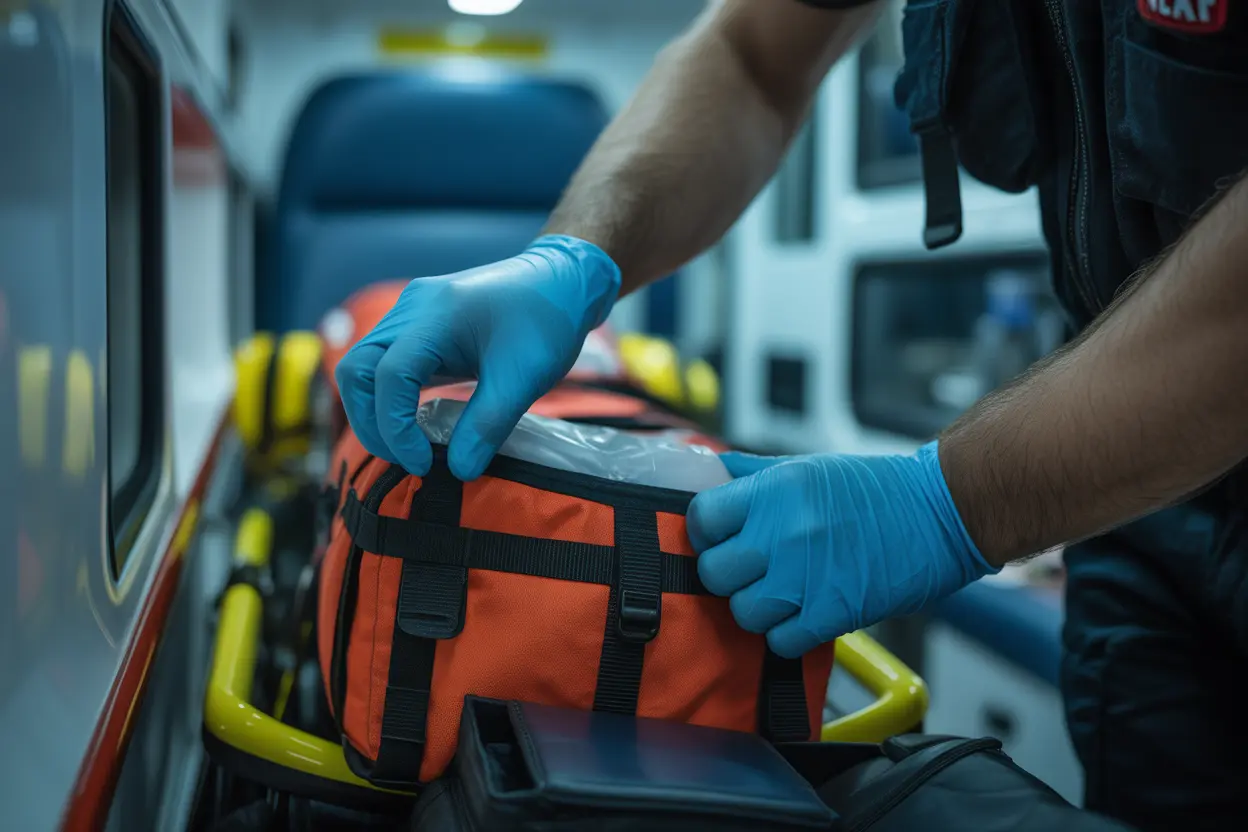
Common Mental Health Issues Among First Responders
The courage shown by Indiana's first responders, police, firefighters, EMS, corrections officers, and dispatchers, is undeniable. But the job's high-stress nature and repeated exposure to traumatic events create unique mental health challenges. Over time, the constant pressure can lead to conditions like PTSD, depression, and severe anxiety. It's not a sign of weakness; it's a natural response to an unnatural amount of stress. For instance, studies show that around 15% of paramedics struggle with depression. To cope with these overwhelming mental health issues, many first responders turn to substance use. Research highlights this connection, showing that 52% of male and 28% of female police officers with PTSD also have a history of alcohol dependence. Another survey found that 43.5% of officers admitted to binge drinking in the past month. This isn't a character flaw, it's an attempt to manage the invisible weight of trauma that first responders face every day.
What Is Specialized Treatment for First Responders?
A standard rehab program might not fully grasp the world you live in. That's why specialized treatment for first responders is so crucial. These programs are built on a foundation of understanding the culture, the stress, and the specific types of trauma that people in your profession experience. They offer more than just addiction treatment; they provide a safe, confidential space where you don't have to explain the basics of your job. Key components include trauma-informed therapy like EMDR, robust peer support from others who get it, and integrated care for dual diagnosis, where substance use and mental health issues are treated together. Most importantly, the clinicians and staff understand the stigma you face and are trained to navigate the cultural complexities of being a first responder seeking help. The entire approach is designed to help you heal among people who truly understand what you're going through in a first responder program rehab.

Treatment Options for First Responders
Finding the right level of care is a critical first step. Treatment options are designed to meet you where you are, providing the right amount of support for your specific needs:
- Medical Detox: A safe, medically supervised process to manage withdrawal symptoms from substances like alcohol or opioids. This is often the first step before starting a therapy program.
- Inpatient/Residential Treatment: You live at the facility for a period of time, typically 30-90 days, receiving 24/7 care and immersive therapy away from daily stressors.
- Partial Hospitalization Program (PHP): A highly structured option where you attend therapy and medical appointments at the facility for several hours a day, five to seven days a week, but return home at night.
- Intensive Outpatient Program (IOP): A more flexible option with fewer hours than PHP, allowing you to maintain work or family commitments while attending treatment sessions multiple times per week.
- Standard Outpatient Programs: The least intensive level, involving weekly therapy sessions to support ongoing recovery and mental wellness.
A Peer Community of Other First Responders
One of the most powerful elements of a specialized program is the peer community. In group therapy, you're not surrounded by civilians who can only imagine what your job is like; you're with other officers, firefighters, and paramedics. This shared identity creates an immediate sense of trust and understanding. You can talk about a difficult call or a frustrating shift without worrying about judgment or having to censor yourself. This environment of mutual respect and shared experience is essential for healing. It reminds you that you aren't alone in your struggles and allows you to build a support network with fellow first responders who can relate to your journey back to health.
Stigma and Other Perceived Barriers to Treatment Among First Responders
For many first responders, the biggest hurdles aren't physical, they're the fears of what happens if you ask for help. Worries about stigma, losing your job, or how you'll pay for care can feel paralyzing. It's important to know that there are protections in place. Laws like the Family and Medical Leave Act (FMLA) and the Americans with Disabilities Act (ADA) offer job-protected leave for medical treatment. Many unions are also strong advocates for members seeking help. Accredited treatment centers operate under strict confidentiality policies, so your privacy is protected. When it comes to cost, most private insurance plans cover addiction and mental health treatment, and facilities often have financing options available to make care more accessible. Addressing these barriers to treatment starts with knowing your rights and the resources available to you.

How We Support Families of First Responders
The stress of being a first responder doesn't just affect you; it impacts your entire family. The effects of trauma and substance use can strain even the strongest relationships. That's why comprehensive support for families is a key part of recovery. Specialized programs often include family therapy sessions and educational workshops designed to help your loved ones understand what you're going through. These sessions provide a safe space to improve communication, rebuild trust, and learn how to support one another. Healing is a team effort, and involving your family helps ensure you have a strong, understanding support system waiting for you at home.
Find Addiction Treatment for First Responders
When you're ready to take the next step, you don't have to do it alone. Indiana Rehabs is a resource built to help you find and compare treatment programs across the state. We believe in empowering you with clear, unbiased information so you can make the best choice for your needs. You can use our directory to easily filter for facilities in Indiana that offer specialized first responder tracks. If you’d rather talk to someone, our confidential helpline is available 24/7. A compassionate care coordinator can listen to your story, answer your questions, and guide you toward a program that feels right, all with no obligation.
Your Life Awaits – Make a New Start Now
You’ve dedicated your career to saving others. Now, it's time to invest in saving yourself. Remember, the burdens of trauma and addiction are heavy, but they don't have to be permanent. Specialized, confidential help from people who understand your world is available right here in Indiana, and it works. Choosing to seek help isn't a sign of weakness; it's an act of incredible strength, reflecting the same courage you show on the job every single day. A balanced and fulfilling life is waiting for you. It all starts with the brave decision to make a new start and ask for the support you deserve.

You’ve answered countless calls for others; now it’s time to answer the one for yourself. Healing from the unique pressures of your job is possible, and taking the first step is the most courageous move you can make. If you’re ready to talk, our team is here to listen without judgment and guide you toward the right path. You can call us anytime at (888) 568-9930 to speak with a caring specialist. At Indiana Rehabs, we're dedicated to helping you find the confidential, effective care you've earned. Please don't hesitate to contact us today to start your journey back to yourself.