Harm Reduction Oriented Rehab Programs

Showing 20 of 47 Results (filtered)
Featured Rehab Centers

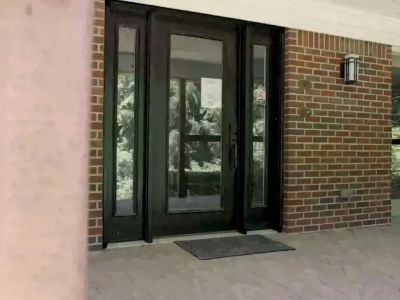
Addiction Rehab Centers - ARC at Fox Hill | Drug & Alcohol Rehab - Mooresville Indiana
Mooresville, Indiana
12168 N Mann Rd, Mooresville, IN 46158


Recover Together - Martinsville
Martinsville, Indiana
225 Morton Ave Martinsville, IN 46151


Recover Together - Aurora
Aurora, Indiana
706 Green Blvd., Aurora, IN, 47001
Get Personalized Rehab Matches in 60 Seconds
Tell us a few details and we’ll show a personalized shortlist of verified Indiana rehabs, making it simple to compare options and choose your next step with confidence.
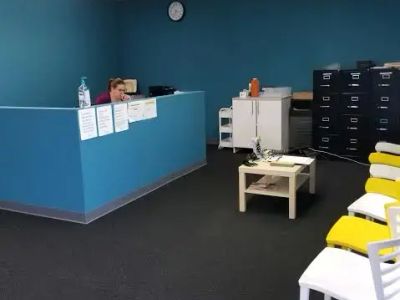

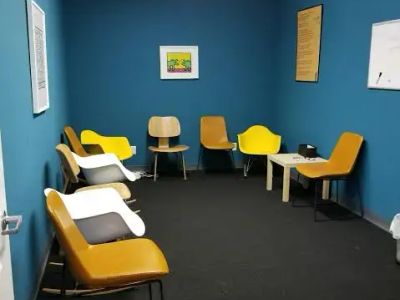
Recover Together - Connersville
Connersville, Indiana
2110 N Park Rd, Connersville, IN, 47331
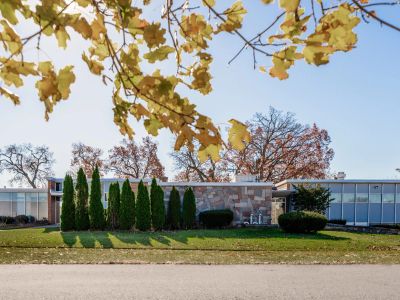

Cardinal Recovery
Franklin, Indiana
1130 West Jefferson St, Franklin, IN, 46131
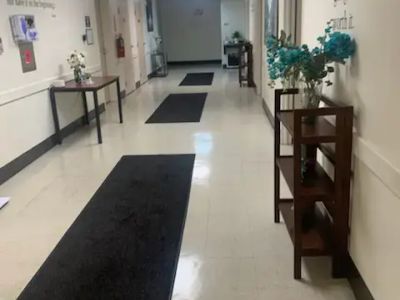
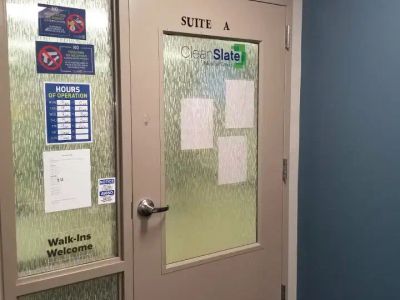
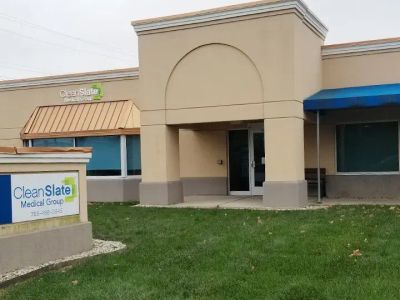
CleanSlate Outpatient Addiction Medicine
Richmond, Indiana
2302 Chester Blvd A, Richmond, IN 47374
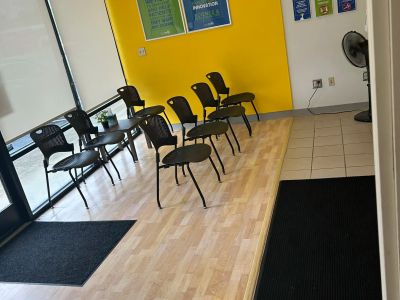
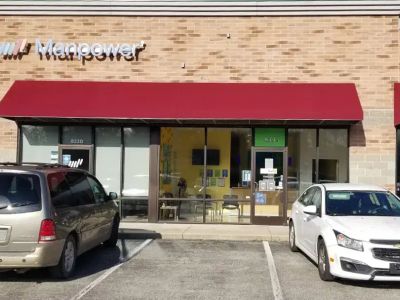
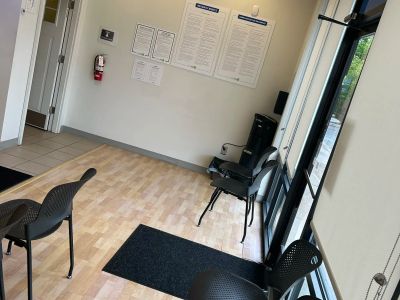
CleanSlate Outpatient Addiction Medicine
Greencastle, Indiana
833 Indianapolis Rd Suite E, Greencastle, IN 46135
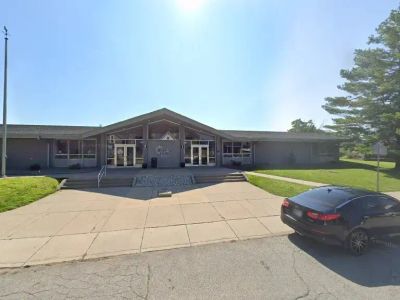
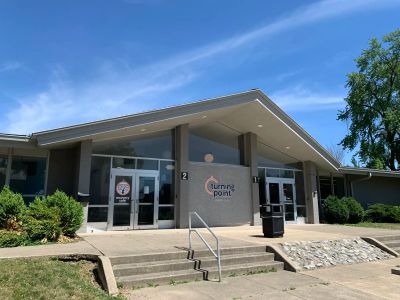
Turning Point SOC
Kokomo, Indiana
1234 N Courtland Ave, Kokomo, IN 46901
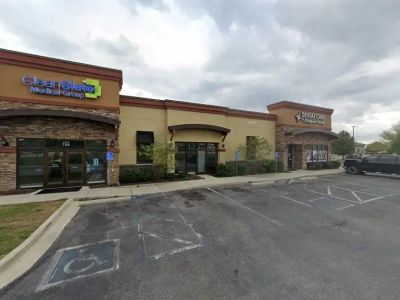
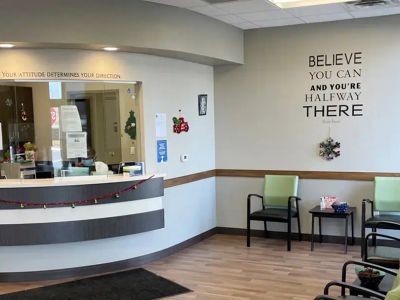
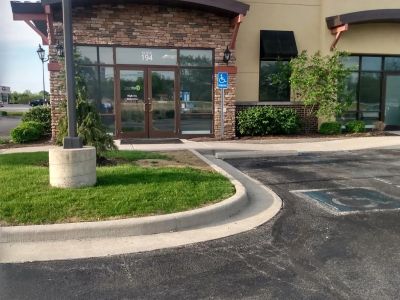
CleanSlate Outpatient Addiction Medicine
Plainfield, Indiana
2455 E Main St Suite #194, Plainfield, IN 46168
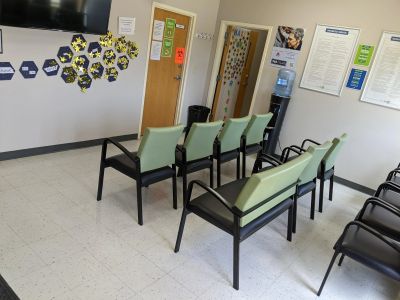
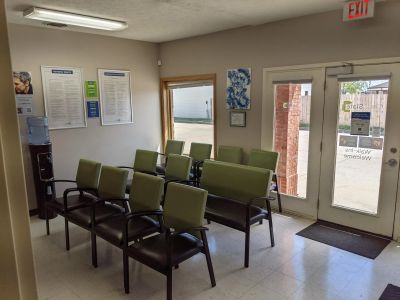

CleanSlate Outpatient Addiction Medicine
Lafayette, Indiana
30 Professional Ct #2A, Lafayette, IN 47905


Recovery Centers of America at Indianapolis
Indianapolis, Indiana
8530 Township Line Rd, Indianapolis, IN 46260
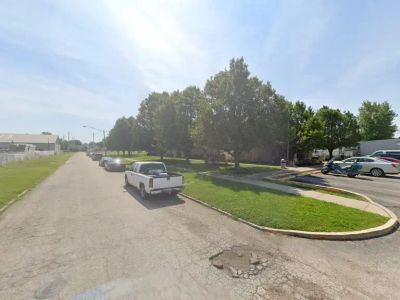
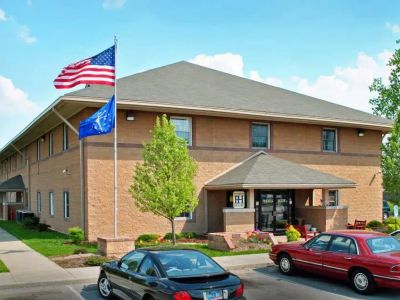

Aspire Indiana Health - Progress House
Indianapolis, Indiana
201 Shelby St., Indianapolis, IN, 46202
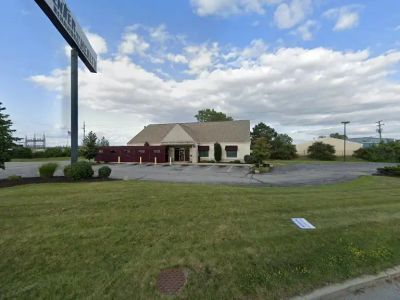
Center for Behavioral Health
Fort Wayne, Indiana
3910 Lima Rd, Fort Wayne, IN 46805

Pinnacle Treatment Centers - Cambridge City
Cambridge City, Indiana
2060 State Road 1 North, Cambridge City, IN, 47327

The Children Campus
Mishawaka, Indiana
1411 Lincolnway West, Mishawaka, IN 46544
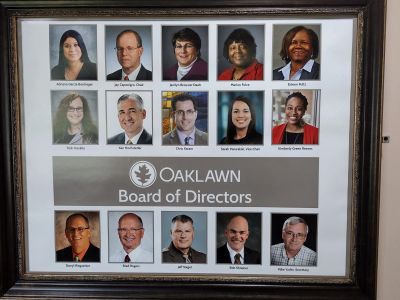
Oaklawn Psychiatric Center - Goshen
Goshen, Indiana
330 Lakeview Drive, Goshen, IN, 46527

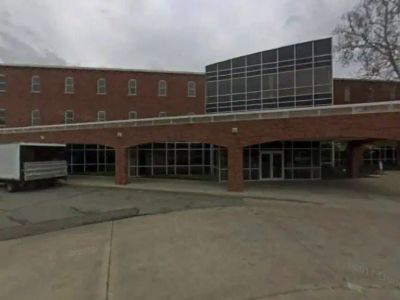
Oaklawn Psychiatric Center - Oakland Avenue
Elkhart, Indiana
2600 Oakland Avenue, Elkhart, IN 46517


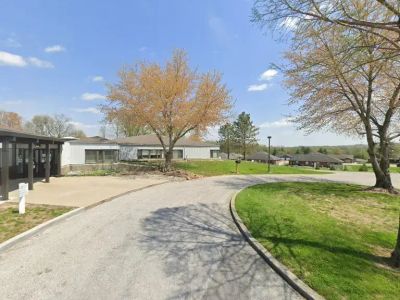
Oaklawn Psychiatric Center - South Bend
South Bend, Indiana
415 East Madison street, South Bend, IN, 46617
Southern Hills Counseling Center - Jasper
Jasper, Indiana
480 Eversman Drive, Jasper, IN, 47546


Recover Together - Tipton
Tipton, Indiana
202 South West Street, Tipton, IN, 46072
Why Trust Indiana Rehabs
As Hoosiers helping Hoosiers, we understand the unique challenges our communities face. Our team meticulously verifies every Indiana treatment center, ensuring you find trusted, local care that truly understands your journey.
About our listingsLevels of Care
Explore popular treatment options by levels of care, from flexible treatment in Outpatient centers to intensive care in Residential rehabs.
Free · 24/7 · Confidential
Talk to a Treatment Specialist
Call now to get matched with Indiana facilities that accept your insurance.
(888) 568-9930
Free
Ins. check
4.9★
Rating
HIPAA
Protected
Can't travel to a facility?
Licensed Indiana therapists via secure video — same-week appointments, evenings & weekends available.
Imagine a path to recovery that welcomes you as you are, without expecting you to leave behind every struggle or stumble before you even begin. This isn’t about pretending the risks of substance use don’t exist, instead, it’s about taking real, practical steps to make things safer and healthier, one choice at a time. Harm reduction offers a different way forward, rooted in evidence and genuine compassion, with strategies designed to meet you where life really happens. There’s hope in knowing that recovery doesn’t have to be all or nothing, and you deserve support that recognizes every step counts.

What Is Harm Reduction?
At its core, harm reduction is a compassionate and practical approach designed to lessen the negative consequences that can come with substance use[1]. It’s not about ignoring the risks of drugs or alcohol, but about finding real-world ways to make life safer and healthier for people right now. Think of it as a safety net. Instead of demanding immediate abstinence, the harm reduction approach focuses on positive change, no matter how small it might seem. This could mean providing access to clean syringes to prevent infections or distributing naloxone to reverse an overdose. The primary goal is to keep people safe and minimize harm while building trust and connection.
But it's more than just a set of public health strategies; it's also a social justice movement. It’s built on the belief that everyone, including people who use drugs, deserves to be treated with dignity and respect. This movement advocates for the rights of individuals and challenges the stigma and judgment that so often create barriers to care. It recognizes that many factors, like poverty, trauma, and lack of access to health services, affect a person’s substance use. The focus is on improving overall well-being and empowering people to take control of their health without being shamed for their choices. Indiana's public health framework even includes harm reduction as a key part of its response to substance use[2]. Finding a harm reduction rehab means finding support that meets you exactly where you are.
Principles of Harm Reduction
The harm reduction approach isn't a single rulebook but a philosophy guided by a set of core principles. These ideas shape how programs are designed and how people are treated, ensuring that support is always grounded in compassion and respect. The goal is to create a safe space where anyone can seek help for their health without judgment, making recovery feel more possible.
Understanding these principles can help you see why this approach is so different and often so effective. It’s about building trust and empowering people to make healthier choices for themselves, on their own terms. Mental Health America of Indiana even includes educating the public on these programs as part of its strategic plan to save lives[3]. Here are some of the key ideas that guide harm reduction:
- Accepting reality: This approach acknowledges that drug use is a part of our world and choosing to ignore it won't make it disappear. The focus is on minimizing its harmful effects rather than simply condemning it.
- Prioritizing safety and health: The immediate goal is to keep people safe. This means preventing overdose, reducing the spread of diseases, and connecting individuals with medical care, housing, and other essential services.
- Meeting people where they are: Harm reduction services are offered without judgment. It doesn't matter where someone is in their journey with substance use; they are treated with dignity and respect, and their choices are their own.
- Empowering individuals: People who use drugs are seen as the experts in their own lives. They are involved in creating the policies and programs that will serve them, ensuring the support is relevant and truly helpful.
- Recognizing the complexity of substance use: This approach understands that substance use is complex. It doesn’t try to minimize or ignore the real harm that can come from it, but instead focuses on practical solutions that work.
- Valuing every positive change: Any step toward reducing harm is a good one. Whether it’s using a clean needle, carrying naloxone, or deciding to explore treatment, every positive step is recognized and supported.
How Harm Reduction Programs Work
Harm reduction programs put these principles into action by offering practical, life-saving services. These programs are designed to be low-barrier, meaning they are easy to access and don’t require someone to commit to abstinence to receive help. The goal is to provide a safety net that keeps people connected to care and support, reducing the immediate dangers of substance use while opening doors to long-term recovery options like medication-assisted treatment (MAT).
These services are more than just resources; they are points of connection. For many, a harm reduction center is the first place they’ve been treated with compassion and respect. Here’s a look at some of the key services you might find:
- Syringe Service Programs (SSPs): These programs provide sterile syringes and safely dispose of used ones to prevent the spread of HIV, hepatitis C, and other infections. Research shows that people who use SSPs are up to five times more likely to enter treatment for substance use disorder[4].
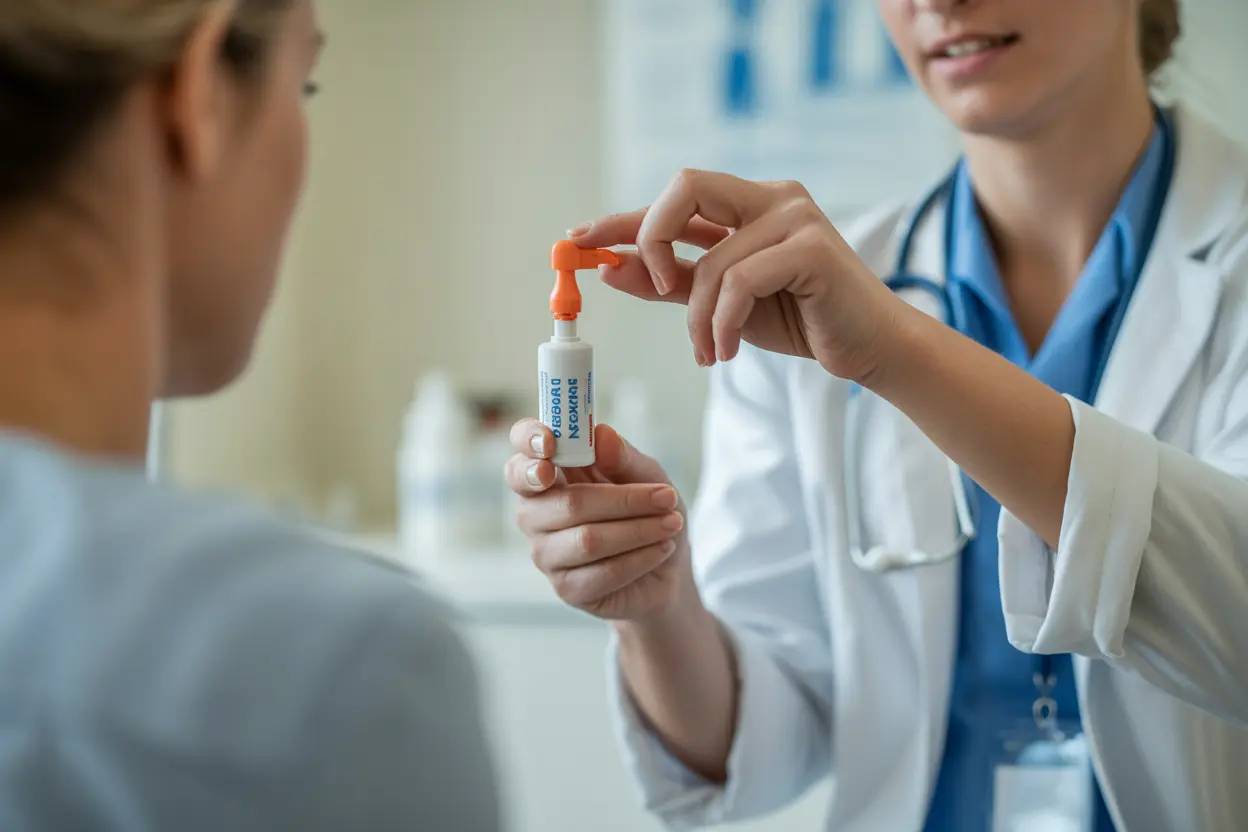
- Naloxone Distribution and Training: Naloxone (often known by the brand name Narcan) is a medication that can rapidly reverse an opioid overdose. Harm reduction programs distribute naloxone kits for free and train people on how to use them, empowering friends, families, and community members to save lives.
- Fentanyl Test Strips: With the growing presence of illegally manufactured fentanyl in the drug supply, these small strips of paper can detect its presence in other substances, allowing people to make more informed choices and prevent an accidental overdose.
- Safer Use Education: Staff provide information on safer injection practices, vein care, and how to reduce risks associated with substance use. This education is offered without judgment and is focused entirely on health and safety.
- Connections to Care: Harm reduction centers often serve as a bridge to other services, including medical care, mental health counseling, housing assistance, and addiction treatment. Indiana has funded street outreach teams to connect people directly with these resources[5].
Harm Reduction Pros and Cons
When exploring paths to recovery, it's common to encounter two main philosophies: harm reduction and abstinence. Neither one is universally "better" than the other; they are simply different approaches designed for different needs. An abstinence-based model requires a person to stop all substance use completely, which works well for many people. In contrast, harm reduction focuses on reducing risk and improving health, even if a person continues to use substances.
The rise of the overdose crisis, with more than 107,000 deaths in 2021 alone, has highlighted the urgent need for life-saving harm reduction strategies[6]. Experts agree that the underuse of these programs is a major challenge in addressing the crisis[7]. While some critics argue that harm reduction enables drug use, the evidence shows it keeps people alive and connected to care. The table below compares the two philosophies.
| Feature | Harm Reduction Model | Abstinence-Only Model |
|---|---|---|
| Primary Goal | Reduce negative consequences (e.g., overdose, disease) and improve overall health. | Complete cessation from all mood-altering substances. |
| View on Substance Use | Accepts that use occurs and focuses on minimizing associated risks. | Views any substance use as problematic and aims for total avoidance. |
| Success Metric | Any positive change, such as safer use, reduced use, or improved quality of life. | Sustained periods of complete sobriety (e.g., days, months, years). |
| Approach to Relapse | Relapse is seen as an expected part of the process, not a failure. Focus is on re-engaging safely. | Relapse is often viewed as a failure of the program or individual, requiring a restart. |
| Best For | Individuals not ready or able to stop using, or those at high risk of overdose or infection. | Individuals who are ready and motivated to stop all substance use and have a strong support system. |
Getting Help for Addiction Near You
If the harm reduction approach sounds like the right fit for you or someone you care about, help is available right here in Indiana. Finding a program that aligns with these principles can be the first step toward a safer, healthier future. These services are expanding across the state, with more certified recovery residences and outreach teams available than ever before[8]. You can use resources like Indiana's Next Level Recovery Data Dashboard to find services in your county.
When you're looking for a harm reduction rehab or program, it's important to know what to ask. Here’s a quick checklist to help you find the right support:
- Do you provide naloxone and training on how to use it?
- What is your policy on relapse?
- Do you offer access to sterile syringes or fentanyl test strips?
- Are medications for opioid use disorder (like methadone or buprenorphine) available without requiring total abstinence?
- How do you involve clients in their own treatment planning?
Ready to find a program near you? You can explore a directory of addiction treatment centers to find the right fit. Your journey to recovery deserves to be met with compassion and practical support every step of the way.
A Hopeful, Realistic Path Forward
Choosing a path to recovery is a deeply personal decision, and harm reduction offers a hopeful and realistic option for so many. This approach isn't about giving up; it's about staying alive and creating opportunities for positive change. It affirms that every person's life has value and that you deserve to be safe and healthy, no matter where you are in your journey with substance use. Every step forward, no matter how small, is a victory.
By focusing on safety, dignity, and empowerment, harm reduction programs build trust and keep people connected to a community of care. This community-driven approach is a powerful way to address the overdose crisis and support long-term health[9]. Remember, you don’t have to be perfect to deserve help. You just have to be willing to take the next step. If you need guidance, reaching out is a sign of strength.
Recovery is not a straight line, and the right support system can make all the difference. Harm reduction acknowledges the reality of substance use while providing life-saving tools and compassionate care that honor your autonomy. If you’re feeling lost or overwhelmed, please know that you are not alone and that help is available without judgment. You can connect with our team at Indiana Rehabs to explore your options. To take the first step, call our free and confidential helpline at (888) 568-9930 to speak with someone who can guide you toward the resources you need.
Frequently Asked Questions About Harm Reduction for Addiction Recovery
Is harm reduction the same as enabling drug use?
Can harm reduction and abstinence work together?
How do I know if harm reduction is right for me?
Is "harm reduction" just a new buzzword?
Are harm reduction programs free?
What is the difference between harm reduction and treatment?
- Purdue Extension. (04-04-2024). Harm reduction brief. Purdue Extension. extension.purdue.edu
- Indiana Division of Mental Health and Addiction. (2024). Community addiction services assessment. Indiana Division of Mental Health and Addiction. in.gov
- (2021). Mental Health America of Indiana Strategic Plan 2021 - 2025. Mental Health America of Indiana. mhai.net
- U.S. Centers for Disease Control and Prevention. (2022). Syringe services programs (ssps). U.S. Centers for Disease control and Prevention. pmc.ncbi.nlm.nih.gov
- Fakunle, B., Cares, A., & Clark, E. (January, 2025). Harm reduction street outreach (hrso) project: the 2022. Wayne State University. behaviorhealthjustice.wayne.edu
- Centers for Disease Control and Prevention. (2022). Drug overdose deaths in the U.S. top 107,000 in 2021. U.S. Centers for Disease Control and Prevention. in.gov
- Halpern, D. & Abrash, A. (September, 2025). The opioid crisis: scaling up treatment and harm reduction. Health Affairs. healthaffairs.org
- (November, 2024). Progress on alleviating the addiction crisis. Indiana Family and Social Services Administration. in.gov
- The Commonwealth Fund. (10-01-2024). Community-driven harm reduction could be key to tackling U.S. overdose deaths. The Commonwealth Fund. commonwealthfund.org