Mindfulness Based Rehab Programs

Showing 17 of 17 Results (filtered)
Featured Rehab Centers


Addiction Rehab Centers - ARC at Fox Hill | Drug & Alcohol Rehab - Mooresville Indiana
Mooresville, Indiana
12168 N Mann Rd, Mooresville, IN 46158
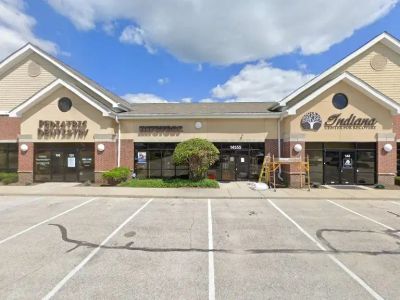

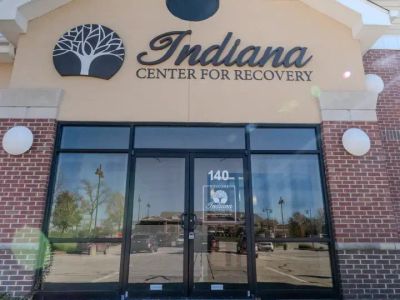
Indiana Center For Recovery - Alcohol & Drug Rehab Center Carmel
Carmel, Indiana
14555 Hazel Dell Pkwy #140, Carmel, IN 46033



Addiction Rehab Centers - ARC | Drug & Alcohol Rehab - Addiction Treatment in Indianapolis, IN
Indianapolis, Indiana
7322 Noel Rd, Indianapolis, IN 46278
Get Personalized Rehab Matches in 60 Seconds
Tell us a few details and we’ll show a personalized shortlist of verified Indiana rehabs, making it simple to compare options and choose your next step with confidence.

CleanSlate Outpatient Addiction Medicine
Noblesville, Indiana
18051 River Rd Suite 101, Noblesville, IN 46062
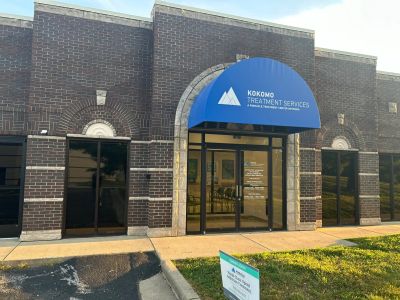
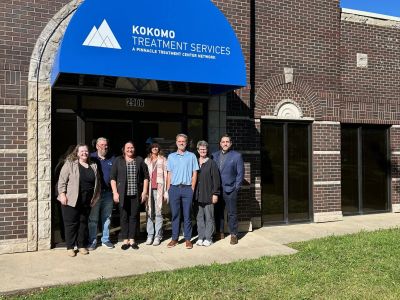
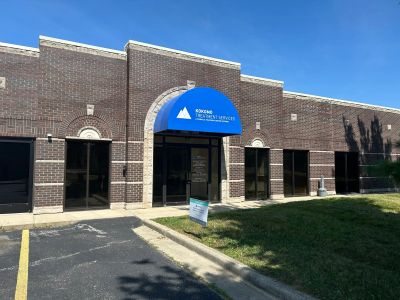
Pinnacle Treatment Centers - Kokomo
Kokomo, Indiana
2906 S. Reed Rd. Kokomo, IN 46902
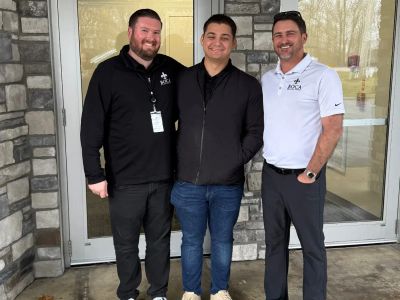
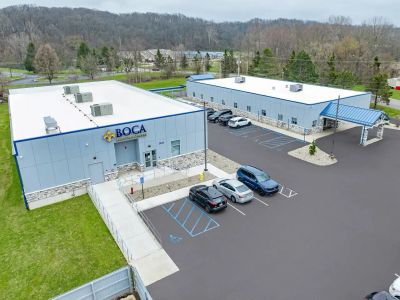

Boca Recovery Center - Indiana Drug and Alcohol Rehab
Huntington, Indiana
3040 W Park Dr, Huntington, IN 46750

Cardinal Recovery
Franklin, Indiana
1130 West Jefferson St, Franklin, IN, 46131
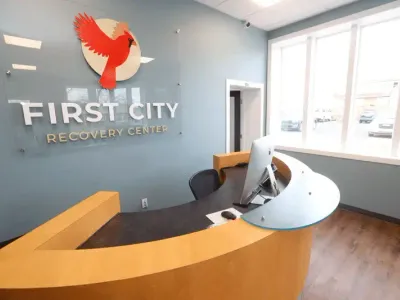

First City Recovery Center
Kokomo, Indiana
317 W Jefferson St, Kokomo, IN, 46901



Addiction Rehab Centers - ARC
Indianapolis, Indiana
7322 Noel Road, Indianapolis, IN, 46278



Recovery Centers of America at Indianapolis
Indianapolis, Indiana
8530 Township Line Rd, Indianapolis, IN 46260
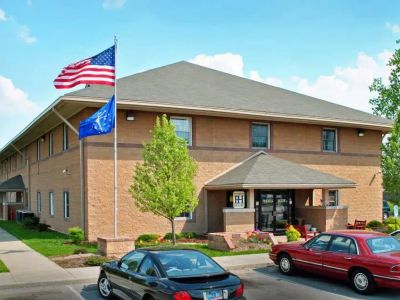

Aspire Indiana Health - Progress House
Indianapolis, Indiana
201 Shelby St., Indianapolis, IN, 46202
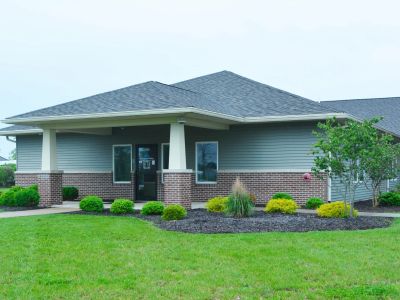

Pinnacle Treatment Centers - Cambridge City
Cambridge City, Indiana
2060 State Road 1 North, Cambridge City, IN, 47327

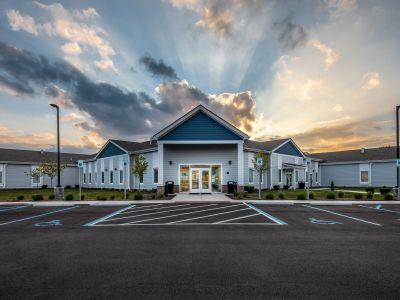

Recovery Works Martinsville
Martinsville, Indiana
504 Grand Valley Blvd, Martinsville, IN 46151

Addiction Treatment Indianapolis
Indianapolis, Indiana
2401 Directors Row, Indianapolis, IN 46241
Pinnacle Treatment Centers - 2209 John R Wooden Drive
Martinsville, Indiana
2209 John R Wooden Drive, 3rd Floor Martinsville, IN 46151
Centerstone - Foster Care Services
New Castle, Indiana
3337 South State Rd 3 New Castle, IN 47362
Pinnacle Treatment Centers - 581 E. Main Street
Hagerstown, Indiana
581 E. Main Street Hagerstown, IN 47346
Why Trust Indiana Rehabs
As Hoosiers helping Hoosiers, we understand the unique challenges our communities face. Our team meticulously verifies every Indiana treatment center, ensuring you find trusted, local care that truly understands your journey.
About our listingsLevels of Care
Explore popular treatment options by levels of care, from flexible treatment in Outpatient centers to intensive care in Residential rehabs.
Free · 24/7 · Confidential
Talk to a Treatment Specialist
Call now to get matched with Indiana facilities that accept your insurance.
(888) 568-9930
Free
Ins. check
4.9★
Rating
HIPAA
Protected
Can't travel to a facility?
Licensed Indiana therapists via secure video — same-week appointments, evenings & weekends available.
Do you ever feel like you’re fighting the same cravings or reactions on a loop, almost like you’re stuck on autopilot and not really steering the wheel? It’s an exhausting place to be, watching yourself repeat patterns and wishing you could just pause for a moment of real control. Mindfulness can gently shift that dynamic, not by forcing your mind to go blank, but by helping you notice your thoughts and urges without letting them run the show. With practice, that small shift can open up a whole new, practical way forward on your journey to lasting recovery.

What Is Mindfulness?
At its core, mindfulness is simply the practice of paying attention to the present moment on purpose, and without judgment. It’s not about emptying your mind or stopping your thoughts, which is an impossible task. Instead, it’s about changing your relationship with your thoughts. Imagine you’re sitting on a grassy hill, watching clouds drift across the sky. Some are light and fluffy, others are dark and stormy. These clouds are like your thoughts and feelings. Mindfulness teaches you to just watch them pass by, noticing their shape and texture without having to climb onto each one and get carried away by the storm.
This practice of non-judgmental awareness is a game-changer in addiction recovery. So much of addiction is driven by automatic, almost unconscious reactions to triggers. A stressful feeling arises, and the immediate impulse is to use a substance to numb it. Mindfulness helps you create a small, powerful pause between that trigger and your reaction. In that pause, you have a choice. You can notice the craving, acknowledge the feeling of anxiety or sadness without judging yourself for it, and then decide how you want to respond. This simple act of awareness is the first step toward breaking free from old habits and building a new foundation for your recovery. It's a key component of many evidence-based treatment programs designed to support long-term healing[1].
Types of Mindfulness-Based Interventions
When you hear about a mindfulness based rehab program, it’s helpful to know that this isn’t a single, one-size-fits-all method. Rather, it’s a family of proven, evidence-based therapies that all share the core principles of mindfulness. Clinicians thoughtfully integrate these approaches into comprehensive treatment plans, tailoring them to fit your specific needs and challenges. Each type offers a unique focus, but they all work toward the same goal: helping you build the awareness and skills needed for lasting sobriety.
Mindfulness-Based Stress Reduction
Mindfulness-Based Stress Reduction (MBSR) is one of the original and most well-known mindfulness programs. Often structured as an eight-week course, MBSR was initially developed to help people manage chronic pain and illness, but its benefits for overall well-being quickly became clear. The primary focus of MBSR is to reduce stress and increase your awareness of how you habitually react to it. You’ll learn practical skills through guided meditation, gentle yoga, and a technique called the "body scan," where you bring focused, non-judgmental attention to different parts of your body. This helps you reconnect your mind and body, making you more attuned to the physical signs of stress before they become overwhelming.
Mindfulness-Based Cognitive Behavioral Therapy
Mindfulness-Based cognitive behavioral therapy (MBCT) is a powerful blend of mindfulness practices and the principles of cognitive behavioral therapy (CBT). While traditional CBT helps you identify and challenge negative thought patterns, MBCT adds another layer: it teaches you to observe these thoughts without getting entangled in them[2]. This approach has proven especially effective for people struggling with recurring depression or anxiety, which often co-occur with substance use disorders. In recovery, MBCT helps you recognize the familiar, spiraling thoughts that can trigger a relapse and gives you the tools to step back, see them for what they are, just thoughts, and prevent them from dictating your actions.
Dialectical Behavioral Therapy
Mindfulness is a cornerstone of Dialectical Behavioral Therapy (DBT), a treatment originally designed to help people with borderline personality disorder but now widely used for various conditions, including addiction. DBT uses mindfulness to help you build skills in four key areas: emotional regulation, distress tolerance, interpersonal effectiveness, and of course, core mindfulness itself. By practicing mindfulness, you learn to better manage intense emotions, tolerate painful situations without making them worse, and communicate your needs more effectively in relationships. For many in recovery, these skills are essential for navigating the day-to-day challenges that can threaten sobriety.
Acceptance and Commitment Therapy
acceptance and commitment therapy (ACT) takes a slightly different approach. Instead of trying to change or eliminate difficult thoughts and feelings, ACT uses mindfulness to help you accept their presence without a struggle. The idea is that fighting with your own inner experience is exhausting and often counterproductive. ACT teaches you to make room for discomfort while focusing your energy on what truly matters to you. Through mindfulness and other exercises, you’ll identify your core values and commit to taking actions that align with them, even when it’s hard. This helps you build a rich, meaningful life in recovery, driven by your values rather than by the avoidance of pain.

What Are the Benefits of Mindfulness?
It’s one thing to understand what mindfulness is, but it’s another to see how it can truly transform your recovery. The good news is that the benefits aren’t just anecdotal; they’re backed by a growing body of scientific evidence. Research consistently shows that mindfulness-based practices can lead to significant improvements in mental and emotional health, which are crucial for overcoming addiction[3]. These therapies are effective in reducing symptoms of anxiety, stress, and depression, all common triggers for substance use[2]. By integrating mindfulness into your life, you’re not just stopping a negative behavior; you’re building a positive foundation for a healthier future.
Improve Emotional Regulation
One of the biggest challenges in early recovery is learning how to handle difficult emotions without turning to substances. Feelings like anger, sadness, shame, or anxiety can feel overwhelming, and the old habit was to numb them. Mindfulness teaches you a new way to relate to these feelings. Instead of running from them, you learn to sit with them, observe them with curiosity, and allow them to pass without letting them take over. This practice builds incredible emotional resilience and maturity, giving you the confidence to know that you can handle whatever life throws your way. You can learn more about developing skills for emotional regulation as part of a comprehensive treatment plan.
Reduce Rumination
Do you ever find your mind getting stuck in a loop, replaying past mistakes or worrying endlessly about the future? This is called rumination, and it’s a major source of distress that can easily lead to cravings. These repetitive negative thoughts, often rooted in guilt and shame, can feel impossible to escape. Mindfulness provides a gentle but powerful tool to break this cycle. Through practice, you become better at noticing when you’re caught in a thought loop. Once you see it happening, you can consciously choose to redirect your attention back to the present moment, to the feeling of your breath, the sounds around you, or the sensation of your feet on the ground. This simple shift breaks the momentum of rumination and brings you back to a place of calm.
Enhance Well-Being
Recovery is about more than just not using; it's about building a life that feels genuinely good and fulfilling. Mindfulness supports this by helping you reconnect with the simple joys of everyday life. When you’re constantly lost in thought, you miss out on the small, positive moments that are happening right in front of you. By practicing present-moment awareness, you start to notice things again: the taste of your morning coffee, the warmth of the sun, a kind word from a friend. This enhanced awareness naturally cultivates a sense of gratitude and overall life satisfaction, which are vital for long-term sobriety. It's a key part of many holistic treatment programs that focus on healing the whole person.
Find Your Path to Mindful Recovery in Indiana
Understanding what mindfulness is and how it can help is the first step. The next is finding a program where you can put these powerful tools into practice. A mindfulness based rehab offers more than just a path to sobriety; it provides a new way of relating to yourself and the world around you, building a foundation for a resilient and fulfilling life in recovery. Finding the right fit is a crucial part of this journey, and you don’t have to do it alone.
For Hoosiers ready to take that next step, there are trusted resources available. The state of Indiana provides official channels to help you locate licensed addiction treatment services[4]. Additionally, support networks like the Fletcher Group's Indiana resources can connect you with recovery housing and other essential services. Our directory of mindfulness based rehab programs in Indiana is here to help you explore local, high-quality treatment centers that can guide you on your path to mindful recovery.
Making the decision to seek help is a courageous one, and you deserve support that is both compassionate and effective. Mindfulness offers a gentle, evidence-based path to reclaim control, find peace in the present moment, and build a lasting recovery. If you’re ready to explore how these practices can fit into your journey, the team at Indiana Rehabs is here to help. You can call us anytime at (888) 568-9930 or use our confidential contact form to connect with a treatment provider today. Reaching out is the first step toward a more aware and empowered future.
Frequently Asked Questions About Mindfulness in Addiction Recovery
Is mindfulness just meditation?
How can mindfulness help with addiction cravings?
Do I have to be religious or spiritual to practice mindfulness?
How is mindfulness different from just trying to relax?
What if I find it hard to sit still and be quiet?
How long does it take to get good at mindfulness?
- (02-09-2024). Evidence-based practices resource center. Substance Abuse and Mental Health Services Administration. samhsa.gov
- Al-Harbi, A. A. et al. (March, 2024). Mindfulness-based cognitive therapy in clinical practice: A scoping review. Cureus. ncbi.nlm.nih.gov
- Indiana Wesleyan University. (n.d.). Mind-body interventions: The science behind meditation, yoga, and mindfulness. Indiana Wesleyan University. indwes.edu
- Indiana Division of Mental Health and Addiction. (n.d.). Find addiction treatment. Indiana Family and Social Services Administration. in.gov