Therapeutic Community (TC) Model Rehab Programs

Showing 11 of 11 Results (filtered)
Featured Rehab Centers

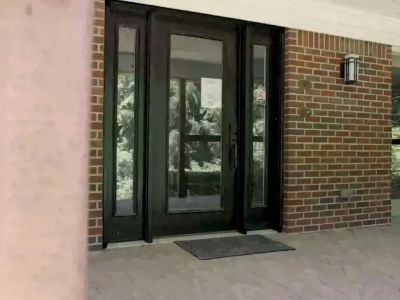
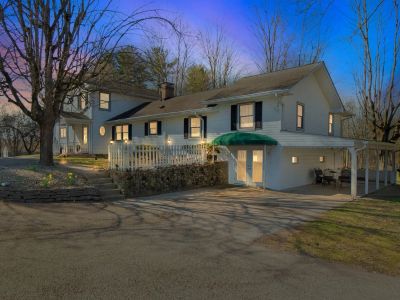
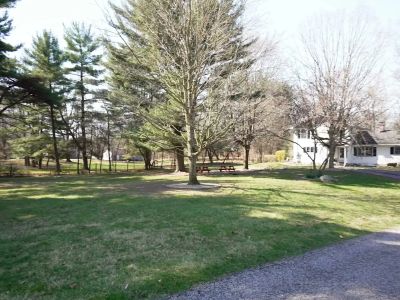
Addiction Rehab Centers - ARC at Fox Hill | Drug & Alcohol Rehab - Mooresville Indiana
Mooresville, Indiana
12168 N Mann Rd, Mooresville, IN 46158

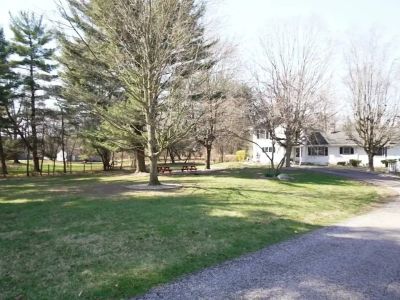
Addiction Rehab Centers - ARC | Drug & Alcohol Rehab - Addiction Treatment in Indianapolis, IN
Indianapolis, Indiana
7322 Noel Rd, Indianapolis, IN 46278
Get Personalized Rehab Matches in 60 Seconds
Tell us a few details and we’ll show a personalized shortlist of verified Indiana rehabs, making it simple to compare options and choose your next step with confidence.
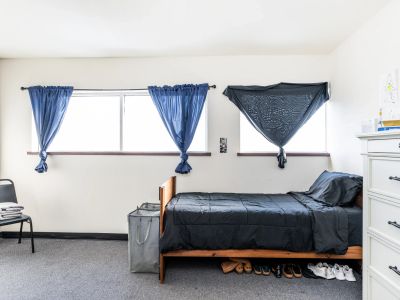
Cardinal Recovery
Franklin, Indiana
1130 West Jefferson St, Franklin, IN, 46131
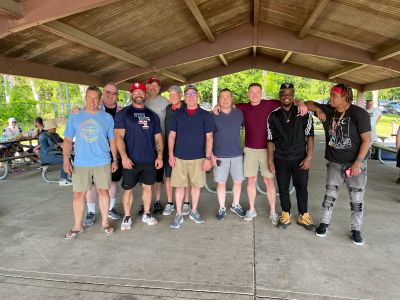


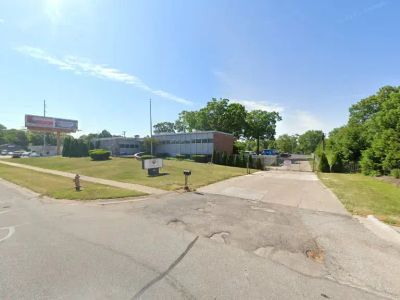
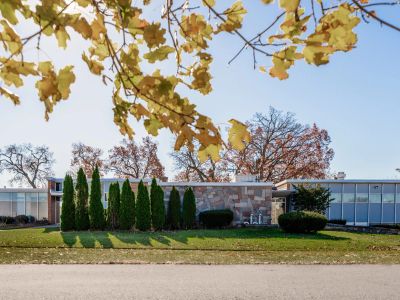
Recovery Centers of America at Indianapolis
Indianapolis, Indiana
8530 Township Line Rd, Indianapolis, IN 46260
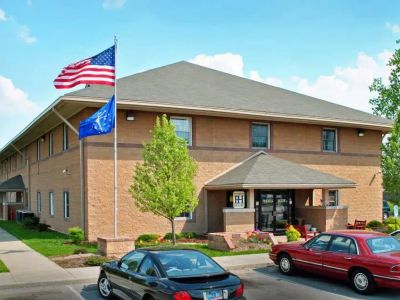
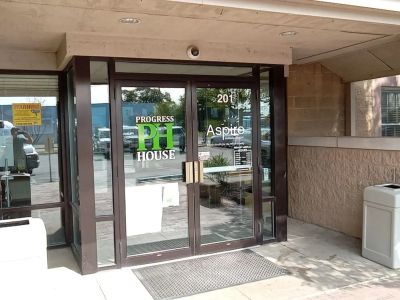
Aspire Indiana Health - Progress House
Indianapolis, Indiana
201 Shelby St., Indianapolis, IN, 46202
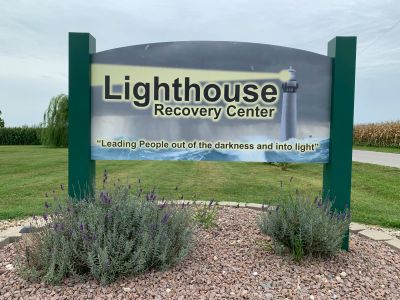
LightHouse Recovery Center
Washington, Indiana
313 East Main Street, Washington, IN, 47501
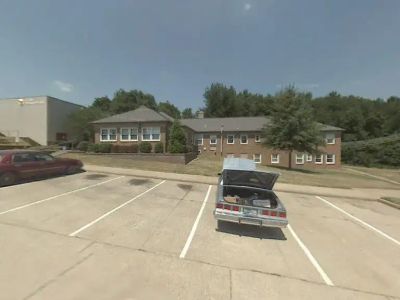
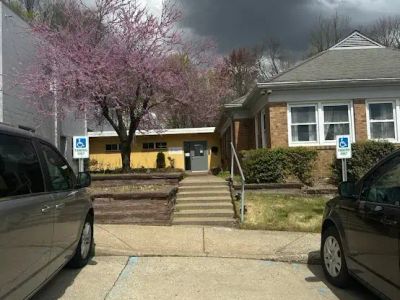
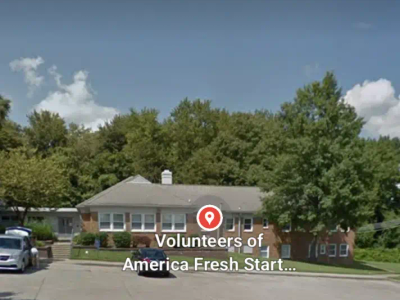
Volunteers of America - Fresh Start Recovery Center at Evansville House
Evansville, Indiana
1351 W. Buena Vista Road, Evansville, Indiana 47710
Pinnacle Treatment Centers - 2209 John R Wooden Drive
Martinsville, Indiana
2209 John R Wooden Drive, 3rd Floor Martinsville, IN 46151
Centerstone - Foster Care Services
New Castle, Indiana
3337 South State Rd 3 New Castle, IN 47362
Pinnacle Treatment Centers - 581 E. Main Street
Hagerstown, Indiana
581 E. Main Street Hagerstown, IN 47346
Why Trust Indiana Rehabs
As Hoosiers helping Hoosiers, we understand the unique challenges our communities face. Our team meticulously verifies every Indiana treatment center, ensuring you find trusted, local care that truly understands your journey.
About our listingsLevels of Care
Explore popular treatment options by levels of care, from flexible treatment in Outpatient centers to intensive care in Residential rehabs.
Free · 24/7 · Confidential
Talk to a Treatment Specialist
Call now to get matched with Indiana facilities that accept your insurance.
(888) 568-9930
Free
Ins. check
4.9★
Rating
HIPAA
Protected
Can't travel to a facility?
Licensed Indiana therapists via secure video — same-week appointments, evenings & weekends available.
When you start looking into addiction treatment, it’s easy to feel lost in a maze of unfamiliar names and approaches. Not every place that calls itself a “rehab” works the same way, and that can leave you wondering what really sets them apart. What if the key to recovery wasn’t just about attending therapy sessions, but about completely transforming your surroundings and the community you’re in? By understanding what makes therapeutic community rehab unique, you’ll be better equipped to choose a path that offers true, lasting support.

The difference between a therapeutic community & drug rehab
At its heart, a therapeutic community (TC) is a treatment model built on a simple but powerful idea: the community itself is the primary method for healing. Instead of just being a place where you receive therapy, the entire environment, from daily chores and group meetings to peer interactions, is designed to help you change[1]. It’s an immersive, peer-driven approach where recovery is a shared, 24/7 experience.
In contrast, traditional drug rehabs often follow a more clinical, structured model. While they also use group and individual therapy, the focus is typically on sessions led by licensed professionals like counselors and therapists. The distinction between patient and provider is clearer, and the treatment often happens within scheduled hours, much like a medical clinic. While both models aim for recovery from addiction, their methods and environments are fundamentally different.
Approach to Treatment
In a therapeutic community, treatment isn't something that just happens in an office. The entire day is part of the healing process. Learning and growth come from everyday interactions, shared responsibilities, and social activities. The "community as method" philosophy means that residents and staff are all active participants, working together to create an environment of change. This peer support system is the foundation of the treatment approach, helping individuals learn to live a different, healthier way of life through real-world practice.
Traditional rehab programs are usually more structured around a set schedule. Your day might be organized with specific blocks of time for individual therapy, various types of addiction treatment programs, and educational classes. While very effective, this approach creates a clearer line between the "patient" receiving care and the professional "provider" who delivers it. The focus is on targeted sessions designed to address specific aspects of addiction, rather than the continuous, immersive experience of a TC.
Behavioral Support
One of the most unique aspects of a therapeutic community is how it handles behavioral support. Instead of waiting for a weekly therapy session, behaviors are addressed in real-time through peer feedback. The community holds each other accountable. There's often a hierarchical structure where individuals earn more responsibilities and privileges as they demonstrate positive changes and progress in their recovery. This system helps residents model healthy behaviors and develop leadership skills, making them active agents in their own and others' healing.
In a traditional rehab setting, behavioral support is typically delivered through evidence-based therapies during scheduled sessions. A licensed therapist might use cognitive behavioral therapy (CBT) or dialectical behavior therapy (DBT) to help you identify and change negative thought patterns and behaviors. This professional, one-on-one guidance is a cornerstone of the clinical model, providing expert support in a confidential setting.
Length of Stay
The commitment to a therapeutic community program is significant. These are long-term programs, with a typical length of stay ranging from six to 18 months, and sometimes even longer. This extended duration isn't arbitrary; it's designed to provide the time needed to unlearn deep-seated behaviors and build a completely new, pro-social lifestyle from the ground up[2]. It’s a marathon, not a sprint, focused on lasting transformation.
Many traditional drug rehab programs, on the other hand, operate on shorter, more defined timelines. You'll commonly see programs lasting 28, 60, or 90 days. These shorter stays can be very effective for many individuals, offering intensive, focused care that can fit more easily into their lives. The goal is often stabilization and equipping individuals with the initial tools they need for recovery before they transition to a lower level of care or aftercare program.

Success Rate
When you’re considering any kind of treatment, you want to know: does it work? Research into the effectiveness of TCs shows promising outcomes. Studies have found that therapeutic communities can have a high success rate, particularly for those who complete the program. The longer an individual stays engaged with the program, the better their chances are for long-term recovery and abstinence.
But success in recovery is about more than just staying sober. A key strength of the therapeutic community rehab model is its focus on whole-person change. Research shows that graduates of TCs often see significant improvements in other areas of their lives. For example, one study found that participants had better employment outcomes and fewer legal problems compared to those in other treatment models[2]. Another study highlighted that individuals developed greater resilience and made positive lifestyle changes that supported their overall well-being[3]. This holistic approach helps build a foundation for a stable, productive, and fulfilling life after treatment.
Conclusion: Where Should You Go?
Choosing the right path for addiction treatment is a deeply personal decision, and there’s no single "best" answer for everyone. The key is to find the program that aligns with your history, needs, and goals for recovery.
A therapeutic community might be the right fit if you've struggled with chronic relapse, have a history with the legal system, or feel that you need a complete environmental and lifestyle overhaul to succeed. The long-term, immersive nature of a TC provides the time and peer support needed to rebuild your life from the ground up. This model is also highly effective for individuals with co-occurring mental health and substance abuse disorders, offering an integrated community to heal in[4].
On the other hand, a traditional drug rehab program could be a better option if you have strong family and work commitments that make a long-term stay difficult. The structured, professional-led therapy in a 30, 60, or 90-day program can provide the intensive skills you need to manage your addiction while preparing for a return to your daily life. These programs excel at providing focused, evidence-based care in a shorter timeframe.
Making an informed decision is the most important step you can take. Understanding these different treatment options empowers you to choose a program that feels right for you. If you're ready to explore what's available, you can start by looking at licensed facilities right here in Indiana to find a supportive community for your recovery journey.
Ultimately, the choice between a therapeutic community and a traditional rehab center depends on what you need most right now. Both paths can lead to lasting recovery. The most important thing is to take that first step. If you're feeling overwhelmed or just need someone to talk to about your options, please don't hesitate to call us at (888) 568-9930. At Indiana Rehabs, we’re here to help you understand the different types of care available and connect you with the support you deserve. You can also contact us through our website to begin the conversation. You don’t have to figure this out alone.
Frequently Asked Questions About Therapeutic Community Rehab
Is a therapeutic community a type of inpatient rehab?
What is the difference between a therapeutic community and sober living?
What's a typical day like in a therapeutic community?
Can you work while in a therapeutic community program?
- De Leon, G. (August, 2020). The Therapeutic Community: A unique social psychological method for treating addiction and related disorders. International Journal of Environmental Research and Public Health. pmc.ncbi.nlm.nih.gov
- Vanderplasschen, W., et al. (2013-01-15). Therapeutic Communities for Addictions: A Review of Their Effectiveness. Journal of Psychoactive Drugs. pmc.ncbi.nlm.nih.gov
- Sirili, N., et al. (November, 2022). Effectiveness of therapeutic community program on resilience and positive change of lifestyle in people with alcohol use disorder. International Journal of Environmental Research and Public Health. pmc.ncbi.nlm.nih.gov
- CrimeSolutions, National Institute of Justice. (2021-09-29). Modified Therapeutic Community for Individuals With Mental Illness and Chemical Abuse (MICA) Disorders. U.S. Department of Justice. crimesolutions.ojp.gov