
Crisis Stabilization in Indiana



Showing 20 of 132 Results (filtered)
Featured Rehab Centers

1525 West Harrison street, Plymouth, IN 46563

91 West Mound Street, Nashville, IN 47448


Addiction Rehab Centers - ARC at Fox Hill | Drug & Alcohol Rehab - Mooresville Indiana
Mooresville, Indiana
12168 N Mann Rd, Mooresville, IN 46158
Get Personalized Rehab Matches in 60 Seconds
Tell us a few details and we’ll show a personalized shortlist of verified Indiana rehabs, making it simple to compare options and choose your next step with confidence.

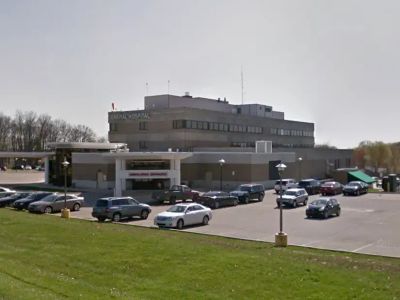

1185 County Rd 1000 W, Linton, IN 47441

Crossroads Healing Center - Addiction & Mental Health Treatment in Indiana
Connersville, Indiana
450 Erie Ave, Connersville, IN 47331

INcompass Healthcare - Pearl Street
Vevay, Indiana
513 Pearl street, Vevay, IN 47043
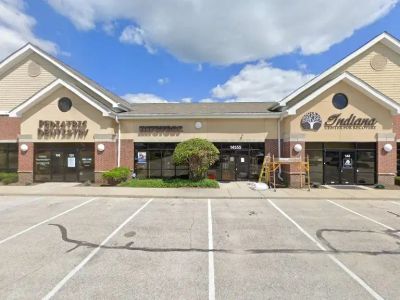

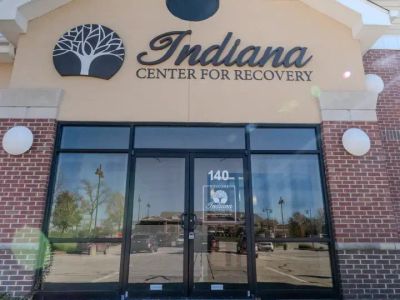
Indiana Center For Recovery - Alcohol & Drug Rehab Center Carmel
Carmel, Indiana
14555 Hazel Dell Pkwy #140, Carmel, IN 46033
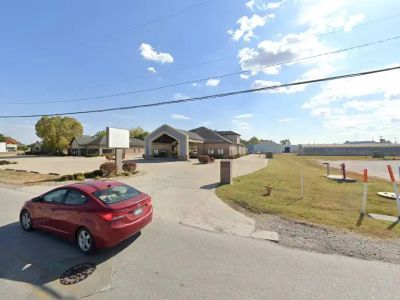


Indiana Center For Recovery- Alcohol & Drug Rehab Terre Haute
Terre Haute, Indiana
135 E Hospital Ln, Terre Haute, IN 47802



Boca Recovery Center - Fort Wayne, Indiana
Fort Wayne, Indiana
111 W Berry St #211, Fort Wayne, IN 46802



Boca Recovery Center - Indiana Drug and Alcohol Rehab
Huntington, Indiana
3040 W Park Dr, Huntington, IN 46750
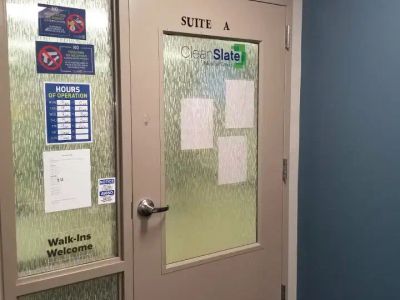
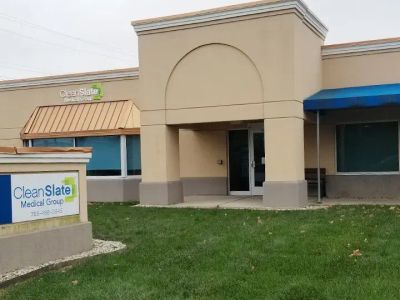
CleanSlate Outpatient Addiction Medicine
Richmond, Indiana
2302 Chester Blvd A, Richmond, IN 47374

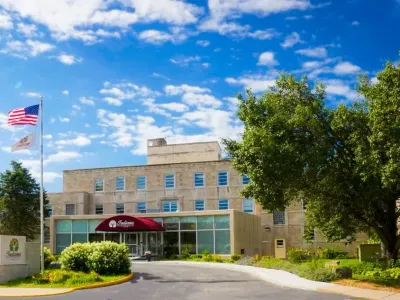

Indiana Center for Recovery - Alcohol & Drug Rehab Center Bedford
Bedford, Indiana
1600 23rd St, Bedford, IN 47421

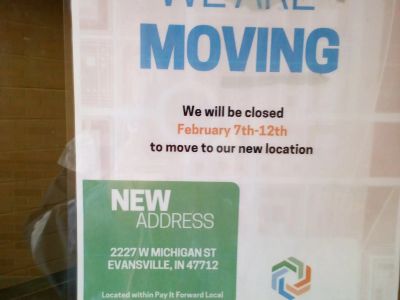

Southwestern Behavioral Healthcare - School Based Services
Evansville, Indiana
414 SE 4th St, Evansville, IN, 47714


Centerstone Recovery Center
Bloomington, Indiana
809 W 1st St, Bloomington, IN 47403
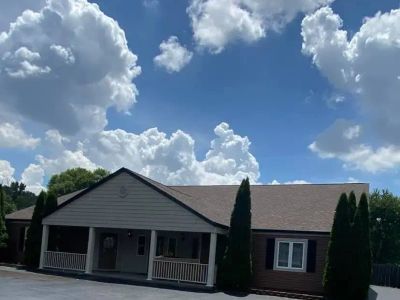
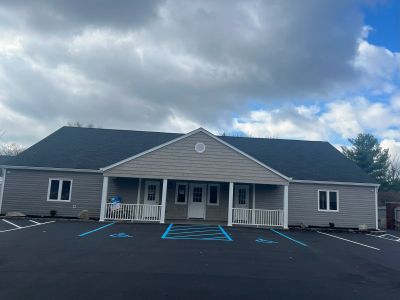
Sunrise Recovery - Drug and Alcohol Outpatient Rehab in Jeffersonville
Jeffersonville, Indiana
1505 Allison Ln, Jeffersonville, IN 47130


Centerstone Recovery Transitional Housing
Lexington, Indiana
2520 Parker Ln, Lexington, IN 47138
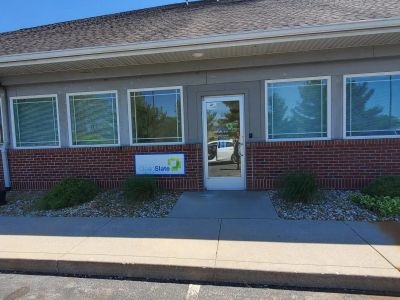

CleanSlate Outpatient Addiction Medicine Elkhart
Elkhart, Indiana
Park Ave, Elkhart, IN 46516


215 W 4th St, Mishawaka, IN 46544

CleanSlate Outpatient Addiction Medicine
Lafayette, Indiana
30 Professional Ct #2A, Lafayette, IN 47905

Centerstone - Madison
Madison, Indiana
3008 North Bevcher Street, Madison, IN 47250
Why Trust Indiana Rehabs
As Hoosiers helping Hoosiers, we understand the unique challenges our communities face. Our team meticulously verifies every Indiana treatment center, ensuring you find trusted, local care that truly understands your journey.
About our listingsLevels of Care
Explore popular treatment options by levels of care, from flexible treatment in Outpatient centers to intensive care in Residential rehabs.
Free · 24/7 · Confidential
Talk to a Treatment Specialist
Call now to get matched with Indiana facilities that accept your insurance.
(888) 568-9930
Free
Ins. check
4.9★
Rating
HIPAA
Protected
Can't travel to a facility?
Licensed Indiana therapists via secure video — same-week appointments, evenings & weekends available.
When a mental health crisis hits, it can feel like the ground is shifting beneath your feet, every option is blurry, and just finding a place to turn feels overwhelming. Maybe you’re scared or completely spent, worried that you or someone you love might fall through the cracks. But in Indiana, you don’t have to face this moment alone or rush to a crowded emergency room for help. Dedicated crisis stabilization services are here, offering calm, focused care when you need it most.
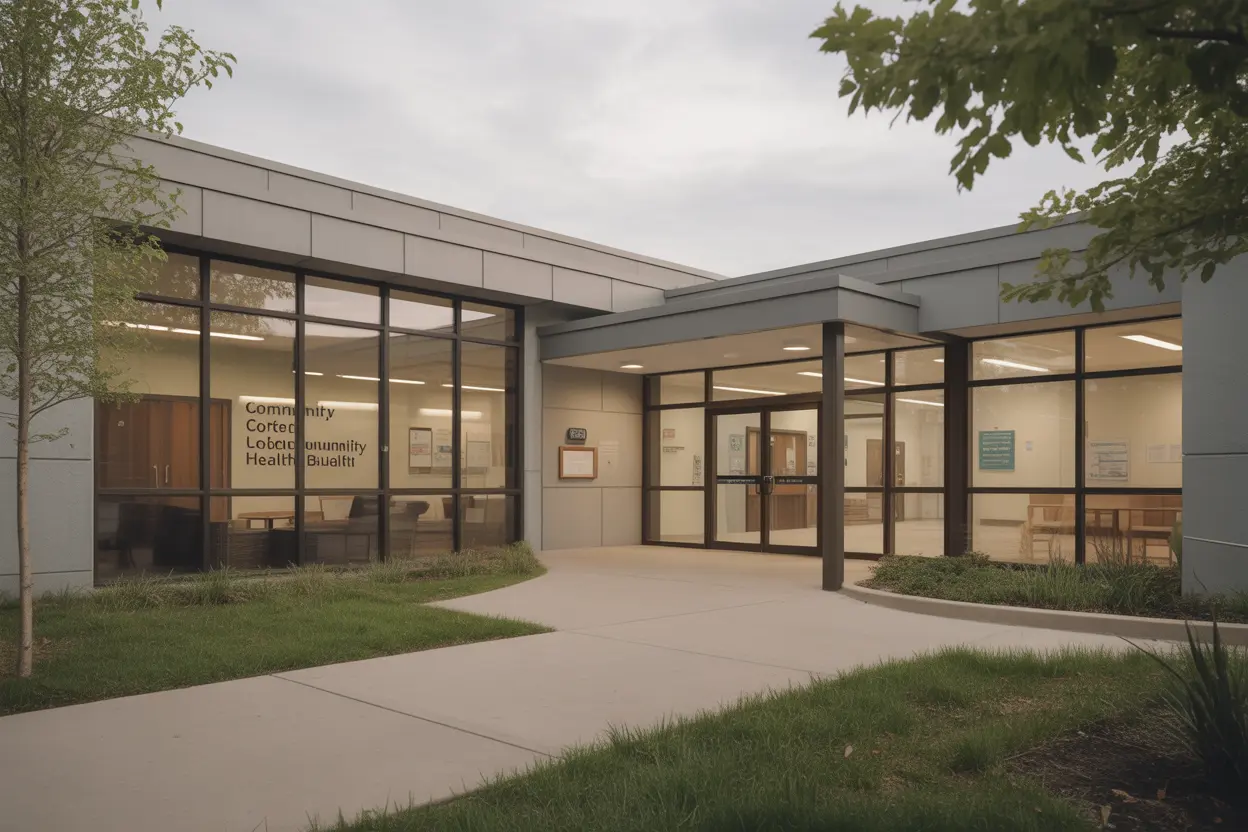
Crisis Stabilization Services
When you're facing a behavioral health crisis, you need immediate, focused support. That's exactly what crisis stabilization services provide. Think of them as short-term, intensive programs designed to help you regain your footing in a safe, supportive environment. Unlike a chaotic emergency room, this level of care offers a less restrictive alternative to hospitalization.
The primary goals are to de-escalate the immediate crisis, ensure you and those around you are safe, and create a clear path toward long-term treatment and recovery[1]. It’s all about providing compassionate stabilization now so you can connect with ongoing support for lasting wellness[2]. These specialized crisis services are built to help you find calm and clarity.
Adult and Children's Crisis Response Services
In Indiana, crisis support isn't a one-size-fits-all solution. Help is available in different forms to meet the unique needs of an adult or youth in distress. Whether it’s bringing support directly to your door or providing a safe space to recover, the goal is to offer the right level of care at the right time. The two most common models are mobile crisis response teams and crisis stabilization units.
Mobile Crisis Response
A mobile crisis response team is a group of trained mental health professionals who can travel to you, wherever you are in the community, be it at home, school, or work. The biggest benefit of this service is meeting you in a familiar environment. This approach helps the team de-escalate the situation on-site, reducing the need for emergency room visits or hospitalization[3]. The response is quick, compassionate, and focused on your immediate safety.
Crisis Stabilization Unit (CSU)
A Crisis Stabilization Unit, or CSU, is a small, short-term residential facility that offers a safe and highly supportive setting to stabilize. It’s a step away from home but is far less intensive and more welcoming than a hospital psychiatric ward. In a CSU, you can receive 24/7 monitoring and care to help you work through the immediate behavioral health crisis in a controlled, therapeutic environment[2].
Eligible Members
These services are here for any adult or youth experiencing a mental health crisis. This can include having thoughts of self-harm, feeling a disconnect from reality, or being unable to care for your basic needs. Specialized programs are also available for individuals with developmental or intellectual disabilities. While not every facility provides detox, some units are equipped to offer medically supervised detoxification for those with co-occurring substance use disorders[4]. The focus is on getting each person the specific care they need.
Crisis Assessment

Walking into a crisis situation can feel uncertain, but the assessment process is structured to be as clear and supportive as possible. It’s a collaborative effort to understand what’s going on and build a plan to help you feel better. Here’s what you can generally expect:
- Initial Contact & Triage: The first step is a conversation to understand the immediate situation and ensure everyone's safety.
- Comprehensive Assessment: A caring professional will talk with you to understand your medical, psychological, and social history. This helps create a full picture of your needs.
- Intervention & Stabilization: You’ll receive immediate support, which may include evidence-based therapies and peer support groups, to help you stabilize.
- Care Coordination: A key part of the process is creating a crisis treatment plan for what comes next. The team works with you to coordinate referrals and connect you to the right long-term mental health services[5]. A thorough assessment ensures your treatment plan is tailored to you.
How do I engage Intensive Crisis Stabilization Services and the Mobile Crisis Response?
Getting help should be straightforward. If you or someone you know is in crisis, the fastest way to connect with support is by calling or texting 988. This will connect you to Indiana's 988 Crisis and Suicide Lifeline and dispatch a mobile crisis team if needed. Don't worry about payment, these services are often covered by Medicaid or other state funds, ensuring that inability to pay is not a barrier to getting help[3]. While most admissions are voluntary, courts can sometimes order a person into a program if they are a danger to themselves or others.
Your Next Steps for Support in Indiana
Remember, stabilization is the crucial first step on the path to recovery. The main goal of these services is to build a bridge from the immediate crisis to ongoing, long-term care that supports your lasting wellness[1]. Once you're feeling stable, our directory can help you find ongoing mental health services and community resources in Indiana. If you or someone you know needs help right now, please call or text 988 immediately.
Taking that first step is the hardest part, but you don’t have to do it alone. The right support system can make all the difference in navigating from crisis to recovery. At Indiana Rehabs, we are here to help you find the compassionate, professional care you deserve. If you're ready to explore treatment options or just need someone to talk to, please call us at (888) 568-9930 or explore our contact page for more ways to get in touch. A brighter, more stable future is possible, and it starts with reaching out.
Frequently Asked Questions About Crisis Services in Indiana
How long does crisis stabilization last?
What kind of therapy is offered during crisis stabilization?
What happens after crisis stabilization ends?
What if I can't afford crisis care in Indiana?
Can I check myself into a crisis stabilization unit voluntarily?
How can I support a loved one who is in a mental health crisis?
- (n.d.). Mental Health America of Indiana Strategic Plan 2021 - 2025. Mental Health America of Indiana. mhai.net
- U.S. Department of Health and Human Services, Office of the Assistant Secretary for Planning and Evaluation. (n.d.). INDIANA | State Residential Treatment for Behavioral Health Conditions. U.S. Department of Health and Human Services. aspe.hhs.gov
- Indiana Health Coverage Programs. (12-12-2023). IHCP covers mobile crisis intervention services retroactive to July 1, 2023. Indiana Health Coverage Programs. in.gov
- Indiana Medicaid. (06-16-2021). Substance Use Disorder (SUD)/Serious Mental Illness (SMI) Treatment. Indiana Medicaid. in.gov
- SAMHSA. (01-15-2025). 2025 National Guidelines for a Behavioral Health Coordinated System of Crisis Care. SAMHSA. 988crisissystemshelp.samhsa.gov