Rehabs that Offer Residential Family Program

Showing 15 of 15 Results (filtered)
Featured Rehab Centers

Addiction Rehab Centers - ARC at Fox Hill | Drug & Alcohol Rehab - Mooresville Indiana
Mooresville, Indiana
12168 N Mann Rd, Mooresville, IN 46158
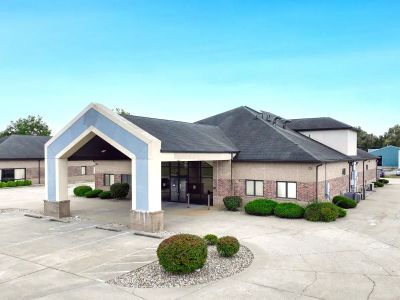
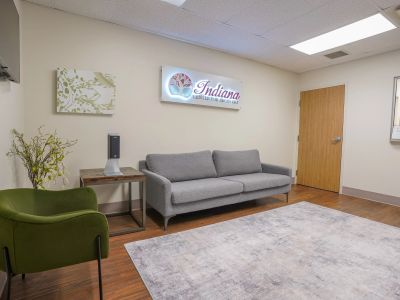
Indiana Center For Recovery- Alcohol & Drug Rehab Terre Haute
Terre Haute, Indiana
135 E Hospital Ln, Terre Haute, IN 47802
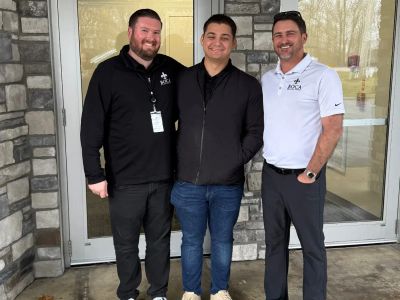
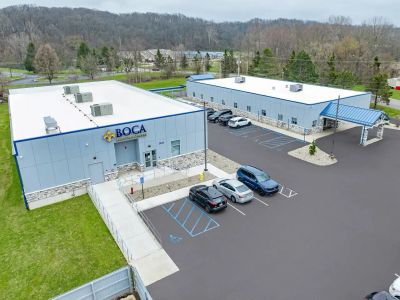

Boca Recovery Center - Indiana Drug and Alcohol Rehab
Huntington, Indiana
3040 W Park Dr, Huntington, IN 46750
Get Personalized Rehab Matches in 60 Seconds
Tell us a few details and we’ll show a personalized shortlist of verified Indiana rehabs, making it simple to compare options and choose your next step with confidence.
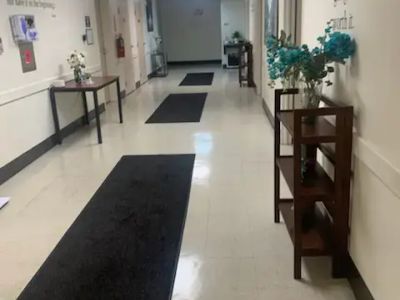
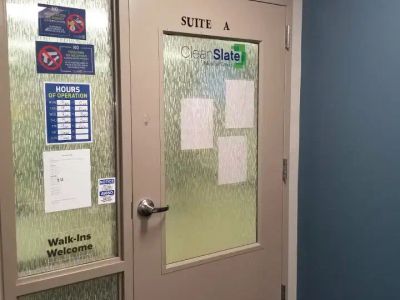
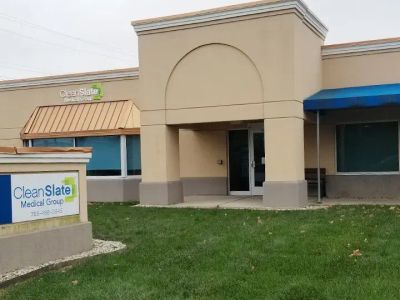
CleanSlate Outpatient Addiction Medicine
Richmond, Indiana
2302 Chester Blvd A, Richmond, IN 47374

Indiana Center for Recovery - Alcohol & Drug Rehab Center Indianapolis
Indianapolis, Indiana
5510 S Emerson Ave, Indianapolis, IN 46237
Southwestern Behavioral Healthcare - School Based Services
Evansville, Indiana
414 SE 4th St, Evansville, IN, 47714
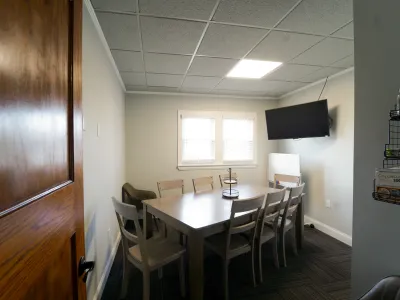
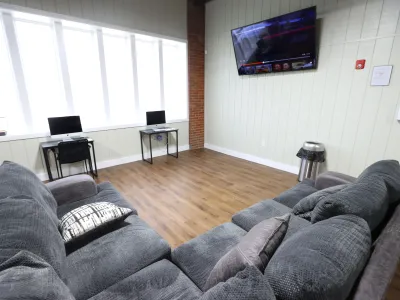
First City Recovery Center
Kokomo, Indiana
317 W Jefferson St, Kokomo, IN, 46901
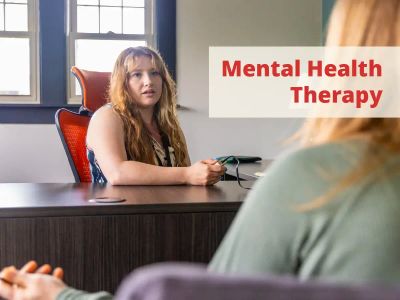


215 W 4th St, Mishawaka, IN 46544
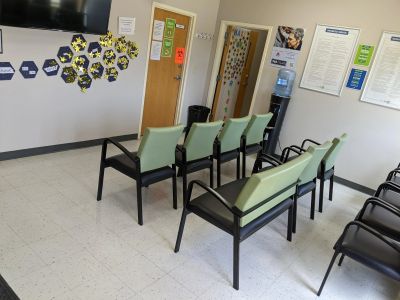
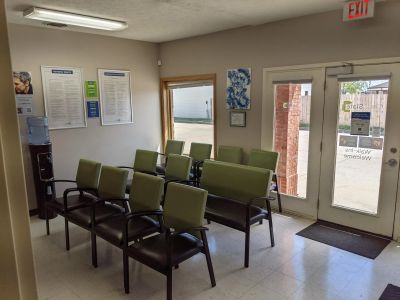

CleanSlate Outpatient Addiction Medicine
Lafayette, Indiana
30 Professional Ct #2A, Lafayette, IN 47905

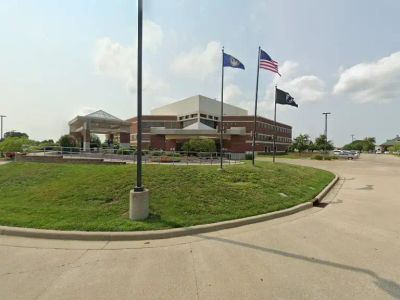
Marion VAMC - Evansville Health Care Center
Evansville, Indiana
6211 East Waterford Boulevard, Evansville, IN, 47715
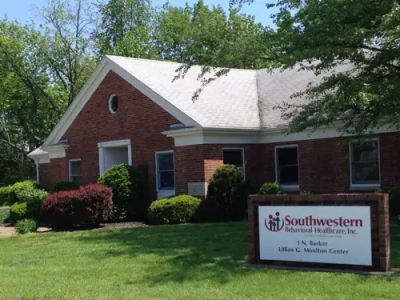
Southwestern Behavioral Healthcare - Lillian G. Moulton Center
Evansville, Indiana
1 North Barker Avenue, Evansville, IN, 47712
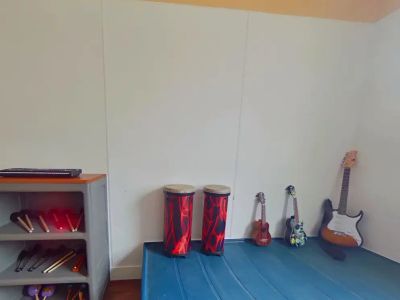
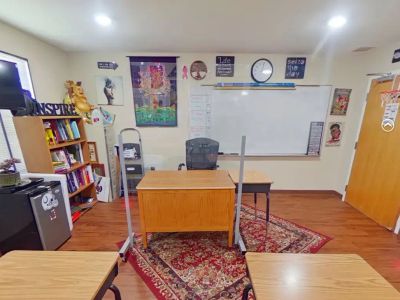
Resource Treatment Center
Indianapolis, Indiana
1404 South State Avenue, Indianapolis, IN, 46203
Pinnacle Treatment Centers - 2209 John R Wooden Drive
Martinsville, Indiana
2209 John R Wooden Drive, 3rd Floor Martinsville, IN 46151
Oxford House - Kiyo
Evansville, Indiana
1033 S Burkhardt Rd, Evansville, IN 47715
Oxford House - Joey
Terre Haute, Indiana
44 Allendale Lane, Terre Haute, IN 47802
Why Trust Indiana Rehabs
As Hoosiers helping Hoosiers, we understand the unique challenges our communities face. Our team meticulously verifies every Indiana treatment center, ensuring you find trusted, local care that truly understands your journey.
About our listingsLevels of Care
Explore popular treatment options by levels of care, from flexible treatment in Outpatient centers to intensive care in Residential rehabs.
Free · 24/7 · Confidential
Talk to a Treatment Specialist
Call now to get matched with Indiana facilities that accept your insurance.
(888) 568-9930
Free
Ins. check
4.9★
Rating
HIPAA
Protected
Can't travel to a facility?
Licensed Indiana therapists via secure video — same-week appointments, evenings & weekends available.
If you’re a parent wrestling with addiction, there’s a heart-wrenching question that might keep you up at night: do you seek the treatment you need or stay by your child’s side? It can feel like an impossible choice, heavy with guilt and fear of losing precious moments. But what if you didn’t have to choose at all? In Indiana, residential family programs make it possible to heal together, keeping families connected and giving both you and your child the chance to move forward, strengthened by each other’s support.

Family-based residential treatment programs
A residential family program is a unique form of care where parents and their children live together in a supportive, on-site facility while the parent receives treatment for a substance use disorder[1]. Unlike traditional residential care that often requires parents to be separated from their kids, this model wraps services around the entire family.
The core idea is simple but powerful: you don’t have to put your life as a parent on hold to get well. These specialized programs focus on healing the parent’s addiction while also nurturing the parent-child bond. While the parent engages in substance use disorder treatment, the program provides a safe, stable environment for the child. This approach recognizes that addiction impacts the whole family, and so should recovery. Unfortunately, very few treatment facilities nationwide are equipped to house parents with their children, making these programs a vital and all-too-rare resource[2]. The goal of this family-based recovery is to create a foundation for lasting wellness, not just for you, but for your child, too.
How can family-based residential treatment programs help reduce substance use and improve child welfare outcomes?
The impact of a parent's substance use on a child can be profound. Across the country, an estimated 8.7 million children live with at least one parent who has a substance use disorder[3]. When parental substance use is involved, children are more likely to face instability and potential placement in foster care. Family-based residential programs directly address this by creating an environment that supports both parental recovery and positive child welfare outcomes.
By keeping families together, these programs offer distinct advantages for everyone involved[4]. You can learn more about how addiction affects families and the options for family-focused care in Indiana.
Benefits for the Parent:
- Increased Motivation: Having your child with you can be a powerful daily reminder of what you’re fighting for.
- Real-Time Parenting Support: You can practice new parenting skills in a safe, supportive setting with immediate feedback and guidance.
- Reduced Guilt and Worry: Knowing your child is safe and cared for allows you to focus more fully on your own recovery.
Benefits for the Child:
- Stability and Security: The child remains with their primary attachment figure, reducing the trauma of separation.
- Strengthened Bonds: The program provides a space for healing the parent-child relationship and building healthier attachments.
- Prevents Foster Care Placement: These programs are a critical intervention that can help avoid involvement with the child welfare system.
Directory of Family-Based Residential Substance Use Disorder Treatment Programs for Parents with Children

Finding the right treatment program when you have children can feel overwhelming, especially since these specialized services are not as common as other forms of care. Capacity can be limited, and waitlists are possible. Instead of a fixed list, it’s more helpful to know what to look for when you evaluate a facility. This way, you can find a program that truly fits your family’s needs. For the most current information on available family residential services, calling for guidance is always your best first step.
When you contact a potential facility, here are the key things to ask about:
- Services Offered: Does the program provide on-site childcare, parenting classes, family therapy, and medical care for both you and your child?
- Ages of Children Accommodated: What is the age range for children who can live at the facility? Some programs are only equipped for infants and toddlers.
- Living Arrangements: What are the housing accommodations like? Will you have a private room or apartment for your family?
- Insurance and Payment: What insurance plans are accepted? Indiana Medicaid may cover these services, but it’s crucial to confirm[5].
Eligibility
Every facility has its own set of requirements for admission, so it’s important to check with each program directly. However, some common eligibility criteria often include:
- You must be the primary caregiver for one or more dependent children, often under a specific age (like 10 or 12).
- You need a diagnosed substance use disorder that meets the clinical criteria for residential level of care.
- You are typically required to be an Indiana resident.
- You and your child may need to meet certain health and safety requirements.
The process of confirming you meet the criteria is a standard part of addiction treatment admissions, and staff can walk you through every step.
Additional Resources
Choosing to enter a residential family program is a courageous step toward building a healthier future for you and your child. It’s a path that says you don’t have to sacrifice your recovery for your family, or your family for your recovery. Healing is possible, and you can do it together. If this option isn't the right fit, other services like intensive outpatient programs or transitional housing can also provide critical support while helping you care for your family[6].
You can search for state-licensed providers through the Indiana Division of Mental Health and Addiction or use national tools like SAMHSA's treatment locator to explore options. The most important thing is to reach out for help. You don't have to figure this out alone.
Remember, taking care of yourself is the best way to take care of your child. If you’re ready to learn more about your options in Indiana, our compassionate team is here to help. You can call us anytime at (888) 568-9930 for a confidential conversation. We can help you find the right path forward for your family. At Indiana Rehabs, we’re here to support you. Please don't hesitate to contact us today.
Frequently Asked Questions About Residential Family Programs in Indiana
How do I pay for a residential family program in Indiana?
What happens to my child while I'm in therapy sessions?
How long do residential family programs in Indiana last?
Can I bring more than one child with me to treatment?
Besides addiction counseling, what other support is available for parents?
Will my child also receive therapy or support?
- Indiana Family and Social Services Administration, Division of Mental Health and Addiction. (n.d.). 440 IAC 7.5: Residential living facilities for individuals being treated for psychiatric disorders or addictive disorders. Indiana Administrative Code. in.gov
- Substance Abuse and Mental Health Services Administration. (2021). National Survey of Substance Abuse Treatment Services (N-SSATS): 2020. U.S. Department of Health and Human Services. samhsa.gov
- Substance Abuse and Mental Health Services Administration. (n.d.). National Survey on Drug Use and Health (NSDUH). U.S. Department of Health and Human Services. samhsa.gov
- U.S. Department of Health and Human Services, Office of the Assistant Secretary for Planning and Evaluation. (August, 2021). State compendium of residential treatment for behavioral health: Indiana. ASPE. aspe.hhs.gov
- Indiana Family and Social Services Administration. (06-16-2021). Substance Use Disorder (SUD)/Serious Mental Illness (SMI) Treatment. Indiana Medicaid. in.gov
- Rural Health Information Hub. (n.d.). Substance use and misuse in rural areas overview. Rural Health Information Hub. ruralhealthinfo.org