Rehabs that Offer Psychiatric Services

Showing 20 of 121 Results (filtered)
Featured Rehab Centers

Addiction Rehab Centers - ARC at Fox Hill | Drug & Alcohol Rehab - Mooresville Indiana
Mooresville, Indiana
12168 N Mann Rd, Mooresville, IN 46158

Alliance MD
Munster, Indiana
8242 Calumet Ave, Munster, IN 46321
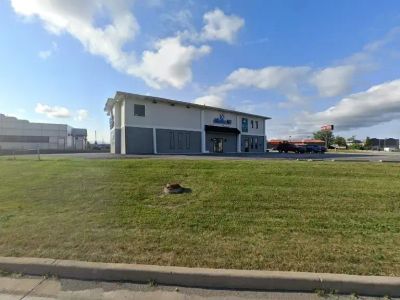
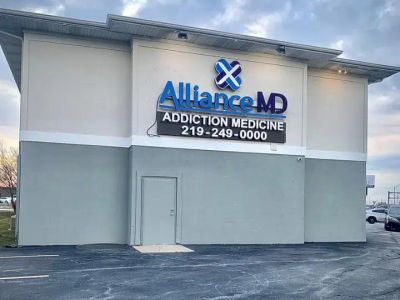
Alliance MD - Addiction Treatment Center
Merrillville, Indiana
8102 Georgia St, Merrillville, IN 46410
Get Personalized Rehab Matches in 60 Seconds
Tell us a few details and we’ll show a personalized shortlist of verified Indiana rehabs, making it simple to compare options and choose your next step with confidence.
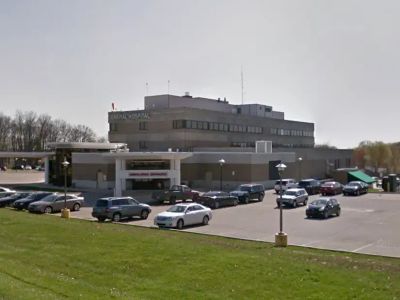

1185 County Rd 1000 W, Linton, IN 47441

Crossroads Healing Center - Addiction & Mental Health Treatment in Indiana
Connersville, Indiana
450 Erie Ave, Connersville, IN 47331


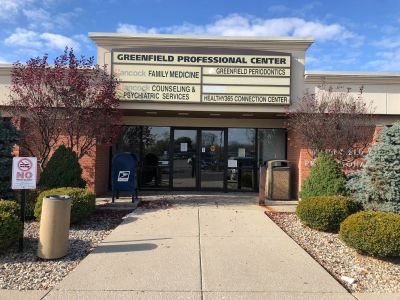
Hancock Health Connection Center
Greenfield, Indiana
120 W McKenzie Rd Suite G, Greenfield, IN 46140
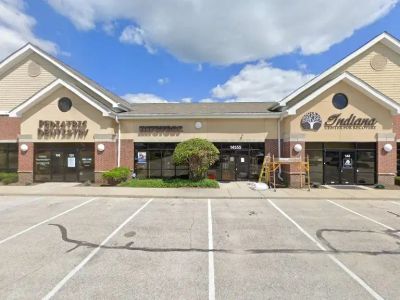

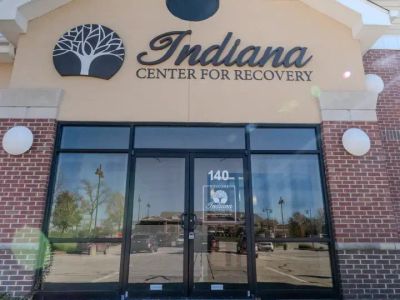
Indiana Center For Recovery - Alcohol & Drug Rehab Center Carmel
Carmel, Indiana
14555 Hazel Dell Pkwy #140, Carmel, IN 46033
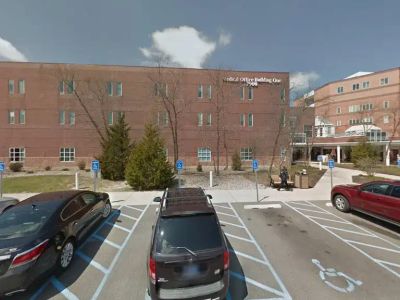
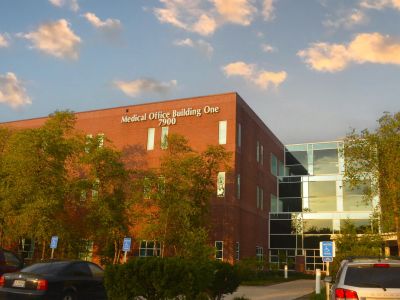
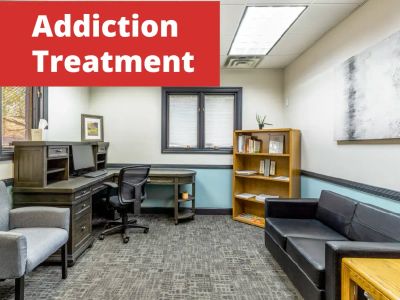
Indiana Center for Recovery - Alcohol & Drug Rehab Center Fort Wayne
Fort Wayne, Indiana
7900 W Jefferson Blvd, Fort Wayne, IN 46804
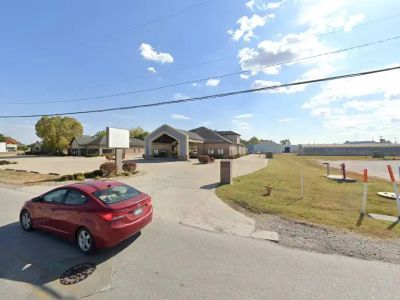
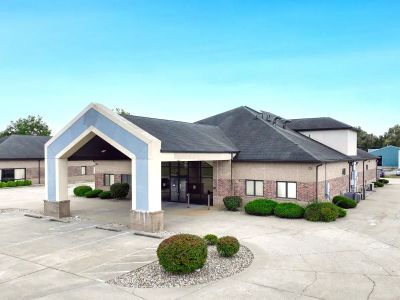
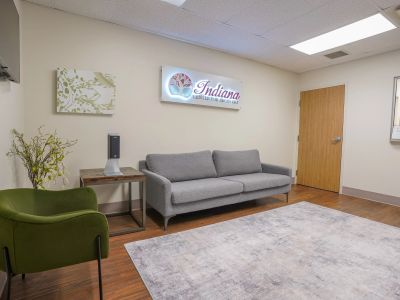
Indiana Center For Recovery- Alcohol & Drug Rehab Terre Haute
Terre Haute, Indiana
135 E Hospital Ln, Terre Haute, IN 47802
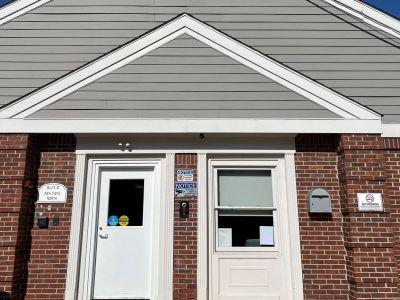
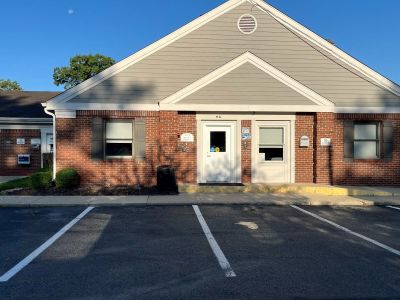
New Vista North
Indianapolis, Indiana
4010 W 86th St suite d, Indianapolis, IN 46268

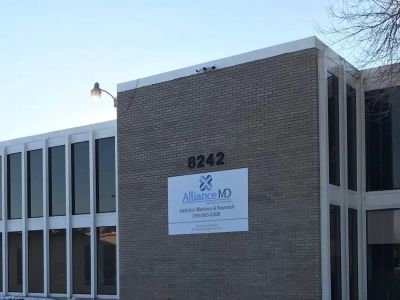

Alliance MD
Michigan City, Indiana
10176 W 400 N c, Michigan City, IN 46360

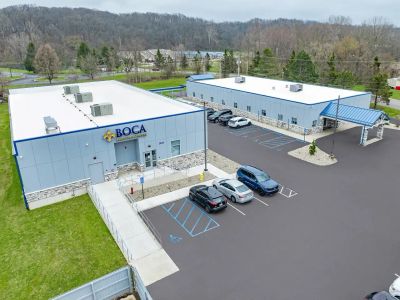

Boca Recovery Center - Fort Wayne, Indiana
Fort Wayne, Indiana
111 W Berry St #211, Fort Wayne, IN 46802
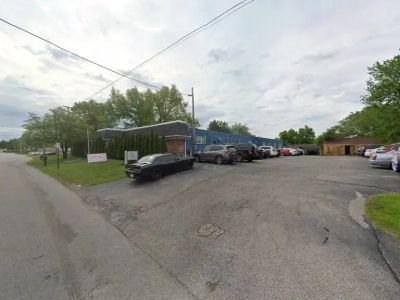


LifeSpring Health Systems - Corydon
Corydon, Indiana
535 Country Club Road SE, Corydon, IN 47112
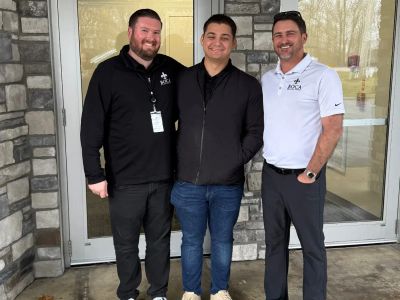
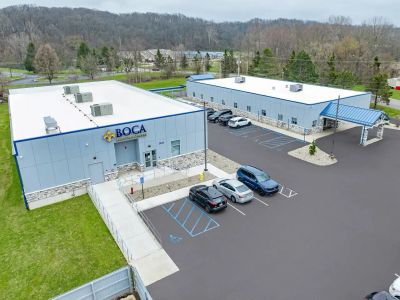

Boca Recovery Center - Indiana Drug and Alcohol Rehab
Huntington, Indiana
3040 W Park Dr, Huntington, IN 46750



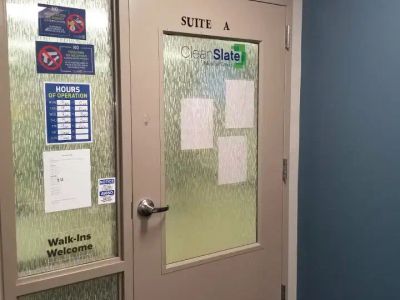
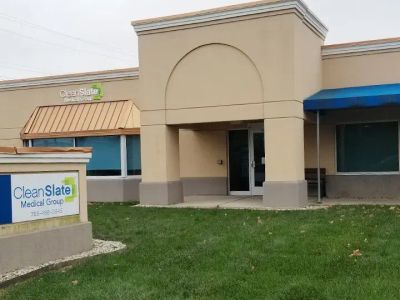
CleanSlate Outpatient Addiction Medicine
Richmond, Indiana
2302 Chester Blvd A, Richmond, IN 47374
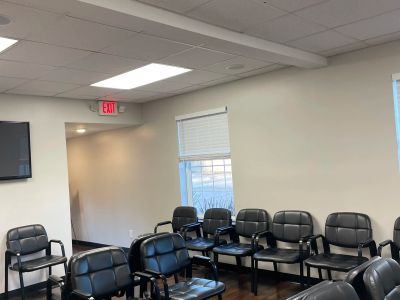
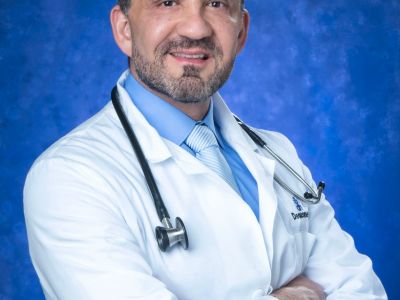
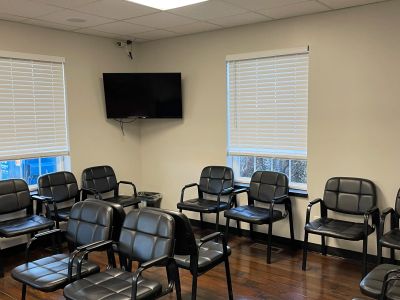
Dr. Malek’s Office – Primary Care, Senior Care & Mental Health
Evansville, Indiana
4972 Lincoln Ave #101, Evansville, IN 47715

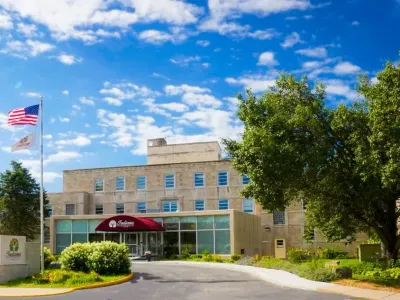
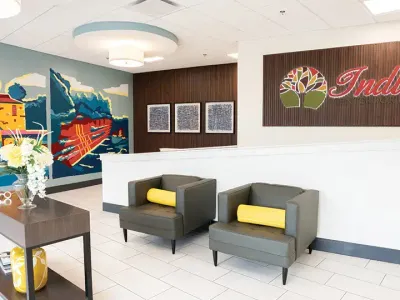
Indiana Center for Recovery - Alcohol & Drug Rehab Center Bedford
Bedford, Indiana
1600 23rd St, Bedford, IN 47421

Indiana Center for Recovery - Alcohol & Drug Rehab Center Indianapolis
Indianapolis, Indiana
5510 S Emerson Ave, Indianapolis, IN 46237
Southwestern Behavioral Healthcare - School Based Services
Evansville, Indiana
414 SE 4th St, Evansville, IN, 47714
Why Trust Indiana Rehabs
As Hoosiers helping Hoosiers, we understand the unique challenges our communities face. Our team meticulously verifies every Indiana treatment center, ensuring you find trusted, local care that truly understands your journey.
About our listingsLevels of Care
Explore popular treatment options by levels of care, from flexible treatment in Outpatient centers to intensive care in Residential rehabs.
Free · 24/7 · Confidential
Talk to a Treatment Specialist
Call now to get matched with Indiana facilities that accept your insurance.
(888) 568-9930
Free
Ins. check
4.9★
Rating
HIPAA
Protected
Can't travel to a facility?
Licensed Indiana therapists via secure video — same-week appointments, evenings & weekends available.
When you or someone you care about needs support, the last thing you want is to feel lost in a maze of options, hoping you’ll make the right choice. It’s easy to feel overwhelmed, especially when the stakes are so personal and urgent. But finding the right psychiatric services in Indiana doesn’t have to be a guessing game, there’s a clear path forward that can bring you much-needed clarity and peace of mind.
What Are Psychiatric Rehabilitation Services?
Think of psychiatric rehabilitation services as a personalized toolkit for improving mental health and well-being. It’s not just about managing symptoms; it’s a comprehensive approach to care that helps people regain balance and lead fulfilling lives. The process starts with a thorough assessment to get a clear picture of what’s going on, leading to an accurate diagnosis. From there, the focus shifts to creating a tailored treatment plan. This often includes therapy, skill-building, and professional medication management to ensure everything is working as it should. This kind of dedicated care is essential for adults in Indiana, where nearly one in four have been diagnosed with a depressive disorder at some point[1]. These services provide a lifeline for those dealing with conditions like depression, anxiety, and co-occurring substance use disorders, offering a structured path toward stabilization and long-term mental health.

Types of Mental Health & Addiction Services
Finding the right fit for mental health and addiction services means understanding the different levels of support available. Not everyone’s needs are the same, so care is structured to provide the right amount of intensity for each person’s situation. Whether someone needs occasional check-ins or 24/7 support, there’s a program designed to help. For many, having the support of family is a key part of the journey, and many programs offer resources to involve loved ones. The goal is always to match the patient with a level of care that feels supportive without being overwhelming, creating a stable foundation for recovery. From outpatient flexibility to the structure of inpatient treatment, understanding these options is the first step toward making an informed choice for yourself or a loved one.
Outpatient and Intensive Outpatient (IOP)
Outpatient care is designed for those who have a stable living environment and don’t need round-the-clock medical supervision. It offers the flexibility to balance treatment with daily life, like work or school.
- Standard Outpatient Programs: These often involve weekly therapy sessions and monthly appointments for medication monitoring. It’s a great option for ongoing support and managing symptoms effectively.
- Intensive Outpatient Programs (IOP): For those needing a bit more structure, intensive outpatient programs (IOP) offer more frequent contact. A patient might attend multiple therapy sessions each week, providing a higher level of care while still living at home.
Inpatient and Crisis Stabilization
When symptoms become severe or someone is experiencing a psychiatric crisis, inpatient treatment provides a safe, secure environment with 24/7 supervision. The primary goal of this short-term hospitalization is stabilization. A dedicated team works to manage acute symptoms, ensure the patient’s safety, and develop a plan for continued care after they leave. This level of care is essential for those who are a danger to themselves or others or are otherwise unable to care for themselves due to their mental health condition. It’s an intensive, focused period of treatment designed to restore stability quickly and safely.
Dual Diagnosis Care
It’s very common for mental health conditions and substance use disorders to occur at the same time. This is known as a dual diagnosis or co-occurring disorder. In fact, research shows that about one in four adults with a serious mental illness also has a substance use disorder[2]. The most effective treatment addresses both conditions simultaneously through an integrated approach. A dual diagnosis care program recognizes that addiction and mental health are often intertwined, and lasting recovery depends on treating the whole person. For example, someone might receive therapy for depression while also getting support for alcohol use, ensuring that one condition doesn’t undermine progress with the other.

Finding the Right Psychiatric Care in Indiana
Navigating your options for psychiatric care can feel complicated, but there are clear, practical steps you can take. A great starting point is to explore providers based on what matters most to you, such as location, insurance coverage, and the specific services offered. Indiana’s community mental health centers (CMHCs) are another key resource, serving as a cornerstone of the local care system[3]. When evaluating a potential provider, don’t hesitate to ask about their credentials, the types of therapy they use, and their experience with your specific concerns. Look for professionals who are licensed and use evidence-based practices. Using a trusted directory can simplify this process, allowing you to filter and compare different levels of care in Indiana and connect with the right patient-focused program for your needs.
Taking the First Step Toward Recovery
Remember, reaching out for help is a sign of strength, and finding the right psychiatric services is a critical step toward better health. With different levels of care available, from outpatient therapy to more intensive programs, there is a path that can fit your unique needs. In Indiana, many people who receive mental health services see real improvements in their lives, including better employment outcomes and overall well-being[4]. You don't have to figure this out alone. The support of family and the wider community can make all the difference. Whether you start by talking to your doctor, calling a helpline, or exploring local providers, that first step is what sets your recovery in motion. The right support is out there, waiting to help you move forward.
It’s clear that finding the right help is not only possible but essential for your well-being. From understanding the different types of care to knowing what to look for in a provider, you now have the information to take a confident step forward. You don’t have to continue feeling overwhelmed. If you’re ready to find clarity and start your journey toward recovery, our team at Indiana Rehabs is here to help. Call us at (888) 568-9930 or use our confidential contact form to connect with compassionate professionals who can guide you to the right care in Indiana.
Frequently Asked Questions About Psychiatric Services in Indiana
Do I need inpatient or outpatient psychiatric care?
How much does psychiatric care cost in Indiana?
Can I use my insurance for psychiatric services in Indiana?
What's the difference between a psychiatrist and a therapist?
- (n.d.). Indiana: Mental health by the numbers. National Alliance on Mental Illness. nami.org
- (June 16, 2021). Substance Use Disorder (SUD)/Serious Mental Illness (SMI) Treatment. Indiana Family and Social Services Administration. in.gov
- Richard M. Fairbanks School of Public Health. (June 8, 2023). Community mental health needs assessment report for Marion County. Indiana University. fairbanks.indianapolis.iu.edu
- (2019). Indiana 2019 Mental Health National Outcome Measures (NOMS). Substance Abuse and Mental Health Services Administration. samhsa.gov