
Rehabs that Offer Sober Companion / Monitoring

Showing 9 of 9 Results (filtered)
Featured Rehab Centers
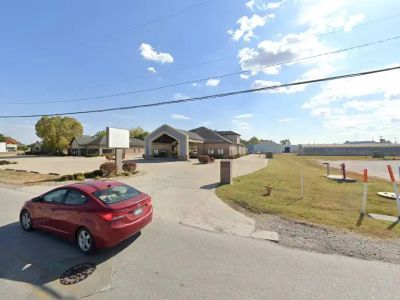
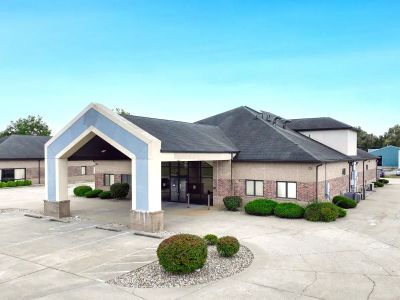

Indiana Center For Recovery- Alcohol & Drug Rehab Terre Haute
Terre Haute, Indiana
135 E Hospital Ln, Terre Haute, IN 47802
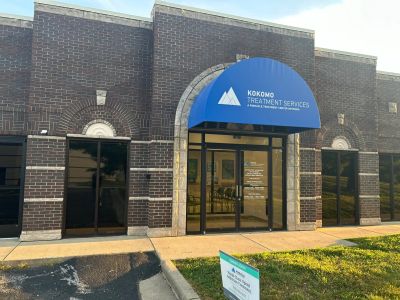
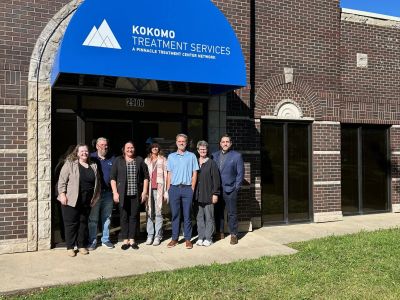
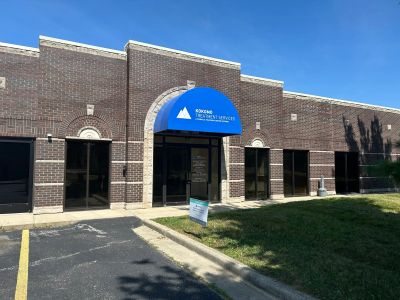
Pinnacle Treatment Centers - Kokomo
Kokomo, Indiana
2906 S. Reed Rd. Kokomo, IN 46902

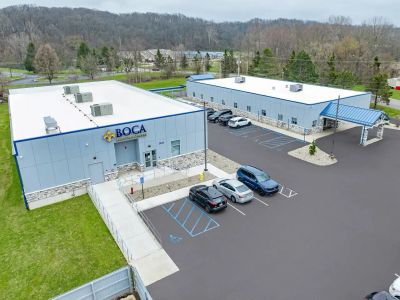

Boca Recovery Center - Indiana Drug and Alcohol Rehab
Huntington, Indiana
3040 W Park Dr, Huntington, IN 46750
Get Personalized Rehab Matches in 60 Seconds
Tell us a few details and we’ll show a personalized shortlist of verified Indiana rehabs, making it simple to compare options and choose your next step with confidence.



Cardinal Recovery
Franklin, Indiana
1130 West Jefferson St, Franklin, IN, 46131

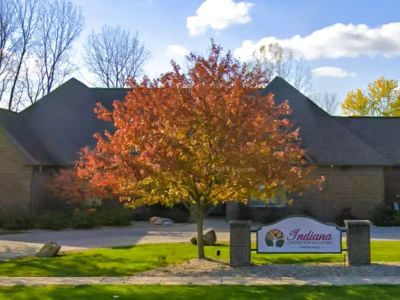

Indiana Center for Recovery - Alcohol & Drug Rehab Center Indianapolis
Indianapolis, Indiana
5510 S Emerson Ave, Indianapolis, IN 46237


215 W 4th St, Mishawaka, IN 46544
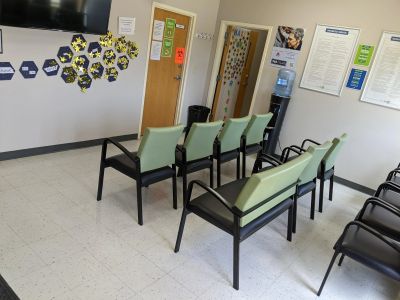
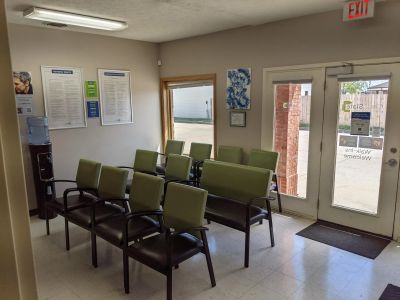

CleanSlate Outpatient Addiction Medicine
Lafayette, Indiana
30 Professional Ct #2A, Lafayette, IN 47905


Pinnacle Treatment Centers - Cambridge City
Cambridge City, Indiana
2060 State Road 1 North, Cambridge City, IN, 47327
Pinnacle Treatment Centers - 8955 Broadway
Merrillville, Indiana
8955 Broadway Merrillville, IN 46410
Why Trust Indiana Rehabs
As Hoosiers helping Hoosiers, we understand the unique challenges our communities face. Our team meticulously verifies every Indiana treatment center, ensuring you find trusted, local care that truly understands your journey.
About our listingsLevels of Care
Explore popular treatment options by levels of care, from flexible treatment in Outpatient centers to intensive care in Residential rehabs.
Free · 24/7 · Confidential
Talk to a Treatment Specialist
Call now to get matched with Indiana facilities that accept your insurance.
(888) 568-9930
Free
Ins. check
4.9★
Rating
HIPAA
Protected
Can't travel to a facility?
Licensed Indiana therapists via secure video — same-week appointments, evenings & weekends available.
You step out of a treatment center with a new sense of hope, but also a knot of nerves, how do you keep moving forward when life’s old triggers start creeping back in? The first days and weeks outside can feel like walking a tightrope, with freedom on one side and uncertainty on the other. That’s where sober companion monitoring can make all the difference, giving you the steady support and accountability you need as you build your footing in real life. If you’re looking for a bridge between structured treatment and true independence, you’re not alone, and there are caring guides here in Indiana ready to walk alongside you.

What Is a Sober Companion?
A sober companion is a non-clinical professional who offers dedicated, one-on-one support to individuals navigating early recovery. Think of them as a guide and ally whose main job is to help you manage the challenges of everyday life without turning back to substance use. They provide practical, real-world guidance to help you build a strong foundation for your new life in sobriety.
It’s important to understand how their role is different from others in your support system. A therapist provides clinical treatment for addiction and mental health, while a sponsor is a peer who guides you through a 12-step program. A sober companion, on the other hand, fills the gap by offering hands-on assistance as you transition from a structured treatment environment back into your daily routine. They are part of a continuum of care that supports long-term recovery[1].
The Responsibilities and Limitations of a Sober Companion
When you work with a sober companion, you're getting a partner in your recovery process who is focused on practical, day-to-day support. Their responsibilities are designed to provide structure and accountability when you need it most. Depending on your needs, a companion might live with you for a period of time or work in shifts during parts of the day when you feel most vulnerable.
Key responsibilities often include:
- Providing constant support and encouragement to maintain a sober lifestyle.
- Helping you identify and create strategies for navigating personal triggers.
- Assisting with building healthy new routines, like exercise, nutrition, and sleep habits.
- Offering a source of accountability to help you stay on track with your recovery goals[2].
- Accompanying you to appointments, support group meetings, or social events to ensure a safe environment.
Just as important are their limitations. Sober companions operate within clear professional boundaries[3]. They do not provide clinical care, therapy, or medical advice. Their role is to help you put your clinical aftercare plan into practice, not to diagnose or treat addiction themselves. They are there to reinforce the work you’re doing with your treatment team, not replace it.

Who Needs Sober Companions?
So, how do you know if a sober companion is right for you? This type of support is especially helpful for individuals who need an extra layer of accountability as they transition out of treatment. You might be a good candidate if you’re leaving an inpatient rehab program and feeling anxious about returning home, or if you have a history of relapse and want to build a stronger defense this time around[4].
Consider these situations: Maybe you work in a high-stress profession with a demanding travel schedule, or you’re returning to a home environment that isn’t fully supportive of your sobriety. Perhaps you’re facing social events for the first time and need help navigating them without substances. For people facing these challenges, a sober companion provides a steadying presence. They offer support for anyone seeking to build a stronger foundation, especially those who have struggled with a chronic relapse program in the past and are determined to achieve long-term recovery.
Sober Companion
The term "sober companion monitoring" covers a range of services that can be customized to fit your unique needs. It’s not a one-size-fits-all program; instead, it’s a flexible system of support that balances accountability with independence[5]. The level of care can range from intensive, around-the-clock companionship to logistical help that keeps your recovery on track. Below are the key components that make up these comprehensive services.
Recovery Care Monitoring
Recovery care monitoring is all about accountability. This service provides a structured way to track and verify your sobriety, which is often a crucial step in rebuilding trust with family and meeting legal or professional requirements. Monitoring can involve scheduled daily check-ins, either in person or remotely. It may also include the use of professional-grade technology, like remote breathalyzers, to provide tangible proof of sobriety. This structure not only helps keep you accountable to yourself but also gives your loved ones peace of mind as you move forward in your journey.
Case Management
Think of case management as the organizational backbone of your recovery plan. A case manager coordinates all the moving parts of your care to ensure everything works together seamlessly. This is especially helpful when you’re juggling multiple appointments and responsibilities. Their tasks often include:
- Scheduling appointments with therapists, doctors, and other specialists.
- Connecting you with helpful local resources in Indiana, such as support groups or vocational training programs.
- Communicating with your entire care team to make sure everyone is aligned on your goals and progress.
- Assisting with logistical challenges that could otherwise distract you from your recovery.
Sober Transport
Travel can be a major trigger for relapse, especially during the early stages of recovery. Sober transport services offer a safe and supportive solution for getting where you need to go. Whether you're traveling to a treatment center, flying home after completing a program, or attending important appointments, a sober companion can accompany you. This ensures you have support during potentially high-risk situations, removing the stress and temptation that can come with navigating airports, bus stations, or long drives alone.
Find the Right Sober Companion in Indiana
Choosing to work with a sober companion is a powerful step toward securing your long-term recovery. This service provides the accountability, guidance, and unwavering support needed to bridge the gap between formal treatment and independent sober living. In Indiana, it’s important to find credible providers, such as those associated with certified recovery residences[6]. For a trusted directory, you can explore the INARR Certified Recovery Residence Directory.
Taking that next step can feel overwhelming, but you don’t have to do it alone. The right support system can make all the difference in your journey. At Indiana Rehabs, we’re here to help you find the resources and care you deserve. If you’re ready to build a stronger foundation for your sobriety, please don't hesitate to reach out. You can call us for a confidential conversation at (888) 568-9930 or get in touch through our contact page to explore your options.
Frequently Asked Questions About Sober Companions in Indiana
How much do sober companions cost?
Are sober companions covered by insurance?
What qualifications should a sober companion have?
How long should you have a sober companion?
Can a sober companion live with you?
- (2025). Recovery support services as part of the continuum of care for substance use disorders. Addiction. onlinelibrary.wiley.com
- Indiana Behavioral Health Commission. (n.d.). Indiana Behavioral Health Commission Report. Indiana Behavioral Health Commission. in.gov
- Indiana Family and Social Services Administration. (07-14-2020). Certification and Licensure Rules and Indiana Code. Division of Mental Health and Addiction. in.gov
- Recovery Answers. (06-23-2025). The potential economic benefits of recovery coaching. Massachusetts General Hospital. recoveryanswers.org
- SAMHSA. (2019). National Survey of Substance Abuse Treatment Services (N-SSATS): 2019, Indiana. Substance Abuse and Mental Health Services Administration. samhsa.gov
- Indiana Family and Social Services Administration. (05-21-2021). Recovery Residence Certification. Division of Mental Health and Addiction. in.gov