
Case Management in Indiana



Showing 20 of 143 Results (filtered)
Featured Rehab Centers
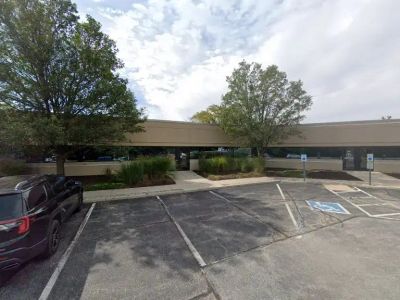
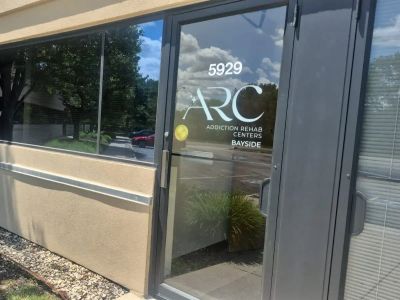

Addiction Rehab Centers - ARC At Bayside | Indianapolis Drug & Alcohol Rehab
Indianapolis, Indiana
5929 Lakeside Blvd, Indianapolis, IN 46278

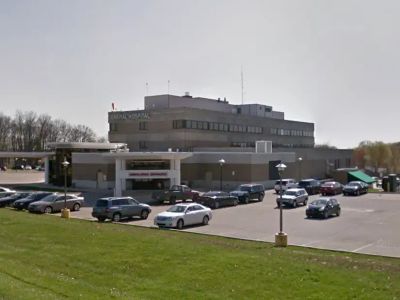

1185 County Rd 1000 W, Linton, IN 47441


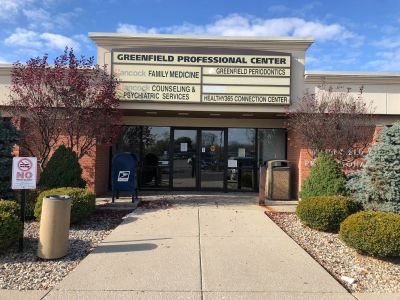
Hancock Health Connection Center
Greenfield, Indiana
120 W McKenzie Rd Suite G, Greenfield, IN 46140
Get Personalized Rehab Matches in 60 Seconds
Tell us a few details and we’ll show a personalized shortlist of verified Indiana rehabs, making it simple to compare options and choose your next step with confidence.
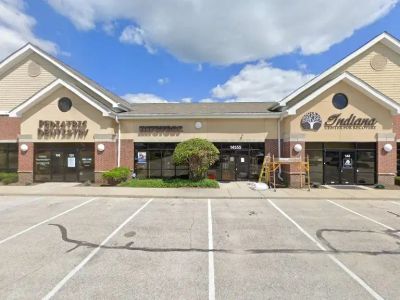

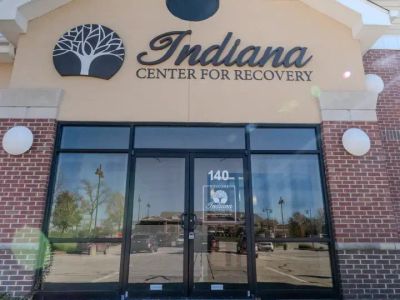
Indiana Center For Recovery - Alcohol & Drug Rehab Center Carmel
Carmel, Indiana
14555 Hazel Dell Pkwy #140, Carmel, IN 46033
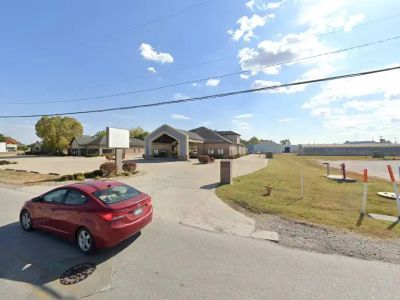
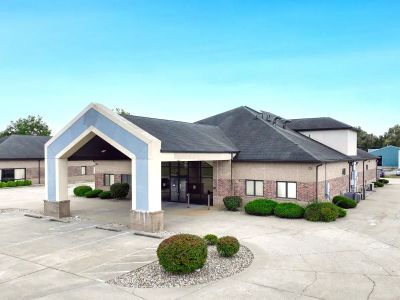
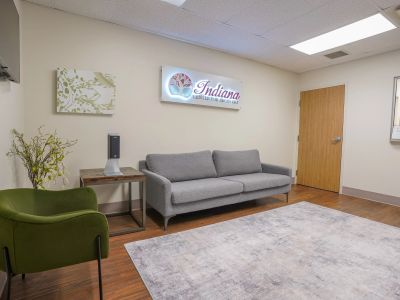
Indiana Center For Recovery- Alcohol & Drug Rehab Terre Haute
Terre Haute, Indiana
135 E Hospital Ln, Terre Haute, IN 47802

Indiana Professionals Recovery Program
Valparaiso, Indiana
13 Lincolnway suite 205, Valparaiso, IN 46383
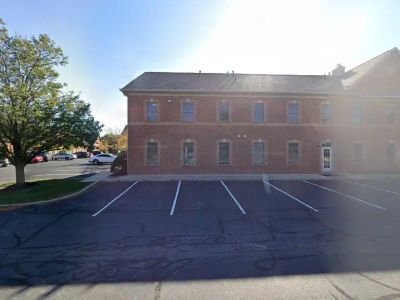


JRNY Counseling LP
Carmel, Indiana
708 Adams St suite 209, Carmel, IN 46032


Spero Health
Richmond, Indiana
18 SW 5th St, Richmond, IN 47374
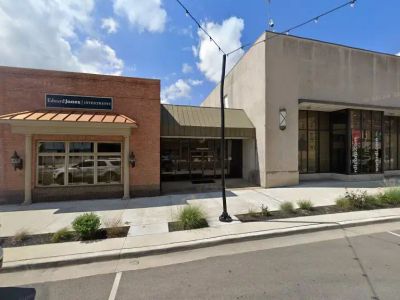

Spero Health - Connersville
Connersville, Indiana
531 North Central Avenue Suite 6, Connersville, IN 47331

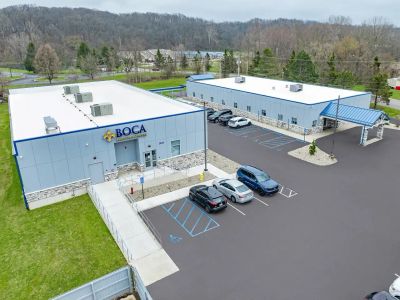

Boca Recovery Center - Fort Wayne, Indiana
Fort Wayne, Indiana
111 W Berry St #211, Fort Wayne, IN 46802
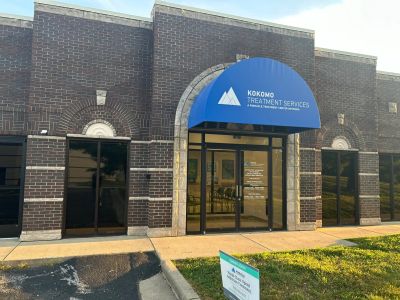
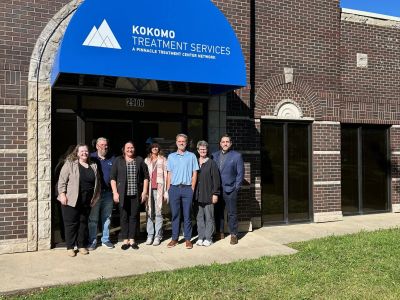
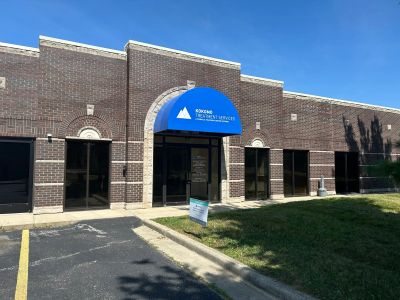
Pinnacle Treatment Centers - Kokomo
Kokomo, Indiana
2906 S. Reed Rd. Kokomo, IN 46902
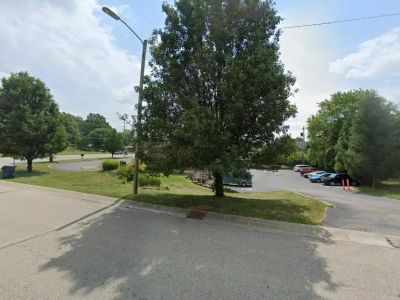


Recover Together - Aurora
Aurora, Indiana
706 Green Blvd., Aurora, IN, 47001



Recover Together - Connersville
Connersville, Indiana
2110 N Park Rd, Connersville, IN, 47331
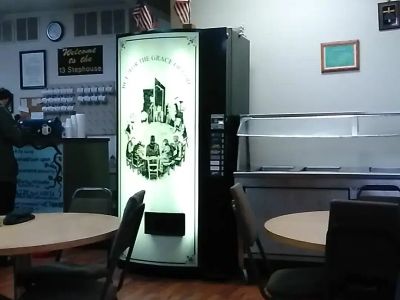
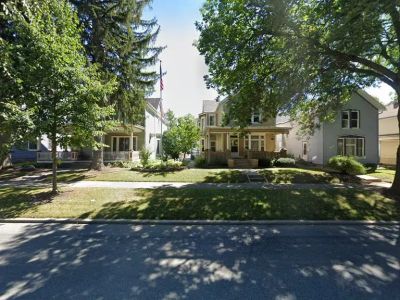
The Thirteen Step House
Fort Wayne, Indiana
1317 W Washington Blvd, Fort Wayne, IN, 46802
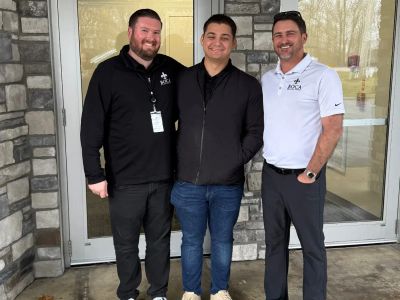
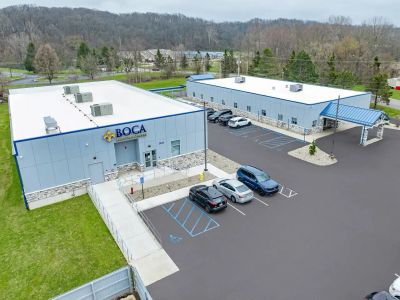

Boca Recovery Center - Indiana Drug and Alcohol Rehab
Huntington, Indiana
3040 W Park Dr, Huntington, IN 46750

Cardinal Recovery
Franklin, Indiana
1130 West Jefferson St, Franklin, IN, 46131
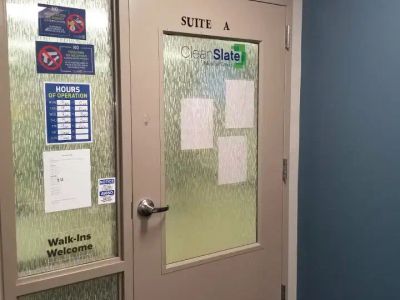
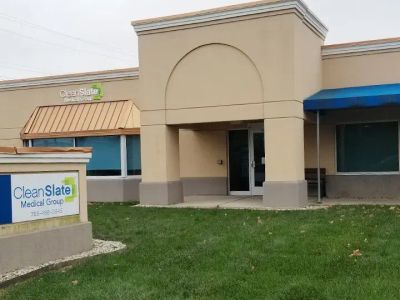
CleanSlate Outpatient Addiction Medicine
Richmond, Indiana
2302 Chester Blvd A, Richmond, IN 47374
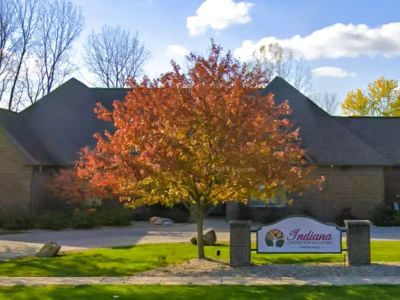

Indiana Center for Recovery - Alcohol & Drug Rehab Center Indianapolis
Indianapolis, Indiana
5510 S Emerson Ave, Indianapolis, IN 46237
Southwestern Behavioral Healthcare - School Based Services
Evansville, Indiana
414 SE 4th St, Evansville, IN, 47714


215 North Rogers Street, Bloomington, IN 47404
Why Trust Indiana Rehabs
As Hoosiers helping Hoosiers, we understand the unique challenges our communities face. Our team meticulously verifies every Indiana treatment center, ensuring you find trusted, local care that truly understands your journey.
About our listingsLevels of Care
Explore popular treatment options by levels of care, from flexible treatment in Outpatient centers to intensive care in Residential rehabs.
Free · 24/7 · Confidential
Talk to a Treatment Specialist
Call now to get matched with Indiana facilities that accept your insurance.
(888) 568-9930
Free
Ins. check
4.9★
Rating
HIPAA
Protected
Can't travel to a facility?
Licensed Indiana therapists via secure video — same-week appointments, evenings & weekends available.
Picture this: you’re in the thick of recovery, juggling endless appointments, providers, and decisions, feeling like you’re lost in a maze with no clear way out. It’s exhausting, and it’s easy to wonder how anyone keeps it all together. That’s where a case manager steps in, someone who learns your story, stands in your corner, and brings order to the chaos. With the right advocate by your side, recovery can start to feel a lot less overwhelming, and a lot more possible.
What is a rehabilitation case manager?
A rehabilitation case manager is your central point of contact throughout the recovery journey. Think of them as the coordinator of your care team, but not someone who provides direct therapy themselves. Their main role is to plan, coordinate, and monitor all the different services you might need, helping you overcome any barriers that stand in your way[1]. They work closely with each individual and their family to create a clear, manageable path forward, ensuring that every piece of your recovery puzzle fits together seamlessly.
What Does A Rehabilitation Nurse Case Manager Do?

A rehabilitation nurse case manager is a specialist with a clinical background, which adds another layer of healthcare expertise to your support team. Their medical knowledge allows them to be a key liaison between doctors, therapists, and other providers, ensuring your care coordination is both comprehensive and clinically sound. They handle several key functions to make sure your treatment plan is on track.
Data Collection and Assessment
The first step for a nurse case manager is a thorough assessment. This involves gathering detailed information about your medical history, current health status, and your social and psychological needs. This initial assessment creates a complete picture of you as a person, which is essential for building a plan that truly fits your unique circumstances.
Establishment of Goals and Plan of Care
Using the information from the assessment, the nurse case manager helps create an individualized plan of care. This isn’t just a generic checklist; it’s a personalized roadmap for your recovery with specific, achievable goals[2]. This treatment plan ensures that every step you take is intentional and moves you closer to lasting wellness.
Collaboration
Your nurse case manager serves as the communication hub for your entire care team. They connect with your doctors, therapists, social workers, and even your insurance company to make sure everyone is on the same page. This constant collaboration ensures that your care is integrated and that nothing falls through the cracks, allowing you and your family to focus on healing.
Community Reintegration
Preparing for life after treatment is one of the most critical phases of recovery. A nurse case manager helps with discharge planning by connecting you with essential community resources for things like housing, employment, or ongoing support groups[3]. This focus on the continuum of care helps ensure a smooth transition and reduces the risk of relapse.
Goal of Case Management
The primary goal of case management is to make your recovery journey smoother and more effective. Here’s what that looks like in practice:
- Improved Outcomes: By ensuring all your healthcare services work together, case management increases your chances of long-term success. In Indiana, 70% of facilities offer this kind of care coordination because it works[4].
- Holistic Recovery: It addresses the whole person, not just the addiction, by connecting you with resources for mental health, physical wellness, and social stability.
- Cost-Effectiveness: By streamlining services and preventing complications, case management can reduce the overall financial burden of treatment, which is critical when untreated conditions can cost the state billions[5]. For more information, it helps to start by understanding your health coverage.
- Patient Empowerment: You are an active participant in your recovery. A case manager equips you with the tools, knowledge, and confidence to take control of your health.
Finding Case Management Rehab in Indiana
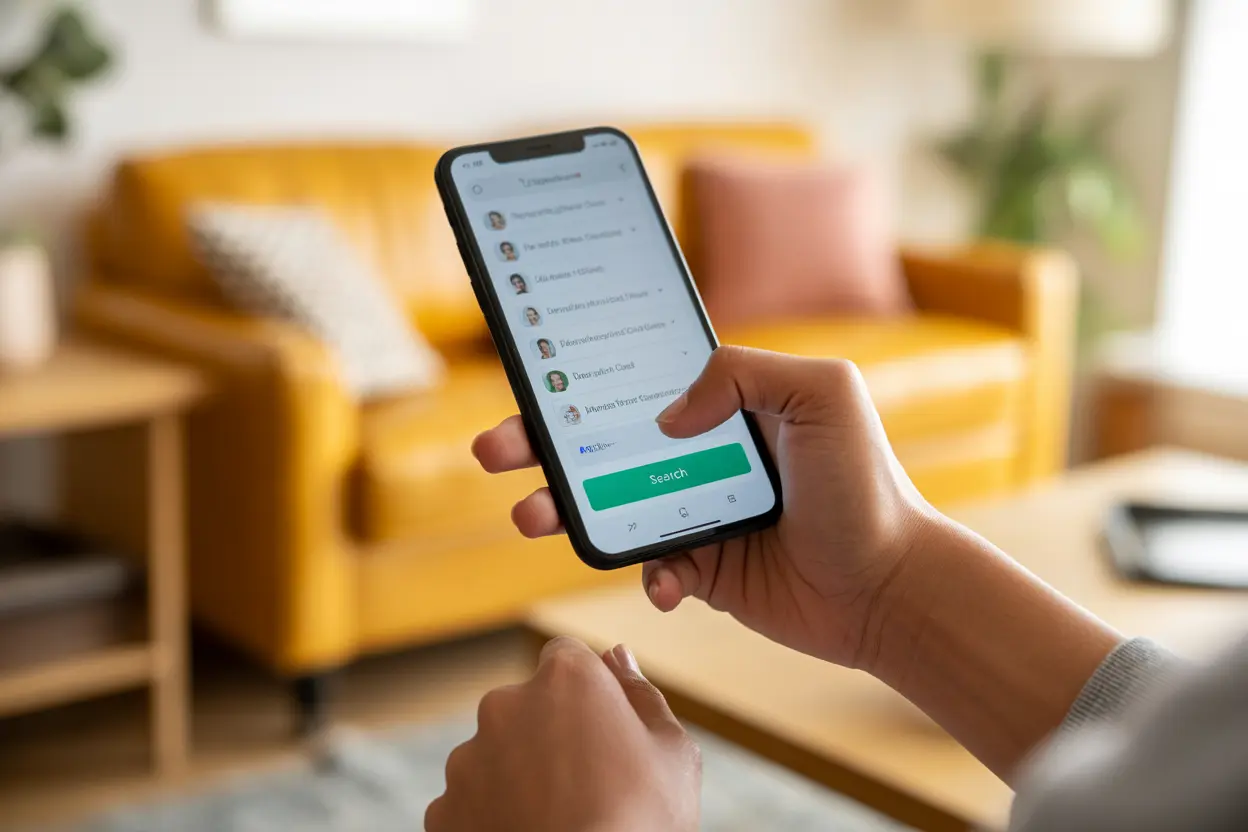
If you're looking for a facility in Indiana, we can help. The first step is to find a licensed rehab center that offers these services[6]. You can use our directory to find facilities that provide case management rehab, or you can call our 24/7 helpline to speak with a specialist who can guide you to the right care in your community.
Your Partner in Recovery
Navigating the path of rehab can feel complicated, but you don’t have to do it alone. A case manager acts as your personal guide, advocate, and partner every step of the way. This dedicated support system empowers you and your family, making a healthy, sustainable recovery feel more achievable than ever before.
Having a dedicated professional on your team can make all the difference. If you’re ready to find a rehab that offers this level of personalized care, we’re here to help you connect with the right resources. You can explore treatment options at Indiana Rehabs or call us for confidential support at (888) 568-9930. Taking that next step is easier when you know someone is in your corner.
Frequently Asked Questions About Case Management for Rehab
What is the difference between a case manager and a therapist?
Do I have to pay for case management services?
Can a case manager help my family too?
Is a nurse case manager better than a regular case manager?
What qualifications should a good case manager have?
- Substance Abuse and Mental Health Services Administration. (n.d.). Comprehensive case management for substance use disorder treatment. Substance Abuse and Mental Health Services Administration. library.samhsa.gov
- State of Indiana. (11-08-2014). 440 IAC 9-2-10 - case management. Indiana Administrative Code. law.cornell.edu
- U.S. Department of Health & Human Services. (August, 2021). State residential treatment for behavioral health conditions: Indiana. Office of the Assistant Secretary for Planning and Evaluation. aspe.hhs.gov
- Substance Abuse and Mental Health Services Administration. (2019). National Survey of Substance Abuse Treatment Services, 2019: Indiana. Substance Abuse and Mental Health Services Administration. samhsa.gov
- Gureje, O. (10-13-2023). Economic burden associated with untreated mental illness in Indiana. Cureus. pmc.ncbi.nlm.nih.gov
- Indiana Family and Social Services Administration. (07-14-2020). Certification and licensure rules and Indiana code. Indiana Division of Mental Health and Addiction. in.gov