
Toxicology Screening / Monitoring in Indiana



Showing 20 of 30 Results (filtered)
Featured Rehab Centers

Addiction Rehab Centers - ARC at Fox Hill | Drug & Alcohol Rehab - Mooresville Indiana
Mooresville, Indiana
12168 N Mann Rd, Mooresville, IN 46158
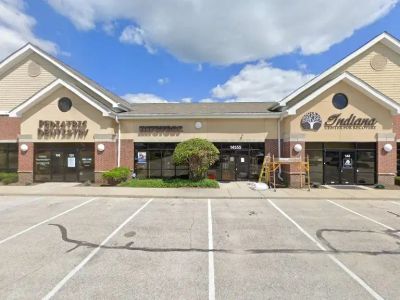
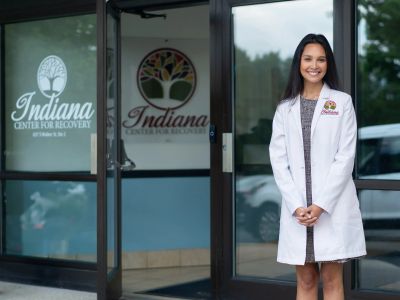
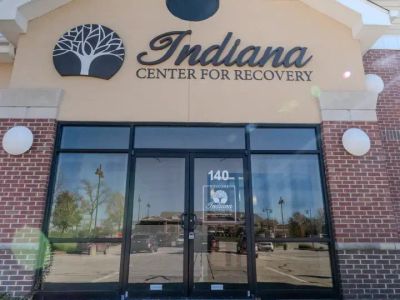
Indiana Center For Recovery - Alcohol & Drug Rehab Center Carmel
Carmel, Indiana
14555 Hazel Dell Pkwy #140, Carmel, IN 46033
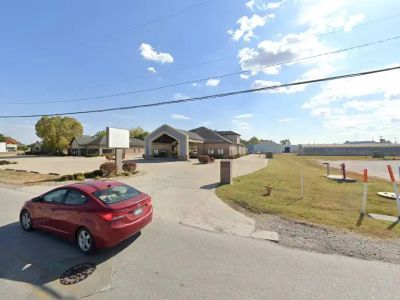
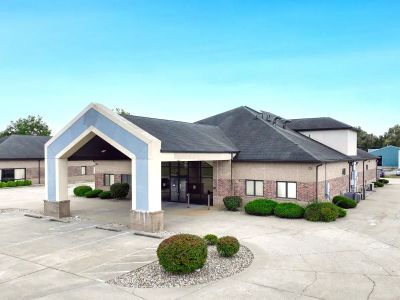
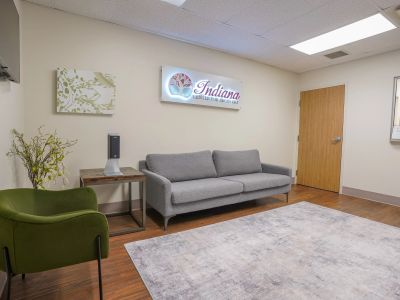
Indiana Center For Recovery- Alcohol & Drug Rehab Terre Haute
Terre Haute, Indiana
135 E Hospital Ln, Terre Haute, IN 47802
Get Personalized Rehab Matches in 60 Seconds
Tell us a few details and we’ll show a personalized shortlist of verified Indiana rehabs, making it simple to compare options and choose your next step with confidence.

Spero Health
Richmond, Indiana
18 SW 5th St, Richmond, IN 47374
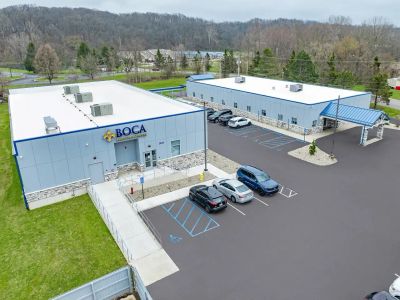

Boca Recovery Center - Fort Wayne, Indiana
Fort Wayne, Indiana
111 W Berry St #211, Fort Wayne, IN 46802
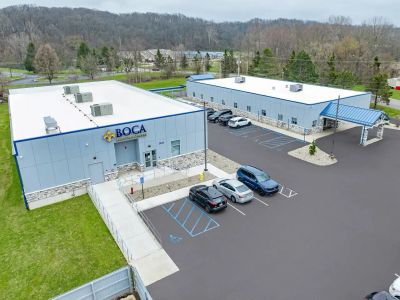

Boca Recovery Center - Indiana Drug and Alcohol Rehab
Huntington, Indiana
3040 W Park Dr, Huntington, IN 46750
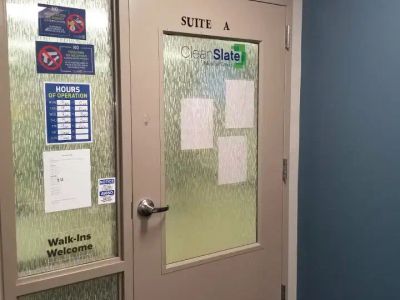
CleanSlate Outpatient Addiction Medicine
Richmond, Indiana
2302 Chester Blvd A, Richmond, IN 47374

Indiana Center for Recovery - Alcohol & Drug Rehab Center Bedford
Bedford, Indiana
1600 23rd St, Bedford, IN 47421
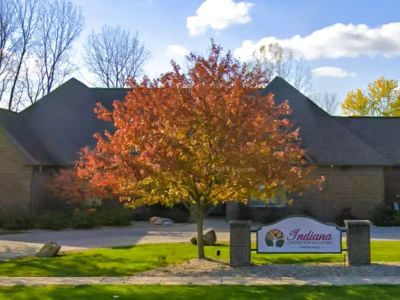

Indiana Center for Recovery - Alcohol & Drug Rehab Center Indianapolis
Indianapolis, Indiana
5510 S Emerson Ave, Indianapolis, IN 46237

Groups Recover Together
Scottsburg, Indiana
1430 N Gardner St, Scottsburg, IN 47170

Groups Recover Together
La Porte, Indiana
614 Andrew Ave, La Porte, IN 46350
Sunrise Recovery - Drug and Alcohol Outpatient Rehab in Jeffersonville
Jeffersonville, Indiana
1505 Allison Ln, Jeffersonville, IN 47130
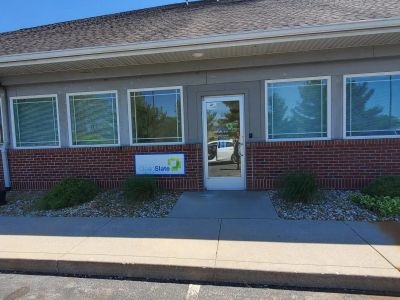
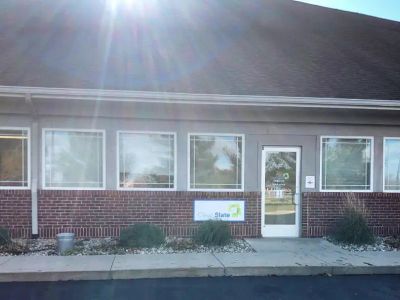
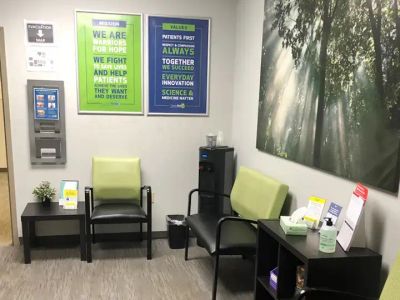
CleanSlate Outpatient Addiction Medicine Elkhart
Elkhart, Indiana
Park Ave, Elkhart, IN 46516
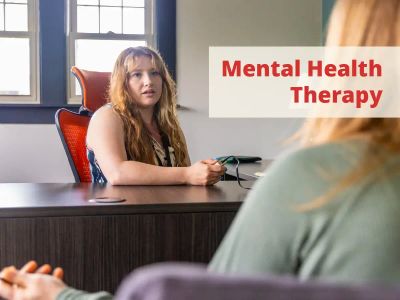


215 W 4th St, Mishawaka, IN 46544
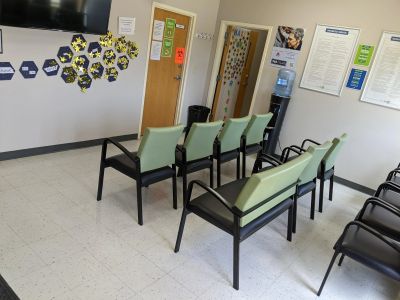
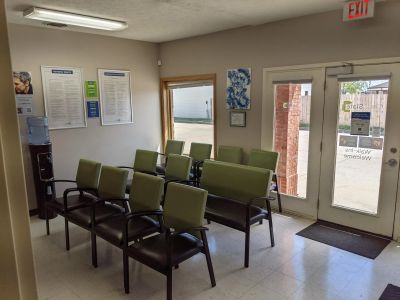

CleanSlate Outpatient Addiction Medicine
Lafayette, Indiana
30 Professional Ct #2A, Lafayette, IN 47905

Women in Transition
Angola, Indiana
412 South John Street, Angola, IN, 46703

Cognitive Consultants
Middletown, Indiana
6639 Centurion Drive, Middletown, IN 48917

Community Health Network - North Behavioral Health Pavilion
Indianapolis, Indiana
7165 Clearvista Drive, Indianapolis, IN, 46256

Moraine House, Inc.
Valparaiso, Indiana
353 Lincolnway, Valparaiso, IN 46383
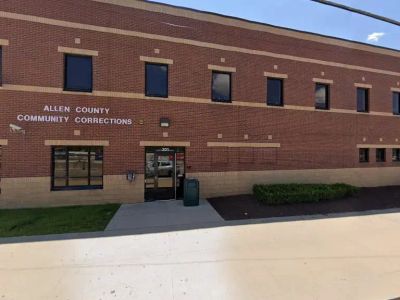
Allen County Community Corrections
Fort Wayne, Indiana
201 West Superior Street, Fort Wayne, IN, 46802
Why Trust Indiana Rehabs
As Hoosiers helping Hoosiers, we understand the unique challenges our communities face. Our team meticulously verifies every Indiana treatment center, ensuring you find trusted, local care that truly understands your journey.
About our listingsLevels of Care
Explore popular treatment options by levels of care, from flexible treatment in Outpatient centers to intensive care in Residential rehabs.
Free · 24/7 · Confidential
Talk to a Treatment Specialist
Call now to get matched with Indiana facilities that accept your insurance.
(888) 568-9930
Free
Ins. check
4.9★
Rating
HIPAA
Protected
Can't travel to a facility?
Licensed Indiana therapists via secure video — same-week appointments, evenings & weekends available.
Whether you're starting a new job or taking steps on your recovery journey, being told you need to take a drug test can make your heart race and your mind fill with questions. That uncertainty, what’s being tested, why it matters, and what your rights are, can feel overwhelming in the moment. But when you understand how toxicology screening actually works, both at work and in rehab, you can approach the process with a clearer head and a little more confidence.
What is a Tox Screen?
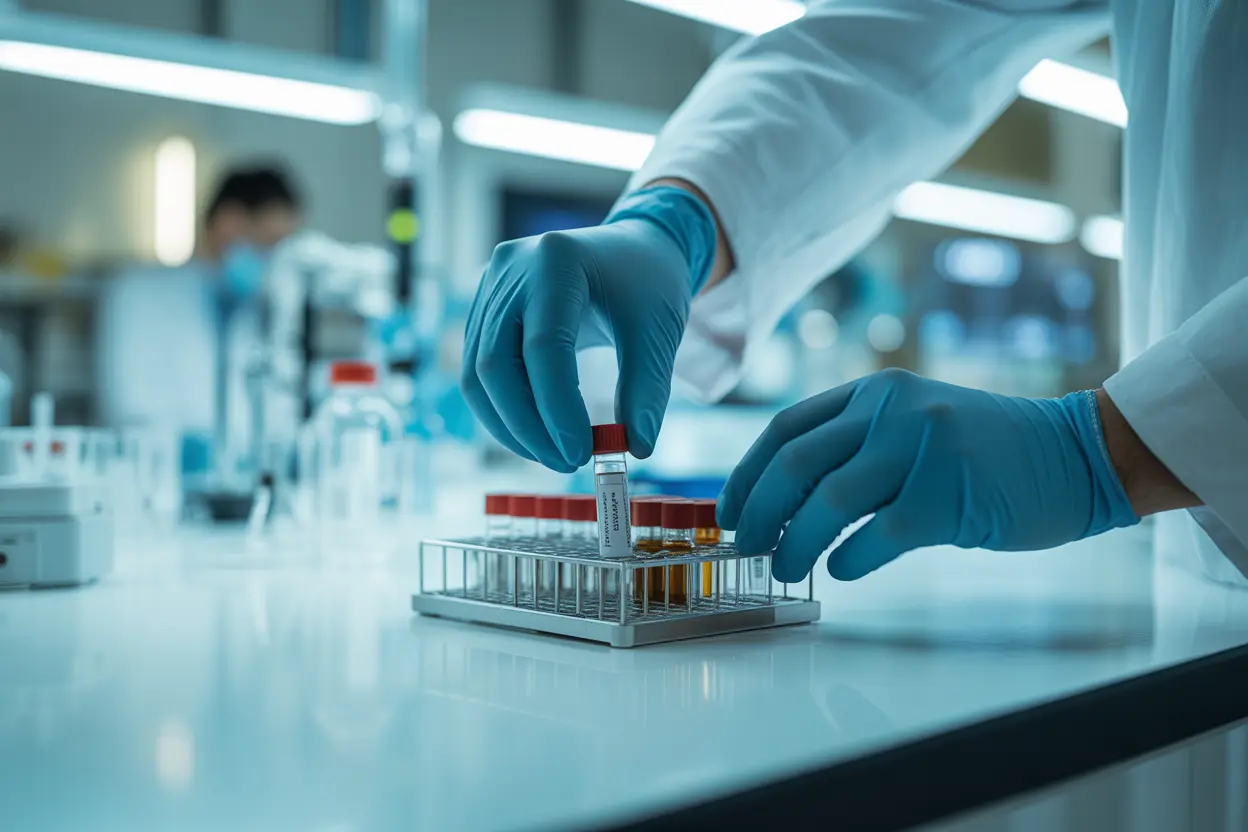
A tox screen, or toxicology screening, is a medical test that checks your body for the presence of specific substances, including prescription medications, alcohol, and illegal drugs. Think of it as a snapshot of what’s in your system at a particular moment. These tests are commonly done using samples of urine, blood, saliva, or hair, with each offering a different window of detection. While they are a standard part of many job application processes, they are also a key tool in healthcare. In Indiana, for example, the vast majority of substance abuse treatment facilities use drug screening to help create a safe and effective path to recovery[1].
Rehab Toxicology Testing
In an addiction treatment facility, toxicology testing isn't about judgment; it’s about understanding and safety. When you first arrive, an initial screening helps the clinical team get a clear picture of your needs, which is a crucial part of a complete addiction assessment. This information allows them to create a personalized treatment plan that’s right for you. Throughout your time in rehab, ongoing tests help monitor your progress and ensure the environment remains safe and substance-free for everyone. The entire process follows strict chain of custody procedures to protect your privacy and ensure accuracy, from sample collection to the final laboratory report[2]. These standards are often required by state law to guarantee fairness and reliability in testing[3].
Subd. 9.Confirmatory retests.
If an initial screening comes back positive, it’s not the end of the story. You have the right to a confirmatory retest. This is a second, more precise test performed at a laboratory that uses different technology to verify the original result. This step is incredibly important because it protects you, whether you're a job applicant or in treatment, from any action being taken based on a potential false positive. Requesting a retest ensures that any decisions made by an employer or a clinical team are based on the most accurate information possible. You can learn more about the specifics of toxicology screening services and your rights in the testing process.
Stigma and Addiction

Let’s be honest: the need for a drug test can bring up feelings of shame or fear. This stigma often comes from an outdated and incorrect view of substance use disorder (SUD) as a moral failing rather than a treatable health condition. This negative bias can make it harder for people to reach out for help. One of the simplest ways we can fight stigma is through our language. Instead of using labels like "addict," we can use person-first terms such as "a person with a substance use disorder." This small shift emphasizes the person, not the condition, and fosters a more supportive and respectful conversation around addiction.
Finding Support for Toxicology Screening in Indiana
Ultimately, toxicology screening is a standard tool used to support health, safety, and recovery in many different settings. Understanding the process and your rights can help reduce the anxiety that comes with it. If you or someone you care about needs support for a substance use disorder, know that licensed and certified treatment facilities in Indiana are available to help[4]. Many programs offer comprehensive services as part of a complete care plan, and resources like Indiana's Medicaid SUD Coverage can help you understand your options for care.
Navigating the path to recovery can feel complicated, but you don’t have to do it alone. Understanding how tools like toxicology screening are used to support your health is a positive first step. If you’re ready to find a treatment program in Indiana that fits your needs, our team at Indiana Rehabs is here to help. You can call us anytime at (888) 568-9930 or contact us through our site to connect with a compassionate and knowledgeable care coordinator today.
Frequently Asked Questions About Toxicology Screening
What shows up on a toxicology screen?
How long do substances stay in your system?
What is the most common reason for a tox screen?
Do you have to consent to a toxicology screen?
- Substance Abuse and Mental Health Services Administration. (2019). 2019 N-SSATS Data for Indiana. samhsa.gov
- U.S. Department of Health and Human Services, ASPE. (2021). State Residential Treatment for Behavioral Health Conditions: Indiana. aspe.hhs.gov
- (2024). Indiana Code § 12-23-18-2.5: Drug Testing. law.justia.com
- Indiana Family and Social Services Administration. (2020-07-14). Certification and Licensure Rules and Indiana Code. in.gov