
Rehabs Offering Adventure Therapy

Showing 9 of 9 Results (filtered)
Featured Rehab Centers



Addiction Rehab Centers - ARC At Bayside | Indianapolis Drug & Alcohol Rehab
Indianapolis, Indiana
5929 Lakeside Blvd, Indianapolis, IN 46278



Indiana Treatment Centers
Columbus, Indiana
1888 Poshard Dr, Columbus, IN 47203


Pinnacle Treatment Centers - Kokomo
Kokomo, Indiana
2906 S. Reed Rd. Kokomo, IN 46902
Get Personalized Rehab Matches in 60 Seconds
Tell us a few details and we’ll show a personalized shortlist of verified Indiana rehabs, making it simple to compare options and choose your next step with confidence.



Indiana Center for Recovery - Alcohol & Drug Rehab Center Bedford
Bedford, Indiana
1600 23rd St, Bedford, IN 47421



First City Recovery Center
Kokomo, Indiana
317 W Jefferson St, Kokomo, IN, 46901



Madison State Hospital
Madison, Indiana
711 Green Road, Madison, IN, 47250

Midwest Center for Youth and Families - South Shore Academy
Valparaiso, Indiana
2301 Cumberland Drive, Valparaiso, IN 46383
Pinnacle Treatment Centers - 2209 John R Wooden Drive
Martinsville, Indiana
2209 John R Wooden Drive, 3rd Floor Martinsville, IN 46151
Southwestern Behavioral Healthcare - Faren E. Levell Center
Evansville, Indiana
410 Mulberry St. Evansville, IN 47713
Why Trust Indiana Rehabs
As Hoosiers helping Hoosiers, we understand the unique challenges our communities face. Our team meticulously verifies every Indiana treatment center, ensuring you find trusted, local care that truly understands your journey.
About our listingsLevels of Care
Explore popular treatment options by levels of care, from flexible treatment in Outpatient centers to intensive care in Residential rehabs.
Free · 24/7 · Confidential
Talk to a Treatment Specialist
Call now to get matched with Indiana facilities that accept your insurance.
(888) 568-9930
Free
Ins. check
4.9★
Rating
HIPAA
Protected
Can't travel to a facility?
Licensed Indiana therapists via secure video — same-week appointments, evenings & weekends available.
Most therapy happens in rooms with soft chairs, quiet clocks, and paperwork on the table, but imagine trading that for the feeling of cool rock beneath your palms or the gentle rush of a nearby river in your ears. What if your path to healing didn’t have to take place within four walls? There’s a different way to grow, a way that lets you move, breathe, and rediscover yourself through guided adventures in the outdoors, where every challenge can become a step toward healing.

What Is Adventure Therapy?
adventure therapy is a powerful form of mental health treatment that blends psychology with the outdoors. It’s a type of experiential therapy, which means it’s centered on hands-on experiences. This isn’t just a walk in the park or a fun camping trip; it’s a carefully structured process guided by a licensed therapist.[1] The core idea is to use challenging activities in nature, like hiking or canoeing, to help you face and overcome personal struggles.
Think of it this way: learning to navigate a tricky trail can become a metaphor for navigating a difficult time in your life. The challenges you encounter in outdoor therapy are designed to mirror the ones you face at home, at work, or in your relationships. By working through these tangible obstacles in a supportive environment, you start building the skills and confidence to handle life’s abstract challenges. It’s a real, evidence-based approach that uses experiential learning to create lasting change, especially in substance use disorder treatment.[2]
How Does Adventure Therapy Work?
The healing process in adventure therapy unfolds through a thoughtful, guided journey. It’s more than just being in nature; it’s about using nature as a tool for growth. The therapist creates a safe space where you feel supported enough to step outside your comfort zone and try something new. Here’s how it typically works:
- Setting Goals: Before any activity begins, you and your therapist discuss your personal challenges and set clear therapeutic goals. Every adventure is tailored to help you work on specific issues, whether it’s building trust, improving communication, or developing better coping skills.
- Engaging in Challenges: You’ll participate in activities that are challenging but achievable. These experiences are designed to get you actively involved, it’s "learning by doing" instead of just talking. Overcoming these challenges in the moment provides immediate feedback and a sense of accomplishment.
- Processing the Experience: After an activity, your group sits down with the therapist to talk about what happened. This is a crucial step. The therapist helps you connect the dots between the outdoor challenge and your personal life.[2] For example, you might discuss how frustration during a difficult climb felt similar to frustration you feel in recovery.
- Applying New Skills: The insights you gain are then translated into practical skills you can use every day. The goal is to take the confidence and problem-solving abilities you discovered in the wilderness and apply them to your life back home. You’re not just learning to climb a rock wall; you’re learning to tackle life’s walls.
Types of Adventure Therapy Activities
adventure therapy programs use a wide range of activities to match different physical abilities and therapeutic needs. Each one is chosen to help you build specific skills and insights. While every program is unique, here are some of the common activities you might find:
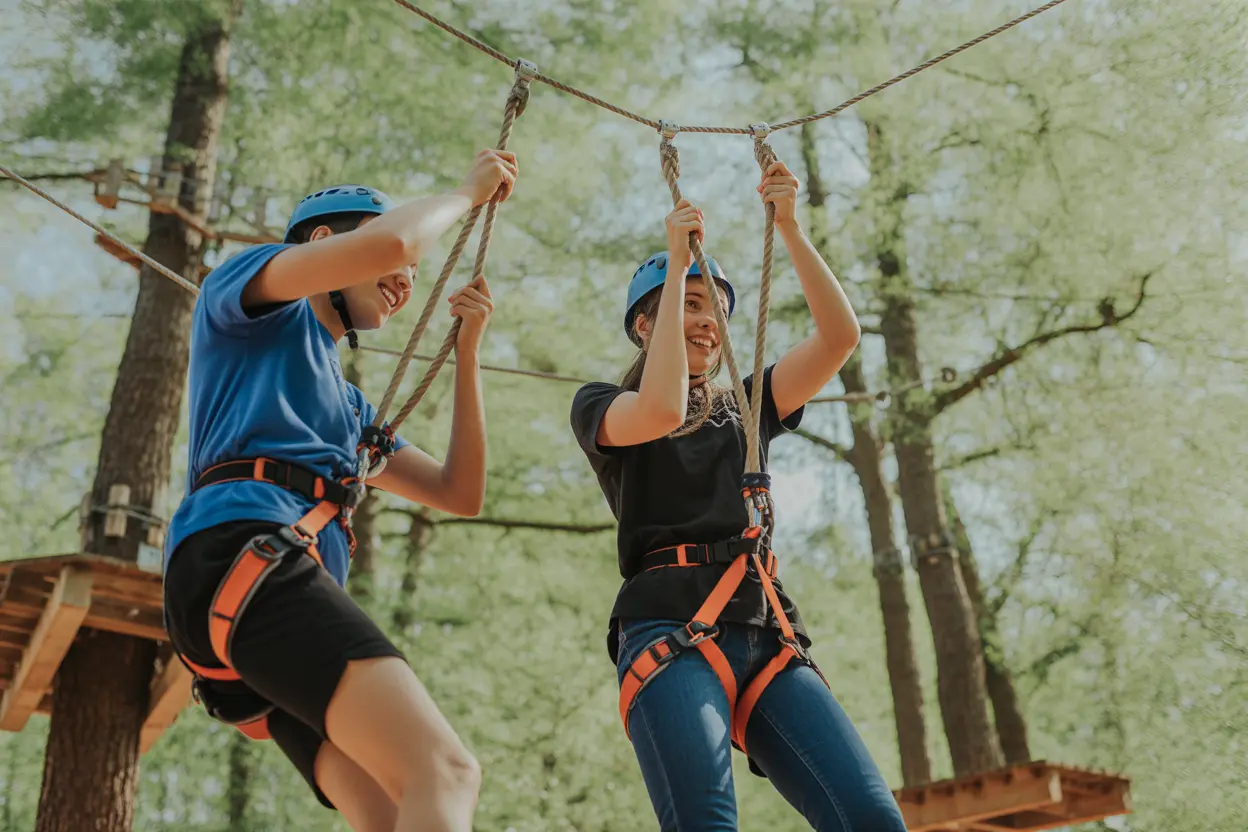
- Hiking and Backpacking: Exploring wilderness trails teaches resilience, planning, and perseverance. Navigating the journey as a group fosters a sense of teamwork and shared accomplishment as you work together to reach a destination.
- Ropes Courses: Both high and low ropes courses are classic adventure therapy tools. They are designed to build trust, communication, and problem-solving skills. Safely facing your fears on a high element can be an incredible confidence booster.
- Rock Climbing: This activity requires focus, trust, and communication between the climber and the belayer (the person holding the rope). Rock climbing is a powerful way to learn how to trust others, solve problems under pressure, and push past perceived limits.
- Kayaking or Canoeing: Paddling on open water can be a peaceful, meditative experience, but it also requires teamwork to navigate effectively. It teaches cooperation, communication, and how to adapt to changing conditions.
- Wilderness Survival Skills: Learning basic survival skills like building a shelter or starting a fire can be incredibly empowering. It builds self-reliance and confidence, reminding you that you are more capable and resourceful than you might think.
Benefits of Adventure Therapy
When you trade a traditional therapy office for the great outdoors, the benefits can be profound. adventure therapy has been shown to create positive changes for both teens and adults dealing with anxiety, depression, trauma, and substance use disorders. It’s not just about feeling good in the moment; it’s about building lasting skills and a stronger sense of self.
One of the biggest benefits is a boost in self-esteem and confidence. Successfully navigating a real-world challenge, like a difficult hike or a high ropes course, provides tangible proof of your strength and resilience. This experience helps rewire your brain to believe in your own abilities. Participants often leave with improved communication skills, better emotional regulation, and healthier ways of relating to others. Research has consistently shown these positive outcomes, highlighting adventure therapy's effectiveness in helping individuals develop better coping mechanisms and a stronger self-concept.[2] The shared experiences also create a strong bond among group members, reducing feelings of isolation and reminding you that you’re not alone in your journey.
Finding the Right Adventure Therapy Program
Once you’ve decided that adventure therapy might be the right path for you or a loved one, the next step is finding a program that fits your needs. Choosing the right one is crucial, as the quality of the staff, safety standards, and therapeutic approach can make all the difference in your healing journey. It’s important to find a program that is not only engaging but also clinically sound and professional. As you start your search, you’ll want to consider several key factors to ensure you find a safe and effective environment for growth.
The good news is that there are excellent adventure-based programs available right here in Indiana. To make your search easier, you can use our free tool to find and compare adventure therapy programs across the state. This resource can help you filter options based on your specific needs and connect with providers who can guide you on your path to recovery.
Staff Qualifications
The person guiding your experience is more than just an outdoor enthusiast; they are a licensed mental health professional. A qualified adventure therapist is typically a licensed counselor (LPC), social worker (LCSW), or psychologist with specialized training. In addition to their clinical credentials, they should hold certifications in outdoor leadership, first aid, and risk management from reputable organizations. This dual expertise ensures that the treatment is both therapeutically sound and physically safe.[1] When looking at different rehab facilities, always ask about the staff's licenses and their specific experience in adventure therapy.
Things to Consider
Choosing a program is a big decision. Beyond staff qualifications, here are a few other important factors to weigh as you explore your options in Indiana:
- Accreditation and Safety Standards: Ensure the program is licensed by the state and accredited by a recognized body like The Joint Commission or CARF.[3][4] Ask about their safety protocols, staff-to-participant ratios, and emergency plans. Reputable programs, which you can locate using resources like the Indiana Division of Mental Health and Addiction (DMHA), will be transparent about their safety measures.
- Cost and Insurance: The cost of these programs can vary. Ask about their fee structure and what is included. Many health insurance plans now cover mental health and substance use treatment, so check your policy to see if adventure therapy is included.
- Integration with a Broader Treatment Plan: adventure therapy is often one component of a larger recovery plan. Ask how the program integrates with other therapies, such as individual counseling, group sessions, or other levels of care, to support long-term mental health.
- Personal Fit: Consider your own physical fitness level and willingness to participate. The best programs will meet you where you are, but it’s important to find an environment where you feel comfortable and motivated to engage in the activities.
Begin Your Healing Journey in Indiana
Stepping out of your comfort zone and into nature can be a powerful first step toward lasting change. adventure therapy offers a unique and effective way to build resilience, discover your inner strength, and develop the skills you need to navigate life's challenges. You don't have to walk this path alone. High-quality, compassionate treatment programs are available right here in Indiana, ready to guide you on your journey to recovery and personal growth. Your healing can start today.
Taking that first step is often the hardest part, but it’s a sign of incredible strength. The path to recovery is different for everyone, and adventure therapy offers a unique way to heal and grow beyond the confines of an office. If you’re ready to explore what this journey could look like for you, help is just a phone call away. You can speak with someone right now by calling (888) 568-9930. Our team at Indiana Rehabs is here to listen without judgment and help you find the right support. You can also contact us online to start the conversation. Remember, a different kind of healing is possible, and it’s waiting for you.
Frequently Asked Questions About Adventure Therapy
What is the difference between adventure therapy and wilderness therapy?
Who is a good candidate for adventure therapy?
Do you have to be physically fit for adventure therapy?
Is adventure therapy only for teens?
Is adventure therapy covered by insurance?
- Association for Experiential Education. (2024). Adventure Therapist Certification Program. Association for Experiential Education. aee.org
- Schoevers, R.A. et al. (2019). Outdoor-Based adventure therapy in Routine Outpatient Care for Substance Use Disorder Patients. International Journal of Mental Health and Addiction. ncbi.nlm.nih.gov
- Indiana Division of Mental Health and Addiction. (n.d.). DMHA Approved Accreditation Body List. Indiana Family and Social Services Administration. in.gov
- U.S. Department of Health and Human Services. (2021). State Residential Treatment for Behavioral Health: INDIANA. ASPE. aspe.hhs.gov