
Rehabs Offering Aromatherapy
Showing 6 of 6 Results (filtered)
Featured Rehab Centers



Addiction Rehab Centers - ARC At Bayside | Indianapolis Drug & Alcohol Rehab
Indianapolis, Indiana
5929 Lakeside Blvd, Indianapolis, IN 46278



1501 A St NE, Linton, IN 47441



Pinnacle Treatment Centers - Kokomo
Kokomo, Indiana
2906 S. Reed Rd. Kokomo, IN 46902
Get Personalized Rehab Matches in 60 Seconds
Tell us a few details and we’ll show a personalized shortlist of verified Indiana rehabs, making it simple to compare options and choose your next step with confidence.



First City Recovery Center
Kokomo, Indiana
317 W Jefferson St, Kokomo, IN, 46901



Madison State Hospital
Madison, Indiana
711 Green Road, Madison, IN, 47250
Southwestern Behavioral Healthcare - Faren E. Levell Center
Evansville, Indiana
410 Mulberry St. Evansville, IN 47713
Why Trust Indiana Rehabs
As Hoosiers helping Hoosiers, we understand the unique challenges our communities face. Our team meticulously verifies every Indiana treatment center, ensuring you find trusted, local care that truly understands your journey.
About our listingsLevels of Care
Explore popular treatment options by levels of care, from flexible treatment in Outpatient centers to intensive care in Residential rehabs.
Free · 24/7 · Confidential
Talk to a Treatment Specialist
Call now to get matched with Indiana facilities that accept your insurance.
(888) 568-9930
Free
Ins. check
4.9★
Rating
HIPAA
Protected
Can't travel to a facility?
Licensed Indiana therapists via secure video — same-week appointments, evenings & weekends available.
Maybe it’s the smell of fresh rain or a whiff of a flower that instantly ushers you back to a moment you thought you’d forgotten—scents have a way of wrapping us in memories and stirring up powerful emotions. It’s no wonder, then, that people turn to aromatherapy, hoping those same healing fragrances can lift mood, soothe stress, or nurture well-being. But how much can scent really do for your mind and body, and where do we draw the line between comfort and true science? Let’s explore the real promise and the real limits of aromatherapy, so you can decide if—and how—it fits into your own journey.

What is Aromatherapy?
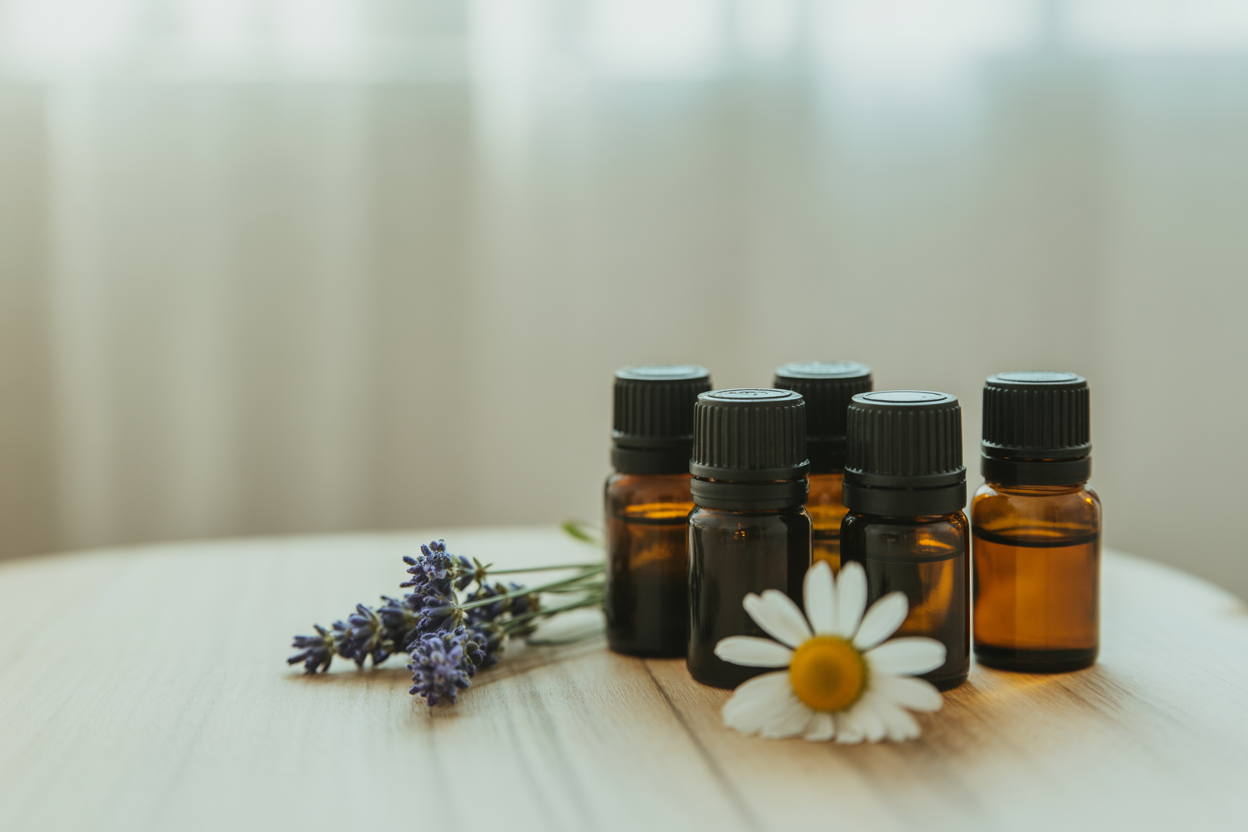
At its heart, aromatherapy is the practice of using essential oils to improve your physical and emotional health. These aren't just pleasant perfumes; essential oils are highly concentrated extracts from the flowers, leaves, bark, and roots of a plant. Each oil contains a unique blend of natural chemical compounds that give it a characteristic scent and potential therapeutic properties. While it feels modern, the use of aromatic plants for healing has roots in ancient cultures across the world, from Egypt to China to India. Today, it’s often considered a form of holistic therapy, meaning it aims to support the whole person—mind, body, and spirit. The goal is to harness the connection between scent and emotion to promote a greater sense of well-being.
How Aromatherapy Works
So, how does a simple scent trigger changes in our body and mind? It mainly works in two ways. The first is through inhalation. When you breathe in an essential oil, its tiny molecules travel up your nose to the olfactory receptors. These receptors have a direct line to the limbic system in your brain, which is responsible for emotions, memories, and mood. This is why a certain smell can instantly make you feel calm or bring back a vivid memory. The second method is topical application. When essential oils are properly diluted and applied to the skin, their molecules are small enough to be absorbed into the bloodstream, where they can circulate through the body. This unique and powerful sense of smell is the key to understanding how aromatherapy functions.
Common Uses and Benefits
People turn to aromatherapy for a wide range of reasons, often as a complementary approach to support conventional treatment. While research is ongoing, some studies and many personal accounts suggest it may help with various symptoms. Here are some of the most common potential benefits:
- Stress and Anxiety Relief: Certain oils, like lavender and chamomile, are widely used for their calming effects. Some patients report feeling less anxiety before medical procedures after exposure to calming scents.
- Improved Sleep: The relaxing properties of some essential oils may help quiet the mind and body, making it easier to fall asleep and improve sleep quality.
- Pain Management: When combined with massage, oils like peppermint or eucalyptus may help soothe sore muscles and reduce discomfort. Some studies show it can help manage pain for conditions like osteoarthritis.
- Nausea Reduction: Inhaling specific scents, such as ginger or peppermint, has been found to help ease nausea for some individuals, including those undergoing chemotherapy.
- Mood Enhancement: Bright, citrusy oils like lemon and orange are often used to lift spirits and boost energy levels, helping to combat feelings of fatigue or sadness.
Types of Essential Oils
Walking into a store with a wall of essential oils can feel overwhelming. While there are hundreds of options, a few popular oils are a great starting point because of their versatility and well-studied effects. The "best" oil really depends on what you're hoping to achieve and which scents you personally enjoy.
For example, lavender is probably the most well-known essential oil, celebrated for its ability to promote calm and relaxation. If you're looking for something to help you unwind before bed, it’s often a top choice. Peppermint, with its sharp, refreshing scent, is frequently used to boost focus and alertness. It's also a go-to for easing headaches and soothing nausea. For a brighter, more uplifting experience, citrus oils like lemon are popular for their cheerful aroma that can help elevate your mood. Other common oils include chamomile for relaxation, eucalyptus for respiratory support, and tea tree oil for its cleansing properties.
What are carrier oils?
Before you apply any essential oil to your skin, you need to know about carrier oils. These are vegetable-based oils—like jojoba, sweet almond, or fractionated coconut oil—used to dilute essential oils. This step is crucial because essential oils are incredibly potent and can cause significant skin irritation if applied directly. Dilution doesn't weaken the oil's effects; instead, it makes it safe for your skin and helps your body absorb it more effectively. A good rule of thumb is to mix a few drops of essential oil with a teaspoon of carrier oil before applying it.

Techniques and Applications
There are several simple ways to incorporate aromatherapy into your daily routine. One of the most popular methods is using an electronic diffuser, which disperses a fine mist of water and essential oils into the air, filling a room with a gentle aroma. For a more direct approach, you can try inhalation by adding a few drops of oil to a bowl of hot water and breathing in the steam. You can also apply them topically by creating your own lotions or massage oils. Just remember to mix the essential oil with a carrier oil first to protect your skin. Finally, adding a few drops of oil mixed with Epsom salts to a warm bath can create a relaxing, spa-like experience. The salt helps the oil disperse in the water instead of floating on top.
Evidence and Effectiveness
This is the big question: does aromatherapy really work? The answer is complex. Many people who use it report significant benefits, from feeling more relaxed to sleeping better. However, the scientific evidence is still catching up. While some clinical trials show positive results, especially for anxiety, pain, and nausea, many studies are small or have limitations. It’s challenging to conduct research on aromatherapy because it’s hard to separate the chemical effects of the oils from a person's emotional response to a pleasant smell (the placebo effect). Reputable institutions generally agree that while aromatherapy can be a wonderful complementary tool for well-being, more rigorous research is needed before it can be considered a standalone medical treatment for specific health conditions.
Risks and Safety
While aromatherapy is generally safe when done correctly, it’s not without risks. The most common side effects are skin irritation and allergic reactions, which is why diluting essential oils is so important. Some oils, particularly citrus ones, can make your skin more sensitive to the sun. Headaches or nausea can also occur, especially if the scent is too strong. It is crucial to never ingest essential oils unless you are under the direct supervision of a qualified healthcare professional, as they can be toxic.
Certain groups should be extra cautious, including pregnant women, children, and people with respiratory conditions like asthma. To stay safe, choose high-quality, pure essential oils from reputable brands—look for labels that list the plant's Latin name and come in dark glass bottles. If you have any health concerns, it's always best to talk to your doctor before starting aromatherapy.
How to Find Qualified Support in Indiana
If you're interested in using aromatherapy for specific health goals, seeking guidance from a trained professional is a great idea. A certified aromatherapist can help you choose the right oils and create a safe and effective plan tailored to your needs. In Indiana, many wellness centers and holistic health providers incorporate aromatherapy into their services. When looking for a provider, it's helpful to ask about their training and certification. Any therapeutic use of aromatherapy should be documented within your formal treatment plan[1]. State-licensed facilities follow strict guidelines to ensure all therapies, including complementary ones, are administered safely and professionally[2]. For state-verified resources, you can always check with the Indiana Division of Mental Health and Addiction.
Aromatherapy can be a gentle, powerful way to support your emotional and physical well-being. Whether you’re diffusing lavender to de-stress after a long day or using peppermint to stay focused, these plant-based oils offer a natural path to feeling better. It’s not a cure-all, but when used safely and thoughtfully, it can be a wonderful addition to your self-care toolkit. If you’re ready to explore treatment options in Indiana that include holistic therapies, we’re here to help. You can call us at (888) 568-9930 to speak with someone who understands, or contact us for personalized guidance. The team at Indiana Rehabs is committed to helping you find the right path forward.
- Cornell Law School Legal Information Institute. (10-05-2016). 440 IAC 10-4-23 - Treatment plan. Cornell Law School. law.cornell.edu
- Indiana Division of Mental Health and Addiction. (07-14-2020). Certification and Licensure Rules and Indiana Code. Indiana Family and Social Services Administration. in.gov