
Rehabs Offering Attachment Based Therapy

Showing 5 of 5 Results (filtered)
Featured Rehab Centers

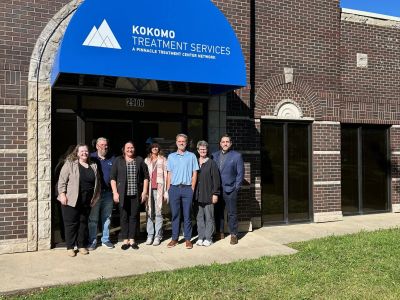

Pinnacle Treatment Centers - Kokomo
Kokomo, Indiana
2906 S. Reed Rd. Kokomo, IN 46902



Avenues Recovery Center at Indianapolis
Indianapolis, Indiana
7960 Shadeland Ave, Indianapolis, IN 46250



First City Recovery Center
Kokomo, Indiana
317 W Jefferson St, Kokomo, IN, 46901
Get Personalized Rehab Matches in 60 Seconds
Tell us a few details and we’ll show a personalized shortlist of verified Indiana rehabs, making it simple to compare options and choose your next step with confidence.


Truth Treatment Center
Indianapolis, Indiana
7112 Madison Ave, Indianapolis, IN 46227
Southwestern Behavioral Healthcare - Faren E. Levell Center
Evansville, Indiana
410 Mulberry St. Evansville, IN 47713
Why Trust Indiana Rehabs
As Hoosiers helping Hoosiers, we understand the unique challenges our communities face. Our team meticulously verifies every Indiana treatment center, ensuring you find trusted, local care that truly understands your journey.
About our listingsLevels of Care
Explore popular treatment options by levels of care, from flexible treatment in Outpatient centers to intensive care in Residential rehabs.
Free · 24/7 · Confidential
Talk to a Treatment Specialist
Call now to get matched with Indiana facilities that accept your insurance.
(888) 568-9930
Free
Ins. check
4.9★
Rating
HIPAA
Protected
Can't travel to a facility?
Licensed Indiana therapists via secure video — same-week appointments, evenings & weekends available.
Have you ever wondered why some relationships seem to bring comfort and trust, while others leave you feeling anxious or distant, no matter how much you care? So much of that experience is rooted in the bonds we formed early on, shaping the way we connect and cope throughout life. attachment based therapy is about gently exploring those patterns, giving you the chance to understand them, and with the right support, begin to build stronger, healthier connections moving forward.

What Is Attachment-Based Therapy?
Attachment-based therapy is a form of talk therapy, or psychotherapy, that focuses on how your earliest relationships have shaped the way you connect with others today. It’s built on the idea that the bonds we form with our primary caregivers during childhood create a blueprint for how we see ourselves, others, and the world. This blueprint, often called an "internal working model," influences everything from our choice of partners to how we handle stress and express our emotions in a relationship.
The foundation of this approach is attachment theory, developed by psychologist John Bowlby. He discovered that a child’s need for a secure and reliable connection with at least one caregiver is essential for healthy emotional development. When that bond is strong and consistent, we learn that it’s safe to depend on others and that we are worthy of love. If that connection was inconsistent or absent, we might develop insecure attachment patterns that carry into adulthood, making it harder to trust others or feel secure in our relationships.
The goal of attachment-based therapy isn't to place blame on parents or caregivers from your childhood. Instead, it’s about understanding how those early experiences affect you now. By exploring these foundational relationships in a safe, supportive space, you can start to heal old wounds and build new, healthier ways of connecting with the people who matter most.
Attachment Based Therapy Vs. Attachment Therapy
It’s important to understand the difference between "attachment-based therapy" and "attachment therapy," as the terms can sometimes be confused. Attachment-based therapy, including models like Attachment-Based family therapy (ABFT), is a legitimate, evidence-based psychotherapy practiced by licensed professionals. It is a gentle, talk-based approach rooted in decades of research.
On the other hand, the term "attachment therapy" is sometimes linked to controversial and unproven methods that are not supported by mainstream psychology. These discredited approaches can involve coercive techniques that are potentially harmful. To ensure you receive safe and effective care, it’s crucial to seek a licensed therapist with specific training in established, evidence-based models of psychotherapy. This ensures your journey toward healing is guided by professional expertise and compassion.
How It Works
So, what does attachment-based therapy actually look like? The process is centered on the relationship you build with your therapist. This therapeutic connection is designed to be a "secure base", a safe, reliable, and non-judgmental space where you can feel comfortable exploring difficult emotions and past experiences. Your therapist acts as a trusted guide, helping you navigate memories and feelings that might be painful or confusing.
During sessions, you’ll likely talk about your childhood experiences, particularly your relationships with parents or other important caregivers. The goal isn't just to retell stories but to understand how those early dynamics influenced your expectations and behaviors in current relationships. For example, you might explore questions like:
- Did you feel seen and heard as a child?
- Were your caregivers emotionally available when you were distressed?
- How did you learn to cope with feelings of fear, sadness, or anger?
By connecting these past experiences to your present-day challenges, your therapist helps you identify insecure attachment patterns. Maybe you tend to push people away when they get too close (avoidant attachment), or perhaps you feel anxious and needy in your relationships (anxious attachment). Once you recognize these patterns, you can begin to challenge and change them. Therapy helps you develop new, healthier ways of relating to others, building more trust and fostering deeper connections.
Techniques and Interventions Used in Attachment Therapy
In attachment-based therapy, a therapist uses several techniques and interventions to help you explore your past and improve your present. A core part of the work involves reflecting on your childhood experiences to understand the needs of your "inner child." This means looking back with compassion to see what you needed then and how you can provide that for yourself now.
The therapist will guide you in connecting these past patterns to your current interpersonal relationships. You might explore how a fear of abandonment from childhood shows up in your romantic partnerships today, or how a lack of praise from a caregiver affects your self-esteem at work. By making these connections, you can start to heal and consciously choose different behaviors, leading to more secure and satisfying relationships.
When Is Attachment-Based Therapy Used?
Attachment-based therapy is a versatile approach that can help with a wide range of emotional and relational challenges. It’s often used when someone struggles with forming or maintaining healthy relationships, but its benefits extend to many other areas of mental health. This therapy can be particularly helpful for adults dealing with the lingering effects of a difficult childhood, whether it involved neglect, inconsistent parenting, or other forms of trauma.
This approach is effective for addressing various issues, including:
- Mood Disorders: It can be a powerful tool for those struggling with depression or anxiety, as these conditions are often linked to underlying feelings of insecurity or disconnection.
- Trauma: For individuals who have experienced unresolved trauma, attachment-based therapy provides a safe space to process painful memories and rebuild a sense of safety in the world and in relationships.
- Relationship Difficulties: Whether you're single and struggling to connect, in a partnership filled with conflict, or having trouble with family members, this therapy can help you understand and change destructive patterns.
This therapy can be adapted for individuals, couples, and families. For couples, it helps partners understand each other's attachment needs and develop more secure ways of communicating. For families, especially those with adolescents, it can repair broken bonds and create a more supportive home environment.
Attachment-Based Family Therapy
One of the most well-researched and effective models is Attachment-Based family therapy (ABFT). This specific approach is designed to treat adolescent depression and reduce suicidal thoughts by focusing on repairing the parent-child relationship. ABFT operates on the principle that strong family bonds are a powerful protective factor for teens struggling with their mental health.
The therapy works by helping families have conversations that rebuild trust and strengthen their connection. A therapist guides parents and adolescents through discussions aimed at resolving relational ruptures and creating a more secure family environment where the teen feels safe turning to their parents for support. Research on ABFT has shown remarkable success. For example, one study found that after treatment, 87% of adolescents who received ABFT reported scores for suicidal ideation that were below the clinical cutoff. This highlights how powerful strengthening family attachment can be in fostering healing and resilience in young people.

Benefits of Attachment-Based Therapy
Engaging in attachment-based therapy can lead to profound and lasting changes in how you see yourself and connect with others. By exploring the roots of your relational patterns, you can unlock a future with healthier, more fulfilling bonds. The benefits of this therapy often ripple through every area of your life, from your romantic partnerships to your professional relationships and even your relationship with yourself.
Some of the key benefits include:
- Developing a Stronger Sense of Self: Therapy helps you understand your own emotional needs and build self-esteem, allowing you to feel more confident and secure from within.
- Improving Emotional Regulation: You'll learn to identify, understand, and manage your emotions in healthier ways, reducing feelings of being overwhelmed by anxiety, anger, or sadness.
- Building Healthier and More Trusting Relationships: By healing old wounds, you can break free from patterns of fear and avoidance, making it possible to build and maintain healthy relationships based on trust and mutual respect.
- Healing from Past Trauma: The therapy provides a safe and supportive environment to process difficult childhood experiences, helping you move forward without being held back by the past.
- Enhancing Communication Skills: You will learn how to express your needs and feelings more clearly and effectively, leading to less conflict and deeper connections with others.
Is Attachment-Based Therapy Effective?
Yes, attachment-based therapy is an effective, evidence-based practice supported by a significant body of research. Studies have consistently shown its success in helping people improve their attachment security, which in turn leads to better mental health outcomes. The therapy has proven effective in reducing symptoms of anxiety and depression, healing the effects of trauma, and enhancing the overall quality of personal relationships.
The effectiveness of this approach is particularly well-documented in specific models like Attachment-Based family therapy (ABFT). Research on ABFT for depressed adolescents has shown impressive results. For instance, one major study found that 62% of teens treated with ABFT had depression scores below the clinical cutoff after treatment, compared to only 19% of those on a waitlist. This demonstrates that focusing on strengthening family bonds can lead to significant improvements in an adolescent's mental health.
The success of attachment-based therapy lies in its focus on the core human need for connection. By helping individuals build a secure relationship with their therapist, it creates a powerful model for developing healthier, more secure relationships outside of therapy. This focus on foundational emotional needs is what makes it a deeply effective treatment for a wide range of issues.
How to Find an Attachment-Based Therapist
Finding the right therapist is a crucial first step on your journey toward healing. When looking for someone who specializes in attachment-based therapy in Indiana, it’s important to find a qualified, licensed professional with the right training and experience. Start by searching for licensed therapists, such as a Licensed Mental Health Counselor (LMHC), Licensed Clinical Social Worker (LCSW), or a psychologist (PhD or PsyD) who lists attachment theory as a specialty.
Many therapists will mention their approach on their website or professional profile. Look for terms like "attachment-based," "psychodynamic therapy," or specific models like ABFT. Don't hesitate to reach out to potential providers and ask about their experience. Finding the right fit is about both credentials and comfort, you want someone you feel safe opening up to.
To make your search easier, you can use a trusted directory to find qualified treatment providers in Indiana. Our directory at Indiana Rehabs allows you to filter by location and specialty, connecting you with vetted professionals who are experienced in attachment-based approaches.
What to Look For in an Attachment-Based Therapist
When you’re ready to find a therapist, it’s helpful to have a few questions prepared to make sure they are a good fit for you. This is your chance to learn about their approach and see if their style aligns with your needs. Here are some questions you can ask a potential therapist:
- What is your training and background in attachment theory?
- How do you incorporate attachment principles into your therapy sessions?
- What is your experience working with clients who have issues similar to mine?
- Can you describe what a typical session with you would be like?
- How do you help clients build a secure therapeutic relationship?
Asking these questions can help you feel more confident in your choice and ensure you find a therapist who can provide the safe, supportive environment you need to heal and grow.
Begin Your Path to Healthier Relationships
Your early life experiences play a significant role in shaping who you are, but they don’t have to define your future. Attachment-based therapy offers a proven and compassionate path toward understanding your past, healing old wounds, and building the secure, fulfilling connections you deserve. By working with a skilled therapist, you can learn to break free from old patterns and create a new blueprint for healthier relationships.
If you’re ready to take the first step toward healing in Indiana, we’re here to help. You can explore our directory to find a therapist who specializes in attachment-based treatment and start your journey today. For immediate support or guidance, don’t hesitate to call us at (888) 568-9930. At Indiana Rehabs, we believe everyone deserves to feel secure and connected. Please contact us to learn more about your options and begin your path to healthier relationships.