
Rehabs Offering CBT-I (Cognitive Behavioral Therapy for Insomnia)

Showing 6 of 6 Results (filtered)
Featured Rehab Centers

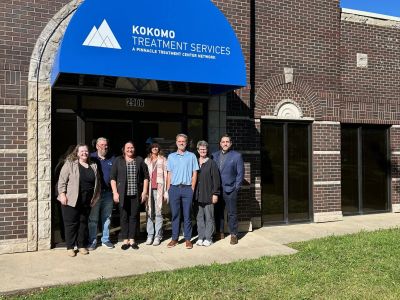

Pinnacle Treatment Centers - Kokomo
Kokomo, Indiana
2906 S. Reed Rd. Kokomo, IN 46902



Cardinal Recovery
Franklin, Indiana
1130 West Jefferson St, Franklin, IN, 46131
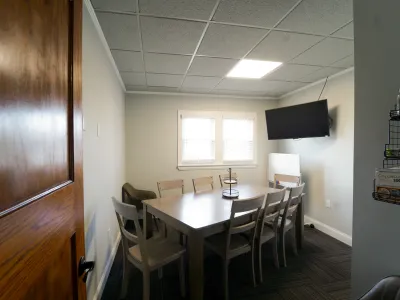

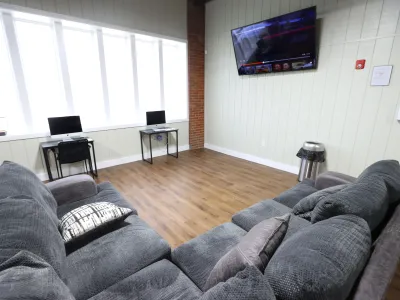
First City Recovery Center
Kokomo, Indiana
317 W Jefferson St, Kokomo, IN, 46901
Get Personalized Rehab Matches in 60 Seconds
Tell us a few details and we’ll show a personalized shortlist of verified Indiana rehabs, making it simple to compare options and choose your next step with confidence.


Marion VAMC - Evansville Health Care Center
Evansville, Indiana
6211 East Waterford Boulevard, Evansville, IN, 47715



Madison State Hospital
Madison, Indiana
711 Green Road, Madison, IN, 47250
Southwestern Behavioral Healthcare - Faren E. Levell Center
Evansville, Indiana
410 Mulberry St. Evansville, IN 47713
Why Trust Indiana Rehabs
As Hoosiers helping Hoosiers, we understand the unique challenges our communities face. Our team meticulously verifies every Indiana treatment center, ensuring you find trusted, local care that truly understands your journey.
About our listingsLevels of Care
Explore popular treatment options by levels of care, from flexible treatment in Outpatient centers to intensive care in Residential rehabs.
Free · 24/7 · Confidential
Talk to a Treatment Specialist
Call now to get matched with Indiana facilities that accept your insurance.
(888) 568-9930
Free
Ins. check
4.9★
Rating
HIPAA
Protected
Can't travel to a facility?
Licensed Indiana therapists via secure video — same-week appointments, evenings & weekends available.
It’s 3 a.m. again. The rest of Indiana is wrapped in silence, but you’re wide awake, staring at the ceiling while your thoughts refuse to quiet down. You’ve tried every trick, from warm milk to blackout curtains, yet deep, restorative sleep feels impossibly out of reach. If you’re running on empty and craving real rest, there’s hope: CBT-I is a proven way to gently retrain your mind and body for sleep, no medication required.

What is CBT-I?
cognitive behavioral therapy for insomnia, or CBT-I, is a structured, evidence-based program that’s considered the first-line treatment for chronic insomnia by leading health organizations[1]. It's a therapy designed to help you identify and change the specific thoughts and behaviors that are getting in the way of restful sleep. Think of it as a personal trainer for your sleep habits. Instead of offering a temporary fix like sleeping pills, CBT-I therapy gives you the tools and skills to manage your sleep for the long term.
If you've been struggling for a while, you're not alone. Many people in Indiana are dealing with the same frustration. In fact, it's estimated that 7-10% of adults are facing chronic insomnia, a condition that goes far beyond a few bad nights[2]. CBT-I is a powerful form of therapy for insomnia because it gets to the root of the problem, helping you rebuild a healthy relationship with sleep from the ground up.
How does CBT-I work?
CBT-I isn't a single technique but a collection of powerful strategies that work together to reset your sleep patterns. During your sessions, a therapist guides you through different components, each targeting a specific aspect of your sleep problem. By addressing both your behaviors and your mindset, this therapy helps retrain your brain and body for the healthy, natural sleep you've been missing. These evidence-based techniques for sleep problems work together to create lasting change.
Stimulus Control
The goal of stimulus control is to help your brain reconnect your bed with sleep, and only sleep. Over time, if you toss and turn, worry, or watch TV in bed, your brain starts to associate your bedroom with wakefulness and anxiety. This therapy works to weaken that connection and build a strong new one between your bed and feeling sleepy.
- Only go to bed when you feel sleepy.
- Use the bed only for sleep and sex. No reading, watching TV, or scrolling on your phone.
- If you can't fall asleep after about 20 minutes, get out of bed. Go to another room and do something quiet and relaxing until you feel sleepy again, then return to bed.
- Wake up at the same time every single day, no matter how much you slept the night before. Yes, even on weekends.
Cognitive Restructuring
This part of the therapy focuses on your thoughts. Many people with insomnia develop unhelpful beliefs about sleep that create anxiety and make the problem worse. You might worry, "If I don't get 8 hours of sleep, I won't be able to function tomorrow." Cognitive restructuring helps you identify these negative thoughts, challenge them, and replace them with more realistic and positive ones[3]. For instance, a therapist can help you reframe that thought to, "I might feel tired, but I can still get through my day." This lowers the pressure and anxiety you feel about sleep.
Sleep Restriction and Compression
This might sound strange, but sleep restriction involves limiting the amount of time you spend in bed to the actual amount of time you're sleeping. It’s a core part of CBT-I that targets maladaptive behaviors keeping you awake. By doing this, you build up a stronger natural "sleep drive," which makes it easier to fall asleep and stay asleep. You'll keep a sleep diary to track your progress, aiming for a "sleep efficiency" of at least 85% (meaning 85% of your time in bed is spent asleep). As your sleep becomes more solid, your therapist will help you gradually increase your time in bed.
Relaxation Training
When your mind is racing and your body is tense, sleep is nearly impossible. Relaxation training teaches you techniques to calm your nervous system and reduce the stress that keeps you awake. These methods help lower physical and mental arousal before bedtime.
- Deep Diaphragmatic Breathing: Slow, deep belly breaths that can calm your heart rate and ease tension.
- Progressive Muscle Relaxation (PMR): A technique where you tense and then release different muscle groups throughout your body, promoting physical relaxation.
- Mindfulness Meditation: Focusing on the present moment without judgment, which can help quiet a racing mind.
- Guided Imagery: Using your imagination to picture a calm and peaceful scene, drawing your focus away from worries.
Is CBT-I Effective?
Yes, absolutely. The evidence is clear: CBT-I is the gold-standard treatment for chronic insomnia. It’s not a temporary fix; it’s a long-term solution that addresses the root causes of sleep problems. Research shows that as many as 70% to 80% of patients with primary insomnia see significant improvements in their sleep with CBT-I therapy[1]. What’s more, many people are able to reduce or even stop using sleep medications altogether.

Unlike sleep pills, which often provide only short-term relief and can come with side effects and dependency risks, CBT-I empowers you with skills. Studies have shown that its benefits are more durable than medication for long-term treatment[4]. The strategies you learn in sessions stay with you long after your treatment has ended, giving you the confidence to manage your sleep for years to come.
Who Provides CBT-I?
CBT-I is a specialized treatment delivered by trained healthcare professionals. This typically includes psychologists, licensed therapists, social workers, or sleep medicine specialists who have completed specific training in behavioral sleep medicine. It’s important to find a qualified provider to ensure the therapy is administered correctly and tailored to your unique needs.
In Indiana, you can access CBT-I in a few different formats. Many people choose one-on-one sessions with a therapist, either in person or through telehealth appointments. group therapy is another great option where you can learn from the experiences of others. Finding a clinician who understands state-level resources, like those overseen by the Indiana Behavioral Health Commission, can be incredibly helpful[5]. The key is to connect with someone who can guide you through the process effectively.
Digital CBT-I
In recent years, Digital CBT-I (dCBT-I) has become a popular and effective option. These are online programs or smartphone apps that deliver the core principles of CBT-I through a self-guided or coach-supported format[6]. For many Hoosiers, especially those in rural areas or with busy schedules, dCBT-I offers incredible access and convenience. These online programs break down the therapy into manageable lessons and activities you can do at your own pace. Some may require a prescription, while others are available directly to consumers, and many are covered by insurance.
Say Goodbye to Insomnia
Living with chronic insomnia is exhausting, but it doesn't have to be your reality. It is a treatable condition, and CBT-I therapy offers an empowering, skills-based path toward reclaiming your nights. This treatment gives you the tools to understand your sleep, change unhelpful habits, and finally get the restorative rest you deserve. You don’t have to endure another sleepless night wondering if things will ever get better.
Taking control of your sleep is possible, and the first step is reaching out for help. If you’re ready to find a provider and start your journey to better sleep, we’re here for you. You can also call us at (888) 568-9930 to speak with someone who can help right away. At Indiana Rehabs, we make it easy to find the support you need. Take a look at our contact page to see how we can help you say goodbye to insomnia for good.
Frequently Asked Questions About CBT-I Therapy in Indiana
How long does it take for CBT-I to work?
Is CBT-I covered by insurance?
How is CBT-I different from regular CBT?
Is CBT-I just sleep hygiene?
Can I do CBT-I on my own?
What if CBT-I doesn't work for me?
- Sleep Foundation. (07-10-2025). cognitive behavioral therapy for insomnia (CBT-I): An overview. Sleep Foundation. sleepfoundation.org
- Substance Abuse and Mental Health Services Administration. (09-09-2025). Key resources and tools for NSDUH. SAMHSA. samhsa.gov
- (2020-06-24). cognitive behavioral therapy for insomnia: A promising treatment for inflammatory bowel disease-related sleep disturbance. U.S. National Library of Medicine. pmc.ncbi.nlm.nih.gov
- (2025-05-09). Efficacy of cognitive behavioral therapy for insomnia and pharmacotherapy in a group-based clinical setting. U.S. National Library of medicine. pmc.ncbi.nlm.nih.gov
- Cornell Law School. (2016-01-08). 405 IAC 5-21.8-2 - Definitions. Cornell Law School Legal Information Institute. law.cornell.edu
- (2025-07-19). A randomized controlled trial of a digital cognitive behavioral therapy for insomnia intervention. npj Digital Medicine. nature.com