Rehabs Offering Community Reinforcement Approach (CRA)

Showing 5 of 5 Results (filtered)
Featured Rehab Centers
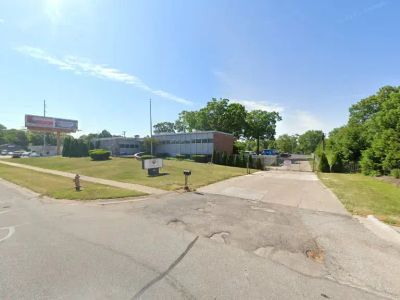
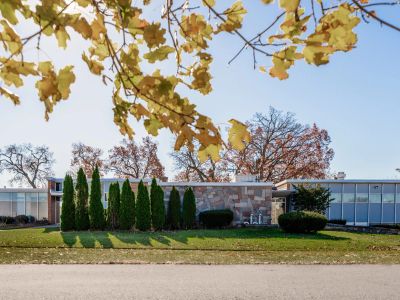
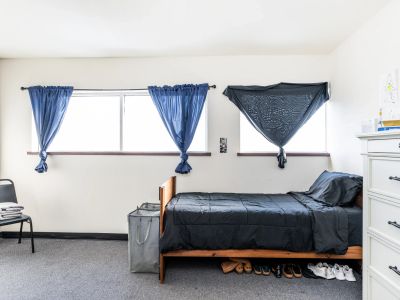
Cardinal Recovery
Franklin, Indiana
1130 West Jefferson St, Franklin, IN, 46131
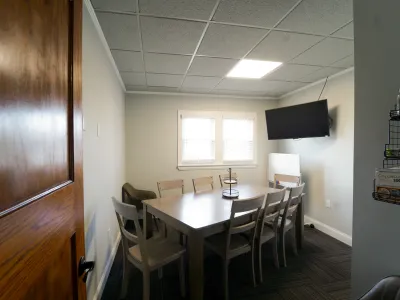
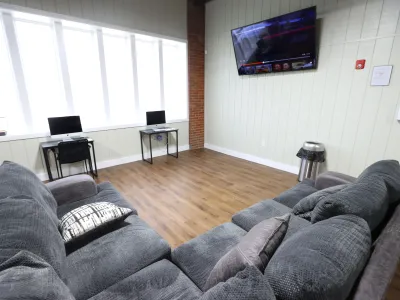
First City Recovery Center
Kokomo, Indiana
317 W Jefferson St, Kokomo, IN, 46901
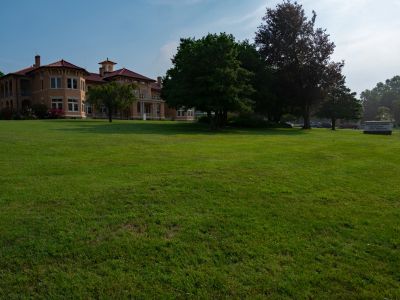
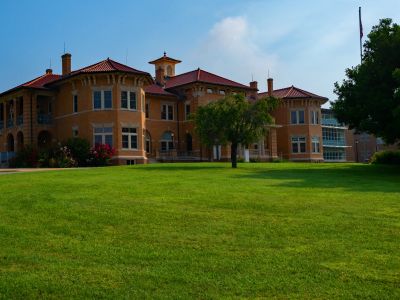

Madison State Hospital
Madison, Indiana
711 Green Road, Madison, IN, 47250
Get Personalized Rehab Matches in 60 Seconds
Tell us a few details and we’ll show a personalized shortlist of verified Indiana rehabs, making it simple to compare options and choose your next step with confidence.
Pinnacle Treatment Centers - 8955 Broadway
Merrillville, Indiana
8955 Broadway Merrillville, IN 46410
Southwestern Behavioral Healthcare - Faren E. Levell Center
Evansville, Indiana
410 Mulberry St. Evansville, IN 47713
Why Trust Indiana Rehabs
As Hoosiers helping Hoosiers, we understand the unique challenges our communities face. Our team meticulously verifies every Indiana treatment center, ensuring you find trusted, local care that truly understands your journey.
About our listingsLevels of Care
Explore popular treatment options by levels of care, from flexible treatment in Outpatient centers to intensive care in Residential rehabs.
Free · 24/7 · Confidential
Talk to a Treatment Specialist
Call now to get matched with Indiana facilities that accept your insurance.
(888) 568-9930
Free
Ins. check
4.9★
Rating
HIPAA
Protected
Can't travel to a facility?
Licensed Indiana therapists via secure video — same-week appointments, evenings & weekends available.
Have you ever wondered if there’s a way to treat addiction that goes beyond just saying “no”, a method that helps you build a life so rich, substance use naturally loses its grip? Picture slowly swapping out isolation or old routines for new activities, healthier habits, and meaningful connections. That’s the heart of community reinforcement approach, a proven therapy that doesn’t just take something away, but empowers you to fill your days with moments and relationships that make sobriety genuinely worth choosing.

WHAT HAPPENS IN COMMUNITY REINFORCEMENT APPROACH?
In community reinforcement approach sessions, you and your therapist work as a team. The first step is often a 'functional analysis,' which is just a way of understanding the specific triggers and consequences of your substance use behaviors[1]. From there, the focus is on building practical skills, like improving communication, solving problems, and finding new sober activities, to make a life without substances more rewarding than one with them[2]. This collaborative approach empowers you to create positive changes.
WHAT IS THE THEORY BEHIND THE COMMUNITY REINFORCEMENT APPROACH?
The theory behind CRA therapy is rooted in a simple but powerful idea from behavioral psychology: we are more likely to repeat behaviors that lead to rewards[3]. CRA applies this by helping you identify and reduce the reinforcement you get from substance use while actively increasing the reinforcement you get from sobriety. It’s not about willpower alone; it’s about restructuring your environment so that healthy choices naturally bring more positive consequences[4]. This often involves tangible rewards, a concept also used in contingency management.
WHAT ARE THE ORIGINS OF THE COMMUNITY REINFORCEMENT APPROACH?
Developed in the 1970s by psychologists Nathan Azrin and George Hunt, the community reinforcement approach was first designed to treat alcohol use disorder[1]. Over the years, it has been adapted to help more people. Key variations include the Adolescent-community reinforcement approach (A-CRA) for teens and community reinforcement and family training (CRAFT), which teaches family members how to support their loved one's recovery. You can find excellent CRAFT model resources from Overdose Lifeline to learn more about how families can get involved.

EVIDENCE FOR THE COMMUNITY REINFORCEMENT APPROACH?
Yes, CRA is an evidence-based practice with strong scientific support. Decades of research and numerous randomized trials have shown its effectiveness for various drug use disorders, including those involving alcohol, cocaine, and cannabis[1]. Studies consistently show that it helps people reduce substance use, stay in treatment longer, and improve their overall quality of life[5]. It's considered one of several highly effective evidence-based programs available today.
Finding CRA Therapy in Indiana
CRA therapy offers a compassionate, practical path to recovery by helping you build a life that feels genuinely fulfilling. Many licensed treatment facilities across Indiana incorporate the principles of this powerful behavioral therapy to support their patients[6]. Finding the right clinician and program is the first step toward creating lasting change for you or your family. An addiction assessment can help clarify what level of care is right for you.
If you’re ready to explore treatment options that focus on positive reinforcement and building a supportive community, we are here to help. The journey to a rewarding, sober life is possible, and it often starts with a simple conversation. You can call us at (888) 568-9930 to speak with a caring specialist, or contact us to learn more about programs in your area. At Indiana Rehabs, we believe in connecting you with the tools and support you need to thrive.
Frequently Asked Questions About CRA Therapy
What is the main goal of CRA therapy?
How is CRA different from 12-step programs?
What is Community Reinforcement and Family Training (CRAFT)?
Is CRA only for alcohol addiction?
Who is a good candidate for CRA therapy?
- Meyers, R. J., Miller, W. R., Smith, J. E., & Tonigan, J. S. (2003). The community reinforcement approach: An update of the evidence. Alcohol Research & Health. pmc.ncbi.nlm.nih.gov
- (06-14-2019). community reinforcement approach (CRA). Recovery Research Institute. recoveryanswers.org
- (2017). community reinforcement approach. Canadian Centre on Substance Use and Addiction. ccsa.ca
- Sisson, R. W., & Azrin, N. H. (1997). The community-reinforcement approach. Substance Abuse: A Comprehensive Textbook. pmc.ncbi.nlm.nih.gov
- Rohani, E. et al. (2024). The effectiveness of the community reinforcement approach (CRA) program on quality of life in people with SUD. Frontiers in Public Health. pmc.ncbi.nlm.nih.gov
- Indiana Family and Social Services Administration. (07-14-2020). Certification and Licensure Rules and Indiana Code. Indiana Family and Social Services Administration. in.gov