Rehabs Offering Contingency Management

Showing 9 of 9 Results (filtered)
Featured Rehab Centers

1411 W County Line Rd, Suite 1411A, Greenwood, IN 46142



Indiana Treatment Centers
Columbus, Indiana
1888 Poshard Dr, Columbus, IN 47203

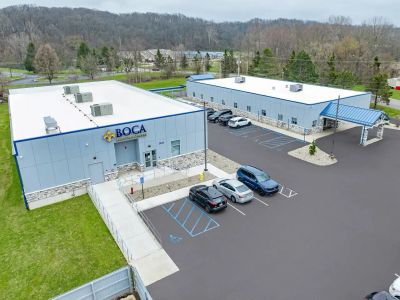

Boca Recovery Center - Indiana Drug and Alcohol Rehab
Huntington, Indiana
3040 W Park Dr, Huntington, IN 46750
Get Personalized Rehab Matches in 60 Seconds
Tell us a few details and we’ll show a personalized shortlist of verified Indiana rehabs, making it simple to compare options and choose your next step with confidence.



Cardinal Recovery
Franklin, Indiana
1130 West Jefferson St, Franklin, IN, 46131



First City Recovery Center
Kokomo, Indiana
317 W Jefferson St, Kokomo, IN, 46901



Madison State Hospital
Madison, Indiana
711 Green Road, Madison, IN, 47250
Pinnacle Treatment Centers - 581 E. Main Street
Hagerstown, Indiana
581 E. Main Street Hagerstown, IN 47346
Pinnacle Treatment Centers - 8955 Broadway
Merrillville, Indiana
8955 Broadway Merrillville, IN 46410
Southwestern Behavioral Healthcare - Faren E. Levell Center
Evansville, Indiana
410 Mulberry St. Evansville, IN 47713
Why Trust Indiana Rehabs
As Hoosiers helping Hoosiers, we understand the unique challenges our communities face. Our team meticulously verifies every Indiana treatment center, ensuring you find trusted, local care that truly understands your journey.
About our listingsLevels of Care
Explore popular treatment options by levels of care, from flexible treatment in Outpatient centers to intensive care in Residential rehabs.
Free · 24/7 · Confidential
Talk to a Treatment Specialist
Call now to get matched with Indiana facilities that accept your insurance.
(888) 568-9930
Free
Ins. check
4.9★
Rating
HIPAA
Protected
Can't travel to a facility?
Licensed Indiana therapists via secure video — same-week appointments, evenings & weekends available.
What if every step you took toward sobriety earned you a tangible reward, a little extra boost on those days when motivation just isn’t showing up on its own? Early recovery can feel like pushing a boulder uphill, especially when the internal drive isn’t quite there yet. contingency management offers real, proven support by rewarding your efforts and helping each hard-won choice add up to something bigger, making the path forward more encouraging and sustainable.

What is Contingency Management Therapy?
At its heart, contingency management therapy is a form of behavioral therapy that reinforces positive choices. Think of it as a structured way to create motivation. It’s built on a simple, powerful idea: when you reward a behavior, you make it more likely to happen again. This principle, known as positive reinforcement, is something we see in everyday life. For example, a child who gets an allowance for completing chores is more likely to keep doing them. In the context of recovery from substance use disorders, contingency management applies this same logic to support goals like staying sober.
Sometimes, people mistake this approach for bribery, but it’s quite different. It isn’t about “paying” someone to be sober; it’s a therapeutic tool designed to help heal the brain’s reward system. When someone is struggling with addiction, their brain chemistry changes, making it hard to feel pleasure from everyday activities. contingency management provides immediate, tangible rewards that help retrain the brain, creating new, healthy pathways and making the hard work of recovery feel more manageable and rewarding from the very start. It’s a way to jump-start internal motivation when it’s running low. To learn more about different therapeutic approaches, you can explore various types of addiction treatment and see how they fit into a larger recovery plan.
How Does Contingency Management Work?
So, how does contingency management work in a real-world treatment setting? It's a straightforward and transparent process designed to create clear goals and celebrate your progress every step of the way. When you start a program, you and your counselor work together to set achievable targets. The most common goal is abstinence from substance use, which is tracked through regular, objective tests like urine screenings.
Here’s what you can typically expect:
- Setting Clear Goals: Together with your therapist, you'll define what success looks like. This usually means a negative drug test, but it can also include attending therapy sessions or taking medication as prescribed.
- Regular Monitoring: You’ll participate in scheduled tests to check your progress. This creates a consistent and accountable structure, so you always know where you stand.
- Immediate Rewards: When you meet your goal, you receive a reward right away. This immediate positive reinforcement is key to building momentum and retraining the brain's reward circuits.
Two common models are used to provide these incentives. In voucher-based reinforcement, you earn a voucher for each goal you meet. With every consecutive success, the value of the voucher increases. These vouchers can be exchanged for goods and services that support a healthy lifestyle, like groceries, movie tickets, or items from a local store. Another popular method is the "fishbowl" technique. For every target you hit, you get to draw a slip of paper from a bowl, which could win you a prize of varying value. While some prizes are small, there’s always a chance of drawing a larger one, which adds an element of excitement to the process.
Imagine a patient at an Indiana clinic who provides a negative urine sample. Their counselor might immediately give them a voucher or let them draw from the prize bowl. This small, consistent reward makes the hard work of recovery feel recognized and achievable, one day at a time. The entire process is about building a pattern of positive behavior that becomes its own reward over time. Understanding the different levels of care can help you see how this therapy might fit into your journey.
EVIDENCE FOR CONTINGENCY MANAGEMENT
When you're considering a treatment option, you want to know if it actually works. The good news is that contingency management is one of the most effective and well-researched therapies available for substance use disorders, especially for stimulant use. Decades of studies have shown its power to help people achieve and maintain abstinence.

Research shows that contingency management has a significant impact. For individuals struggling with stimulant use (like cocaine or methamphetamine), it has a medium-to-large effect size, a statistical measure of how well a treatment works. It's also highly effective at helping patients with opioid use disorder stick with their medication plans, which is crucial for preventing relapse and overdose. The positive effects extend to other areas as well, including encouraging attendance at therapy sessions and helping individuals who use multiple substances.
It's also important to be realistic about what contingency management can and can't do. The evidence shows that its powerful effects are most prominent while the incentives are in place. After the reward program ends, the direct impact on abstinence tends to fade. This doesn't mean it fails; it means contingency management is best used as a tool to build initial momentum. It helps you get started, stringing together days and weeks of sobriety so that other therapeutic work, like cognitive-behavioral therapy or counseling, has a chance to take root and build a foundation for long-term recovery.
Barriers to implementation
If contingency management is so effective, why isn’t it available everywhere? Unfortunately, there are several significant barriers that have slowed its widespread adoption. One of the biggest hurdles is legal and regulatory. Federal laws, like the Anti-Kickback Statute, were originally designed to prevent fraud and unethical patient inducement, such as paying someone to choose a specific doctor or service. While well-intentioned, these laws can be misinterpreted to apply to the incentives used in contingency management, creating a gray area that makes treatment providers hesitant to offer it.
Logistical challenges also play a role. Running a contingency management program requires administrative oversight, staff training, and, most importantly, funding for the rewards. For many clinics, especially those operating on tight budgets or relying on Medicaid reimbursement, the cost of providing vouchers or prizes can be a major obstacle. Without clear guidelines and support from insurers and government bodies, providers are often left to figure it out on their own.
Finally, some philosophical objections exist. A small number of people still hold the misconception that it's "paying patients to be sober," viewing it as undermining a person's intrinsic motivation. However, as the evidence shows, these external rewards are a powerful tool to help build that internal drive when it's been damaged by addiction. Overcoming these barriers will require clearer regulations, better funding models, and continued education to help everyone see contingency management for what it is: a compassionate, evidence-based tool for recovery.
Finding Contingency Management Therapy in Indiana
Finding the right kind of support is a critical step in recovery. If you're an Indiana resident looking for this specific type of therapy, knowing where to start can make all the difference. While not every facility offers it, contingency management is becoming more recognized, and there are ways to locate providers who do.
A good starting point is to look at larger, university-affiliated treatment centers or hospitals, as they are often more involved in research and evidence-based practices. When you reach out to potential treatment centers, it’s important to ask specific questions to ensure they offer a true contingency management program. Don't hesitate to be direct. Here are a few things you can ask an admissions navigator:
- Do you offer a formal contingency management program for substance use?
- What specific behaviors are rewarded in your program (e.g., negative drug tests, therapy attendance)?
- What kind of rewards or incentives are used (vouchers, prize draws, etc.)?
- How is this therapy integrated with other forms of treatment you provide?
Getting clear answers to these questions will help you understand if their program aligns with what you're looking for. The goal is to find a supportive environment where you feel motivated and empowered. To take the next step, you can explore Indiana providers offering contingency management and start the conversation about your recovery journey today.
Take the Next Step Toward Recovery
In the end, contingency management is more than just a system of rewards; it’s a powerful, science-backed tool that can provide the spark of motivation needed in the toughest moments of early recovery. It helps build a bridge from uncertainty to stability, making the path to abstinence feel less overwhelming and more achievable, one positive choice at a time.
It’s important to remember that this therapy works best as part of a complete treatment plan. When combined with other approaches like counseling and support groups, it helps you not only stop using substances but also address the root causes of addiction. This integrated approach gives you the best chance at building a strong, lasting foundation for recovery.
You don’t have to do this alone. If you're ready to find the support you deserve, we are here to help. Call us now for a confidential consultation.
Taking that first step can feel difficult, but it’s the most important one you’ll make. At Indiana Rehabs, we are here to guide you through the process of finding the right treatment for your needs. You can reach out to us by calling (888) 568-9930 or by visiting our contact page to start a confidential conversation. Let us help you find a path forward today.