Rehabs Offering Dance / Movement Therapy

Showing 6 of 6 Results (filtered)
Featured Rehab Centers

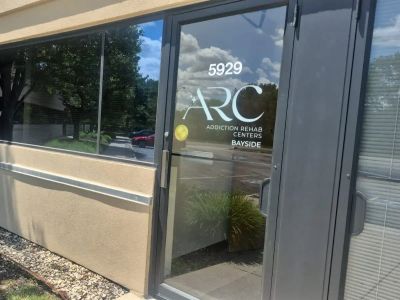

Addiction Rehab Centers - ARC At Bayside | Indianapolis Drug & Alcohol Rehab
Indianapolis, Indiana
5929 Lakeside Blvd, Indianapolis, IN 46278
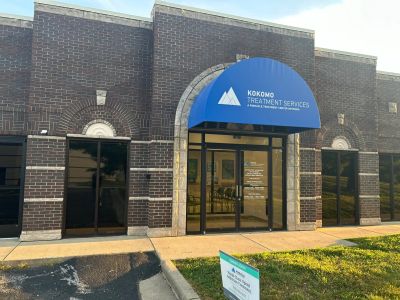
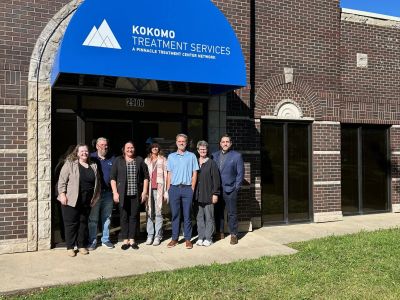
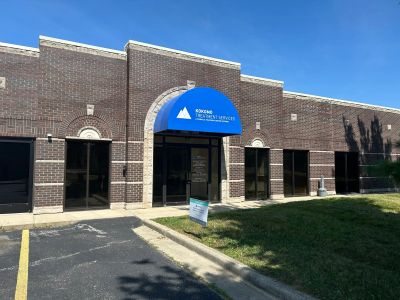
Pinnacle Treatment Centers - Kokomo
Kokomo, Indiana
2906 S. Reed Rd. Kokomo, IN 46902



Indiana Center for Recovery - Alcohol & Drug Rehab Center Bedford
Bedford, Indiana
1600 23rd St, Bedford, IN 47421
Get Personalized Rehab Matches in 60 Seconds
Tell us a few details and we’ll show a personalized shortlist of verified Indiana rehabs, making it simple to compare options and choose your next step with confidence.
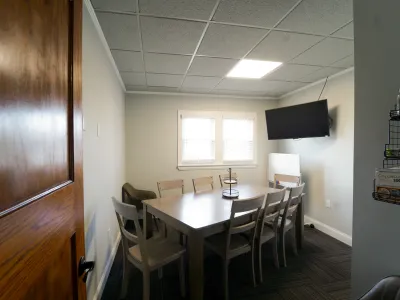
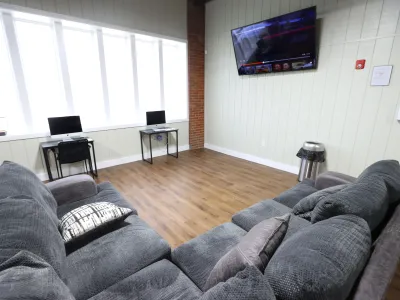
First City Recovery Center
Kokomo, Indiana
317 W Jefferson St, Kokomo, IN, 46901



Madison State Hospital
Madison, Indiana
711 Green Road, Madison, IN, 47250
Southwestern Behavioral Healthcare - Faren E. Levell Center
Evansville, Indiana
410 Mulberry St. Evansville, IN 47713
Why Trust Indiana Rehabs
As Hoosiers helping Hoosiers, we understand the unique challenges our communities face. Our team meticulously verifies every Indiana treatment center, ensuring you find trusted, local care that truly understands your journey.
About our listingsLevels of Care
Explore popular treatment options by levels of care, from flexible treatment in Outpatient centers to intensive care in Residential rehabs.
Free · 24/7 · Confidential
Talk to a Treatment Specialist
Call now to get matched with Indiana facilities that accept your insurance.
(888) 568-9930
Free
Ins. check
4.9★
Rating
HIPAA
Protected
Can't travel to a facility?
Licensed Indiana therapists via secure video — same-week appointments, evenings & weekends available.
Have you ever noticed how your whole body seems to tense up when you're anxious, or how your shoulders drop when relief washes over you? Those moments reveal just how deeply our emotions and bodies are entwined. Dance movement therapy builds on that powerful connection, offering a proven, creative path to healing, especially when words just can't quite reach the pain or confusion inside.

What is Dance/Movement Therapy?
At its heart, dance therapy and movement therapy (DMT) is a form of psychotherapy that uses movement to help people heal and grow. The American Dance Therapy Association (ADTA), the main professional organization for this field, defines it as the psychotherapeutic use of movement to promote emotional, social, cognitive, and physical integration of the individual[1]. That might sound complex, but the core idea is simple: your body and mind are in constant conversation with each other. What you feel emotionally shows up in your body, and how you move your body can change how you feel.
This isn't about performing or learning perfect dance steps. You don't need any dance experience at all. Instead of focusing on choreography, DMT focuses on your personal expression. It’s about listening to your body and allowing it to communicate what’s going on inside. A trained therapist guides you through this process, creating a safe space to explore feelings and experiences that might be too difficult to put into words. This makes dance movement therapy a powerful tool, especially when dealing with deep-seated stress or trauma. It's an evidence-based field that helps connect the mind and body for whole-person healing[2].
Principles of Dance Therapy
Dance movement therapy is built on a few foundational ideas that make it so effective. These principles guide how a therapist works and help explain why movement can be such a powerful catalyst for change.
- The Mind-Body Connection is Central: This is the cornerstone of DMT. The belief is that the mind and body are inseparable and constantly influencing each other. Emotional pain can manifest as physical tension, and conversely, changing your posture or movement can shift your emotional state. Therapy works with this connection to promote overall well-being.
- Movement Reflects the Inner Self: How we move, our posture, gestures, and rhythms, is a form of nonverbal communication. It can reveal our deepest feelings, personality traits, and unresolved conflicts. A therapist can observe these movement patterns to better understand what you’re experiencing, even the parts you can’t articulate.
- The Therapeutic Relationship is Key: Just like in talk therapy, the trust and rapport you build with your therapist are vital. In DMT, this connection is often built through movement itself, such as the therapist mirroring your gestures to show empathy and understanding. This creates a strong, safe container for emotional expression and healing.
- Improvisation and Authenticity Matter Most: There are no "right" or "wrong" moves in dance therapy. The focus is on authentic, spontaneous movement that comes from within. This creative freedom allows for genuine emotional expression and helps you discover new ways of being and coping.
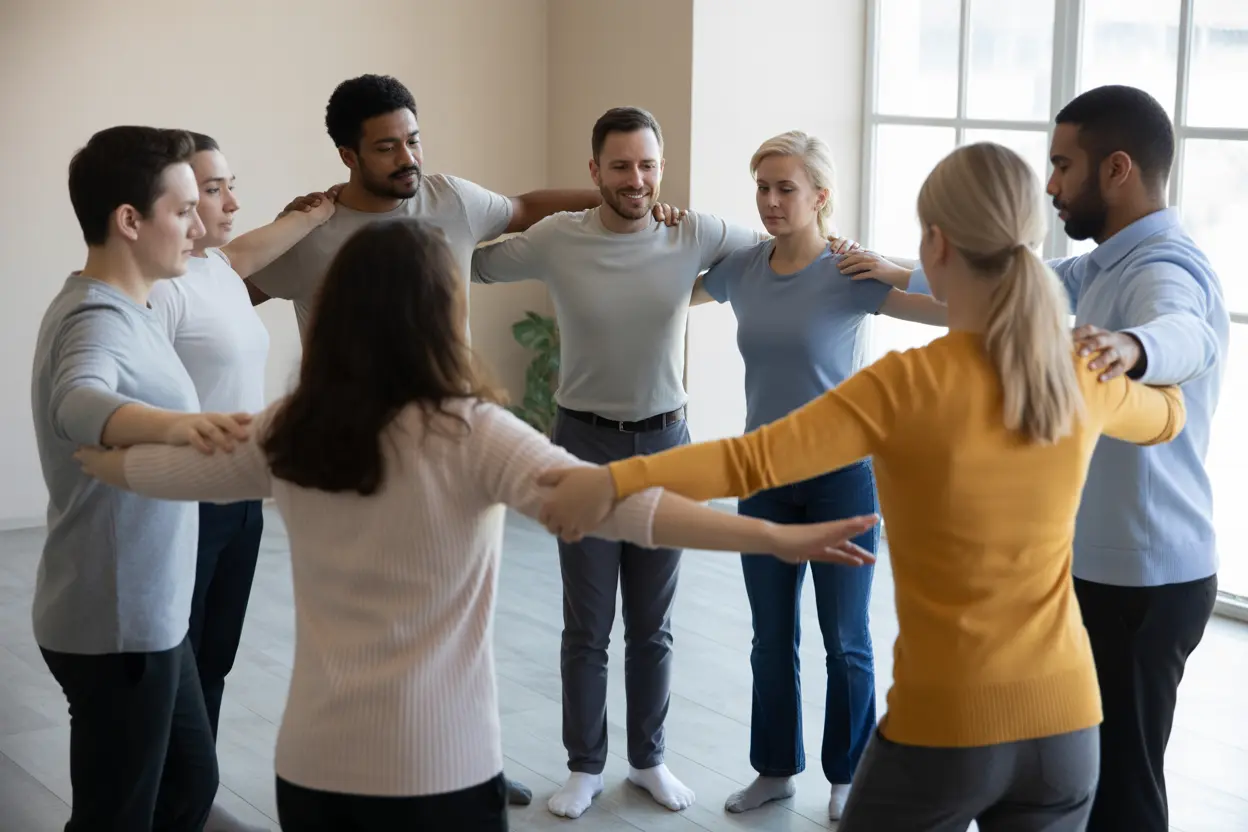
Dance / Movement Therapy: Benefits, Techniques & How It Works
When you engage in dance movement therapy, you’re tapping into your body’s natural ability to heal and express itself. The benefits are wide-ranging, touching on emotional, psychological, and even physical aspects of your well-being. People often report feeling more connected to their bodies, having a greater sense of self-awareness, and developing healthier coping skills. Research shows it can significantly reduce symptoms of depression and anxiety while improving overall quality of life[3].
Therapists use a variety of techniques to help you on this journey. One common technique is "mirroring," where the therapist reflects your movements back to you without judgment. This simple act can be incredibly validating, helping you feel seen and understood on a profound level. Other techniques might include using props like scarves or balls to explore different qualities of movement, focusing on breathwork to ground yourself, or using rhythm to express and release strong emotions. The goal of these techniques isn't performance; it's to unlock the stories and feelings held within your body.
So, how is this different from just going to a dance class? The biggest difference lies in the intention. A dance class is about learning steps and technique. A dance therapy session is about inner exploration and healing. You have a trained therapist guiding the process, helping you make connections between your movements, your feelings, and your life experiences. It’s a confidential, therapeutic space where the focus is entirely on you and your journey toward wholeness.
What Kind of Issues Can Dance Therapy Help With?
Because it addresses the whole person, mind, body, and spirit, dance movement therapy can be beneficial for a wide range of challenges. It's a versatile approach that can be adapted for individuals, couples, families, and groups. Some of the common issues it can help with include:
- Mental Health Conditions: It has been shown to be effective for people experiencing anxiety, depression, and other mood disorders. It provides a non-verbal outlet for feelings that can be overwhelming.
- Trauma and PTSD: Trauma is often stored in the body, and DMT can help individuals process traumatic memories that are difficult to access through talk therapy alone. It helps restore a sense of safety and empowerment in one's own body.
- Eating Disorders: For those struggling with body image issues and eating disorders, DMT can help rebuild a healthy relationship with their body, focusing on what it can do rather than how it looks.
- Addiction Recovery: As part of a comprehensive treatment plan, it can help people in recovery reconnect with their bodies, manage cravings, and develop new coping skills for stress.
- Grief and Loss: Movement can be a powerful way to express and move through the complex emotions of grief when words feel inadequate.
- Chronic Pain and Medical Conditions: DMT is also used to help people manage chronic pain, cope with medical diagnoses like cancer, and address symptoms of neurological conditions like Parkinson's or dementia[4].
How Effective Is Dance Therapy?
It's natural to wonder if an approach like dance therapy is truly effective, and the answer is a resounding yes. This isn't just a feel-good activity; it's a legitimate, evidence-based psychotherapy with a growing body of research to support it. Over the years, numerous studies have explored its impact on various populations and conditions.
Many of these studies have been gathered into large-scale reviews called meta-analyses, which look at the combined results of many different studies to get a clearer picture of overall effectiveness. One major meta-analysis found that dance movement therapy has a significant positive effect on reducing anxiety and depression, while also improving quality of life and interpersonal skills[3]. The research highlights that connecting with your body through guided movement can create real, measurable changes in your brain and emotional state. This is one reason why it is often integrated into holistic treatment programs that focus on healing the whole person. While more research is always helpful, the existing evidence strongly supports DMT as a valuable therapeutic tool.
What does a dance/movement therapy session look like?
Walking into your first dance therapy and movement therapy session can feel a little mysterious, but the structure is designed to be gentle, safe, and supportive. While every therapist has their own style, a typical one-hour session, whether for individual or group therapy, often follows a predictable arc.
A session usually begins with a warm-up and check-in. This is a time for you to arrive and get centered. Your therapist might lead you through some simple breathing exercises, gentle stretches, or small, repetitive movements. You’ll also have a chance to briefly share (verbally or non-verbally) how you’re feeling that day. This phase helps transition you from the outside world into the therapeutic space.
The middle part of the session is the thematic development. This is the heart of the work, where you’ll explore a particular theme, feeling, or issue. Your therapist might suggest a prompt, like "show me what anxiety feels like in your body," or they may pick up on a gesture you made during the warm-up and invite you to explore it further. This phase is often improvisational, following where your body and emotions lead. It’s not about performance; it’s about discovery.
Finally, the session ends with a cool-down and closure. This helps you integrate what you’ve experienced and prepare to re-enter your day. It might involve slower, more grounding movements, a moment of stillness, or verbal processing where you and your therapist discuss any insights that arose during the session. The goal is to leave you feeling more centered, aware, and complete than when you arrived.
History and Philosophy of Dance Therapy
The idea that dance can be healing is ancient, but dance movement therapy as a formal profession began to take shape in the 1940s. Its roots are deeply entwined with the worlds of modern dance and psychology. Pioneers in the field, many of whom were accomplished dancers themselves, began to notice the profound psychological effects that movement had on their students and, eventually, on patients in clinical settings.
One of the most notable pioneers was Marian Chace, who started her work in the 1940s at St. Elizabeths Hospital in Washington, D.C. She worked with psychiatric patients, many of whom were non-verbal or considered "unreachable." Chace discovered that by mirroring their movements and rhythms, she could establish a connection and build a therapeutic relationship. Her success demonstrated that dance could be a powerful form of communication and a bridge to healing for those struggling with severe mental illness.
The philosophy of dance therapy was shaped by major psychological theories of the time, including psychodynamic and humanistic principles. From psychodynamic theory, it borrowed the idea that our unconscious thoughts and feelings can be brought to light through symbolic expression, in this case, through movement. From humanistic psychology, it embraced the focus on self-actualization, personal growth, and the belief in each person’s innate capacity to heal. This rich history led to the formal establishment of the American Dance Therapy Association (ADTA) in 1966, which continues to set the professional standards for the field today[5].

How to Find a Qualified Dance Movement Therapist in Indiana
Finding the right therapist is a crucial step in any healing journey, and it's especially important in a specialized field like dance movement therapy. You want to ensure you're working with someone who has the proper training, credentials, and experience to provide safe and effective care. In the United States, the profession is regulated by the dance therapy and movement therapy Certification Board (DMTCB), which works in connection with the ADTA.
There are two main credentials to look for. The first is R-DMT (Registered Dance/Movement Therapist). This indicates that the therapist has completed a master's degree from an ADTA-approved program and has undergone extensive clinical supervision[6]. The next level is BC-DMT (Board Certified Dance/Movement Therapist), which is the advanced, board-certified credential. A BC-DMT has completed even more hours of supervised clinical work and has demonstrated a higher level of expertise in the field. Many therapists in Indiana may also hold a state license as a counselor or social worker, such as a Licensed Mental Health Counselor (LMHC)[7].
So, where can you start your search in Indiana? Here are a few actionable steps:
- Check the ADTA National Registry: The American Dance Therapy Association (ADTA) website has a "Find a Therapist" directory that you can search by state. This is the best place to find credentialed professionals in Indiana.
- Explore Local Treatment Directories: Websites like ours can help you find treatment centers and therapists in your area that offer specialized services like dance movement therapy.
- Ask for Referrals: Your primary care doctor, a trusted mental health professional, or even a local university with a counseling program may be able to provide referrals to qualified therapists.
When you contact a potential therapist, don't be afraid to ask questions about their qualifications, their experience with the issues you're facing, and their overall approach to therapy. Finding a good fit is essential for building the trust needed for this deeply personal work.
Where do dance/movement therapists work?
Dance/movement therapists work in a surprisingly wide variety of settings, which speaks to the versatility and broad applicability of this therapy. You can find these qualified professionals in many different clinical and community environments across Indiana. Common workplaces include:
- Mental Health Clinics and Agencies: Both outpatient and inpatient facilities often incorporate DMT as part of their services for anxiety, depression, and other mental health conditions.
- Rehabilitation Centers: Facilities for substance use recovery, physical rehabilitation, and eating disorder treatment often use DMT to address the mind-body connection in healing.
- Hospitals: This includes psychiatric units, pediatric wards, and oncology departments, where therapy helps patients cope with illness, pain, and the stress of treatment.
- Nursing Homes and Assisted Living Facilities: Therapists work with older adults to improve mobility, cognitive function, and emotional well-being.
- Schools: DMT can be used in educational settings to help children with developmental, emotional, or behavioral challenges.
- Private Practice: Many R-DMTs and BC-DMTs have their own private practices where they see individuals, couples, and families.
- Community Centers and Wellness Studios: Some therapists offer groups or workshops in community settings, focusing on stress reduction, self-expression, and personal growth.
Take the Next Step on Your Healing Journey
As we've seen, dance movement therapy is so much more than just dancing. It is a respected, evidence-based treatment that honors the deep wisdom of your body. It offers a path to healing for those struggling with trauma, anxiety, depression, and many other challenges by providing a way to express what words cannot. It’s a reminder that your body is not just something you have, but a core part of who you are, with its own stories to tell and its own capacity to heal.
Taking the first step toward any kind of therapy is an act of courage and self-care. If you feel that connecting with your body could unlock a new level of healing, exploring experiential therapies like this may be the right next step for you. You don’t have to navigate this journey alone. For guidance and support in finding the right treatment in Indiana, the team at Indiana Rehabs is here to help. You can call us at (888) 568-9930 or contact us to connect with caring professionals who can help you find your footing on the path to recovery.
Frequently Asked Questions About Dance Movement Therapy
What if I feel self-conscious about moving in front of others?
Is dance movement therapy covered by insurance?
How does dance therapy specifically help with addiction recovery?
Can dance movement therapy be done online or via telehealth?
Can children and teens benefit from dance movement therapy?
- Vasile, V. (08-03-2024). The role of dance movement therapy in enhancing emotional, cognitive, social, and physical integration: a narrative review. Frontiers in Psychology. ncbi.nlm.nih.gov
- Cor-Serrano, N. (2023). A literature review exploring the effectiveness of dance therapy and movement therapy on dual diagnosis populations. Lesley University. digitalcommons.lesley.edu
- Koch, S. et al. (08-20-2019). Effects of dance movement therapy and dance on health-related psychological outcomes: A meta-analysis. Frontiers in Psychology. ncbi.nlm.nih.gov
- Pylvänäinen, P., & Lappalainen, P. (02-18-2021). The potential benefits of dance movement therapy in improving quality of life and functioning among adults with severe mental illness. Frontiers in Psychology. ncbi.nlm.nih.gov
- dance therapy and movement therapy Certification Board, Inc. (December, 2022). Board certified dance/movement therapist (BC-DMT) applicant handbook. dance therapy and movement therapy Certification Board, Inc. adta.memberclicks.net
- American Dance Therapy Association. (n.d.). R-DMT application materials. American Dance Therapy Association. adta.org
- Indiana Counseling Association. (01-01-2025). Licensure information. Indiana Counseling Association. indianacounseling.org