Rehabs Offering Equine Therapy

Showing 11 of 11 Results (filtered)
Featured Rehab Centers
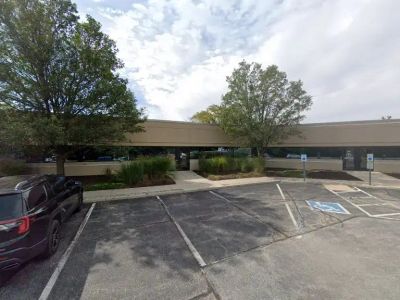
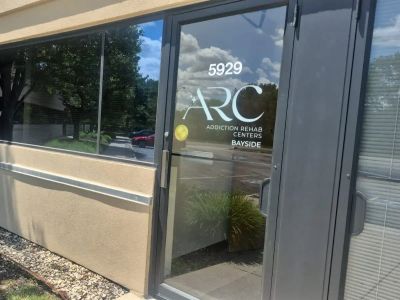

Addiction Rehab Centers - ARC At Bayside | Indianapolis Drug & Alcohol Rehab
Indianapolis, Indiana
5929 Lakeside Blvd, Indianapolis, IN 46278



Indiana Treatment Centers
Columbus, Indiana
1888 Poshard Dr, Columbus, IN 47203



Indiana Center for Recovery - Alcohol & Drug Rehab Center Bedford
Bedford, Indiana
1600 23rd St, Bedford, IN 47421
Get Personalized Rehab Matches in 60 Seconds
Tell us a few details and we’ll show a personalized shortlist of verified Indiana rehabs, making it simple to compare options and choose your next step with confidence.

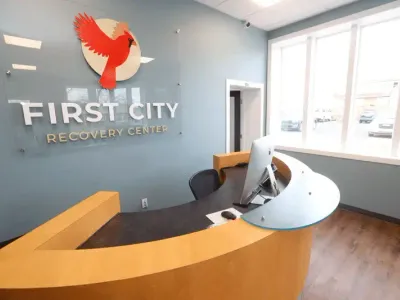

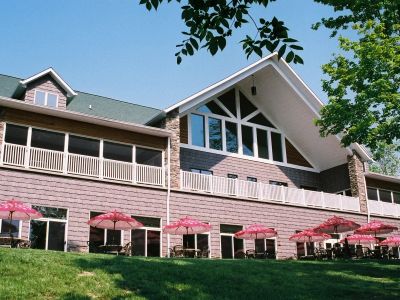
First City Recovery Center
Kokomo, Indiana
317 W Jefferson St, Kokomo, IN, 46901

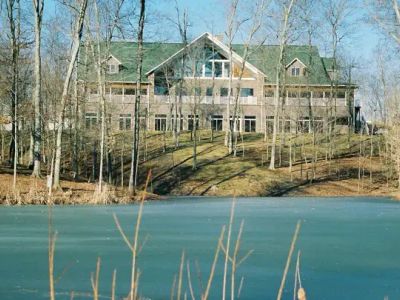
Wooded Glen Recovery Center
Henryville, Indiana
2602 Hebron Church Rd., Henryville, IN, 47126



Madison State Hospital
Madison, Indiana
711 Green Road, Madison, IN, 47250

Midwest Center for Youth and Families - South Shore Academy
Valparaiso, Indiana
2301 Cumberland Drive, Valparaiso, IN 46383
Pinnacle Treatment Centers - 2209 John R Wooden Drive
Martinsville, Indiana
2209 John R Wooden Drive, 3rd Floor Martinsville, IN 46151
Pinnacle Treatment Centers - 8955 Broadway
Merrillville, Indiana
8955 Broadway Merrillville, IN 46410
Pinnacle Treatment Centers - Kokomo
Kokomo, Indiana
2906 S. Reed Rd. Kokomo, IN 46902
Southwestern Behavioral Healthcare - Faren E. Levell Center
Evansville, Indiana
410 Mulberry St. Evansville, IN 47713
Why Trust Indiana Rehabs
As Hoosiers helping Hoosiers, we understand the unique challenges our communities face. Our team meticulously verifies every Indiana treatment center, ensuring you find trusted, local care that truly understands your journey.
About our listingsLevels of Care
Explore popular treatment options by levels of care, from flexible treatment in Outpatient centers to intensive care in Residential rehabs.
Free · 24/7 · Confidential
Talk to a Treatment Specialist
Call now to get matched with Indiana facilities that accept your insurance.
(888) 568-9930
Free
Ins. check
4.9★
Rating
HIPAA
Protected
Can't travel to a facility?
Licensed Indiana therapists via secure video — same-week appointments, evenings & weekends available.
Maybe you’ve found yourself sitting across from a therapist, searching for words that just don’t seem to come, feeling like talk alone isn’t enough to reach what hurts. Sometimes, real healing starts not with conversation, but with movement, touch, and the quiet comfort of another presence, like the steady companionship of a horse. In these moments, you can discover a powerful, non-verbal way to explore your feelings and rebuild trust in yourself. equine therapy opens a door to gentle growth and connection, bringing fresh perspectives you might never have found in words alone.

How It Works
equine therapy isn’t about just spending time with animals; it's a form of experiential treatment, which means you learn and heal through hands-on activities. Instead of only talking about your feelings, you get to explore them in real-time with the help of a team. Typically, your sessions will be guided by a licensed mental health professional, an equine specialist who ensures safety and understands horse behavior, and of course, the horse itself.
So, what makes a horse such a powerful partner in this process? Horses are incredibly sensitive prey animals, wired to be highly aware of their surroundings and the energy of those around them. They don't care about your past or what you say; they react to your non-verbal cues, your posture, your breathing, your heart rate. In this way, a horse acts as a non-judgmental mirror, providing immediate and honest feedback on your emotional state[1]. If you’re anxious, a horse might become skittish. If you’re calm and confident, it might draw closer.
This interaction creates a safe space to recognize your own behavior patterns and emotional responses without fear of judgment. The therapist helps you process these moments, connecting what happens in the arena with your life outside of treatment. This unique approach is part of a broader field of animal-assisted therapy that recognizes the profound bond between humans and animals and its potential for improving mental health.
The Benefits of Equine-Assisted Psychotherapy
Working alongside a thousand-pound animal that responds to your every move can be a deeply transformative experience. The benefits of equine-assisted psychotherapy ripple through every aspect of a person’s well-being, from emotional health to social interactions. Research shows it can lead to significant improvements for a wide range of individuals, including at-risk youth and people with serious mental illness[2][3]. It's also been recognized as a powerful tool for helping military veterans process trauma[4].
Here’s a look at some of the key benefits you can gain:
Emotional and Mental Health Benefits:
- Building Trust: Learning to trust a powerful animal helps you learn to trust yourself and others again.
- Improving Self-Esteem: Successfully guiding a horse builds confidence and a sense of accomplishment.
- Managing Anxiety and Stress: The focused, present-moment nature of working with horses can calm a racing mind and lower stress levels.
- Processing Trauma (PTSD): For many, especially veterans, the non-verbal relationship with a horse provides a safe outlet to work through traumatic experiences. equine therapy can be particularly helpful for those struggling with symptoms of PTSD.
- Developing Emotional Regulation: Horses mirror your feelings, teaching you to recognize and manage your emotions to create a calmer internal state.
Social and Interpersonal Skills:
- Enhancing Communication: Since horses rely on non-verbal cues, you learn to communicate with more clarity, intention, and awareness.
- Setting Boundaries: You have to establish clear, respectful boundaries to lead a horse, a skill that translates directly to your relationships with people.
- Fostering Teamwork: Activities often require you to work collaboratively with the horse, building a partnership based on mutual respect.
Equine-Assisted Services for Mental Health
The term "equine therapy" is often used as a catch-all, but it actually covers several distinct types of equine-assisted services. Each approach has different goals, is led by different professionals, and may be a better fit depending on your specific needs. Understanding the differences can help you find the right kind of support on your journey toward better health.
Some of these therapies focus on mental and emotional healing, while others are geared toward physical rehabilitation or skill development. Let's break down the most common types you’ll find in Indiana.
Equine-assisted psychotherapy
Equine-assisted psychotherapy (EAP) is a form of mental health treatment where a licensed therapist works with you and a horse to address psychological goals. The focus is not on learning to ride but on exploring emotions, behaviors, and relationship patterns through carefully designed groundwork activities. These unmounted sessions might involve leading a horse through an obstacle course or simply observing herd dynamics. EAP is a powerful form of experiential therapy because it allows you to see your challenges play out in the moment and find new ways to approach them. The Eagala model is one well-known standard for this type of psychotherapy, emphasizing a team approach with a mental health professional and an equine specialist[5].
Hippotherapy
The term "hippo" comes from the Greek word for horse, and hippotherapy literally means "treatment with the help of a horse." Unlike EAP, this is not a form of psychotherapy. Instead, it’s a physical, occupational, or speech therapy strategy that uses the horse's movement to achieve clinical goals. Delivered by a licensed physical therapist, occupational therapist, or speech-language pathologist, the goal is to improve a client’s balance, posture, coordination, and sensory processing. The rhythmic, three-dimensional gait of the horse provides sensory input that can be incredibly beneficial for individuals with physical disabilities, like cerebral palsy[6].
Therapeutic horseback riding
Therapeutic horseback riding focuses on teaching horsemanship skills to individuals with physical, cognitive, or emotional disabilities. While it offers many therapeutic benefits, its primary purpose is recreational. Under the guidance of a certified riding instructor, participants learn to ride and care for a horse. These activities are great for building confidence, improving physical strength and coordination, and developing social skills. It feels less like a clinical session and more like an adaptive sport, similar to what you might find in an adventure-based program.

What to Expect
One of the first things people worry about is whether they need experience with horses. The answer is simple: absolutely not. equine therapy programs are designed for everyone, regardless of whether you've ever been near a horse before. Your safety, and the horse's, is always the top priority.
Sessions typically take place at a farm, ranch, or equestrian center, providing a calm and natural setting that’s a world away from a traditional therapist's office. A typical session follows a gentle structure. It might start with a check-in with your therapist to discuss what’s on your mind. From there, you'll meet the horse or horses you’ll be working with. Your therapist will then guide you through a specific activity designed to address your treatment goals.
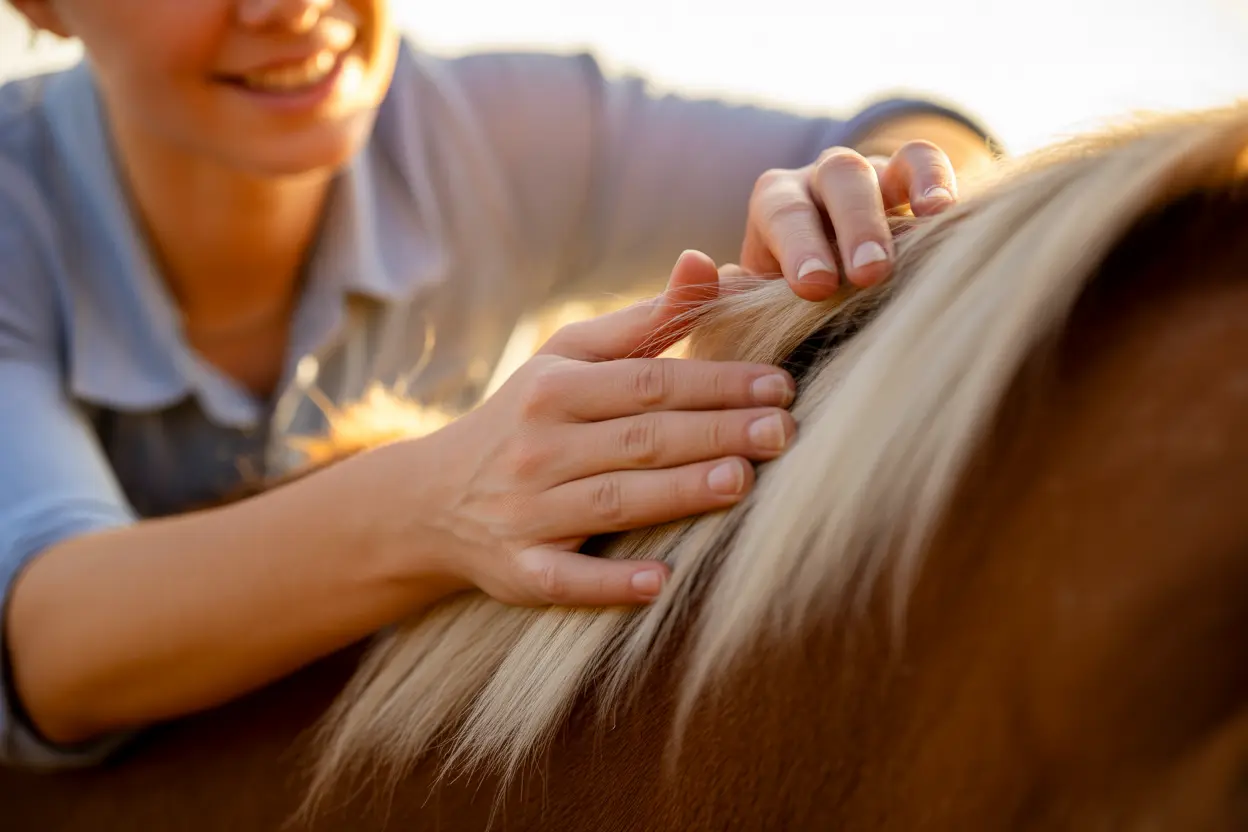
These activities are usually simple and require no special skills. You might be asked to groom a horse, halter it, lead it through a simple obstacle course, or even just sit quietly and observe the herd's behavior. Each activity is a chance to notice your feelings and patterns. Afterward, you’ll talk with your therapist about the experience. What did you notice? What felt challenging? What felt easy? This processing is where the deepest insights often emerge, connecting the dots between your experience with the horse and your life.
What to Look for in an Equine Therapist
Finding the right equine therapy provider in Indiana is crucial for a safe and effective experience. Not all programs are created equal, so it's important to look for specific credentials and qualities. Here’s a checklist to help you choose a reputable program:
- Proper Credentials: This is the most important factor. The program should be staffed by a licensed mental health professional (like an LCSW, LMFT, or licensed psychologist) who is responsible for your treatment[7]. Additionally, they should hold a certification from a recognized organization like EAGALA (Equine Assisted Growth and Learning Association) or PATH International (Professional Association of Therapeutic Horsemanship International).
- Relevant Experience: Ask the therapist about their experience working with your specific challenges, whether it's anxiety, PTSD, or addiction. A good provider will be able to explain how their services can help you meet your goals.
- Safe and Professional Facility: Schedule a visit to the facility before committing. Does it look clean and well-maintained? Do the horses appear healthy and well-cared-for[8]? A professional environment is a sign of a quality program. You can use directories to locate programs near you and verify their credentials, like the official EAGALA-certified provider directory.
- Practical Considerations: Don't forget to ask about cost, whether they accept your insurance, and their session availability. Access to services can vary between urban and rural areas of Indiana, so it’s good to understand the logistics upfront.
Taking the Reins on Your Path to Recovery
If traditional talk therapy hasn't felt like enough, equine therapy offers a unique and powerful path to healing. It’s an evidence-supported treatment that gets you out of your head and into the present moment, where real change can happen. The journey isn't about becoming an expert rider; it's about building a relationship with a horse to better understand the most important relationship you have, the one with yourself. By gaining self-awareness and building trust, you can take the reins on your own recovery and move forward with renewed confidence and health. Exploring equine therapy options in your area could be the next best step you take.
Healing is a journey, and you don’t have to walk it alone. If you're ready to explore a different path to recovery, one that combines professional therapy with the gentle wisdom of horses, we're here to help. The connection you build can lead to profound insights and lasting change. To learn more about treatment options in Indiana, call us at (888) 568-9930 or get in touch through our contact page. At Indiana Rehabs, we can help you find the right path forward.
Frequently Asked Questions About Equine Therapy in Indiana
How does equine therapy help with addiction?
How much does equine therapy cost in Indiana?
Is equine therapy effective for PTSD?
What happens in an equine therapy session?
- Johnson, S. R. B., et al. (2022). Equine-assisted services for individuals with substance use disorders: A scoping review. Substance Abuse: Research and Treatment. pmc.ncbi.nlm.nih.gov
- Johnson, R. A., et al. (2024). At-risk youth receive similar benefits from equine- assisted psychotherapy and traditional office-based psychotherapy. Frontiers in Veterinary Science. pmc.ncbi.nlm.nih.gov
- Piyakorn, J., et al. (2025). Investigating the Effects of Equine-Assisted Therapy in Individuals With Schizophrenia: A Randomized Controlled Trial. Psychiatry and Clinical Neurosciences. pubmed.ncbi.nlm.nih.gov
- U.S. Department of Justice, Federal Bureau of Investigation. (2025). Community Outreach Spotlight: equine therapy Aids Justice-Involved U.S. Veterans. FBI Law Enforcement Bulletin. leb.fbi.gov
- Eagala. (2023). Equine Assisted Psychotherapy Indiana. Eagala. eagala.org
- O'Hoski, S., et al. (2022). Equine-Assisted Therapies for Children With Cerebral Palsy: A Meta-analysis. Pediatrics. publications.aap.org
- Indiana Family and Social Services Administration. (July, 2020). Certification and Licensure Rules and Indiana Code. Indiana Family and Social Services Administration. in.gov
- Equinology Institute. (2025). USA Animal bodywork Laws. Equinology Institute. equinologyinstitute.com