
Ibogaine Treatment Therapy in Indiana



Showing 4 of 4 Results (filtered)
Featured Rehab Centers
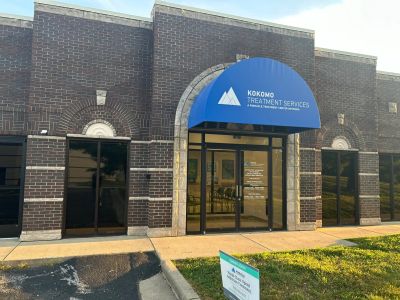
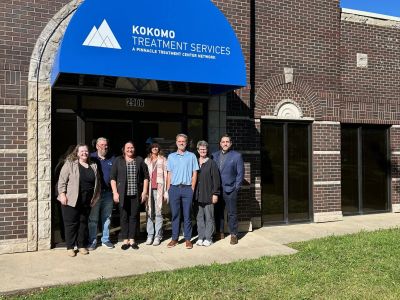
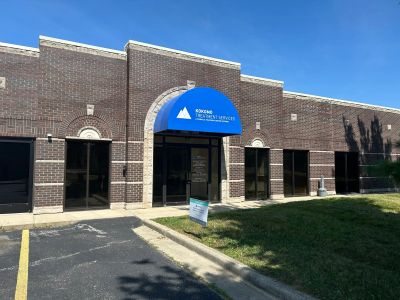
Pinnacle Treatment Centers - Kokomo
Kokomo, Indiana
2906 S. Reed Rd. Kokomo, IN 46902
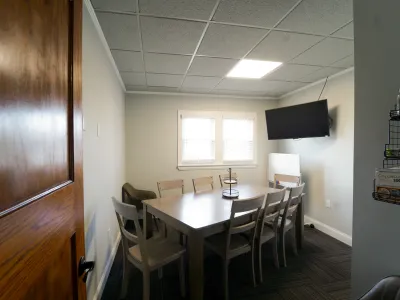
First City Recovery Center
Kokomo, Indiana
317 W Jefferson St, Kokomo, IN, 46901



Madison State Hospital
Madison, Indiana
711 Green Road, Madison, IN, 47250
Get Personalized Rehab Matches in 60 Seconds
Tell us a few details and we’ll show a personalized shortlist of verified Indiana rehabs, making it simple to compare options and choose your next step with confidence.
Southwestern Behavioral Healthcare - Faren E. Levell Center
Evansville, Indiana
410 Mulberry St. Evansville, IN 47713
Why Trust Indiana Rehabs
As Hoosiers helping Hoosiers, we understand the unique challenges our communities face. Our team meticulously verifies every Indiana treatment center, ensuring you find trusted, local care that truly understands your journey.
About our listingsLevels of Care
Explore popular treatment options by levels of care, from flexible treatment in Outpatient centers to intensive care in Residential rehabs.
Free · 24/7 · Confidential
Talk to a Treatment Specialist
Call now to get matched with Indiana facilities that accept your insurance.
(888) 568-9930
Free
Ins. check
4.9★
Rating
HIPAA
Protected
Can't travel to a facility?
Licensed Indiana therapists via secure video — same-week appointments, evenings & weekends available.
What if a single treatment could interrupt the relentless cycle of addiction, offering hope where so many other options have fallen short? That question draws people into the world of ibogaine, a substance surrounded by both controversy and intrigue for its reported power to transform. While the stories are compelling, ibogaine comes with serious risks, and it isn’t approved or available in Indiana. Still, you’re not without support; there are safe, proven alternatives close to home that can help you move forward with confidence.
What is Ibogaine?
Ibogaine is a powerful, naturally occurring psychoactive compound found in the roots of the Tabernanthe iboga shrub, a plant native to Central West Africa[1]. For centuries, it has been a central part of spiritual healing ceremonies and rituals in these traditions. In modern contexts, it’s known for producing intense, dream-like hallucinations and deep introspection. When people ask what class of drug ibogaine belongs to, it’s best described as a hallucinogen due to these strong psychoactive effects on the brain.
In the U.S., however, the legal and medical view is very different. Ibogaine is classified as a Schedule I substance by the Drug Enforcement Administration (DEA). This means the federal government considers it to have a high potential for abuse and no currently accepted medical use in treatment[2]. Because of this classification, it is illegal to manufacture, possess, or distribute in the United States. This status shapes every aspect of the conversation around it, from its availability to the significant risks involved in seeking it out.
Ibogaine as a Treatment for Addiction
Despite its legal status in the U.S., ibogaine has captured the attention of researchers and individuals struggling with addiction for one primary reason: its reported ability to interrupt substance use disorders. It has gained the most notoriety as a potential treatment for opioid dependence. Many people who have undergone this treatment report a significant reduction in withdrawal symptoms and cravings, which are often the biggest hurdles in early recovery.
Some preliminary studies support these anecdotal claims. For example, one study found that ibogaine treatment was associated with a noticeable reduction in opioid withdrawal symptoms for up to 12 months[3]. The thinking is that ibogaine interacts with various neurotransmitter systems in the brain, essentially "resetting" the pathways that addiction has rewired.
Beyond addiction, researchers are also exploring its potential for treating mental health conditions. A recent study involving special forces veterans found that ibogaine treatment led to significant reductions in symptoms related to PTSD, depression, and anxiety[4]. While this is promising, it’s crucial to remember that this research is still in its early stages. Ibogaine is not an approved medical treatment for any condition in the United States, and much more rigorous study is needed to understand its effects and potential benefits. For those seeking healing now, it's important to focus on proven, evidence-based treatment programs that are safe and accessible.
The Ibogaine Treatment Process

Because ibogaine treatment is illegal in the U.S., clinics that offer it operate in other countries, such as Mexico, Costa Rica, or New Zealand. The information here is for educational purposes only to give you a clear picture of what the process typically involves. A reputable international clinic follows a multi-stage approach focused on safety and integration, which includes thorough preparation, a monitored session, and dedicated aftercare.
Pre-treatment Assessment and Preparation
The journey doesn't start with the ibogaine session itself. The most critical first step is a comprehensive medical and psychological intake. This preparation phase is all about minimizing risks and ensuring a person is a suitable candidate for the treatment. Key assessments include:
- Electrocardiogram (EKG): This is non-negotiable. Ibogaine can affect heart rhythm, so a detailed EKG is needed to screen for underlying cardiac conditions like Long QT syndrome[5].
- Liver Function Tests: The liver metabolizes ibogaine, so blood tests are done to make sure it's healthy enough to process the substance safely.
- Full Medical History: A thorough review of past and present health conditions, as well as current medications, is essential.
- Detox Period: To prevent dangerous interactions, individuals must typically stop using all other substances for a specific period before administration. Proper detox services are fundamental to this preparation.
Ibogaine Administration
The administration of ibogaine is a carefully controlled medical procedure. It takes place in a calm, private setting under the constant supervision of medical staff, including doctors and nurses. During the session, vital signs like heart rate and blood pressure are monitored continuously. The acute psychoactive effects of the ibogaine "trip" can last between 24 and 36 hours. Experiences during this time vary widely but often involve intense introspection, where individuals may revisit past memories and gain new perspectives on their lives. Other common effects include visual hallucinations (often described as dream-like or cinematic), nausea, vomiting, and ataxia, which is a temporary loss of muscle coordination.
Post-treatment Care and Consideration
The work isn't over when the acute effects of the ibogaine session fade. In fact, many believe the most important phase comes next: integration. This period is dedicated to helping the individual process their experience and translate any insights into lasting change. Lasting recovery depends on building new habits and a strong support system. This post-treatment phase should always include therapy, counseling, and peer support groups to build a foundation for long-term sobriety and well-being. Without this dedicated aftercare, the profound insights from the experience can fade, and the risk of relapse remains high.
Safety and Risks of Ibogaine Treatment
When considering ibogaine, it’s impossible to overstate the importance of understanding the risks. While some people report positive outcomes, the treatment carries significant and potentially life-threatening dangers. Its Schedule I status in the U.S. is not just about its potential for abuse, but also stems from these serious safety concerns and the lack of large-scale clinical trials[2].
So, how safe is ibogaine treatment? The answer is complex, but the risks are clear, especially without rigorous medical screening and supervision. Fatalities have been reported at clinics around the world. The most critical dangers include:
- Cardiac Complications: The single greatest risk is ibogaine's effect on the heart. It can cause severe cardiac arrhythmias (irregular heartbeats) and can lead to sudden cardiac death, particularly in individuals with pre-existing heart conditions[5]. This is why a thorough EKG is a non-negotiable prerequisite.
- Seizures: Ibogaine can lower the seizure threshold, creating a risk for individuals with a history of epilepsy or other seizure disorders.
- Drug Interactions: Mixing ibogaine with other drugs, including some prescription medications and substances of abuse like opioids or stimulants, can be fatal.
- Other Side Effects: Many people experience ataxia (impaired coordination), persistent nausea, and vomiting during the acute phase.
Cost of Ibogaine Treatment
One of the most practical questions people have is, "How much does ibogaine treatment cost?" Since it's not available in the U.S., this involves traveling to clinics in countries like Mexico or Costa Rica. The cost of ibogaine treatment varies widely, typically ranging from $5,000 to $15,000 or more.
Several factors influence this price, including the location of the clinic, the quality of medical supervision, the length of the stay, and the comprehensiveness of the program. A typical package includes the initial medical screening, the ibogaine session itself, and a period of aftercare and integration support at the facility. It's important to be clear: because ibogaine is not an FDA-approved treatment, it is never covered by U.S. health insurance[6]. All costs must be paid out of pocket, and that often doesn't include the added expense of travel.
Alternatives to Ibogaine Treatment

While the idea of a rapid solution to addiction is appealing, ibogaine is not a legal, safe, or accessible option in Indiana. The good news is that you don’t have to travel the world or take significant risks to find healing. There are proven, effective, and safe alternatives right here at home.
These recognized treatments are regulated, often covered by insurance, and have established safety profiles backed by decades of research. They provide a reliable and supportive path toward lasting recovery. Options available in Indiana include:
- Medication-Assisted Treatment (MAT): Considered the gold standard for opioid use disorder, MAT combines FDA-approved medications like buprenorphine or methadone with counseling and behavioral therapies. This approach helps manage cravings and withdrawal symptoms, allowing you to focus on the root causes of addiction.
- Inpatient and Outpatient Rehab: Rehab centers provide structured programs that offer medical supervision, therapy, and peer support. Whether you need the 24/7 care of an inpatient program or the flexibility of outpatient services, there are options to fit your life.
- Behavioral Therapies: Therapies like cognitive behavioral therapy (CBT) and dialectical behavior therapy (DBT) are cornerstones of modern addiction treatment. They help you develop coping skills, change negative thought patterns, and build a healthier life in recovery.
These evidence-based approaches are government-supported and recognized as effective ways to treat addiction and co-occurring mental health conditions safely[7].
Finding Your Path to Recovery in Indiana
It’s clear that ibogaine is a complex substance. While some early research shows potential, it comes with life-threatening risks and remains illegal and inaccessible in the United States. For anyone in Indiana seeking a way out of addiction, the safest, most reliable path forward is through local, evidence-based care. Hope and healing are not thousands of miles away; they’re available right here in your community.
You don't have to navigate this journey alone. Recovery is possible, and it starts with taking that first brave step. Exploring treatment options is not a sign of weakness but an act of incredible strength. When you're ready to find a licensed treatment provider in Indiana, we're here to help you find the support you deserve[8].
Your path to recovery can begin today. You can explore trusted rehab centers and programs right here at Indiana Rehabs. If you want to talk to someone who understands, our compassionate care advocates are available 24/7. Call us at (888) 568-9930 or contact us online to find a safe and effective path to a brighter future.
Frequently Asked Questions About Ibogaine Treatment
Why is ibogaine illegal in the US?
How does ibogaine make you feel?
Is ibogaine legal in Mexico?
Does insurance cover ibogaine treatment?
- Legislative Analysis and Public Policy Association. (n.d.). Ibogaine. Legislative Analysis and Public Policy Association. legislativeanalysis.org
- Partnership to End Addiction. (2025). Ibogaine. Partnership to End Addiction. drugfree.org
- Noller, C. et al. (2017). Subjective effectiveness of ibogaine treatment for problematic opioid consumption. American Journal of Drug and Alcohol Abuse. pmc.ncbi.nlm.nih.gov
- Davis, A. K. et al. (2024). Magnesium–ibogaine therapy in veterans with traumatic brain injuries. Nature Medicine. nature.com
- Koenig, X. et al. (2022). The clinical pharmacology and cardiotoxicity of ibogaine. British Journal of Clinical Pharmacology. pmc.ncbi.nlm.nih.gov
- (2025). Ibogaine. Partnership to End Addiction. drugfree.org
- Substance Abuse and Mental Health Services Administration. (2024). Substance Use and Mental Health Block Grants. Substance Abuse and Mental Health Services Administration. samhsa.gov
- Indiana Family and Social Services Administration. (2020). DMHA - Find Addiction Treatment - Indiana. Indiana Family and Social Services Administration. in.gov