Rehabs Offering Massage Therapy

Showing 10 of 10 Results (filtered)
Featured Rehab Centers
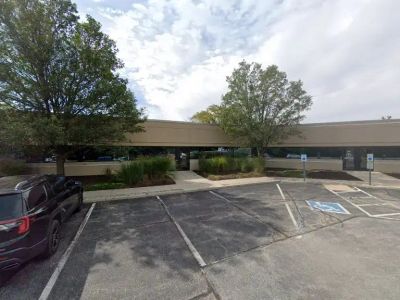
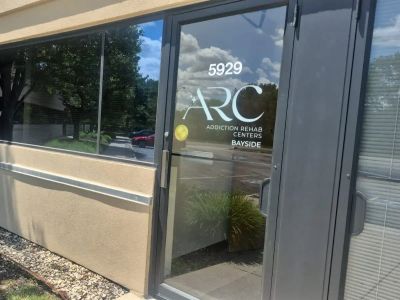

Addiction Rehab Centers - ARC At Bayside | Indianapolis Drug & Alcohol Rehab
Indianapolis, Indiana
5929 Lakeside Blvd, Indianapolis, IN 46278
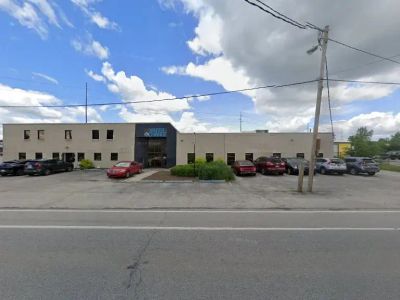
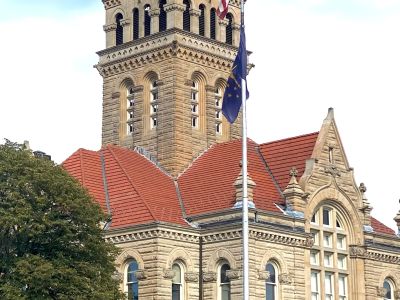

Hickory Treatment Centers
Indianapolis, Indiana
3960 Southeastern Ave Suite 200, Indianapolis, IN 46203
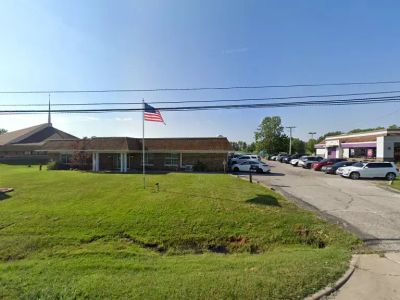
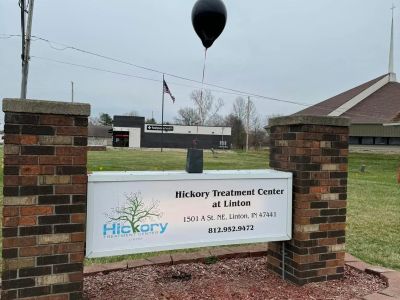
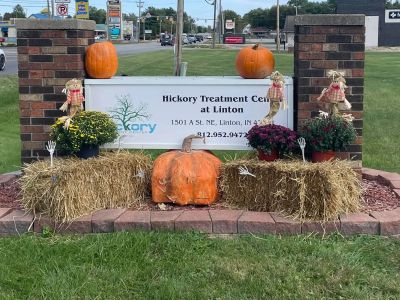
1501 A St NE, Linton, IN 47441
Get Personalized Rehab Matches in 60 Seconds
Tell us a few details and we’ll show a personalized shortlist of verified Indiana rehabs, making it simple to compare options and choose your next step with confidence.
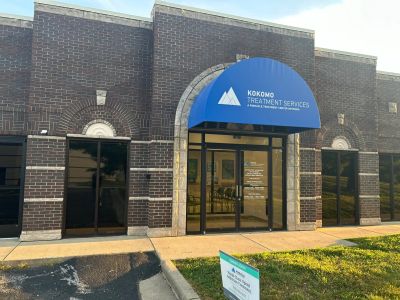
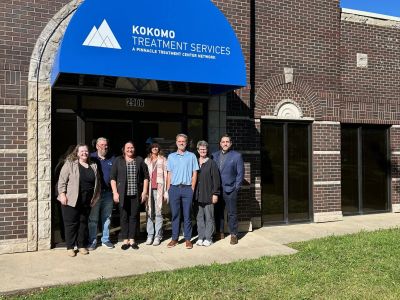
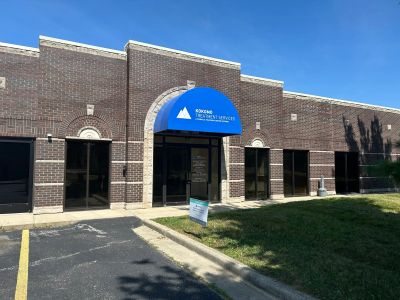
Pinnacle Treatment Centers - Kokomo
Kokomo, Indiana
2906 S. Reed Rd. Kokomo, IN 46902
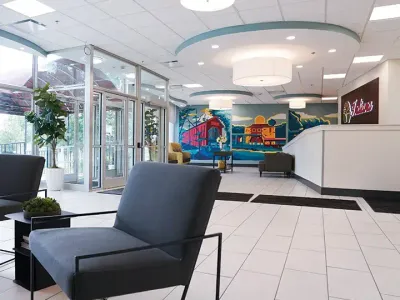
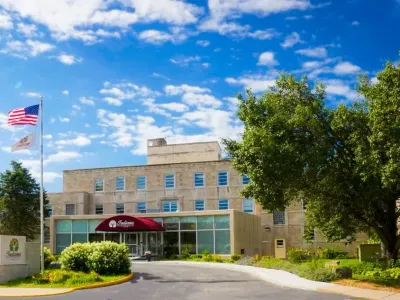
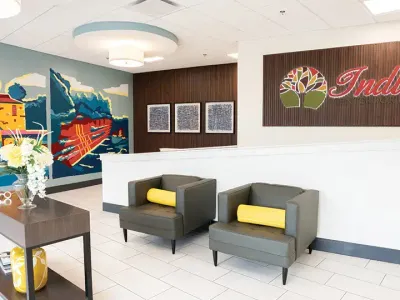
Indiana Center for Recovery - Alcohol & Drug Rehab Center Bedford
Bedford, Indiana
1600 23rd St, Bedford, IN 47421
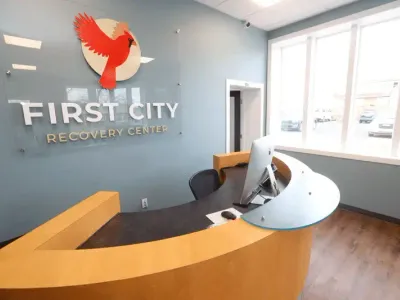
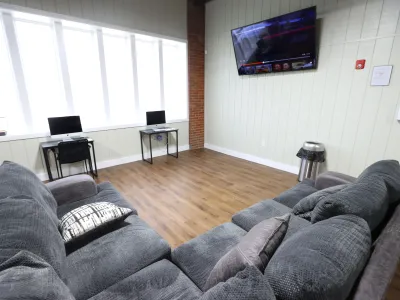
First City Recovery Center
Kokomo, Indiana
317 W Jefferson St, Kokomo, IN, 46901
Truth Treatment Center
Indianapolis, Indiana
7112 Madison Ave, Indianapolis, IN 46227



Madison State Hospital
Madison, Indiana
711 Green Road, Madison, IN, 47250
Pinnacle Treatment Centers - 2209 John R Wooden Drive
Martinsville, Indiana
2209 John R Wooden Drive, 3rd Floor Martinsville, IN 46151
Southwestern Behavioral Healthcare - Faren E. Levell Center
Evansville, Indiana
410 Mulberry St. Evansville, IN 47713
Why Trust Indiana Rehabs
As Hoosiers helping Hoosiers, we understand the unique challenges our communities face. Our team meticulously verifies every Indiana treatment center, ensuring you find trusted, local care that truly understands your journey.
About our listingsLevels of Care
Explore popular treatment options by levels of care, from flexible treatment in Outpatient centers to intensive care in Residential rehabs.
Free · 24/7 · Confidential
Talk to a Treatment Specialist
Call now to get matched with Indiana facilities that accept your insurance.
(888) 568-9930
Free
Ins. check
4.9★
Rating
HIPAA
Protected
Can't travel to a facility?
Licensed Indiana therapists via secure video — same-week appointments, evenings & weekends available.
Imagine the heaviness of muscles that just won’t let go or the steady ache that settles in when stress refuses to leave your body. For many on the path to mental health or addiction recovery, that physical tension can feel as tangled and unrelenting as the worries swirling in your mind. Then, with the gentle, skilled touch of massage therapy, there’s a moment of real relief, a subtle warmth, a softening, a deep exhale you didn’t realize you’d been holding. Beyond simple relaxation, massage can be a powerful ally for your body and spirit, helping you settle into yourself with a new sense of comfort and calm.
What Is Massage Therapy?
At its core, massage therapy is the practice of a trained therapist manipulating the body's soft tissues, which include your muscles, ligaments, tendons, and connective tissues. It's much more than a luxury; for many, it’s a vital part of managing their health. In fact, national surveys show that nearly 11% of adults in the U.S. used massage therapy in 2022[1]. So, what is massage therapy used for? It's a powerful tool for easing pain, reducing stress, and promoting an overall sense of well-being.
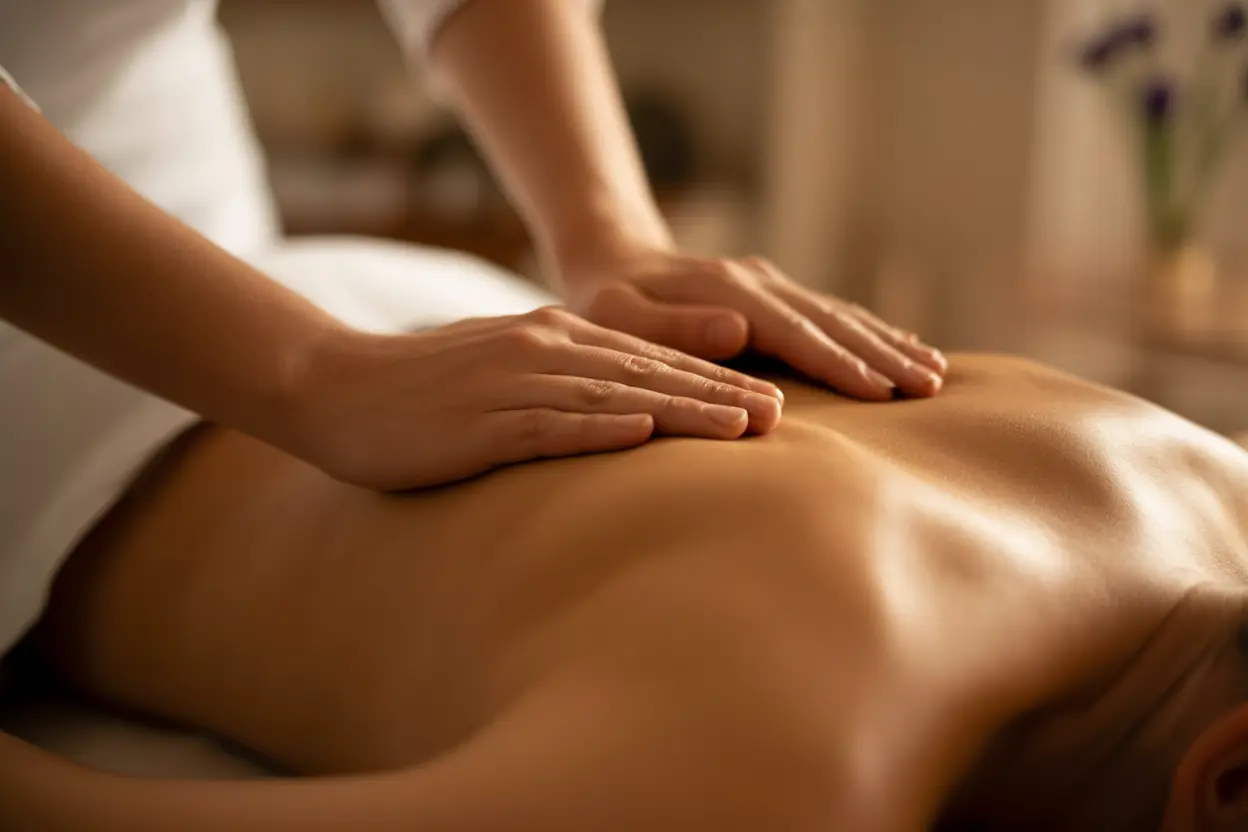
For those navigating the complexities of mental health conditions or addiction recovery, massage can be an incredible source of support. The journey can put immense strain on your body, leading to physical discomfort that mirrors emotional distress. As a complementary treatment, massage therapy helps address this connection between mind and body. It can ease the physical pain that often comes with recovery, lower anxiety, and provide a moment of peaceful relaxation that allows your nervous system to reset[2]. When included in a holistic treatment program, it doesn't just treat symptoms, it nurtures your whole self.
What are the different types of massage?
Not all massages are the same. A trained massage therapist uses a variety of massage techniques, pressures, and movements to address different needs. Think of it like a toolkit, where each tool has a specific purpose, whether it's for general relaxation or targeting a stubborn knot of pain. Understanding the different types of massage can help you find the style that best fits your goals. While there are many variations, including hot stone massages, three of the most common styles you'll encounter are Swedish, deep tissue, and sports massage.
Swedish Massage
If you're new to massage, Swedish massage is often the perfect starting point. It's one of the most popular types, known for its ability to promote deep relaxation. A therapist uses long, gliding strokes, kneading, and gentle circular movements with light to medium pressure. The primary goal is to relax the entire body, which makes this an excellent choice for anyone looking to melt away stress and ease general muscle tension. Studies have shown its effectiveness in providing comfort and easing pain, making it a gentle yet powerful option[2].
Deep Tissue Massage
As the name suggests, deep tissue massage targets the deeper layers of your muscle and connective tissues. This technique involves more intense pressure and slower, more forceful strokes. It’s best suited for those dealing with chronic pain, muscle injury, or persistent stiffness in areas like the neck, shoulders, and back. While the pressure can sometimes be uncomfortable, it's incredibly effective at breaking up scar tissue and releasing chronic muscle tension. It's a focused approach designed to address specific problem areas.
Sports Massage
Sports massage is specifically tailored to the needs of athletes, but you don't have to be a pro to benefit from it. This type of massage focuses on preventing and treating injuries, improving flexibility, and boosting athletic performance. The techniques can vary depending on your sport or activity. It might be a full-body massage or concentrate on the parts of the body that take the most impact. Whether you're preparing for an event or recovering from one, sports massage helps keep your body in optimal condition.
What are the risks of massage therapy?
When performed by a trained and licensed professional, massage therapy is generally very safe. However, like any treatment, it's good to be aware of potential risks and side effects. Most side effects are mild and temporary. You might experience:
- Lingering soreness for a day or so
- Fatigue or tiredness
- A temporary headache
There are certain health conditions where massage may not be recommended, or at least requires a conversation with your doctor first. It’s important to be open with your massage therapist and your doctor if you have a history of blood clots, a bone fracture, severe osteoporosis, or certain skin conditions, as massage could pose a serious risk. In Indiana, massage therapists are required to be licensed, which ensures they have the proper training to practice safely[3]. You can always verify a therapist's license through the state of Indiana to ensure you are in good hands.
Find Massage Therapy at Indiana Treatment Centers
Incorporating massage therapy into a treatment plan for mental health or substance use can be a wonderful way to support your healing journey. It provides a way to reconnect with your body in a positive, nurturing way and can offer relief from the physical symptoms of stress and anxiety. When guided by health care professionals, it becomes a valuable part of a holistic approach to recovery. However, it's important to know that while beneficial, not all treatment centers in Indiana offer massage therapy as part of their services[4].
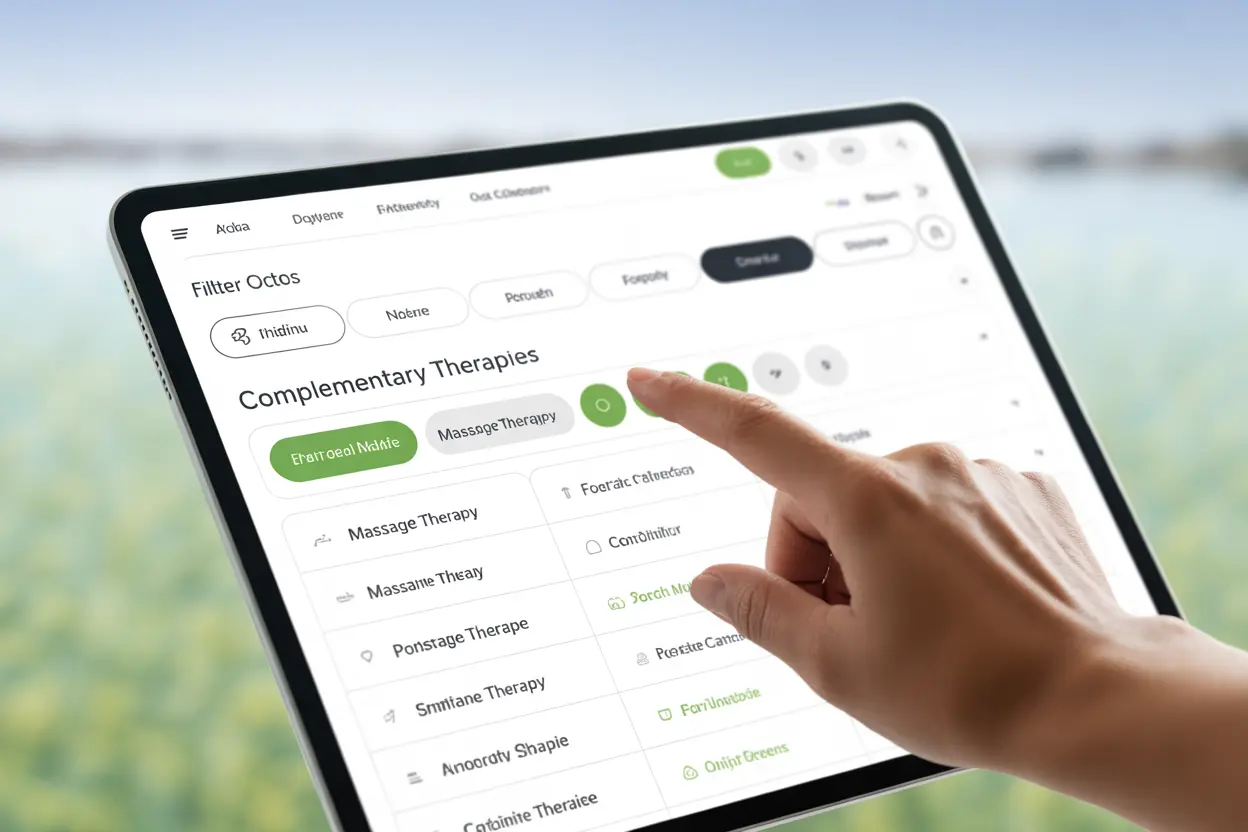
Finding a facility that aligns with your needs is simple. You can use our directory to search for treatment centers across Indiana and filter your results to see which ones offer massage therapy. Simply look for the "Complementary Therapies" category and select "Massage" to narrow your search. If you want to learn more about complementary health approaches, the National Center for Complementary and Integrative Health (NCCIH) is a trustworthy resource. For additional state-specific support, you can also explore mental health and substance use resources from SAMHSA for Indiana. If you feel overwhelmed, our 24/7 helpline is always available for confidential, personalized guidance.
Taking the step to care for both your mind and body is a brave and important part of recovery. massage therapy can be a gentle, grounding tool that helps you feel more at ease in your own skin as you move forward. If you’re ready to explore treatment options in Indiana, including the different types of rehab programs available, we’re here to help. You can browse our resources at Indiana Rehabs or call us at (888) 568-9930 to speak with a caring specialist today. You don't have to navigate this alone.
Frequently Asked Questions about JSON Schema
What is JSON Schema?
How do you validate a JSON document against a schema?
What does the 'required' keyword do in a JSON Schema?
What does 'additionalProperties: false' mean?
- (January, 2025). massage therapy industry fact sheet. American massage therapy Association. amtamassage.org
- (03-01-2015). Massage impact on pain in opioid-dependent patients. National Center for Biotechnology Information. pmc.ncbi.nlm.nih.gov
- (05-01-2022). Title 847 State Board of massage therapy. Indiana General Assembly. iar.iga.in.gov
- (2019). Indiana: National survey of substance abuse treatment services (N-SSATS). Substance Abuse and Mental Health Services Administration. samhsa.gov