Rehabs Offering MDMA Assisted Psychotherapy

Showing 4 of 4 Results (filtered)
Featured Rehab Centers
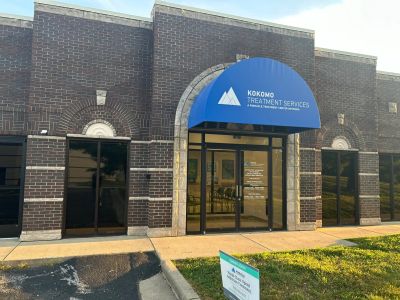
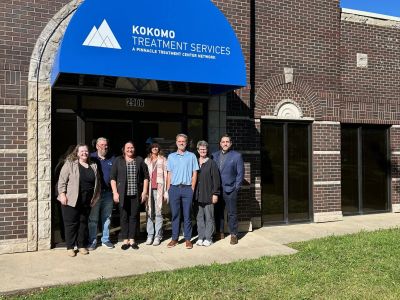
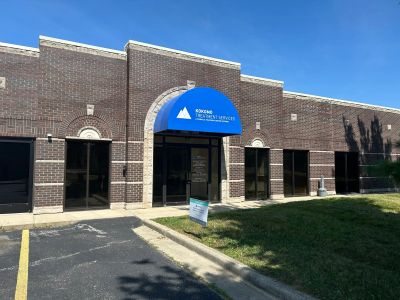
Pinnacle Treatment Centers - Kokomo
Kokomo, Indiana
2906 S. Reed Rd. Kokomo, IN 46902



First City Recovery Center
Kokomo, Indiana
317 W Jefferson St, Kokomo, IN, 46901



Madison State Hospital
Madison, Indiana
711 Green Road, Madison, IN, 47250
Get Personalized Rehab Matches in 60 Seconds
Tell us a few details and we’ll show a personalized shortlist of verified Indiana rehabs, making it simple to compare options and choose your next step with confidence.
Southwestern Behavioral Healthcare - Faren E. Levell Center
Evansville, Indiana
410 Mulberry St. Evansville, IN 47713
Why Trust Indiana Rehabs
As Hoosiers helping Hoosiers, we understand the unique challenges our communities face. Our team meticulously verifies every Indiana treatment center, ensuring you find trusted, local care that truly understands your journey.
About our listingsLevels of Care
Explore popular treatment options by levels of care, from flexible treatment in Outpatient centers to intensive care in Residential rehabs.
Free · 24/7 · Confidential
Talk to a Treatment Specialist
Call now to get matched with Indiana facilities that accept your insurance.
(888) 568-9930
Free
Ins. check
4.9★
Rating
HIPAA
Protected
Can't travel to a facility?
Licensed Indiana therapists via secure video — same-week appointments, evenings & weekends available.
Living with PTSD can feel like carrying an invisible weight that simply refuses to let go, especially when standard treatments haven’t eased the pain the way you’d hoped. What if there was a way to revisit those memories, not to erase them, but to explore them without feeling crushed by dread or fear? That’s where MDMA-assisted therapy has caught the attention of researchers, offering a glimmer of hope for those who haven’t found relief. While the evidence so far is promising, particularly for people with severe PTSD, this treatment is still under careful study and hasn’t become widely accessible just yet.

What is MDMA-assisted therapy for PTSD?
When you hear about MDMA-assisted therapy, it’s important to understand that this treatment is far more than just taking a pill. It’s a carefully structured and deeply therapeutic process guided by trained professionals. Think of it less as a medication and more as a catalyst that makes the psychotherapy component more effective. The goal isn't to create a pleasant experience, but to create a safe internal space to do the hard work of healing from trauma.
The entire treatment protocol is designed with safety and support at its core. It typically unfolds in three distinct phases:[1]
- Preparatory Sessions: Before any medication is involved, you’ll have several standard therapy sessions with two trained therapists. This is a crucial time to build trust, establish a strong therapeutic relationship, and set clear intentions for your treatment. You’ll discuss your history, your hopes for the therapy, and any fears you might have.
- Medication Sessions: The heart of the treatment involves two or three medication sessions. In a comfortable, controlled clinical setting, you’ll be given a specific, pharmaceutical-grade dose of MDMA. You’ll spend the next 6-8 hours in a calm room, with the two therapists present the entire time. The focus is on an "inner-directed" approach, where you're encouraged to pay attention to your internal thoughts and feelings, though the therapists are there to offer support whenever you need it.[2]
- Integration Sessions: In the days and weeks following each medication session, you’ll meet with your therapists again for non-drug psychotherapy. These integration sessions are vital for making sense of the experiences, memories, and emotions that came up during the MDMA session. This is where you process the insights and begin to translate them into lasting changes in your daily life.
This structured approach is what separates MDMA-assisted psychotherapy from recreational drug use. The substance is pure, the dose is precise, and the entire experience is framed by a supportive therapeutic container designed to treat the deep wounds of PTSD.
What do we know from research about MDMA-assisted treatment for PTSD?
The recent buzz around MDMA-assisted treatment for PTSD isn't based on anecdotes; it’s grounded in rigorous scientific research. The most compelling evidence comes from a series of Phase 3 clinical trials, which are the final stage of testing before a treatment can be considered for approval by the Food and Drug Administration (FDA).
The results from these studies have been remarkable, particularly for individuals with severe and chronic PTSD who hadn't found relief from other treatments. Let’s look at the numbers directly from the research:
- In a key study, after just three sessions, 71.2% of participants who received MDMA-assisted therapy no longer met the diagnostic criteria for PTSD. In contrast, 47.6% of participants who received a placebo with therapy saw the same result.[3] This highlights a significant improvement in the group receiving MDMA.
- The efficacy of the treatment wasn't just about reducing symptoms; it was about achieving remission. The research showed that participants in the MDMA group experienced a much greater reduction in the severity of their symptoms compared to the placebo group.
These powerful outcomes are what led the FDA to grant MDMA-assisted therapy a "Breakthrough Therapy" designation. This doesn't mean it's approved, but it does signal that the FDA recognizes its potential to be a substantial improvement over available therapies for a serious condition. This designation helps expedite the review process, moving the treatment closer to a final decision.[4] The strength of the clinical trial data shows a clear and promising effect, offering a new avenue of hope for those struggling with the persistent stress of PTSD.
Mechanism of action
So, how does MDMA actually help the brain process traumatic memories? It’s not about erasing the past, but about changing your relationship with it. The mechanism of action is thought to create a unique neurochemical state that allows for safe and effective trauma processing.
Imagine your brain has a smoke detector called the amygdala. In someone with PTSD, this smoke detector is often hyper-sensitive, sounding the alarm at the slightest hint of anything related to the trauma. MDMA appears to temporarily turn down the volume on the amygdala’s alarm bell. This reduction in fear and defensiveness allows you to revisit difficult memories without feeling completely overwhelmed.[3]
At the same time, MDMA increases activity in the prefrontal cortex, the part of your brain responsible for emotional regulation and logical thinking. This combination allows you to observe your memories with more clarity and less panic. You’re not just re-experiencing the trauma; you’re able to process it from a more grounded perspective.
On a chemical level, MDMA triggers the release of several key neurotransmitters and hormones:
- Serotonin: This flood of serotonin contributes to feelings of well-being and mood elevation, which can make confronting difficult emotions feel more manageable.
- Oxytocin: Often called the "bonding hormone," oxytocin promotes feelings of trust, empathy, and connection. This is crucial for strengthening the therapeutic alliance between you and your therapists, helping you feel safe and supported during the session.
Together, these effects create what’s often called a "window of tolerance." It’s a temporary state where you can access and work through your traumatic memories without being thrown into a state of hyperarousal (panic, fear) or hypoarousal (numbness, dissociation). It’s within this window that the real therapeutic work happens, allowing you to re-file those memories in a way that no longer holds power over your present.

Is MDMA legal and safe?
When considering any new treatment, questions about safety are paramount. It's crucial to distinguish between the controlled, clinical use of MDMA in therapy and its illicit recreational use. In a therapeutic setting, the substance is a specific, pure, and precisely measured dose administered under constant medical supervision, which is a world away from the risks of street drugs.
The clinical trials have provided a clear picture of the safety profile and potential side effects. Most adverse events observed were temporary and manageable. The most common side effects reported during sessions included muscle tightness, nausea, decreased appetite, and sweating.[3]
One of the most important areas of monitoring during treatment is cardiovascular health. MDMA is known to cause temporary and expected increases in blood pressure and heart rate. During the clinical trials, these changes were carefully monitored by the medical team to ensure patient safety. Because of this known risk, the trials excluded individuals with certain pre-existing conditions, especially uncontrolled hypertension or a history of serious cardiovascular events like heart attack or stroke.[4]
Researchers also paid close attention to psychiatric safety. While there were concerns about the risk of suicidal ideation, the comprehensive data showed no significant increase in suicidal thoughts or behaviors in the MDMA group compared to the placebo group. Again, it's important to note that participants were carefully screened, and those with active psychotic disorders or a recent history of suicide attempts were excluded. This careful screening process is a key part of the safety protocol and underscores why this therapy must be conducted in a controlled, professional environment.
Current legal status
While the research is promising, the legal status of MDMA is straightforward: it is currently a Schedule I controlled substance under federal law. This classification means it is illegal to manufacture, possess, or use outside of a federally approved research setting, such as the clinical trials overseen by the Drug Enforcement Administration (DEA).[5]
The FDA is currently in the process of reviewing a New Drug Application (NDA) for MDMA-assisted therapy for the treatment of PTSD. This is a critical step, but it's important to remember that the therapy is not yet approved. As of now, it remains an investigational treatment.
For residents of Indiana, this means that MDMA-assisted therapy is not legally available in any clinic or therapy practice. The only way to legally access this treatment is by participating in a clinical trial. These trials are rare and have very strict inclusion and exclusion criteria. Sometimes, an investigational drug can be accessed through a federal "Expanded Access" program, but these are also highly regulated and not widely available. If you're interested in finding a trial, you can search the official U.S. database for qualifying studies. It is vital to avoid any underground or unregulated providers, as this would be both illegal and unsafe.
Conclusions
The journey through the evidence shows that MDMA-assisted therapy holds significant promise as a future treatment for PTSD, with clinical trials demonstrating remarkable efficacy. However, it's crucial to remember that it is still an investigational therapy and is not yet legally accessible to the public in Indiana or anywhere else in the country. Waiting for a new treatment to become available can feel frustrating, especially when you’re looking for relief right now.
The good news is that you don’t have to wait to start your healing journey. There are several highly effective, evidence-based therapies for PTSD available today. These trauma-focused treatments have helped countless people process their experiences and reclaim their lives. Options available in Indiana include:
- Trauma-Focused cognitive behavioral therapy (TF-CBT): This therapy helps you understand how trauma has changed your thoughts and feelings, and it provides skills to manage symptoms and challenge unhelpful beliefs.
- eye movement desensitization and reprocessing (EMDR): EMDR therapy uses bilateral stimulation, like eye movements, to help your brain reprocess traumatic memories and reduce their emotional charge.
- cognitive processing therapy (CPT): CPT focuses on helping you reframe the unhelpful beliefs that often develop after a trauma, such as thoughts related to safety, trust, and self-esteem.
If you or someone you love is struggling with the weight of trauma, please know that help is available now. You can explore compassionate, trauma-informed treatment options and find a therapist who understands what you're going through. The first step is often the hardest, but you don't have to take it alone. To find support and explore treatment centers in your area, please call us at (888) 568-9930 or visit our website at Indiana Rehabs. You can also contact us to connect with care that can start today.
Frequently Asked Questions About MDMA-Assisted Therapy
How is MDMA-assisted therapy different from taking ecstasy?
Is MDMA-assisted therapy legal in Indiana?
What are the side effects of MDMA-assisted therapy?
Who is a good candidate for MDMA-assisted therapy?
What happens during an MDMA-assisted therapy session?
- National Center for PTSD. (2024-03-28). Psychedelic-Assisted Therapy for PTSD. U.S. Department of Veterans Affairs. ptsd.va.gov
- Winkelman, M. et al. (2024-11-04). The conceptual framework for the therapeutic approach used in MDMA-Assisted Therapy for PTSD. National Library of Medicine. pmc.ncbi.nlm.nih.gov
- Mitchell, J. M., et al. (2023-09-14). MDMA-assisted therapy for moderate to severe PTSD: a randomized, double-blind, placebo-controlled, phase 3 trial. Nature Medicine. nature.com
- Food and Drug Administration. (2024-06-04). Briefing Document: MDMA-Assisted Psychotherapy for the Treatment of PTSD. Food and Drug Administration. fda.gov
- National Center for PTSD. (2025-01-15). MDMA-Assisted Therapy for PTSD. U.S. Department of Veterans Affairs. ptsd.va.gov