Rehabs Offering Meditation/Mindfulness

Showing 20 of 26 Results (filtered)
Featured Rehab Centers


AD Rehab - Addiction Treatment Center
Merrillville, Indiana
5382 Washington St, Merrillville, IN 46410



Addiction Rehab Centers - ARC At Bayside | Indianapolis Drug & Alcohol Rehab
Indianapolis, Indiana
5929 Lakeside Blvd, Indianapolis, IN 46278


ADTR Center - Addiction Treatment
Gary, Indiana
1601-35 W 25th Ave, Gary, IN 46404
Get Personalized Rehab Matches in 60 Seconds
Tell us a few details and we’ll show a personalized shortlist of verified Indiana rehabs, making it simple to compare options and choose your next step with confidence.

Crossroads Healing Center - Addiction & Mental Health Treatment in Indiana
Connersville, Indiana
450 Erie Ave, Connersville, IN 47331

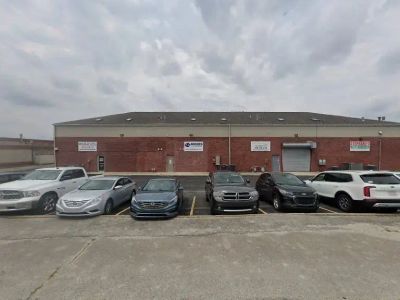
ADTR Center - Alcohol & Drug Addiction Treatment
Crown Point, Indiana
10707 Randolph St, Crown Point, IN 46307



1501 A St NE, Linton, IN 47441

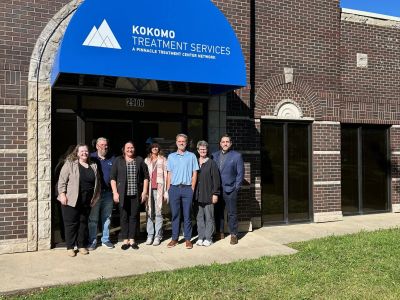

Pinnacle Treatment Centers - Kokomo
Kokomo, Indiana
2906 S. Reed Rd. Kokomo, IN 46902



Restored Life Continuum of Care
Kokomo, Indiana
302 S Reed Rd, Kokomo, IN 46901



See Purpose Addiction Treatment Center Indiana
Bloomfield, Indiana
3237 IN-157, Bloomfield, IN 47424


AD Detox - Alcohol & Drug Addiction Treatment
Michigan City, Indiana
3235 Franklin St, Michigan City, IN 46360



Indiana Center for Recovery - Alcohol & Drug Rehab Center Bedford
Bedford, Indiana
1600 23rd St, Bedford, IN 47421

Southwestern Behavioral Healthcare - Gibson Regional Services
Princeton, Indiana
310 South 5th Avenue, Princeton, IN 47670
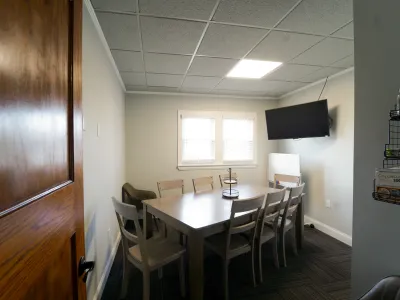

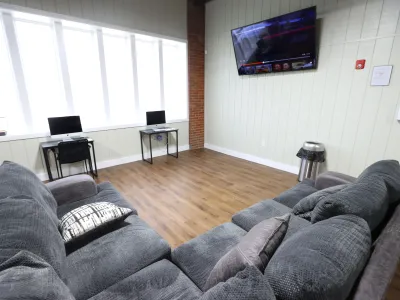
First City Recovery Center
Kokomo, Indiana
317 W Jefferson St, Kokomo, IN, 46901

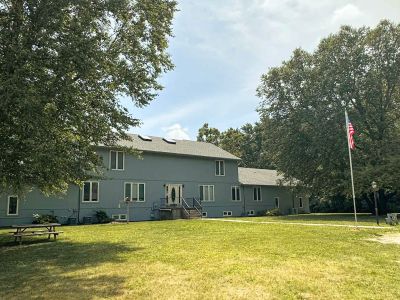

Still Water on the Wildcat Recovery
Kokomo, Indiana
2395 County Rd E 100 N, Kokomo, IN 46901



Addiction Rehab Centers - ARC
Indianapolis, Indiana
7322 Noel Road, Indianapolis, IN, 46278



Wooded Glen Recovery Center
Henryville, Indiana
2602 Hebron Church Rd., Henryville, IN, 47126


Truth Treatment Center
Indianapolis, Indiana
7112 Madison Ave, Indianapolis, IN 46227
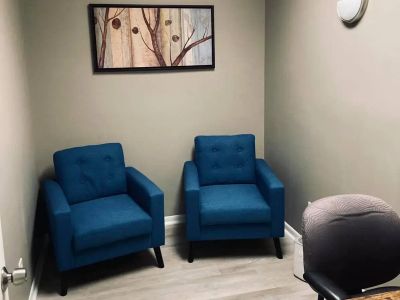
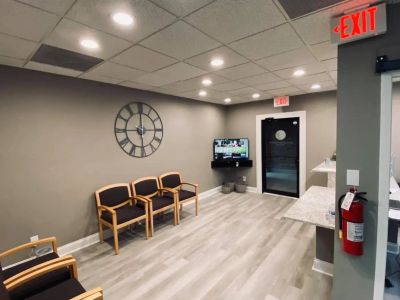

Munster Behavioral Health - Best Counseling, Psychiatric, Crisis Intervention, Addiction Treatment
Munster, Indiana
706 Ridge Rd Suite B, Munster, IN 46321


The Children Campus
Mishawaka, Indiana
1411 Lincolnway West, Mishawaka, IN 46544



Madison State Hospital
Madison, Indiana
711 Green Road, Madison, IN, 47250
Why Trust Indiana Rehabs
As Hoosiers helping Hoosiers, we understand the unique challenges our communities face. Our team meticulously verifies every Indiana treatment center, ensuring you find trusted, local care that truly understands your journey.
About our listingsLevels of Care
Explore popular treatment options by levels of care, from flexible treatment in Outpatient centers to intensive care in Residential rehabs.
Free · 24/7 · Confidential
Talk to a Treatment Specialist
Call now to get matched with Indiana facilities that accept your insurance.
(888) 568-9930
Free
Ins. check
4.9★
Rating
HIPAA
Protected
Can't travel to a facility?
Licensed Indiana therapists via secure video — same-week appointments, evenings & weekends available.
You know those moments when your mind won’t slow down, thoughts blaring, worries stacking up, cravings calling out louder than anything else? It can feel like you’re packed into the backseat of your own life, just along for the ride while everything inside pulls you in different directions. But what if you could learn to lower the volume and return to the driver’s seat, steering with clarity and calm? There’s a skill for that, mindfulness meditation therapy, and it’s not out of reach. It’s a gentle, research-backed practice offered in Indiana that can help you find steadiness, one breath at a time.
What is mindfulness?
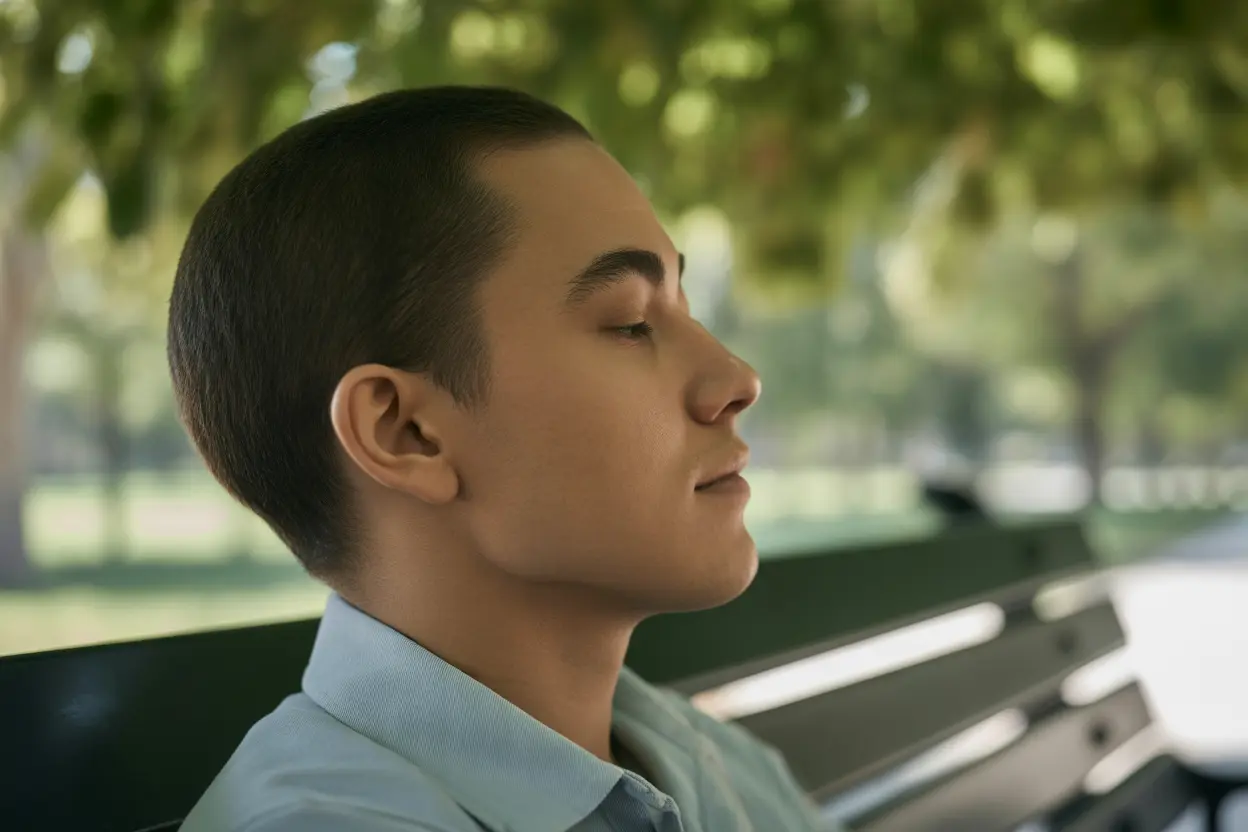
At its core, mindfulness is the simple, basic human ability to be fully present in the here and now. It’s being aware of where you are, what you’re doing, and what’s happening around you without being overly reactive or overwhelmed by it. Think of it as the opposite of running on autopilot, like when you drive your daily commute and suddenly realize you don’t remember the last few miles. Mindfulness is gently waking up to the present moment.
A key part of this practice is non-judgment. It’s about observing your thoughts and feelings from a distance, without getting tangled up in them or labeling them as "good" or "bad." Imagine you’re lying in a field, watching clouds drift across the sky. The clouds are your thoughts and feelings. You simply notice them as they come and go, without trying to grab them, change their shape, or make them disappear. This creates a powerful sense of acceptance and calm. So, when we talk about mindfulness, we’re really talking about two connected skills: paying attention on purpose and having an attitude of acceptance toward whatever you notice.
What is mindfulness meditation?
If mindfulness is the skill of being present, then mindfulness meditation is the formal practice you do to build that skill. Think of it as a workout for your brain. During meditation, you intentionally focus your attention on one thing, like the sensation of your breath moving in and out of your body. You might notice the rise and fall of your chest or the feeling of air passing through your nostrils. Other times, you might focus on body sensations or sounds around you.
It’s important to know that the goal isn’t to completely empty your mind or stop thinking. That’s impossible. Your mind is going to wander, that’s what minds do. The real work of the practice is noticing when your attention has drifted away and gently, without judgment, guiding it back to your breath. Each time you do this, you’re strengthening your ability to refocus, which is a powerful tool in recovery.
How mindfulness works
So, what’s happening in your brain when you practice mindfulness? A lot, actually. Regular practice can physically change your brain's patterns, helping you become less reactive to stressful situations[1]. It creates a tiny bit of space between a trigger, like a sudden craving, a painful memory, or a negative thought, and your automatic response. In that small gap, you find the freedom to choose how you react instead of falling back into old habits.
This happens through something called neuroplasticity. Just like lifting weights builds muscle, practicing mindfulness builds new, healthier pathways in the brain. Over time, your mind learns to observe feelings of stress or anxiety without immediately getting swept away by them. You learn to respond with awareness instead of reacting on impulse.
Mindfulness-Based Cognitive Therapy
When you start looking for treatment options, you’ll likely come across Mindfulness-Based Cognitive Therapy (MBCT). This is a highly structured and evidence-based program that shows just how powerful mindfulness can be in a clinical setting. MBCT was originally designed to help people who have experienced repeated bouts of depression avoid relapse, and it’s now used to treat a range of conditions, including substance use disorders[2].
MBCT blends the tools of cognitive behavioral therapy (CBT), which helps you identify and challenge negative thought patterns, with mindfulness practices like meditation and breathing exercises. It’s typically offered as an eight-week group program where you’ll learn guided meditations and be given daily homework to build your skills. It teaches you to relate differently to your thoughts and feelings, recognizing them as passing mental events rather than facts. For many people in recovery, MBCT is a cornerstone of their long-term wellness and relapse prevention strategy.
Other mindfulness-based treatments
MBCT is part of a larger family of evidence-based therapies that use mindfulness as a core component. One of the most well-known is Mindfulness-Based Stress Reduction (MBSR), which was actually the program MBCT grew out of. MBSR focuses on using meditation, yoga, and body scan exercises to help people manage stress, anxiety, chronic pain, and other challenging conditions.
You may also encounter other related therapies, such as acceptance and commitment therapy (ACT), which uses mindfulness to help you accept what’s out of your control and commit to actions that enrich your life. dialectical behavior therapy (DBT) also heavily incorporates mindfulness to help people regulate intense emotions and improve relationships. All of these mindfulness-based programs share a common goal: to help you build a healthier relationship with your inner world and lead a more balanced life.
What are the benefits of meditation?
So, what can you actually expect to gain from practicing meditation? The benefits are wide-ranging and backed by a growing body of research. While it’s a deeply personal practice, many people experience positive changes in their mental, emotional, and even physical health. It’s important to remember that while meditation is helpful for many, it's best to start with guidance from a professional, especially if you have a history of severe trauma.

Here are some of the key benefits:
- Mental Health: Regular meditation is well-known for its ability to reduce symptoms of anxiety, depression, and overall stress. It helps calm the nervous system and fosters a greater sense of emotional balance and wellbeing.
- Addiction Recovery: For those in recovery, mindfulness is a game-changer. It improves your ability to manage cravings, regulate emotions, and prevent relapse. One study found that mindfulness-based therapy could reduce opioid cravings by a significant amount[3]. With untreated mental health and substance use conditions costing the state, effective treatments are crucial[4].
- Physical Health: The mind-body connection is strong. Many people find that meditation helps improve their sleep, manage chronic pain, and lower blood pressure. It promotes a state of rest that allows your body to heal and recharge.
What are some examples of mindfulness exercises?
Mindfulness isn't something you only do while sitting on a cushion. You can practice it anywhere, anytime. Here are a few simple exercises to get you started:
1. Mindful Breathing: Find a comfortable seated position. Close your eyes and bring your attention to your breath. Don't try to change it; just notice it. Feel the air enter your nose, fill your lungs, and then leave your body. When your mind wanders, gently guide it back to the sensation of your breath. Try this for just three to five minutes.
2. Body Scan: Lie down comfortably on your back. Starting with your toes, bring a gentle, nonjudgmental awareness to each part of your body, one by one. Notice any sensations, warmth, tingling, pressure, or numbness, without needing to fix or change anything. Slowly move your attention up through your feet, legs, torso, arms, and head. This practice helps reconnect your mind and body.
3. Mindful Walking: You can do this indoors or outdoors. Simply walk at a natural pace and bring your attention to the physical sensations of walking. Notice the feeling of your feet connecting with the ground, the movement of your legs, and the subtle shifts in your balance. When your mind wanders, just bring your focus back to the feeling of walking.
Find Mindfulness Meditation Therapy in Indiana
Finding the right support is a key step in your recovery journey. Many treatment facilities across Indiana now incorporate mindfulness into their programs because they know it works. You might find it offered through daily guided meditation sessions, mindful movement classes like yoga, or as a core part of group therapy discussions. All treatment centers must meet state requirements to ensure they provide safe and effective care[5].
A typical session might start with a therapist guiding you through a short breathing exercise to help everyone feel grounded and present. From that calmer state, the group might then discuss recovery challenges. The goal is to bring a mindful awareness to your thoughts and behaviors. If you're considering a treatment center, don't hesitate to ask questions like, "Are your therapists trained in MBCT or MBSR?" or "How is meditation integrated into your daily schedule?" For more information on state-level resources, the Indiana Division of Mental Health and Addiction (DMHA) is an excellent place to start. Many evidence-based services are covered by state programs like Indiana Medicaid, making them accessible[6].
A New Path to Healing
Mindfulness meditation therapy isn’t about trying to erase difficult thoughts, memories, or cravings. It's about learning to change your relationship with them. This evidence-based practice is a practical skill that gives you the power to navigate life’s challenges with greater awareness and less reactivity. It’s a tool you can carry with you long after you’ve completed a treatment program, empowering you on your journey toward lasting health and wellbeing.
Remember, you don’t have to do this alone. Taking that first step can feel overwhelming, but compassionate and professional help is available right here in Indiana. Learning to steady your mind is possible, and it starts with a single, gentle breath. If you’re ready to explore your options, browse our directory to find treatment facilities near you or give us a call at (888) 568-9930. At Indiana Rehabs, we're here to help you find your path forward. Please don't hesitate to contact us when you're ready to start your journey.
Frequently Asked Questions About Mindfulness Meditation in Indiana
How can mindfulness help with anxiety?
Can I practice mindfulness if I can't sit still?
'What's the difference between mindfulness and hypnosis?'
How long does it take to see the benefits of meditation?
Do I need a therapist to practice mindfulness?
- Sanford, B. L., et al. (2018). Mindfulness meditation in the treatment of substance use disorders and co-occurring depression: A systematic review and meta-analysis. Journal of Affective Disorders. pmc.ncbi.nlm.nih.gov
- Li, W., et al. (2021). Mindfulness‐based interventions for substance use disorders: A systematic review of randomized controlled trials. Addiction. pmc.ncbi.nlm.nih.gov
- Addiction Policy Forum. (03-05-2025). Mindfulness-Based Therapy Reduces Opioid Craving by 67 Percent, Study Finds. Addiction Policy Forum. addictionpolicy.org
- Indiana Behavioral Health Commission. (September, 2022). Indiana Behavioral Health Commission Report. Indiana Family and Social Services Administration. in.gov
- U.S. Department of Health and Human Services. (August, 2021). State Residential Treatment for Behavioral Health: INDIANA. Office of the Assistant Secretary for Planning and Evaluation. aspe.hhs.gov
- Indiana Family and Social Services Administration. (n.d.). Substance Use Disorder (SUD)/Serious Mental Illness (SMI) Treatment. Indiana Family and Social Services Administration. in.gov