
Rehabs Offering Prolonged Exposure Therapy

Showing 16 of 16 Results (filtered)
Featured Rehab Centers


1411 W County Line Rd, Suite 1411A, Greenwood, IN 46142

Addiction Rehab Centers - ARC At Bayside | Indianapolis Drug & Alcohol Rehab
Indianapolis, Indiana
5929 Lakeside Blvd, Indianapolis, IN 46278


Addiction Rehab Centers - ARC at Fox Hill | Drug & Alcohol Rehab - Mooresville Indiana
Mooresville, Indiana
12168 N Mann Rd, Mooresville, IN 46158
Get Personalized Rehab Matches in 60 Seconds
Tell us a few details and we’ll show a personalized shortlist of verified Indiana rehabs, making it simple to compare options and choose your next step with confidence.

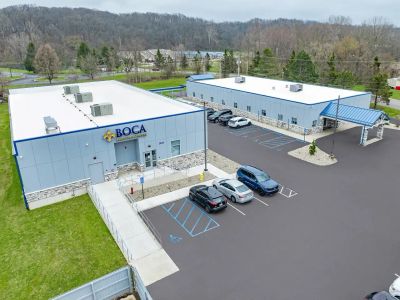

Boca Recovery Center - Fort Wayne, Indiana
Fort Wayne, Indiana
111 W Berry St #211, Fort Wayne, IN 46802

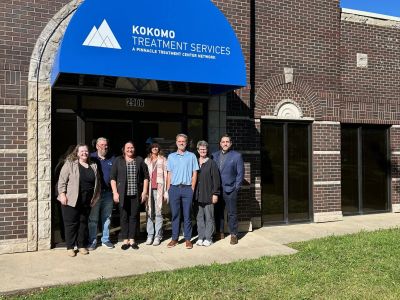
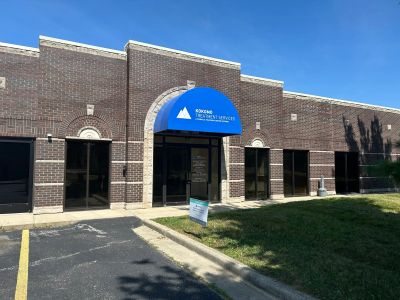
Pinnacle Treatment Centers - Kokomo
Kokomo, Indiana
2906 S. Reed Rd. Kokomo, IN 46902


Cardinal Recovery
Franklin, Indiana
1130 West Jefferson St, Franklin, IN, 46131



Indiana Center for Recovery - Alcohol & Drug Rehab Center Bedford
Bedford, Indiana
1600 23rd St, Bedford, IN 47421
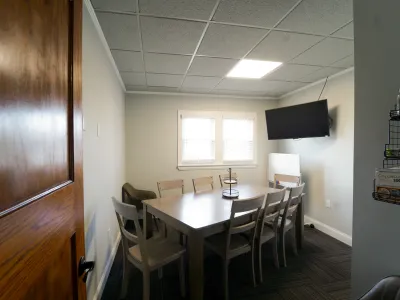
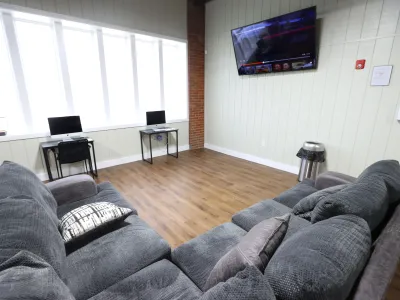
First City Recovery Center
Kokomo, Indiana
317 W Jefferson St, Kokomo, IN, 46901



Parkdale Center
Chesterton, Indiana
350 Indian Boundary Rd., Chesterton, IN, 46304


Centerstone Recovery Center
Richmond, Indiana
1811 S 9th St, Richmond, IN 47374
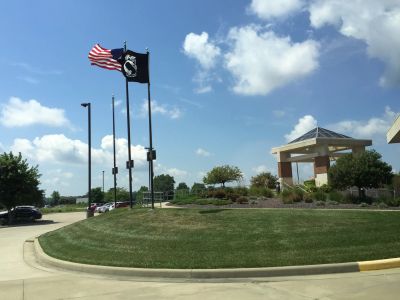
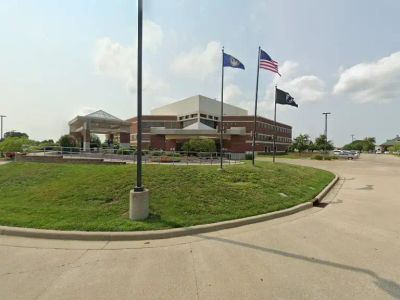
Marion VAMC - Evansville Health Care Center
Evansville, Indiana
6211 East Waterford Boulevard, Evansville, IN, 47715



Madison State Hospital
Madison, Indiana
711 Green Road, Madison, IN, 47250

Midwest Center for Youth and Families - South Shore Academy
Valparaiso, Indiana
2301 Cumberland Drive, Valparaiso, IN 46383
Pinnacle Treatment Centers - 581 E. Main Street
Hagerstown, Indiana
581 E. Main Street Hagerstown, IN 47346
Pinnacle Treatment Centers - 8955 Broadway
Merrillville, Indiana
8955 Broadway Merrillville, IN 46410
Southwestern Behavioral Healthcare - Faren E. Levell Center
Evansville, Indiana
410 Mulberry St. Evansville, IN 47713
Why Trust Indiana Rehabs
As Hoosiers helping Hoosiers, we understand the unique challenges our communities face. Our team meticulously verifies every Indiana treatment center, ensuring you find trusted, local care that truly understands your journey.
About our listingsLevels of Care
Explore popular treatment options by levels of care, from flexible treatment in Outpatient centers to intensive care in Residential rehabs.
Free · 24/7 · Confidential
Talk to a Treatment Specialist
Call now to get matched with Indiana facilities that accept your insurance.
(888) 568-9930
Free
Ins. check
4.9★
Rating
HIPAA
Protected
Can't travel to a facility?
Licensed Indiana therapists via secure video — same-week appointments, evenings & weekends available.
Maybe it’s the slam of a door, a sudden scent, or a snippet of music that sends your heart racing, moments when the past crashes into the present without warning. Living with PTSD can feel like you’re never fully safe, always bracing for the next invisible wave. prolonged exposure therapy offers a gentle, structured path where, little by little, you can face those memories in a safe space and start reclaiming your life from trauma’s grip.
About Prolonged Exposure Therapy
prolonged exposure therapy is a highly effective, evidence-based treatment designed specifically to help people recover from post-traumatic stress disorder (PTSD)[1]. Think of it as a specific form of cognitive behavioral therapy (CBT) that focuses on one main goal: helping you confront and process traumatic memories and feelings instead of avoiding them. When you’ve experienced trauma, your brain’s natural alarm system can become overly sensitive, and avoiding reminders feels like the only way to cope. The core idea behind this therapy is that by gradually and safely facing what you’ve been avoiding, you can teach your brain that those memories and situations are no longer dangerous[2]. This treatment gently guides you through two main components: recounting the trauma story in a safe space (imaginal exposure) and approaching real-life situations you’ve been avoiding (in vivo exposure). It’s about taking back control, one step at a time.
How It Works
prolonged exposure therapy works by gently guiding you through the very things you’ve been trying to avoid. It might sound intimidating, but it’s a careful, structured process done with the support of a trained therapist. The treatment has two main parts. The first is "imaginal exposure," where you'll recount the traumatic memory in the safe and private setting of your therapy session. This isn't about reliving the trauma for its own sake; it’s about processing it emotionally until the memory no longer holds the same power over you. Your therapist is there to guide you, helping you stay grounded in the present moment.

The second part is "in vivo exposure," which means "in real life." Together with your therapist, you'll create a list of safe situations, places, or activities that you've been avoiding because they remind you of the trauma. This list, called an "exposure hierarchy," starts with things that cause very little stress and slowly builds from there. A patient might start by simply looking at a photo of a car before eventually sitting in a parked car. This collaborative process between patient and therapist ensures you never feel overwhelmed. A full course of PE treatment typically involves 8 to 15 weekly sessions, each lasting about 90 minutes, giving you enough time and support to move at a comfortable pace[3][4].
Using PE to Treat PTSD
When it comes to treating post-traumatic stress disorder, the evidence supporting prolonged exposure therapy is incredibly strong. Decades of research show that it is one of the most effective treatments available for PTSD. Studies have found that PE can lead to significant improvement in symptoms for a large majority of patients, with some research showing response rates between 65% and 80%[5]. This success isn't limited to one type of trauma, either. PE has been proven effective for individuals who have experienced combat, physical or sexual assault, natural disasters, serious accidents, and other life-threatening events.
So, who is a good candidate for this type of treatment? The most important factors are motivation and a readiness to engage with difficult emotions in a structured way. It’s for anyone who feels like their life has been narrowed by trauma and is ready to do the hard work of reclaiming it. This therapy is also adaptable. It can be effective for people with co-occurring conditions, such as substance use disorder, as long as they are stable enough to participate in the treatment[2]. For those struggling with both trauma and addiction, comprehensive dual diagnosis programs can provide the integrated care needed to address both conditions at once, ensuring a more holistic approach to health and recovery.
What to Look for in a PET Therapist
Finding the right therapist is just as important as the therapy itself. When seeking prolonged exposure therapy, it’s crucial to find a licensed mental health clinician who has specific training and certification in this treatment method[3]. Because the process involves confronting difficult memories, you need a therapist who is skilled in creating a safe, supportive environment and can guide you through the most challenging moments. For residents of Indiana, finding qualified therapists is the first step toward healing. You can use our directory to filter for trauma-focused programs in Indiana that specialize in this evidence-based care.

When you have an initial consultation, don't hesitate to ask questions to ensure the clinician is a good fit for you. Here are a few things you might want to ask a potential therapist:
- What specific training have you received in prolonged exposure therapy?
- What is your experience treating my specific type of trauma with PE?
- How do you help a patient manage overwhelming feelings during an exposure session?
- What does a typical treatment plan look like, and how do we measure progress?
For additional resources, national organizations like the APA Psychologist Locator can help you find licensed professionals in your area.
Final Thoughts On Your Path To Recovery
Choosing to begin prolonged exposure therapy is a courageous step. While the path can be challenging, it is a powerful, evidence-based treatment that has helped countless people break free from the grip of PTSD. The goal isn't to make you forget what happened, but to reduce the distress and fear associated with the trauma so that it no longer controls your daily life. It's about turning a painful memory into just that, a memory, so you can move forward with a renewed sense of safety and hope. Taking that first step to research a qualified therapist and schedule a consultation can be the start of your recovery journey.
Inclusion in the Indiana Rehabs directory does not constitute an endorsement or clinical advice. Always consult with a qualified healthcare provider to determine the best course of treatment for your individual needs. If you need help with the next step, you can also verify your insurance to understand your coverage options for mental health care.
Facing trauma takes immense strength, but you don’t have to do it alone. prolonged exposure therapy offers a proven framework to process painful memories and reclaim your life. Healing is not about erasing the past but learning to live with it peacefully. If you're ready to explore your options and find compassionate, professional support here in Indiana, our team at Indiana Rehabs is here to help. You can call us at (888) 568-9930 or contact us online to find a provider who can guide you on your path to recovery.
Frequently Asked Questions
What is JSON Schema?
Why is adhering to the schema important?
What are common mistakes when creating JSON?
- American Psychological Association. (2017). Prolonged Exposure (PE). American Psychological Association. apa.org
- National Center for PTSD. (01-23-2019). Prolonged Exposure for PTSD. U.S. Department of Veterans Affairs. ptsd.va.gov
- California Evidence-Based Clearinghouse for Child Welfare. (05-31-2021). prolonged exposure therapy for adults (PE for PTSD). CEBC4CW. cebc4cw.org
- Health.mil. (05-19-2025). prolonged exposure therapy for posttraumatic stress disorder. Health.mil. health.mil
- van Rooij, S. J., et al. (2022). Enhancing prolonged exposure therapy for PTSD using non-invasive brain stimulation. Brain Stimulation. pmc.ncbi.nlm.nih.gov