Rehabs Offering Reiki

Showing 6 of 6 Results (filtered)
Featured Rehab Centers

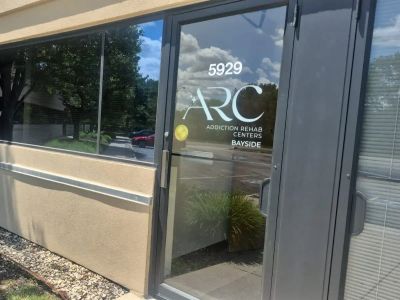

Addiction Rehab Centers - ARC At Bayside | Indianapolis Drug & Alcohol Rehab
Indianapolis, Indiana
5929 Lakeside Blvd, Indianapolis, IN 46278

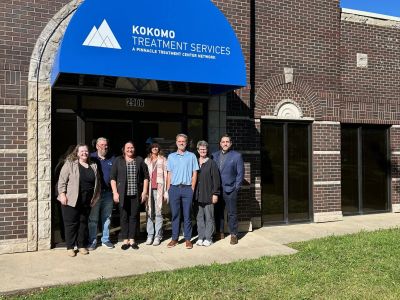

Pinnacle Treatment Centers - Kokomo
Kokomo, Indiana
2906 S. Reed Rd. Kokomo, IN 46902



Indiana Center for Recovery - Alcohol & Drug Rehab Center Bedford
Bedford, Indiana
1600 23rd St, Bedford, IN 47421
Get Personalized Rehab Matches in 60 Seconds
Tell us a few details and we’ll show a personalized shortlist of verified Indiana rehabs, making it simple to compare options and choose your next step with confidence.


First City Recovery Center
Kokomo, Indiana
317 W Jefferson St, Kokomo, IN, 46901



Madison State Hospital
Madison, Indiana
711 Green Road, Madison, IN, 47250
Southwestern Behavioral Healthcare - Faren E. Levell Center
Evansville, Indiana
410 Mulberry St. Evansville, IN 47713
Why Trust Indiana Rehabs
As Hoosiers helping Hoosiers, we understand the unique challenges our communities face. Our team meticulously verifies every Indiana treatment center, ensuring you find trusted, local care that truly understands your journey.
About our listingsLevels of Care
Explore popular treatment options by levels of care, from flexible treatment in Outpatient centers to intensive care in Residential rehabs.
Free · 24/7 · Confidential
Talk to a Treatment Specialist
Call now to get matched with Indiana facilities that accept your insurance.
(888) 568-9930
Free
Ins. check
4.9★
Rating
HIPAA
Protected
Can't travel to a facility?
Licensed Indiana therapists via secure video — same-week appointments, evenings & weekends available.
Most days, the weight of stress or that stubborn ache can make it tough to feel truly at ease in your own skin. What if there was a way to support your body’s own healing and find deep relaxation without turning to medications or invasive procedures? reiki offers a gentle touch, one that many find soothing when life feels overwhelming, but it’s important to look at what the science really says about its benefits and how it fits alongside traditional care.
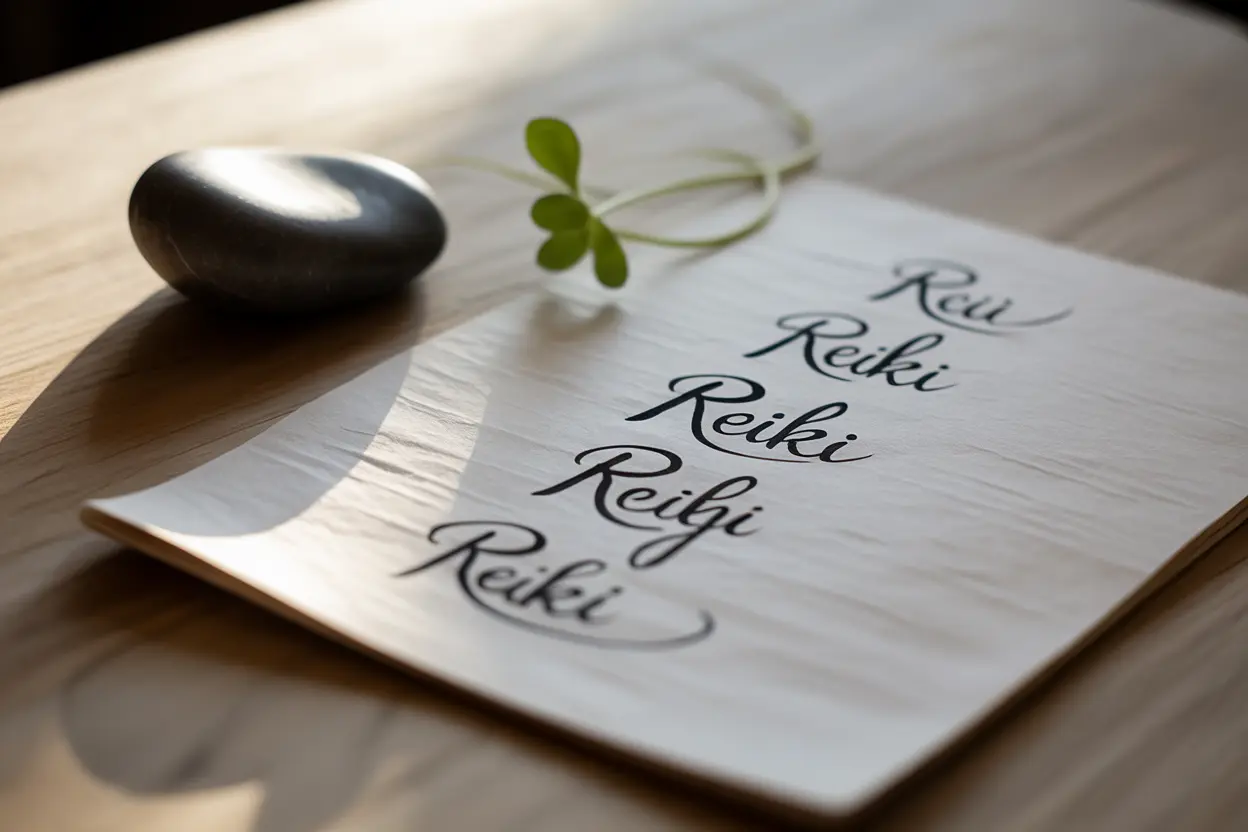
What is Reiki?
reiki is a Japanese healing technique that promotes relaxation and stress reduction. Its name comes from two Japanese words: "Rei," which means "God's Wisdom or the Higher Power," and "Ki," which means "life force energy." So, reiki essentially means "spiritually guided life force energy." This practice was developed in the early 1900s by a Japanese Buddhist named Mikao Usui, who taught his system to more than 2,000 people during his lifetime.
The core idea behind reiki is that an unseen "life force energy" flows through all of us. When this energy is low, we're more likely to feel sick or stressed, and when it's high, we're more capable of being happy and healthy. The healing practice of reiki is designed to help channel this energy to support the body's natural ability to heal itself. It's important to understand that reiki is a complementary therapy. This means it works alongside conventional medical and psychological treatments but is not a replacement for them. It's a gentle way to find calm and support your overall well-being.
How Does Reiki Work?
When you're trying to understand how reiki works, it helps to think of the practitioner as a channel rather than a healer. They aren't using their own energy; instead, they are trained to channel universal life energy and direct it to you. This process begins after a practitioner has gone through a series of "attunements" from a reiki Master, which are thought to open them up to this flow of energy.
During a session, the practitioner will gently place their hands in various positions, either lightly on your body or just a few inches above it. The belief is that this energy transfer helps break up any blockages in your energy flow. Think of it like a stream with rocks and debris blocking the water; reiki aims to remove those obstructions so the water can flow freely again. By restoring a balanced energy flow, the practice is thought to encourage your body’s own natural healing processes, leading to deep relaxation and a sense of peace.
Reiki Techniques
While every session is tailored to the individual, practitioners draw from a set of standard techniques to guide the healing energy. Some common ones include:
- Centering: Before the session begins, the practitioner will take a few moments to quiet their mind and connect with the universal life force energy. This helps them become a clear channel.
- Clearing: This involves the practitioner using their hands to "sweep" away negative energy from your body's energy field, often done at the beginning and end of a session.
- Beaming: A practitioner can direct reiki energy to a specific area from a distance, without direct touch.
- Standard Hand Positions: There is a series of hand placements used to cover the head, torso, and back. These positions correspond to the major organs and energy centers (chakras) of the body, ensuring a full-body treatment.
What happens during a Reiki session
A typical reiki session is all about creating a calm and comfortable space for you to relax. You’ll usually be in a quiet, softly lit room, often with gentle music playing in the background. You’ll lie fully clothed on a massage table, covered with a blanket for warmth and comfort. If lying down is uncomfortable, you can also receive treatment while sitting in a chair.
The practitioner will begin by talking with you briefly about what you hope to gain from the session. Then, they’ll start the gentle, non-invasive hand placements, moving from your head down to your feet. They may hold each position for several minutes before moving to the next. The touch is light, and there is no massage or manipulation of muscles involved.
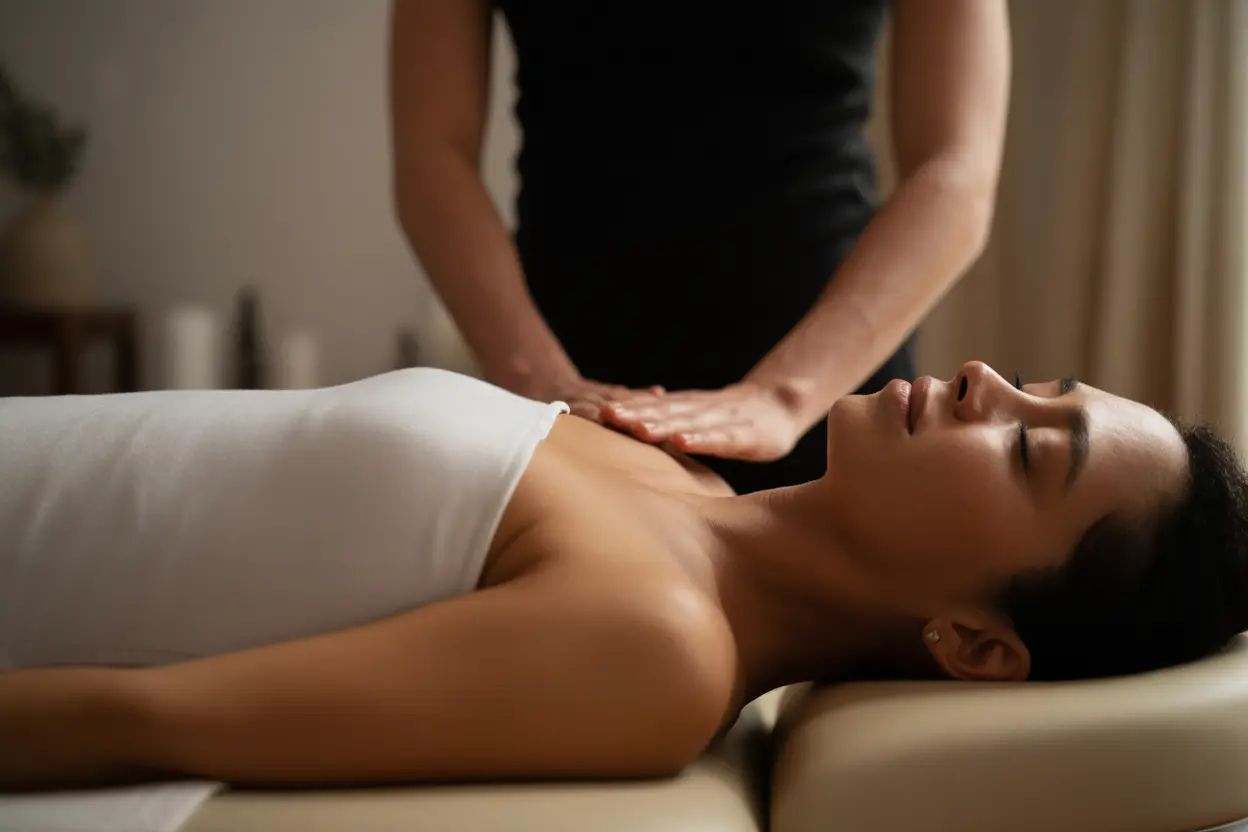
Everyone experiences a reiki session differently. Many people report a feeling of deep relaxation and may even fall asleep. You might feel a gentle warmth, coolness, or tingling sensation under the practitioner's hands. Some people see colors or images in their mind's eye, while others simply feel a sense of peace wash over them. No matter the experience, the goal is to promote a state of deep rest where your body can begin to heal.
Potential health benefits of Reiki
While reiki isn't a cure for any illness, many people find it to be a valuable tool for enhancing their well-being and managing symptoms. It's often used in settings like hospitals and hospices to support patients' quality of life. The potential benefits are primarily centered around relaxation and stress relief. Here are some of the most commonly reported advantages:
- Promotes deep relaxation: reiki can help calm your nervous system, slowing your heart rate and breathing, and creating a state of deep rest.
- Relieves stress and anxiety: By promoting relaxation, reiki can help lower stress levels and ease feelings of anxiety and overwhelm[1].
- Reduces pain and discomfort: Some studies and anecdotal reports suggest that reiki may help reduce physical pain from chronic conditions or post-surgery recovery by helping the body relax and release tension.
- Improves sleep: Many people find that the deep relaxation experienced during and after a session can lead to better, more restful sleep.
- Enhances overall well-being: By reducing stress and promoting a sense of peace, reiki can contribute to a better mood and a more positive outlook on life. Combining it with practices like yoga therapy can further support this mind-body balance.
Reiki's healing power: What is the evidence?
When people hear about the benefits of reiki, one of the first questions is often, "Is it scientifically proven?" The answer is complex. The core concept of reiki, a "life force energy" or "biofield," has not been measured or verified by modern scientific instruments. This makes it difficult to study in the same way as medications or other physical treatments.
Research into reiki faces several challenges. It's hard to design clinical trials that separate the effects of reiki from other factors. For example, the simple act of a caring person placing their hands on you (therapeutic touch), the calming environment of the session, and your own expectation of feeling better (the placebo effect) can all contribute to a positive outcome. It’s hard to create a "sham" version of reiki for a control group without the participant knowing.
Despite these challenges, some small studies have suggested that reiki may be helpful for reducing pain and anxiety. However, the scientific community generally agrees that the evidence is not yet strong enough to draw firm conclusions. More large, high-quality studies are needed. For now, reiki is best understood as a supportive practice that promotes relaxation, which in itself has many health benefits, rather than a scientifically proven healing power. It fits within a framework of care that values comfort and well-being alongside evidence-based medical treatments.
What are the risks of Reiki?
One of the most reassuring aspects of reiki therapy is that it is considered a very safe practice. Because it's a non-invasive technique that uses only light touch (or no touch at all), there are no known harmful side effects. Practitioners are not diagnosing conditions, prescribing substances, or manipulating the body in any way that could cause injury.
The biggest risk associated with reiki has nothing to do with the practice itself, but rather how a person might choose to use it. The danger lies in someone choosing reiki *instead of* seeking or continuing conventional medical treatment for a serious health condition. For example, delaying a visit to a doctor for persistent pain in favor of reiki sessions could allow an underlying condition to worsen.
It’s crucial to remember that reiki is a complementary therapy and should never be used as a replacement for diagnosis or treatment from a licensed medical or mental health professional[2]. Always consult your doctor about any health concerns and view reiki as one part of a larger wellness plan.
Where can a person get Reiki?
reiki practitioners can be found in a variety of settings. You might find them in private practice, at wellness centers, yoga studios, or even in some hospitals and hospices. In Indiana, it's important to know that there is no official state licensing for reiki practitioners. This means you should do a little homework before booking a session. Don't be afraid to ask a practitioner about their training, their experience, and their lineage (the line of teachers they trained under).

Increasingly, some addiction and mental health treatment centers in Indiana are offering reiki therapy as part of a holistic approach to recovery[3]. Integrating reiki can help clients manage stress, process difficult emotions, and connect with their bodies in a gentle, supportive way. If you're looking for a treatment facility that incorporates this and other complementary therapies, our resources can help you find a program that fits your needs.
Training, certification and adoption
reiki training is typically offered in three levels, or "degrees." Level I focuses on self-healing and treating friends and family. Level II introduces distance healing and the use of sacred symbols to enhance the energy flow. The final level is reiki Master, which allows a person to teach and give attunements to others. Certification is provided by the individual reiki Master who teaches the course, not by a government body. Because of this, credentials and training quality can vary widely. When seeking a practitioner, it’s helpful to ask about the duration of their training, how much hands-on experience they have, and who they trained with. Organizations like The International Center for reiki Training can also provide information and directories of practitioners.
Integrating Reiki Into Your Wellness Plan
When you put it all together, reiki therapy is a safe, gentle practice that can be a wonderful tool for relaxation and stress management. While the scientific evidence is still developing, many people find it deeply calming and supportive. The best way to approach reiki is as a complementary therapy, something that works with your conventional medical and mental health care, not against it.
If you're considering trying reiki, have an open conversation with your doctor or therapist. They can help you determine if it’s a good fit for your overall wellness plan. Viewing reiki as a supportive measure for your health, rather than a cure, sets realistic expectations and allows you to enjoy its potential for deep relaxation and peace.
Finding the right path to wellness means exploring all the tools available to you. If you're curious about how complementary therapies like reiki can be part of a comprehensive treatment plan in Indiana, we're here to help. You can explore treatment options on our site or call us at (888) 568-9930 to speak with someone who understands. At Indiana Rehabs, our goal is to connect you with the care you deserve. Please don't hesitate to reach out to us today for guidance.
Frequently Asked Questions About Reiki Therapy
Is Reiki the same as massage?
Is Reiki a religious practice?
What does it feel like to receive Reiki?
Do I need to believe in Reiki for it to work?
Can Reiki be done remotely or does it require touch?
How do I find a qualified Reiki practitioner in Indiana?
- Friedman, A. M., et al. (2011). Qualitative assessment of implementing reiki training in a community-based organization. AIDS Patient Care and STDs. pmc.ncbi.nlm.nih.gov
- Indiana Family and Social Services Administration. (2020). Certification and licensure rules and Indiana code. Indiana Family and Social Services Administration. in.gov
- U.S. Department of Health & Human Services. (2021). State residential treatment for behavioral health: Indiana. Assistant Secretary for Planning and Evaluation. aspe.hhs.gov