
Wheelchair Accessible Accessibility in Indiana



Showing 0 of 37 Results (filtered)
No facilities found matching your filters.
Why Trust Indiana Rehabs
As Hoosiers helping Hoosiers, we understand the unique challenges our communities face. Our team meticulously verifies every Indiana treatment center, ensuring you find trusted, local care that truly understands your journey.
About our listingsLevels of Care
Explore popular treatment options by levels of care, from flexible treatment in Outpatient centers to intensive care in Residential rehabs.
Free · 24/7 · Confidential
Talk to a Treatment Specialist
Call now to get matched with Indiana facilities that accept your insurance.
(888) 568-9930
Free
Ins. check
4.9★
Rating
HIPAA
Protected
Can't travel to a facility?
Licensed Indiana therapists via secure video — same-week appointments, evenings & weekends available.
Featured Rehab Centers
You’ve probably felt it before, that moment when a simple set of stairs suddenly stands between you and something important, turning what should be an easy path into a frustrating challenge. When it comes to seeking addiction treatment, those barriers can feel even bigger, especially if you need a space that understands and accommodates your physical needs. But you don’t have to settle for less or feel shut out; with the right information and a little guidance, finding a welcoming, wheelchair-accessible rehab in Indiana is absolutely within reach.
Addiction Treatment for the Disabled │ Rehabs
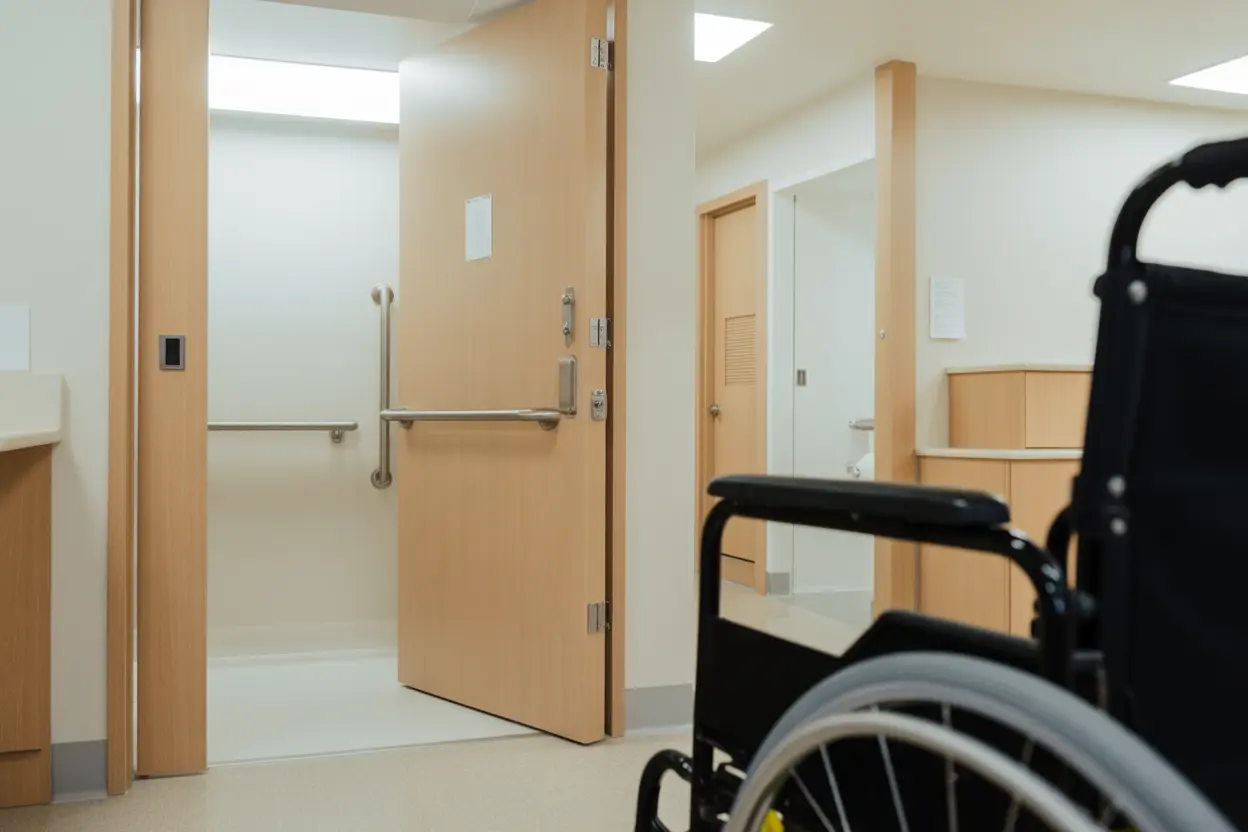
When you hear "wheelchair accessible rehab," it’s easy to picture a ramp at the front door. But true accessibility goes so much deeper than that. It’s about creating an environment where you can fully immerse yourself in your recovery journey without constantly worrying about physical barriers. This means every part of the facility should be designed to support your independence and participation.
Comprehensive accessibility in addiction treatment centers includes thoughtfully designed living quarters, bathrooms with roll-in showers and grab bars, and easy access to therapy rooms, dining halls, and even outdoor spaces for reflection. It’s about ensuring that you can navigate your daily routine with dignity and ease. In Indiana, facilities certified by the Division of Mental Health and Addiction (DMHA) must comply with federal accessibility standards, ensuring a baseline of accommodations[1]. These standards, defined by the Americans with Disabilities Act (ADA), are in place to make sure medical facilities are prepared to provide equitable care[2].
Finding a program that not only meets but exceeds these minimum requirements is key. It shows a commitment to providing truly inclusive care. Your physical disability shouldn't be an afterthought; it’s a part of your reality that the right treatment team will respect and accommodate. The goal is to find a place where you feel safe, supported, and empowered to focus entirely on your recovery.

Barriers to Addiction Treatment for the Disabled
Searching for addiction treatment is tough for anyone, but when you’re also navigating the world with a physical disability, the challenges can multiply. It’s not just about finding a program; it’s about finding one that you can actually access and participate in fully. Understanding these potential hurdles ahead of time can help you feel more prepared and confident in your search.
Individuals with disabilities often encounter a unique set of obstacles. These barriers aren't just frustrating; they can prevent someone from getting the life-saving care they need. Here are some of the common challenges you might face:
- Physical Barriers: This is the most obvious category. Many older buildings simply weren't designed with accessibility in mind. You might encounter stairs without ramps or elevators, narrow doorways and hallways that are difficult to navigate, or bathrooms that lack the space and equipment needed for safety and independence[3]. Even outdoor spaces for recreation or quiet time can be unusable if they aren't properly paved or graded.
- Logistical Barriers: Getting to and from a treatment center can be a major hurdle. A lack of reliable, accessible transportation is a common problem that can make attending outpatient programs or appointments incredibly difficult. This is one of the key transportation barriers that can stand in the way of consistent care.
- Staff-Related Barriers: Sometimes, the barriers are human. A treatment center’s staff might lack the training or awareness needed to fully support patients with disabilities. This can lead to misunderstandings, inadequate care, or a feeling that your needs are not being taken seriously. A truly supportive environment requires a team that is knowledgeable and empathetic to the unique challenges you face.
On top of these, financial concerns can add another layer of stress. Finding an accessible provider that is also in-network with your insurance can feel like searching for a needle in a haystack. By identifying these potential obstacles, you can better advocate for your needs and find a program that is truly prepared to support your recovery journey.
Finding a Rehabilitation Center for the Disabled
Once you know what to look for and what to look out for, you can start the process of finding the right rehabilitation center. This is about taking control and asking the right questions to ensure a facility can truly meet your needs. Don't be afraid to be direct; your comfort and safety are non-negotiable.
Before you commit to a program, it's crucial to speak with their admissions team. Go beyond a simple "Are you wheelchair accessible?" Here are some specific questions to ask:
- Can you describe the layout of your residential rooms and bathrooms? Are there roll-in showers and grab bars?
- Are all common areas, including therapy rooms, dining halls, and outdoor spaces, fully accessible?
- How do patients get to off-site appointments or meetings? Do you provide accessible transportation?
- What training has your staff received on supporting individuals with physical disabilities?
- Can your program accommodate other needs related to my disability, such as medication management or physical therapy coordination?
A common question is whether insurance covers addiction rehab for those with disabilities. The short answer is yes. Most insurance plans, including those under the Affordable Care Act and Indiana Medicaid, are required to cover treatment for substance use disorder[4]. In some cases, commercial insurance can cover up to 100% of the cost of treatment. It's always best to contact your insurance provider directly or have the treatment center's admissions team verify your coverage for you.
To help you get started, you can find valuable information and resources through official state channels. The Indiana DMHA Treatment Finder is a useful tool for locating licensed providers in your area. Our directory also lists wheelchair accessible rehabs in Indiana to help you narrow down your options and find a place that feels right for you.

Drug and Alcohol Rehab Settings for the Disabled
Addiction treatment isn’t a one-size-fits-all solution. Different levels of care are designed to meet people where they are in their recovery journey. For disabled individuals, it’s important to understand what accessibility looks like in each of these settings to choose the one that best supports both your recovery and your physical health needs.
Here are the common levels of care and what to consider for each:
- Medical Detox: This is often the first step, providing a safe and medically supervised environment to manage withdrawal symptoms. For a wheelchair user, this means having a room and bathroom that are fully accessible 24/7, with staff available to assist as needed while respecting your independence.
- Residential/Inpatient Programs: In a residential setting, you live at the facility while participating in intensive therapy and support groups[5]. Accessibility is crucial here, from your bedroom and shower to the cafeteria and counseling rooms. A quality residential program will ensure you can navigate the entire campus and participate in all activities without barriers.
- Outpatient Programs (PHP/IOP): Outpatient care allows you to live at home while attending treatment during the day. The primary accessibility concern here is often transportation. You’ll need to ensure you have a reliable way to get to and from the facility for all scheduled sessions. The treatment center itself must still be fully accessible, including therapy rooms and restrooms.
For many people with disabilities, addiction doesn't travel alone. It’s often accompanied by co-occurring disorders like depression, anxiety, or chronic pain. The most effective treatment programs offer integrated care that addresses both the substance use disorder and any mental health challenges simultaneously. Look for specialized services like physical therapy, occupational therapy, or vocational training that can support all aspects of your well-being and help you build a foundation for lasting recovery.

Getting Addiction Help for the Disabled
Taking the first step toward recovery is a brave decision, and you deserve to find a place that honors your strength by providing the accessible, compassionate care you need. Remember, recovery is possible, and there are facilities in Indiana ready to support you without forcing you to compromise your physical needs or your dignity[6]. You don't have to do this alone.
When you're ready to move forward, here are a few clear next steps you can take:
- Prepare for your calls. Use the questions in this guide to create a checklist. This will help you feel confident and ensure you get all the information you need when you speak with different treatment centers.
- Contact potential centers directly. The best way to know if a facility is right for you is to talk to them. Explain your specific needs and listen to how they respond. Their willingness to have an open conversation is a great sign. The ACL Paralysis Resource Center can also provide additional support.
- Call our confidential helpline. If you’re feeling overwhelmed or just want to talk to someone who understands, we're here to help. Our team can provide personalized guidance and help you connect with a verified facility that meets your accessibility requirements.
You’ve already shown incredible resilience. Taking this next step is a continuation of that strength. The right help is out there, and you have the power to find it. You deserve a recovery journey that is supportive, respectful, and free of unnecessary barriers.
Your path to a healthier life is waiting. When you’re ready to talk, our team at Indiana Rehabs is available to listen and help you find the right fit. You can reach us 24/7 at (888) 568-9930 or get in touch through our contact page. A brighter future is within your grasp, and we’re here to help you reach it.
Frequently Asked Questions About Wheelchair Accessible Rehab in Indiana
What is the difference between inpatient and outpatient rehab for someone in a wheelchair?
Do rehabs in Indiana offer transportation for disabled patients?
Can a rehab facility accommodate my service animal?
Are there special rehab programs for seniors with disabilities in Indiana?
What happens if I need medical care for my disability while in rehab?
What are my rights under the ADA for addiction treatment?
- U.S. Department of Health and Human Services. (August, 2021). State residential treatment for behavioral health conditions: Indiana. Office of the Assistant Secretary for Planning and Evaluation. aspe.hhs.gov
- U.S. Access Board. (2010). ADA accessibility standards. U.S. Access Board. access-board.gov
- Substance Abuse and Mental Health Services Administration. (2000). Appendix D, Alcohol and drug programs and The Americans With Disabilities Act. Substance Abuse and Mental Health Services Administration. ncbi.nlm.nih.gov
- Indiana Medicaid. (06-16-2021). Substance Use Disorder (SUD)/Serious Mental Illness (SMI) treatment. Indiana Family and Social Services Administration. in.gov
- (2014). 440 IAC 9-2-8 - Residential services for adults with addictions. Cornell Law School Legal Information Institute. law.cornell.edu
- U.S. Department of Justice. (04-05-2022). The ADA and Opioid Use Disorder: Combating discrimination. Civil Rights Division. ada.gov