Joint Commission (JCAHO) Accredited Rehabs

Showing 20 of 90 Results (filtered)
Featured Rehab Centers


1411 W County Line Rd, Suite 1411A, Greenwood, IN 46142

Parkview Health - Decatur Office
Decatur, Indiana
809 High Street, Decatur, IN, 46733
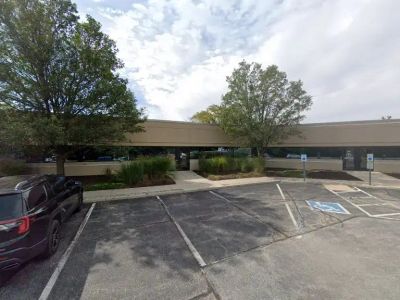
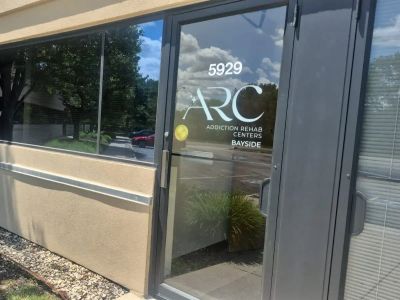

Addiction Rehab Centers - ARC At Bayside | Indianapolis Drug & Alcohol Rehab
Indianapolis, Indiana
5929 Lakeside Blvd, Indianapolis, IN 46278
Get Personalized Rehab Matches in 60 Seconds
Tell us a few details and we’ll show a personalized shortlist of verified Indiana rehabs, making it simple to compare options and choose your next step with confidence.
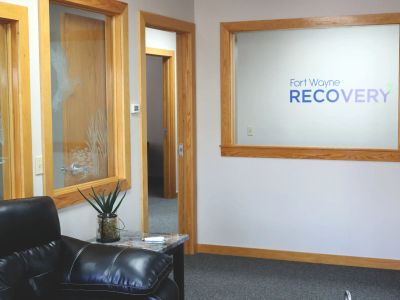
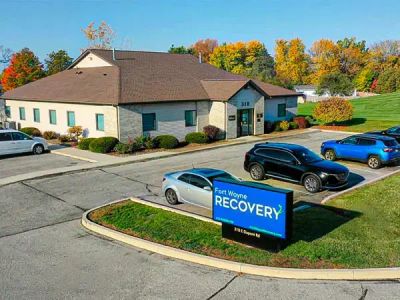

Fort Wayne Recovery
Fort Wayne, Indiana
310 E Dupont Rd, Fort Wayne, IN 46825

Hamilton Center Inc: Mathew Maleakal S MD
Terre Haute, Indiana
620 8th Ave, Terre Haute, IN 47804
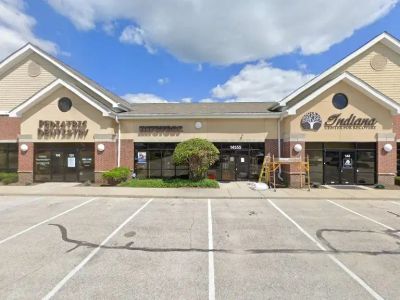
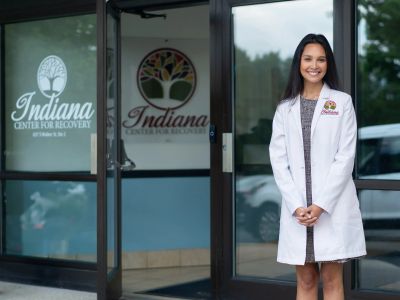
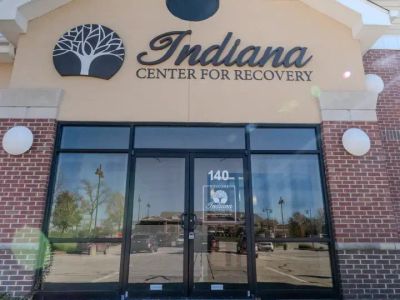
Indiana Center For Recovery - Alcohol & Drug Rehab Center Carmel
Carmel, Indiana
14555 Hazel Dell Pkwy #140, Carmel, IN 46033
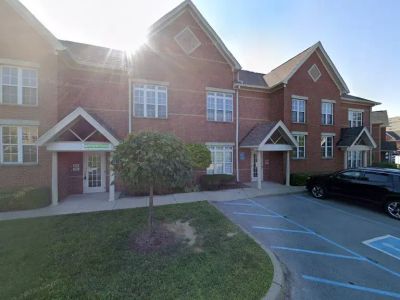
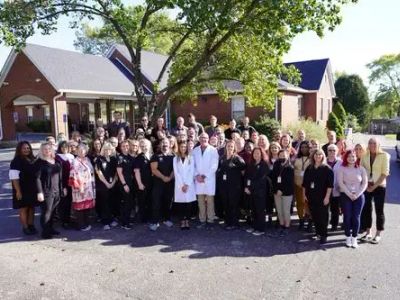

Indiana Center for Recovery - Alcohol & Drug Rehab Center Jeffersonville
Jeffersonville, Indiana
601 N Shore Dr Suite 102-103, Jeffersonville, IN 47130
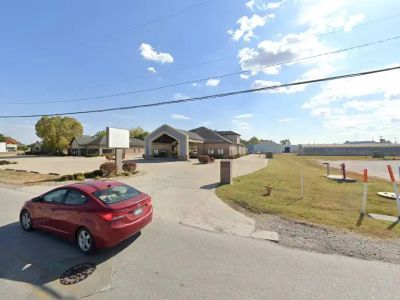
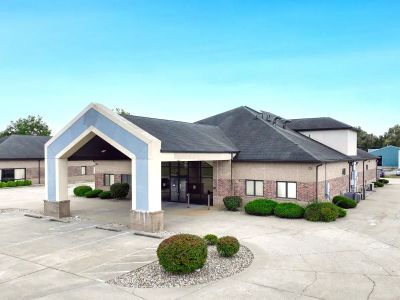
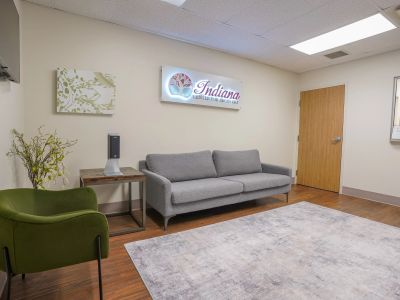
Indiana Center For Recovery- Alcohol & Drug Rehab Terre Haute
Terre Haute, Indiana
135 E Hospital Ln, Terre Haute, IN 47802

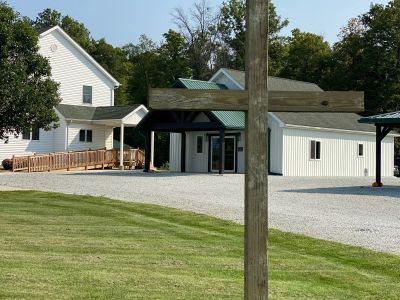

Valley of Grace
Kokomo, Indiana
5254 County Rd North 500 E, Kokomo, IN 46901
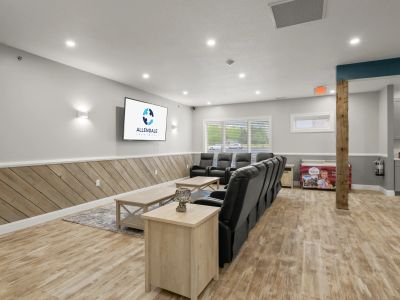


Allendale Treatment
Auburn, Indiana
5419 Co Rd 427, Auburn, IN 46706

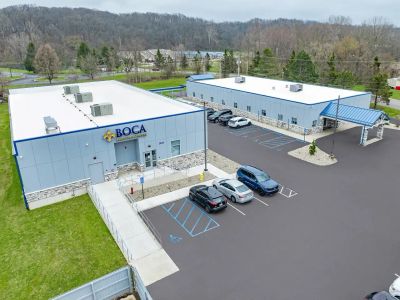

Boca Recovery Center - Fort Wayne, Indiana
Fort Wayne, Indiana
111 W Berry St #211, Fort Wayne, IN 46802
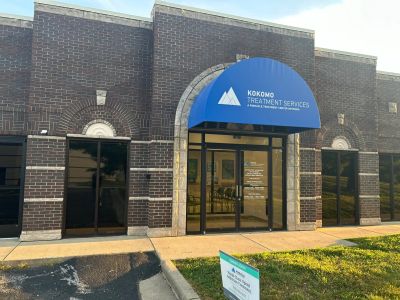
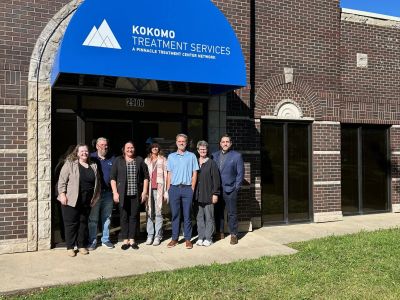
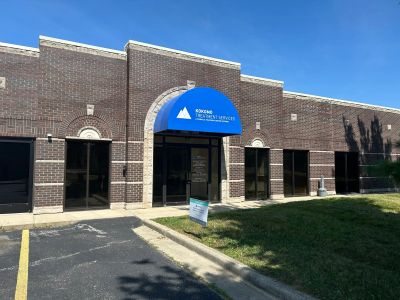
Pinnacle Treatment Centers - Kokomo
Kokomo, Indiana
2906 S. Reed Rd. Kokomo, IN 46902



See Purpose Addiction Treatment Center Indiana
Bloomfield, Indiana
3237 IN-157, Bloomfield, IN 47424
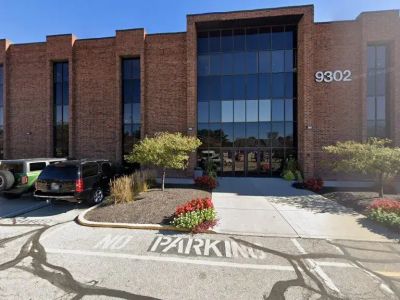

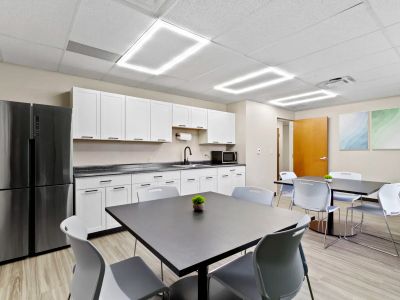
Spark Recovery - Outpatient Drug Addiction Treatment Indianapolis
Indianapolis, Indiana
9302 N Meridian St Ste 101, Indianapolis, IN 46260



Elevate Recovery
Kokomo, Indiana
209 N Webster St, Kokomo, IN 46901

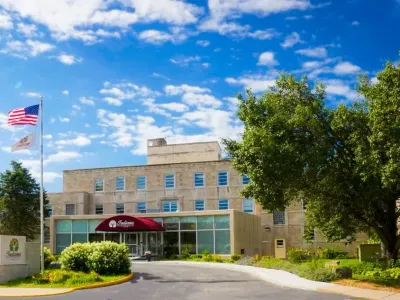

Indiana Center for Recovery - Alcohol & Drug Rehab Center Bedford
Bedford, Indiana
1600 23rd St, Bedford, IN 47421

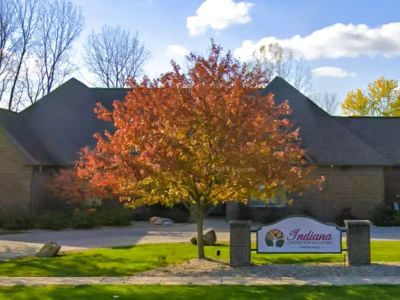

Indiana Center for Recovery - Alcohol & Drug Rehab Center Indianapolis
Indianapolis, Indiana
5510 S Emerson Ave, Indianapolis, IN 46237
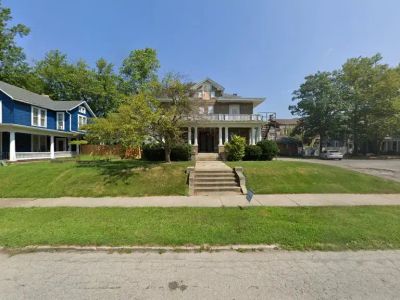

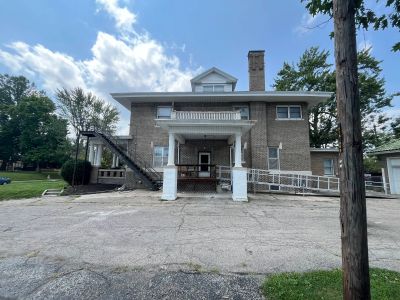
Monarch Recovery
Kokomo, Indiana
516 W Walnut St, Kokomo, IN 46901

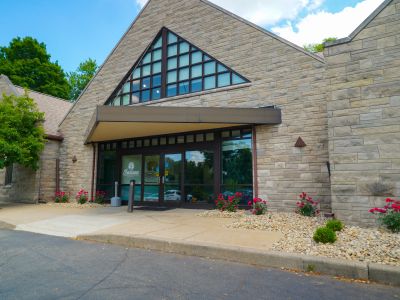

Indiana Center for Recovery
Bloomington, Indiana
1004 West 1st Street, Bloomington, IN, 47403


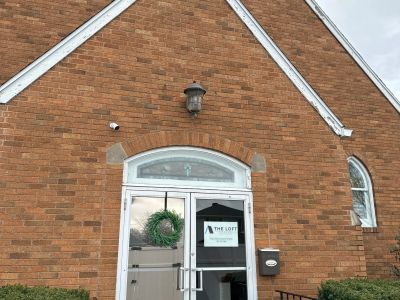
The Loft Recovery
Kokomo, Indiana
1700 S Main St, Kokomo, IN 46902
Why Trust Indiana Rehabs
As Hoosiers helping Hoosiers, we understand the unique challenges our communities face. Our team meticulously verifies every Indiana treatment center, ensuring you find trusted, local care that truly understands your journey.
About our listingsLevels of Care
Explore popular treatment options by levels of care, from flexible treatment in Outpatient centers to intensive care in Residential rehabs.
Free · 24/7 · Confidential
Talk to a Treatment Specialist
Call now to get matched with Indiana facilities that accept your insurance.
(888) 568-9930
Free
Ins. check
4.9★
Rating
HIPAA
Protected
Can't travel to a facility?
Licensed Indiana therapists via secure video — same-week appointments, evenings & weekends available.
When every rehab center’s website seems to blend together, the search for the right place can feel overwhelming, even dizzying. But there’s something that quietly sets some facilities apart, the Gold Seal of Approval that whispers of safety, strict standards, and true dedication to your well-being. JCAHO accreditation isn’t just a badge; it’s a sign you can trust, and knowing what it means can help bring clarity and confidence to one of the most important choices you’ll ever make.
What Is JCAHO / The Joint Commission?
When you come across the term "JCAHO," it's natural to wonder what it stands for. JCAHO is the former name of The Joint Commission, an independent, non-profit organization that has been a guiding force in U.S. healthcare for decades. You’ll still see the old name used frequently, but its official title is now simply The Joint Commission. Its mission is deeply rooted in public service: to continuously improve health care for everyone by evaluating healthcare organizations and inspiring them to excel in providing safe and effective care[1]. Think of it as a trusted third party that visits facilities to ensure they are meeting a very high bar for quality and safety. This process, known as accreditation, is a voluntary commitment a facility makes to show it’s dedicated to being the best it can be for its patients.
The History of The Joint Commission
The story of The Joint Commission begins over a century ago with a simple but powerful idea: to create a set of standards to ensure a basic level of quality in hospitals. It was founded on the principle that everyone deserves safe, competent medical care. Originally established as the Joint Commission on Accreditation of Hospitals (JCAH), it later expanded its scope to include a wide range of healthcare organizations, from behavioral health providers to home care services, becoming JCAHO. The name was officially shortened to The Joint Commission in 2007 to better reflect its broad role in the healthcare industry, but the JCAHO acronym has stuck around due to its long history.
The Gold Seal of Approval: A Mark of Excellence
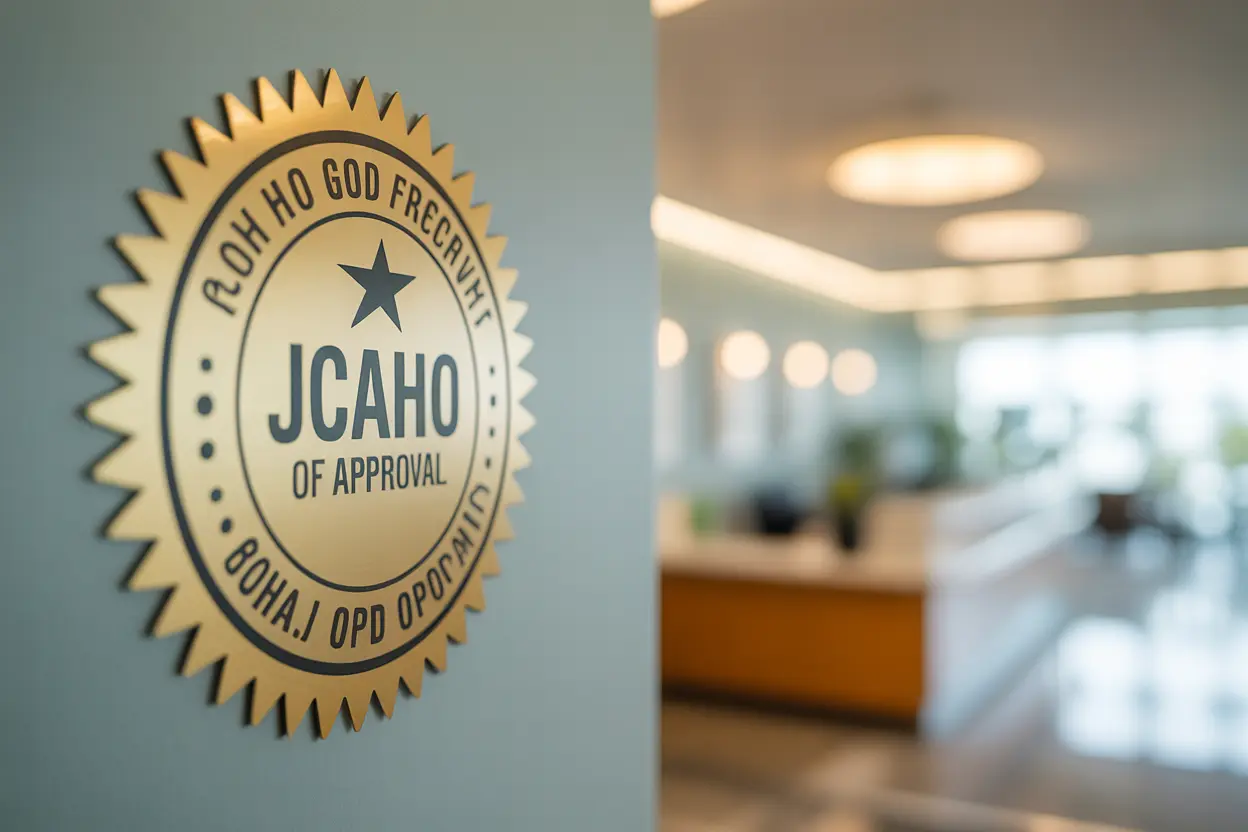
You may have seen a gold circle with a star and swoosh on a facility’s website or hanging on a wall in their lobby. That's The Joint Commission's Gold Seal of Approval®, and it means something important. It’s not just a decoration; it’s a symbol that the organization has gone through a rigorous evaluation and met demanding performance standards[2]. When you see this seal, it tells you that the rehab center has made a serious commitment to quality and safety. It’s a visible sign that you can trust the care you or your loved one will receive there, providing a little extra peace of mind during a challenging time.
Why is JCAHO Accreditation Important?
In a sea of treatment options, JCAHO accreditation acts like a lighthouse, guiding you toward quality care. It's an objective, impartial evaluation of a rehab facility's operations, which is incredibly valuable when you’re trying to make a decision based on websites and phone calls. It signifies that a center isn't just saying it provides good care, it has proven it to a team of independent experts. This distinction is held by a minority of facilities, showing a true dedication to excellence. Choosing an accredited rehab means you're selecting a program that is committed to continuous improvement, patient safety, and using treatment methods that are proven to work[3]. For patients and their families, this provides profound peace of mind, assuring them that the facility adheres to nationally recognized standards for addiction treatment.
Ensuring High Standards in Patient Care
Accreditation isn’t just about having a clean facility. It forces a center to maintain high standards in every corner of its operations. This includes everything from the credentials and ongoing training of the clinical staff to the way individual treatment plans are developed and managed. JCAHO-accredited rehabs must follow strict protocols for medication management, ensuring safety and accuracy. These standards are not arbitrary; they are built on evidence-based practices and the latest research in the addiction treatment field. This focus on proven methods ensures that patients are receiving care that is not only safe but also effective.
Building Patient Trust and Confidence
When you or someone you love is struggling with addiction, you feel vulnerable. Placing your trust in a group of strangers is a huge leap of faith. JCAHO accreditation serves as a powerful trust signal in these moments. Knowing that a facility has voluntarily opened its doors to a rigorous third-party review can provide immense reassurance. It shows the organization is transparent and confident in its quality of care. This seal helps patients and their families feel more secure in their choice, knowing they have selected a reputable facility that is held accountable to high standards by an outside authority. You can explore a list of trusted addiction treatment facilities to see which centers have earned this mark of quality.
Increasing Access to Insurance and Funding
Beyond the quality of care, there's a very practical reason to choose a JCAHO-accredited rehab: insurance. Many insurance companies require a facility to be accredited to be eligible for reimbursement[4]. This means that selecting an accredited center can make treatment significantly more affordable and accessible. By choosing one of these facilities, you increase the likelihood that your insurance plan will cover the services you need. It’s a critical factor that can remove a major barrier to getting help, ensuring that financial concerns don’t stand in the way of recovery.
The Joint Commission Accreditation Process
Earning The Joint Commission's Gold Seal of Approval is not a simple task. The accreditation process is voluntary, but it's also incredibly rigorous and detailed. It begins with a facility conducting a thorough self-assessment to see how its current practices measure up against The Joint Commission's standards. After that, the organization submits a detailed application. The most intensive part of the process is the on-site survey. This is where a team of Joint Commission experts, known as surveyors, visits the facility in person for a multi-day inspection. They don't just look at paperwork; they observe care, talk to staff and patients, and trace a patient's entire experience from admission to discharge. Accreditation isn't a one-and-done award, either. Facilities must prove their ongoing compliance with these high standards and are typically re-surveyed every three years to maintain their status[5].
What Are The Joint Commission Standards For Rehabilitation?
So, what exactly are the surveyors looking for? The Joint Commission's standards for rehabilitation are comprehensive, covering hundreds of elements that impact the patient experience. They are detailed in official manuals that guide facilities on best practices[6]. Key areas of evaluation include:
- Patient Rights: Ensuring patients are treated with dignity and respect, are involved in their treatment decisions, and understand their rights and responsibilities.
- Treatment Planning: Verifying that care is individualized, based on a thorough assessment, and includes measurable goals.
- Environment of Care: Checking that the facility is safe, clean, and well-maintained to create a healing environment.
- Staff Qualifications: Confirming that all staff members, from therapists to medical personnel, are properly licensed, credentialed, and trained.
- Medication Management: Reviewing the entire process for ordering, storing, administering, and monitoring medications to prevent errors.
- Infection Control: Making sure the facility follows protocols to prevent the spread of illness.
Application and Survey Process
The on-site survey is the heart of the accreditation process. It’s an unannounced, thorough inspection where surveyors immerse themselves in the facility’s day-to-day operations. They will follow patients through their treatment journey to see how policies are applied in the real world. They review medical records to check for completeness and accuracy, interview staff members to assess their knowledge, and even talk to patients about their experiences. This hands-on evaluation is designed to get a true picture of the quality and safety of care being provided, ensuring that the facility doesn't just have good policies on paper but actually follows them every single day.
How to Find a JCAHO-Accredited Rehab Center
Finding a rehab center with JCAHO accreditation is easier than you might think when you know where to look. There are a few straightforward steps you can take to verify that a facility meets these high standards.
First, you can go directly to the source. The Joint Commission operates an official website with a search tool that allows you to look up any healthcare organization. By using The Joint Commission's official Quality Check tool, you can confirm a facility's accreditation status in seconds.
Second, look for the Gold Seal of Approval® on the rehab center’s own website, brochures, or other materials. Accredited organizations are proud of their achievement and usually display the seal prominently.
Third, you can use a trusted directory that does the work for you. Here at Indiana Rehabs, our listings make it easy to identify JCAHO accredited rehabs right here in our state. You can use our filters to narrow your search to only include facilities that have earned this important credential.
Finally, don’t be afraid to ask directly. When you call an admissions line, a great question to ask is, “Are you accredited by The Joint Commission?” A reputable facility will be happy to answer and provide you with that assurance.
Find the Best Care for Addiction at JCAHO Rehabs
At the end of the day, choosing a JCAHO-accredited rehab center is about choosing a facility that has proven its commitment to excellence. This accreditation is a reliable sign of quality, safety, and effective care. It tells you that the center is dedicated to using evidence-based practices and is held accountable by a respected national authority. While this seal is a critical factor, remember to also consider your own personal needs, such as the treatment approaches offered, the location, and the cost. You've taken a huge step by learning what this credential means. Now you have the knowledge to make a more informed, confident decision for yourself or your loved one.
Navigating the path to recovery can feel overwhelming, but you don’t have to do it alone. Knowing what to look for, like The Joint Commission's Gold Seal of Approval, can bring much-needed clarity. If you’re ready to take the next step and find a quality treatment center in Indiana, we are here to help. You can explore your options or speak with a compassionate specialist by calling (888) 568-9930 today. The team at Indiana Rehabs is ready to listen and assist you. Please feel free to contact us with any questions you may have. The right care is out there, and you deserve to find it.
Frequently Asked Questions About JCAHO Accreditation for Rehab
What is the main difference between JCAHO and CARF accreditation?
While both are signs of quality, their focus differs. JCAHO (The Joint Commission) accredits a wide variety of healthcare organizations, including large hospitals. CARF specializes more narrowly in rehabilitation fields, including addiction and behavioral health services.
A hospital-based detox program might have JCAHO accreditation, while a standalone addiction treatment center might have CARF. Seeing either seal is a positive sign that the facility is committed to high standards.
What happens if a rehab center loses its JCAHO accreditation?
Losing JCAHO accreditation is a serious event that means a facility no longer meets national standards for patient safety and quality care. It serves as a major red flag about the program’s operations.
This can cause insurance providers to drop the facility from their networks, making treatment there much more expensive. The center would have to address all its deficiencies and pass a new survey to regain its accredited status.
Does JCAHO accreditation guarantee that a rehab program will work?
No, JCAHO accreditation cannot guarantee a specific recovery outcome for any one person. Addiction treatment is a personal journey, and success depends heavily on your own readiness and participation.
What it does guarantee is that the program meets high, evidence-based standards for patient care, staff qualifications, and safety. It ensures you’re in a quality environment that provides a strong foundation for your recovery work.
Can I report a problem with a JCAHO-accredited rehab?
Yes. The Joint Commission relies on feedback from patients and their families to ensure facilities maintain high standards. If you have a concern about patient safety or the quality of care at an accredited rehab, you are encouraged to report it.
You can file a report directly through the official Joint Commission website. This feedback is a crucial part of their quality monitoring process and helps hold treatment facilities accountable.
- The Joint Commission. (2025). Standards. The Joint Commission. jointcommission.org
- The Joint Commission. (2025). Behavioral Health Care & Human Services Accreditation Program. The Joint Commission. jointcommission.org
- Mattox, T., & Rieckmann, T. (Eds.). (2020). Tracking the Quality of Addiction Treatment Over Time and Across Treatment Settings. Substance Abuse and Mental Health Services Administration. ncbi.nlm.nih.gov
- Office of the Assistant Secretary for Planning and Evaluation. Credentialing, licensing, and reimbursement of the sud workforce. U.S. Department of Health and Human Services. aspe.hhs.gov
- The Joint Commission. (2025). Search for Substance Use Disorder Treatment Providers. The Joint Commission. jointcommission.org
- The Joint Commission. (2025). Standards Manuals. The Joint Commission. jointcommission.org