Alcohol Rehabs

Showing 20 of 340 Results (filtered)
Featured Rehab Centers

1411 W County Line Rd, Suite 1411A, Greenwood, IN 46142

1525 West Harrison street, Plymouth, IN 46563

91 West Mound Street, Nashville, IN 47448
Get Personalized Rehab Matches in 60 Seconds
Tell us a few details and we’ll show a personalized shortlist of verified Indiana rehabs, making it simple to compare options and choose your next step with confidence.

AD Rehab - Addiction Treatment Center
Merrillville, Indiana
5382 Washington St, Merrillville, IN 46410
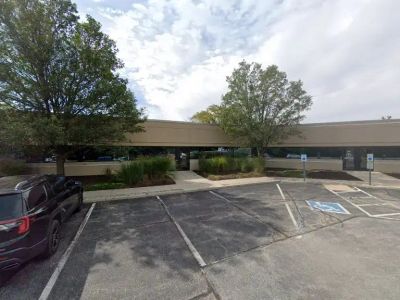
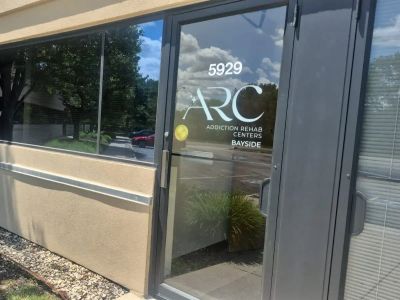

Addiction Rehab Centers - ARC At Bayside | Indianapolis Drug & Alcohol Rehab
Indianapolis, Indiana
5929 Lakeside Blvd, Indianapolis, IN 46278

Addiction Rehab Centers - ARC at Fox Hill | Drug & Alcohol Rehab - Mooresville Indiana
Mooresville, Indiana
12168 N Mann Rd, Mooresville, IN 46158

Addictions Recovery Centers - South Bend
South Bend, Indiana
2012 Ironwood Circle, South Bend, IN, 46635

ADTR Center - Addiction Treatment
Gary, Indiana
1601-35 W 25th Ave, Gary, IN 46404

Alliance MD
Munster, Indiana
8242 Calumet Ave, Munster, IN 46321
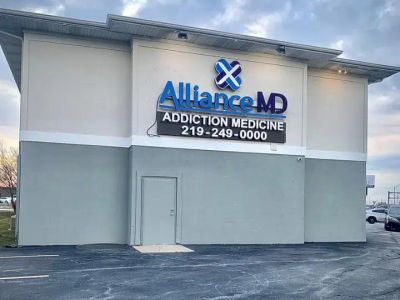
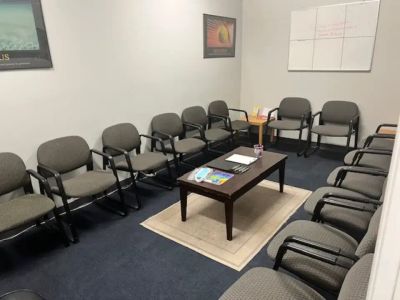
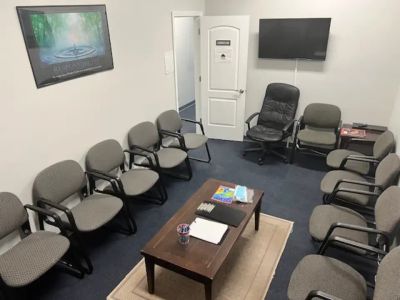
Alliance MD - Addiction Treatment Center
Merrillville, Indiana
8102 Georgia St, Merrillville, IN 46410
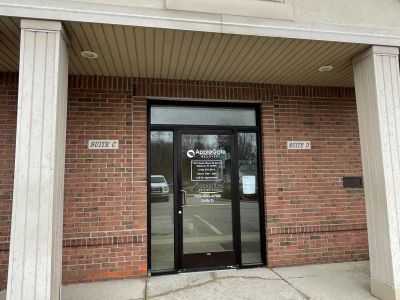
AppleGate Recovery Kokomo
Kokomo, Indiana
1542 S Dixon Rd STE C, Kokomo, IN 46902

Aspire Indiana Health – Next Step
Indianapolis, Indiana
2456 N Bolton Ave, Indianapolis, IN 46218
Centerstone - New Castle
New Castle, Indiana
3221 S Memorial Dr, New Castle, IN 47362
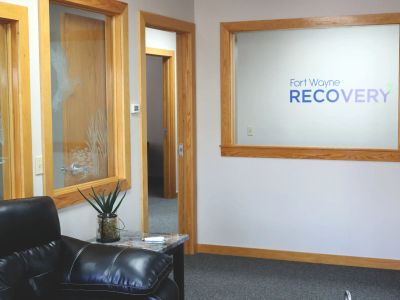
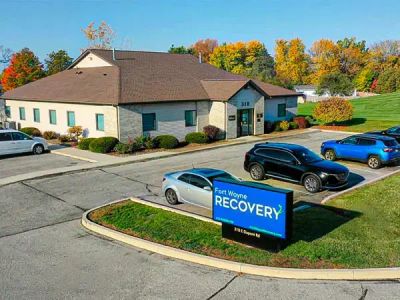

Fort Wayne Recovery
Fort Wayne, Indiana
310 E Dupont Rd, Fort Wayne, IN 46825

Hamilton Center Inc: Mathew Maleakal S MD
Terre Haute, Indiana
620 8th Ave, Terre Haute, IN 47804
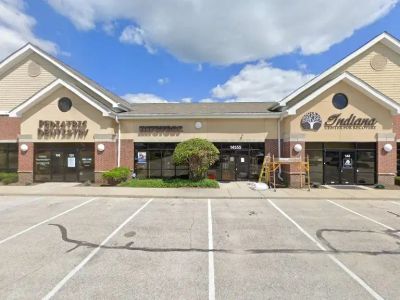
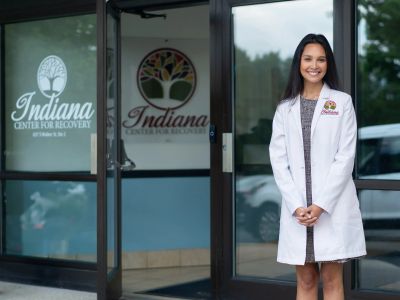
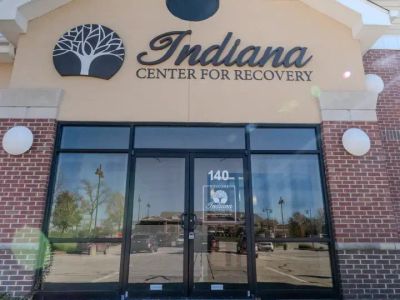
Indiana Center For Recovery - Alcohol & Drug Rehab Center Carmel
Carmel, Indiana
14555 Hazel Dell Pkwy #140, Carmel, IN 46033
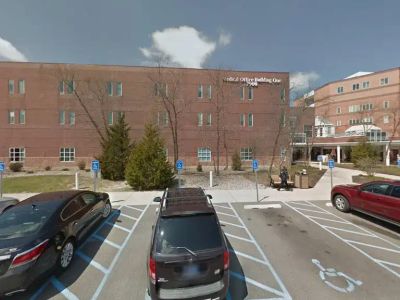
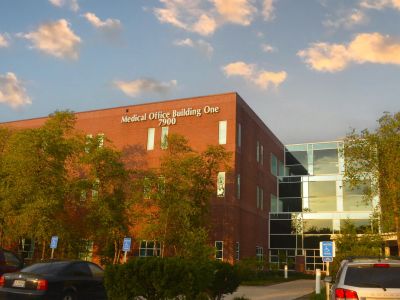
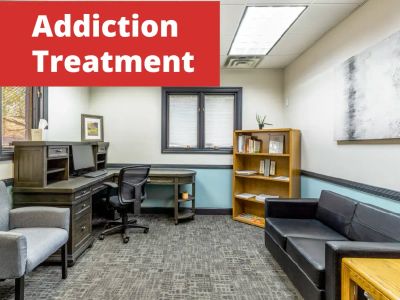
Indiana Center for Recovery - Alcohol & Drug Rehab Center Fort Wayne
Fort Wayne, Indiana
7900 W Jefferson Blvd, Fort Wayne, IN 46804
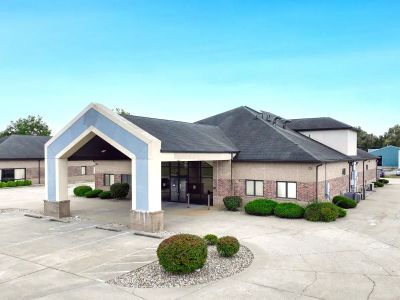
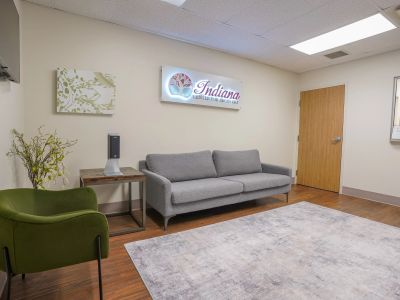
Indiana Center For Recovery- Alcohol & Drug Rehab Terre Haute
Terre Haute, Indiana
135 E Hospital Ln, Terre Haute, IN 47802

Indiana Professionals Recovery Program
Valparaiso, Indiana
13 Lincolnway suite 205, Valparaiso, IN 46383

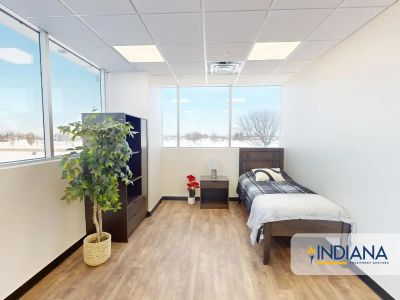

Indiana Treatment Centers
Columbus, Indiana
1888 Poshard Dr, Columbus, IN 47203
Why Trust Indiana Rehabs
As Hoosiers helping Hoosiers, we understand the unique challenges our communities face. Our team meticulously verifies every Indiana treatment center, ensuring you find trusted, local care that truly understands your journey.
About our listingsLevels of Care
Explore popular treatment options by levels of care, from flexible treatment in Outpatient centers to intensive care in Residential rehabs.
Free · 24/7 · Confidential
Talk to a Treatment Specialist
Call now to get matched with Indiana facilities that accept your insurance.
(888) 568-9930
Free
Ins. check
4.9★
Rating
HIPAA
Protected
Can't travel to a facility?
Licensed Indiana therapists via secure video — same-week appointments, evenings & weekends available.
Picture yourself standing on the cool sand at the Indiana Dunes as the sun rises, breathing in crisp air and feeling truly present, unburdened by the grip of alcohol. If you’re longing for that kind of clarity and peace, you’re not alone, change is possible, no matter where you’re starting from. The path to recovery can feel tangled, but there are real, personalized options for alcohol rehab here in Indiana, and with the right guidance, you can take meaningful steps toward a brighter, lighter future.

Why is alcohol rehab important?
When drinking starts to cause problems at home, at work, or with your health, it may be a sign of alcohol use disorder (AUD). It’s not a personal failing or a lack of willpower; AUD is a recognized medical condition that changes how your brain works, making it incredibly difficult to stop on your own. In fact, over 29 million people in the U.S. struggle with it[1]. Here in Indiana, the impact is significant, with alcohol contributing to over 1 in 5 driving fatalities[2]. Reaching out for help with alcohol addiction is a sign of true strength.
Professional alcohol rehab provides a path to recovery that you just can’t replicate alone. It offers a structured and safe environment away from the triggers and stresses of daily life, giving you the space to heal. Key benefits of treatment include medical supervision to manage withdrawal safely, a supportive community of peers who understand what you’re going through, and guidance from professionals who can teach you healthier coping skills. This dedicated time and expert care can make all the difference in building a foundation for lasting recovery.
Types of treatment settings
When it comes to alcohol rehab, there’s no such thing as a one-size-fits-all solution. Your journey is unique, and the right treatment plan should be too. The best programs match the level of care to your specific needs, considering factors like the severity of the addiction, your mental health, and your home environment. From round-the-clock medical support to flexible outpatient services, there are different types of rehab programs and levels of care designed to meet you where you are. Let’s explore some of the most common options available.
Medical detox
Medical detox is often the very first step in the recovery process. It’s a supervised program where healthcare professionals help you manage the symptoms of alcohol withdrawal, which can be uncomfortable and sometimes even dangerous. Think of it as a bridge to the next phase of your treatment. The goal isn’t just to get through withdrawal, but to do so safely and as comfortably as possible, so you can enter therapy with a clear mind and a stable body, ready for the real work of recovery to begin.
Inpatient Treatment Placement
Inpatient or residential treatment is what most people picture when they think of rehab. In these programs, you live at the facility, which provides a highly structured and supportive environment 24/7. This level of care is ideal if you’re dealing with a more severe AUD or if your home environment is unstable or full of triggers. Days are typically filled with a mix of individual therapy, group counseling, and other activities designed to help you focus completely on your health and recovery without outside distractions[3].
Outpatient Treatment
Outpatient programs offer more flexibility, allowing you to live at home and continue with work, school, or family responsibilities while attending treatment. You’ll go to a facility for scheduled therapy sessions and activities several times a week. There are different intensities, including partial hospitalization programs (PHP), which are more intensive, and intensive outpatient programs (IOP). This approach is a great option for those with a strong support system at home and a less severe addiction, or as a step-down from inpatient care.
Dual Diagnosis Treatment
It’s very common for alcohol addiction to go hand-in-hand with mental health conditions like anxiety, depression, or PTSD. When someone is struggling with both, it’s called a co-occurring disorder or a dual diagnosis. The most effective treatment addresses both conditions at the same time through an integrated approach. Dual diagnosis treatment ensures that your mental health gets the care it needs, which is crucial for building a strong and lasting recovery from alcohol addiction.
Sober Living
Sober living homes are structured, substance-free residences that serve as a bridge between inpatient rehab and returning to everyday life. They provide a safe and supportive environment where you can practice the skills you learned in treatment while gradually taking on more independence. With built-in accountability and a community of peers focused on recovery, these homes are an excellent aftercare option to help reinforce healthy habits and reduce the risk of relapse.

What are my payment options, and how much does treatment cost?
It’s completely normal to worry about the cost of treatment. The good news is that you have options, and getting help is more accessible than you might think. The final cost of alcohol rehab can vary based on the level of care, the length of the program, and the facility’s amenities. It's important to know that public and private health insurance can cover a significant portion, sometimes even all, of your addiction treatment costs. The first step is to figure out what your plan covers.
Here are the most common payment options:
- Private Insurance: Most private health insurance plans offer coverage for substance use disorder treatment. We can help you understand your benefits.
- Indiana Medicaid: If you have Medicaid, many essential treatment services are covered, making sure that cost isn't a barrier to getting the care you need[3][4].
- Medicare: This federal program also provides coverage for various types of alcohol rehab services.
- Private Pay/Financing: For those without insurance or who prefer to pay directly, many facilities offer payment plans or financing options.
Don't let financial worries stop you from exploring your options. Verifying your insurance coverage is a simple, confidential first step toward understanding exactly what is available to you.
Take the First Step Toward Addiction Recovery & Mental Wellness
Your journey to recovery is just that, a journey. It doesn’t happen overnight, but it starts with a single, courageous step. Reaching out for help is the most important part of the entire process. We know it can feel overwhelming, and maybe you're thinking, "What if I'm not ready for addiction treatment yet?" That's okay. There are still things you can do.
You could start by simply calling a confidential helpline to talk things through with someone who understands, or you could schedule an appointment with your doctor to discuss your health concerns in a private setting. Resources like the Indiana University Alcohol Research Center can also point you toward valuable tools like the NIAAA Alcohol Treatment Navigator, which helps you explore options on your own terms[5]. The key takeaway is that help is available right here in Indiana, with programs designed to fit different needs, lifestyles, and budgets. You don’t have to have it all figured out to start moving toward a healthier life.
Taking that first step is a brave choice, and you don't have to do it alone. The support and guidance you need to build a life free from alcohol are within reach. At Indiana Rehabs, we connect you with treatment programs that offer a real chance at lasting recovery. If you're ready to explore your options or just need someone to talk to, our compassionate team is here for you. Call us today at (888) 568-9930 or get in touch through our contact page to begin your journey toward wellness.
Frequently Asked Questions About Alcohol Rehab in Indiana
How do I know which type of alcohol rehab is right for me?
How long does alcohol rehab usually last?
What happens after I finish an alcohol rehab program?
How can I find out if my insurance covers alcohol rehab in Indiana?
What if I’m not sure I’m ready for rehab?
Is alcohol rehab confidential?
- Substance Abuse and Mental Health Services Administration. (07-28-2025). SAMHSA releases annual National Survey on Drug Use and Health. Substance Abuse and Mental Health Services Administration. samhsa.gov
- (2023). The Prevalence, Consumption, and Consequences of Alcohol. Indiana Family and Social Services Administration, Division of Mental Health and Addiction. in.gov
- Indiana Health Coverage Programs. (06-16-2021). Substance Use Disorder (SUD)/Serious Mental Illness (SMI) Treatment. Indiana Medicaid. in.gov
- Georgetown University Center for Children and Families. (02-19-2025). How Medicaid helps people with substance use disorders. Georgetown University. ccf.georgetown.edu
- Indiana University School of Medicine. (04-18-2024). Indiana Alcohol Research Center. Indiana University School of Medicine. medicine.iu.edu