Ambien Rehabs

Showing 4 of 4 Results (filtered)
Featured Rehab Centers

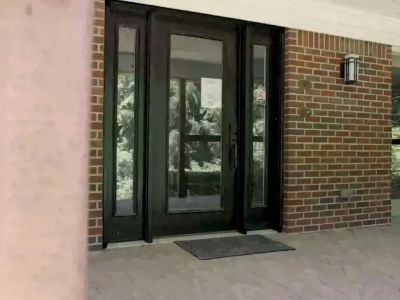
Addiction Rehab Centers - ARC at Fox Hill | Drug & Alcohol Rehab - Mooresville Indiana
Mooresville, Indiana
12168 N Mann Rd, Mooresville, IN 46158

Indiana Center for Recovery - Alcohol & Drug Rehab Center Indianapolis
Indianapolis, Indiana
5510 S Emerson Ave, Indianapolis, IN 46237



Recovery Centers of America at Indianapolis
Indianapolis, Indiana
8530 Township Line Rd, Indianapolis, IN 46260
Get Personalized Rehab Matches in 60 Seconds
Tell us a few details and we’ll show a personalized shortlist of verified Indiana rehabs, making it simple to compare options and choose your next step with confidence.



Bethel Pointe Health and Rehabilitation Center
Muncie, Indiana
3400 W Community Dr, Muncie, IN 47304
Why Trust Indiana Rehabs
As Hoosiers helping Hoosiers, we understand the unique challenges our communities face. Our team meticulously verifies every Indiana treatment center, ensuring you find trusted, local care that truly understands your journey.
About our listingsLevels of Care
Explore popular treatment options by levels of care, from flexible treatment in Outpatient centers to intensive care in Residential rehabs.
Free · 24/7 · Confidential
Talk to a Treatment Specialist
Call now to get matched with Indiana facilities that accept your insurance.
(888) 568-9930
Free
Ins. check
4.9★
Rating
HIPAA
Protected
Can't travel to a facility?
Licensed Indiana therapists via secure video — same-week appointments, evenings & weekends available.
It often starts innocently, a prescription for sleepless nights, with the hope of finally finding rest. But somewhere along the way, you might notice that reaching for Ambien feels less like a choice and more like a quiet need, leaving you or someone you care about questioning when things shifted. That confusion, mixed with worry, is more common than you’d think. Understanding where the risks truly lie can be the first step toward regaining control, and help is within reach right here in Indiana.
What Is Ambien?
Ambien is the brand name for zolpidem, a sedative-hypnotic medication prescribed for the short-term treatment of insomnia. As a central nervous system (CNS) depressant, it works by slowing down brain activity, which makes it easier to fall asleep. It’s designed to provide relief for those struggling with sleeplessness, but its effectiveness is intended for brief periods, usually no more than a few weeks[1]. The reason for this caution is simple: with extended use, there’s a significant risk of developing physical dependence, where your body starts to rely on the prescription just to feel normal. This is often the first step on a path toward addiction.
What Are the Signs of Ambien Misuse and Addiction?
It’s important to know the difference between dependence and addiction. Dependence is when your body gets used to a substance and needs it to avoid withdrawal symptoms. Addiction, on the other hand, involves a compulsive need to use the drug despite harmful consequences. This often includes developing a tolerance, meaning you need a higher dosage to get the same effect. Recognizing the signs of sedative addiction is key. In 2021 alone, millions of Americans misused prescription sedatives[2]. Here are some common symptoms and behaviors to watch for:
- Behavioral Signs: Taking higher doses than prescribed, running out of prescriptions early, seeking prescriptions from multiple doctors ("doctor shopping"), or hiding the extent of use from loved ones.
- Physical Signs: Daytime drowsiness, dizziness, poor coordination, memory problems, or experiencing withdrawal symptoms when trying to stop.
- Psychological Signs: Feeling intense cravings for Ambien, experiencing anxiety or panic at the thought of not having it, and continuing to use it despite negative impacts on work, relationships, or health.

Ambien Withdrawal Symptoms
If you’ve developed a dependence on Ambien, stopping suddenly can be uncomfortable and even dangerous. This is because your brain has adapted to the medication's presence. When it's removed, the central nervous system can become overactive, leading to a range of withdrawal symptoms. Common signs include rebound insomnia (where sleeplessness returns worse than before), anxiety, agitation, tremors, and nausea. In more severe cases, withdrawal can cause delirium or seizures, which can be life-threatening[1]. For this reason, you should never try to stop taking Ambien "cold turkey." A medically supervised detox is the safest way to manage withdrawal and begin the journey toward recovery, ensuring your health and comfort are prioritized.
Ambien Withdrawal Timeline
While everyone's experience is different, the Ambien withdrawal timeline generally follows a predictable pattern. Symptoms can begin within 24 to 48 hours after the last dosage. During the first few days (days 2-5), symptoms like anxiety and insomnia are often at their most intense. Over the next week or two, these acute symptoms typically begin to fade, though some psychological effects like mood swings may linger. The exact duration and severity of the timeline depend on several factors, including the dosage you were taking, how long you were using it, and your unique physiology.
Getting Help for Ambien Addiction
Recovery starts with the decision to seek help. The first step is usually a professional assessment, followed by a safe, medically supervised detox to manage withdrawal symptoms. From there, treatment is tailored to your specific needs. Many people find success in inpatient or residential rehab, which offers 24/7 support in a structured environment. Others may benefit from outpatient treatment programs, which provide flexibility for work or family commitments. A core component of any effective Ambien rehab program is counseling and therapy, such as cognitive-behavioral therapy (CBT). This helps you uncover the root causes of addiction and learn healthier ways to manage stress and insomnia without medication.
Does Insurance Cover Ambien Addiction Rehabs?
Yes, most health insurance plans do provide coverage for addiction treatment. Thanks to laws like the Affordable Care Act (ACA) and the Mental Health Parity and Addiction Equity Act (MHPAEA), substance use disorder treatment is considered an essential health benefit. This means that your insurance provider is required to offer coverage for addiction rehab, similar to how they would cover a physical illness[3]. However, the exact amount of coverage for a treatment facility can vary depending on your specific plan and the level of care needed. We strongly encourage you to verify your health insurance coverage to understand your benefits and what costs to expect.
Find treatment centers near you
Taking the next step can feel overwhelming, but you don't have to do it alone. Here in Indiana, there are many compassionate and professional treatment centers ready to help. Our directory is designed to make it easier for you to explore your options and find a rehab facility that feels right for you. You can browse local listings, learn about different programs, and connect with providers to start the conversation about your recovery.
You Can Overcome Ambien Dependence
Ambien dependence is a treatable condition, and you have the strength to overcome it. Recovery is not just about stopping a medication; it’s about rediscovering a life where restful sleep comes naturally and your health is a top priority[4]. By understanding the signs, seeking supervised detox, and engaging in meaningful treatment, you can build a future free from dependence. A healthier life is possible, and it starts with reaching out for help.
If you're ready to take the first step, we're here for you. You can call us at (888) 568-9930 to speak with a caring specialist, or browse treatment facilities in Indiana to find the right fit. The team at Indiana Rehabs is ready to answer your questions and help you get started. Please don't hesitate to contact us for support on your journey to recovery.
Frequently Asked Questions About Ambien Addiction in Indiana
How long is rehab for Ambien addiction?
What are the long-term effects of taking Ambien?
What is an Ambien blackout?
Is it safe to drink alcohol while taking Ambien?
What kind of therapy helps with Ambien addiction?
- Tatusov, I., & Al-Abri, S. (02-29-2024). Zolpidem. StatPearls Publishing. ncbi.nlm.nih.gov
- Substance Abuse and Mental Health Services Administration. (01-03-2023). Results from the 2021 National Survey on Drug Use and Health. SAMHSA. samhsa.gov
- Indiana Health Coverage Programs. (08-31-2023). IHCP bulletin BT2023108. Indiana Family and Social Services Administration. in.gov
- Indiana Division of Mental Health and Addiction. (2022). Indiana 2022 State Epidemiological Outcomes Workgroup (SEOW) Report. Indiana Family and Social Services Administration. in.gov