Barbiturates Rehabs
Showing 5 of 5 Results (filtered)
Featured Rehab Centers

Addiction Rehab Centers - ARC at Fox Hill | Drug & Alcohol Rehab - Mooresville Indiana
Mooresville, Indiana
12168 N Mann Rd, Mooresville, IN 46158


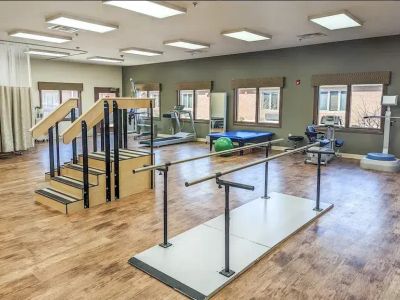
Bethel Pointe Health and Rehabilitation Center
Muncie, Indiana
3400 W Community Dr, Muncie, IN 47304



Madison State Hospital
Madison, Indiana
711 Green Road, Madison, IN, 47250
Get Personalized Rehab Matches in 60 Seconds
Tell us a few details and we’ll show a personalized shortlist of verified Indiana rehabs, making it simple to compare options and choose your next step with confidence.
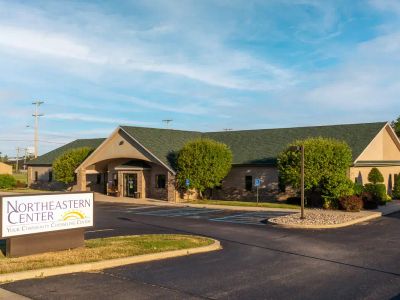
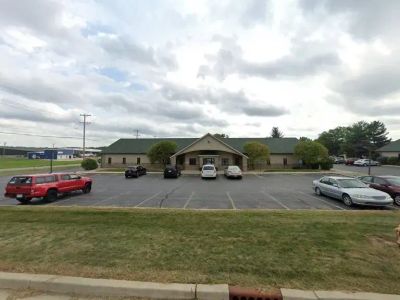
Northeastern Center Noble County Office - Kendallville
Kendallville, Indiana
1930 East Dowling Street, Kendallville, IN 46755
Pinnacle Treatment Centers - 2209 John R Wooden Drive
Martinsville, Indiana
2209 John R Wooden Drive, 3rd Floor Martinsville, IN 46151
Why Trust Indiana Rehabs
As Hoosiers helping Hoosiers, we understand the unique challenges our communities face. Our team meticulously verifies every Indiana treatment center, ensuring you find trusted, local care that truly understands your journey.
About our listingsLevels of Care
Explore popular treatment options by levels of care, from flexible treatment in Outpatient centers to intensive care in Residential rehabs.
Free · 24/7 · Confidential
Talk to a Treatment Specialist
Call now to get matched with Indiana facilities that accept your insurance.
(888) 568-9930
Free
Ins. check
4.9★
Rating
HIPAA
Protected
Can't travel to a facility?
Licensed Indiana therapists via secure video — same-week appointments, evenings & weekends available.
What happens when a medication prescribed for calm starts to create chaos in your life, leaving you wondering how things took such a turn? If you’re feeling confused or ashamed about a growing dependence on barbiturates, know that you’re not alone in this struggle. There are practical, accessible steps you can take to find your footing again—and understanding the way forward is the first step toward feeling like yourself once more.

What are Barbiturates?
Barbiturates are a class of drugs that act as central nervous system depressants, which means they slow down brain activity. Think of your brain’s communication system as a busy highway. These medications work by boosting the effects of a natural chemical called GABA (gamma-aminobutyric acid), which acts like a brake pedal on this highway. By enhancing GABA, barbiturates reduce nerve cell excitement, leading to feelings of calm, relaxation, and drowsiness[1].
Decades ago, doctors prescribed them for a range of conditions, including anxiety, insomnia, and seizure disorders. However, their use has become much less common over time. The main reason is safety. Barbiturates have a very narrow therapeutic window, meaning the difference between a helpful dose and a dangerous one is small. They carry a high risk of leading to tolerance, physical dependence, and fatal overdose.
Today, newer and safer medications like benzodiazepines are prescribed more often for conditions like anxiety, though they also carry risks. While still used in specific medical settings, the high potential for addiction has made barbiturates a less common choice for outpatient prescriptions[2].
Examples of Barbiturates
Barbiturate medications are often grouped by how quickly they work and how long their effects last. This classification helps determine their medical use and potential for misuse. Here are a few examples:
- Phenobarbital (Luminal): A long-acting barbiturate primarily used to control seizures. Its slow onset and long duration make it less sought after for misuse than other types.
- Pentobarbital (Nembutal): A short- to intermediate-acting barbiturate, historically used for sedation and insomnia.
- Secobarbital (Seconal): A short-acting barbiturate once prescribed for insomnia and anxiety. Its rapid effects made it more likely to be misused.
- Butalbital (Fioricet, Fiorinal): An intermediate-acting barbiturate often combined with other medications like acetaminophen or aspirin to treat tension headaches.
- Amobarbital (Amytal): An intermediate-acting barbiturate previously used to treat anxiety and insomnia.
Signs and Symptoms of Barbiturate Addiction
Recognizing a problem is the first, and often hardest, step. Barbiturate addiction doesn't happen overnight. It usually starts with tolerance, where your body needs more of the drug to get the same effect. This can quickly lead to physical dependence, where your body adapts to the presence of the barbiturate and experiences withdrawal symptoms if you stop[1]. From there, it can develop into a substance use disorder, where using the drug becomes a compulsive and destructive focus in your life.
If you’re worried about yourself or someone you care about, look for these common signs.
Physical Signs:
- Drowsiness, lethargy, or falling asleep at inappropriate times
- Slurred speech and confusion
- Lack of coordination, stumbling, or dizziness
- Shallow or slowed breathing
- Lowered blood pressure and heart rate
Psychological Signs:
- Memory problems or difficulty concentrating
- Irritability, agitation, or mood swings
- Impaired judgment and poor decision-making
- Depression or emotional flatness
Behavioral Signs:
- "Doctor shopping" to get multiple prescriptions
- Hiding or lying about drug use
- Neglecting responsibilities at work, school, or home
- Withdrawing from friends, family, and hobbies
- Spending a great deal of time obtaining, using, or recovering from the effects of the drug
So, how do you know if it's an addiction? According to the Diagnostic and Statistical Manual of Mental Disorders (DSM-5), which is the guide clinicians use, a person who meets two or more specific criteria over a 12-month period may have a substance use disorder[2]. These criteria include things like taking more of the substance than intended, trying to cut down without success, and continuing to use despite negative consequences.

Barbiturate Withdrawal
If you have been taking barbiturates for an extended time, your body has adjusted to their presence. Stopping them suddenly can throw your system into shock, leading to withdrawal symptoms that are not just uncomfortable, but can be life-threatening. It is incredibly dangerous to try to quit barbiturates on your own.
Barbiturate withdrawal happens because your brain, which has been suppressed by the drug, goes into a state of hyper-excitability when it's removed. This rebound effect can cause a cascade of severe symptoms[1]. Common withdrawal symptoms can include:
- Anxiety, restlessness, and insomnia
- Tremors and muscle twitches
- Nausea and vomiting
- Rapid heartbeat and high blood pressure
- Hallucinations or delirium
- Life-threatening seizures
The severity of these symptoms makes medical supervision absolutely essential. Attempting to stop without professional help can lead to serious complications, including cardiovascular collapse. Please, do not try to do this alone. A professional medical detox program provides the safest and most comfortable way to begin your recovery journey.
Barbiturate Medical Detox
Medical detox is the first critical step in safely stopping barbiturate use. It’s a process designed to manage withdrawal symptoms under the care of medical professionals in a controlled environment. During detoxification, you’ll receive 24/7 monitoring to ensure your vital signs remain stable and to manage any complications that arise.
The medical team can provide medications to ease withdrawal symptoms and prevent dangerous events like seizures. The primary goal of medical detox is to help you get through the withdrawal phase safely and as comfortably as possible, providing a stable foundation so you can begin the psychological work of recovery[3]. It's not a cure for addiction, but it's the necessary starting point for building a new life.
Barbiturate Addiction Treatment and Rehab
Once you’ve safely completed detoxification, the real journey of recovery begins. Detox addresses the physical dependence, but a comprehensive treatment plan is essential to address the psychological and behavioral aspects of addiction. The right rehab program will give you the tools and support you need to understand the root causes of your substance use and build a life free from it. There are several treatment options available, and the best one for you will depend on your unique situation.
Inpatient Barbiturate Rehab
Inpatient or residential treatment offers the most intensive level of care. In this setting, you live at the treatment facility, allowing you to step away from daily triggers and stressors to focus completely on your recovery. This immersive environment provides 24/7 support from medical and clinical staff. It’s an ideal option for individuals with a severe substance use disorder, those with co-occurring mental health conditions, or anyone who lacks a stable and supportive home environment. Core components include individual therapy, group counseling, and structured daily activities designed to foster healing and build healthy habits.
Outpatient Barbiturate Rehab
Outpatient programs offer a more flexible approach, allowing you to live at home and continue with work or family responsibilities while attending treatment sessions at a facility. This option works best for people with a less severe addiction or those who have a strong support system at home. It can also be a great "step-down" option after completing an inpatient program. There are different levels of outpatient care, from standard programs with a few hours of therapy per week to more intensive outpatient programs (IOPs) that require several hours of treatment on multiple days.
Cognitive Behavioral Therapy (CBT)
Cognitive Behavioral Therapy (CBT) is a cornerstone of effective addiction treatment[1]. This type of therapy helps you identify the negative thought patterns and behaviors that fuel your substance use. A therapist works with you to challenge those thoughts and develop healthier, more productive ways of thinking. CBT is practical and hands-on; it teaches you real-world coping skills to manage triggers, navigate stressful situations, and prevent relapse. It empowers you to become your own therapist over time by changing your relationship with your thoughts and feelings.
Dual Diagnosis Treatment
It's very common for substance use disorders to occur alongside mental health conditions like anxiety, depression, or PTSD. When this happens, it’s known as a co-occurring disorder or a dual diagnosis. Effective treatment must address both conditions at the same time. A dual diagnosis treatment program uses an integrated approach, where therapists and medical staff work together to create a cohesive plan that supports both your mental health and your recovery from addiction[4]. This approach leads to much better long-term outcomes, as it treats the whole person, not just one set of symptoms.

Choosing a Barbiturate Rehab Center
Finding the right help can feel overwhelming, but you don’t have to do it alone. Choosing a rehab center is a deeply personal decision, and what works for one person may not work for another. As you explore your options in Indiana, here are a few key factors to consider to ensure you find a high-quality program that fits your needs.
Start by looking for a facility that is properly licensed and accredited. In Indiana, treatment centers must be certified by a state-approved body, which ensures they meet high standards for safety and care[5]. Beyond that, consider these points:
- Evidence-Based Therapies: Does the center offer proven therapies like CBT, DBT, and integrated dual diagnosis treatment?
- Staff Qualifications: Are the therapists, counselors, and medical staff licensed and experienced in treating barbiturate addiction?
- Levels of Care: Does the facility offer a full continuum of care, including medical detox, inpatient, and outpatient programs, to support you through every stage of recovery?
- Location and Environment: Is the facility in a location that feels safe and conducive to healing?
- Insurance and Cost: Does the center accept your insurance? If not, do they offer financing options or other payment plans?
You can use our directory to simplify your search. Filter by location in Indiana, and then select services like "Barbiturates," "Medical Detox," and "Dual Diagnosis" to find centers that provide the specific care you need. Don't hesitate to call the facilities that interest you. Ask questions about their programs, their treatment philosophy, and what a typical day looks like. The right center will be happy to walk you through their services and help you feel comfortable with your decision. For a comprehensive list of certified providers, you can also consult the official Indiana DMHA treatment directory.
Treatment Can Be Life Changing. Reach out today.
Dealing with barbiturates addiction is a heavy burden, but it’s one you don’t have to carry by yourself. Recovery is not just possible; it’s a reality for so many people who were once in your shoes. The path forward starts with a medically supervised detox to safely manage withdrawal, followed by compassionate, evidence-based therapy to heal the underlying issues. This journey is about more than just stopping a drug; it's about rebuilding your life and rediscovering hope.
You have the strength to take the first step toward a brighter, healthier future. The right support system can make all the difference. If you’re ready to explore your options, we’re here to help you find the care you deserve. Reach out to our team at (888) 568-9930 or use our contact form to connect with treatment providers here at Indiana Rehabs. A better life is waiting.
Frequently Asked Questions About Barbiturate Addiction and Treatment
What does barbiturate withdrawal feel like?
How long do you have to be in rehab for barbiturate addiction?
What happens in barbiturate rehab?
Can you get addicted to butalbital?
Is it safe to take barbiturates for anxiety?
- Schaefer, H. & Lui, F. (2024). Pentobarbital. In StatPearls. National Center for Biotechnology Information. ncbi.nlm.nih.gov
- Substance Abuse and Mental Health Services Administration. (2023). Key substance use and mental health indicators: Results from the 2021 National Survey on Drug Use and Health. U.S. Department of Health and Human Services. samhsa.gov
- Substance Abuse and Mental Health Services Administration. (2024). Substance use disorders - statutes, regulations, and guidelines. SAMHSA. samhsa.gov
- Indiana Family and Social Services Administration. (2021). Substance Use Disorder (SUD)/Serious Mental Illness (SMI) Treatment. in.gov. in.gov
- U.S. Department of Health and Human Services, ASPE. (2021). State residential treatment for behavioral health for adults: Indiana. ASPE. aspe.hhs.gov