Cocaine Rehabs

Showing 20 of 42 Results (filtered)
Featured Rehab Centers

1411 W County Line Rd, Suite 1411A, Greenwood, IN 46142
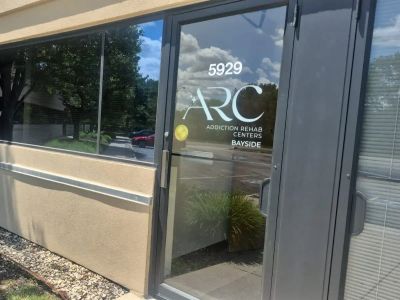

Addiction Rehab Centers - ARC At Bayside | Indianapolis Drug & Alcohol Rehab
Indianapolis, Indiana
5929 Lakeside Blvd, Indianapolis, IN 46278
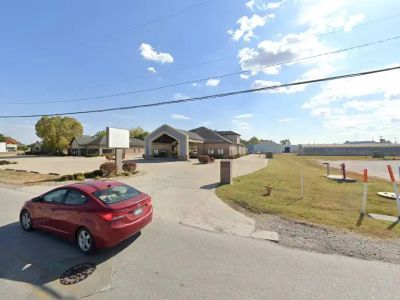
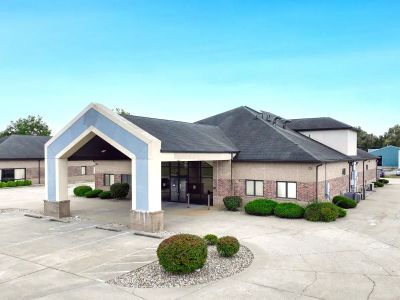
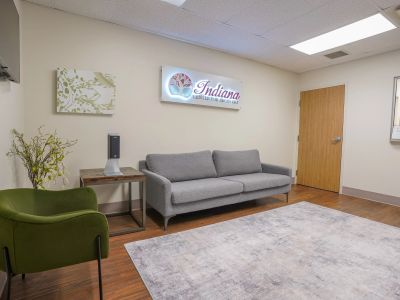
Indiana Center For Recovery- Alcohol & Drug Rehab Terre Haute
Terre Haute, Indiana
135 E Hospital Ln, Terre Haute, IN 47802
Get Personalized Rehab Matches in 60 Seconds
Tell us a few details and we’ll show a personalized shortlist of verified Indiana rehabs, making it simple to compare options and choose your next step with confidence.



Addiction Rehab Centers - ARC | Drug & Alcohol Rehab - Addiction Treatment in Indianapolis, IN
Indianapolis, Indiana
7322 Noel Rd, Indianapolis, IN 46278

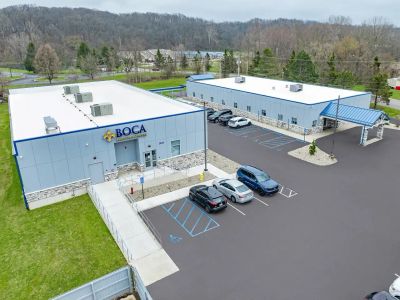
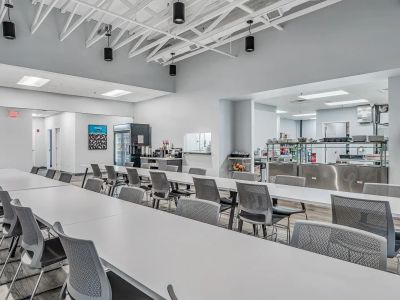
Boca Recovery Center - Fort Wayne, Indiana
Fort Wayne, Indiana
111 W Berry St #211, Fort Wayne, IN 46802

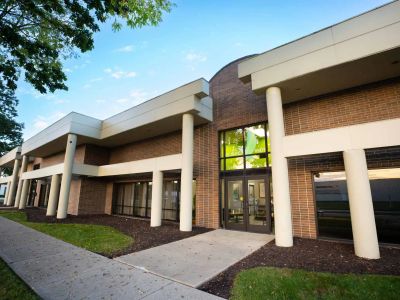
Evolve Indy
Indianapolis, Indiana
8770 Guion Rd, Indianapolis, IN, 46268
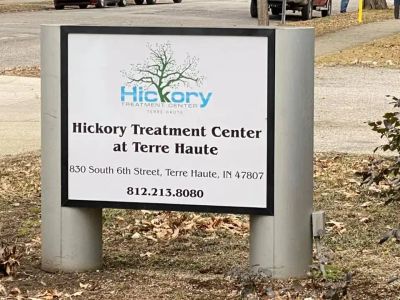
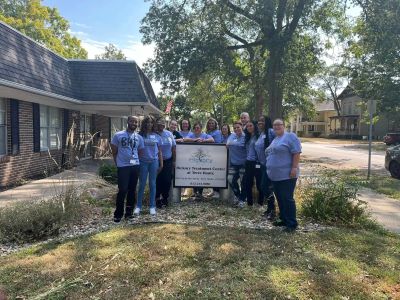
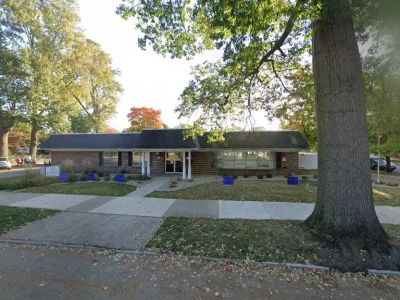
Hickory Treatment Center at Terre Haute
Terre Haute, Indiana
830 S 6th St, Terre Haute, IN 47807
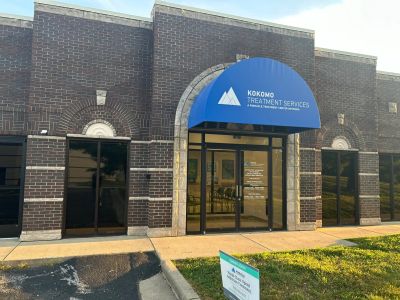
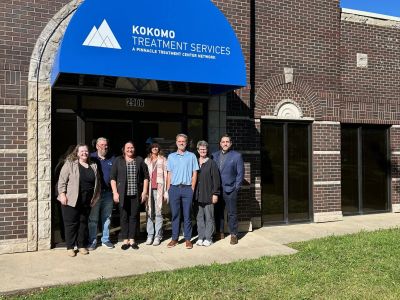
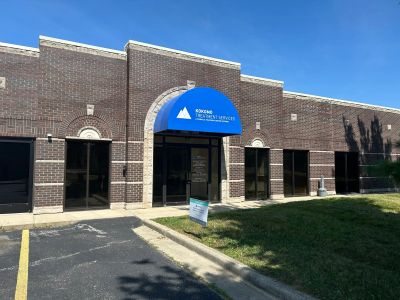
Pinnacle Treatment Centers - Kokomo
Kokomo, Indiana
2906 S. Reed Rd. Kokomo, IN 46902
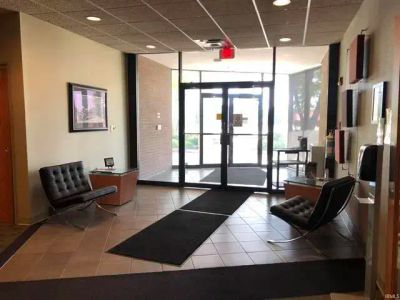

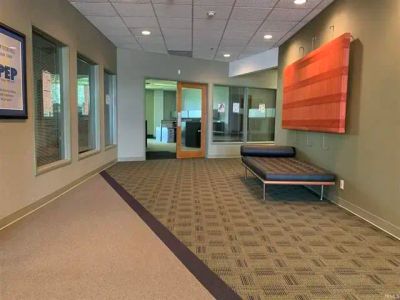
Restored Life Continuum of Care
Kokomo, Indiana
302 S Reed Rd, Kokomo, IN 46901



See Purpose Addiction Treatment Center Indiana
Bloomfield, Indiana
3237 IN-157, Bloomfield, IN 47424
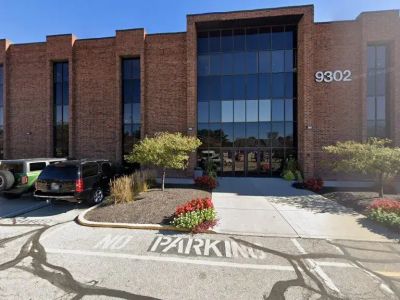

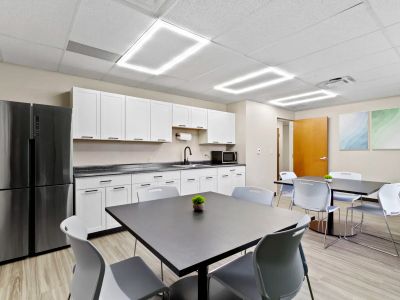
Spark Recovery - Outpatient Drug Addiction Treatment Indianapolis
Indianapolis, Indiana
9302 N Meridian St Ste 101, Indianapolis, IN 46260
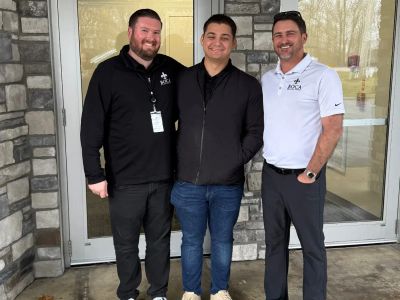
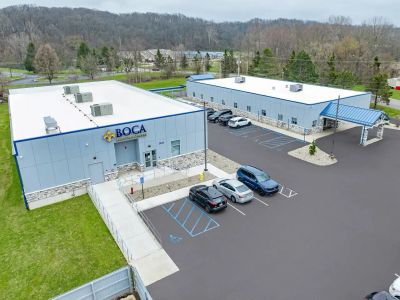
Boca Recovery Center - Indiana Drug and Alcohol Rehab
Huntington, Indiana
3040 W Park Dr, Huntington, IN 46750
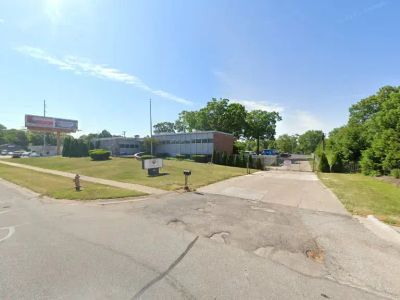
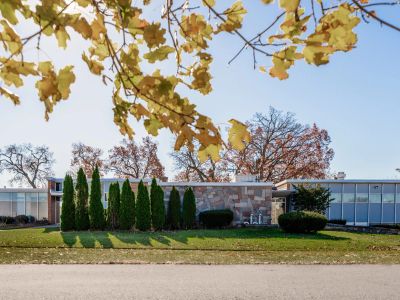

Cardinal Recovery
Franklin, Indiana
1130 West Jefferson St, Franklin, IN, 46131
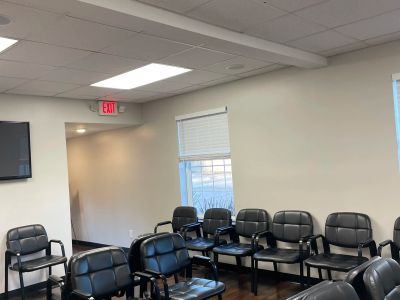
Dr. Malek’s Office – Primary Care, Senior Care & Mental Health
Evansville, Indiana
4972 Lincoln Ave #101, Evansville, IN 47715

Indiana Center for Recovery - Alcohol & Drug Rehab Center Indianapolis
Indianapolis, Indiana
5510 S Emerson Ave, Indianapolis, IN 46237
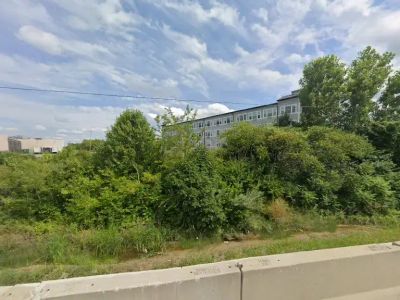


Avenues Recovery Center at Indianapolis
Indianapolis, Indiana
7960 Shadeland Ave, Indianapolis, IN 46250
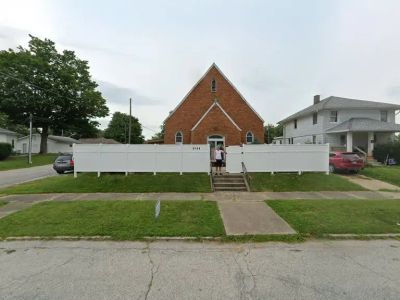
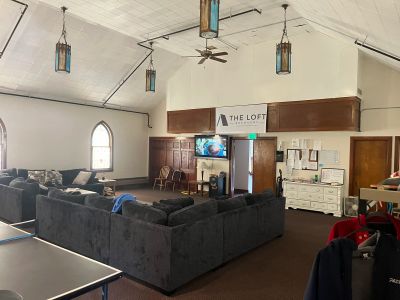
The Loft Recovery
Kokomo, Indiana
1700 S Main St, Kokomo, IN 46902

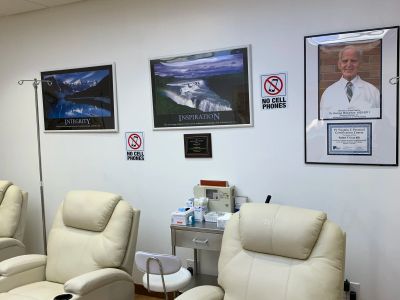
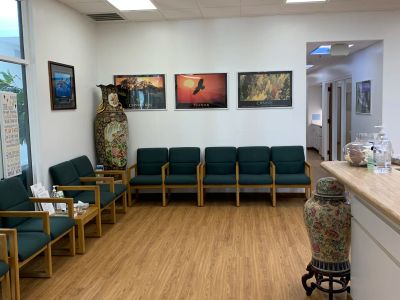
Kentuckiana Integrative Medicine
Jeffersonville, Indiana
405 E Court Ave #102, Jeffersonville, IN 47130
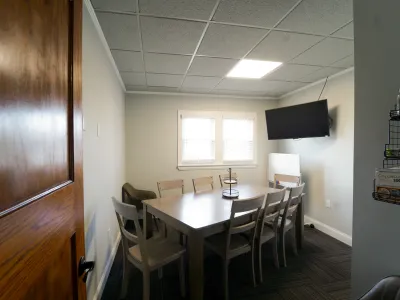
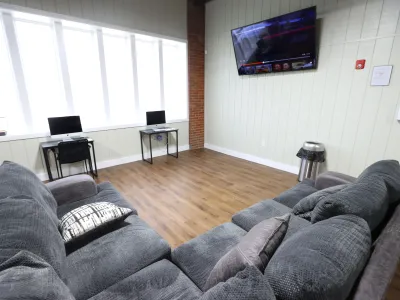
First City Recovery Center
Kokomo, Indiana
317 W Jefferson St, Kokomo, IN, 46901
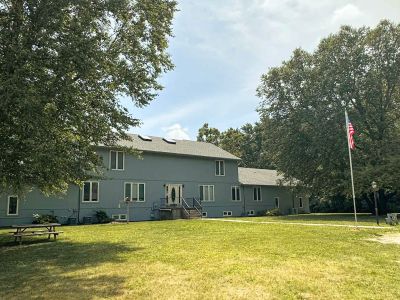

Still Water on the Wildcat Recovery
Kokomo, Indiana
2395 County Rd E 100 N, Kokomo, IN 46901
Why Trust Indiana Rehabs
As Hoosiers helping Hoosiers, we understand the unique challenges our communities face. Our team meticulously verifies every Indiana treatment center, ensuring you find trusted, local care that truly understands your journey.
About our listingsLevels of Care
Explore popular treatment options by levels of care, from flexible treatment in Outpatient centers to intensive care in Residential rehabs.
Free · 24/7 · Confidential
Talk to a Treatment Specialist
Call now to get matched with Indiana facilities that accept your insurance.
(888) 568-9930
Free
Ins. check
4.9★
Rating
HIPAA
Protected
Can't travel to a facility?
Licensed Indiana therapists via secure video — same-week appointments, evenings & weekends available.
Does it ever feel like cocaine has pulled you into a cycle you just can’t break, no matter how hard you try? In towns and cities across Indiana, so many quietly battle this same struggle, wondering if lasting change is even possible. But hope isn’t out of reach, there are real, evidence-based options for recovery right here in Indiana, waiting to help you reclaim your life.

What is Cocaine Addiction?
Cocaine is a powerful stimulant that creates intense, short-lived feelings of euphoria and energy. It does this by flooding the brain’s reward circuits with dopamine, a chemical linked to pleasure and motivation. When someone uses cocaine repeatedly, their brain starts to adapt to these high dopamine levels, making it harder to feel pleasure from everyday activities. This change in brain chemistry is what drives the cycle of addiction.
It’s so important to understand that addiction is a chronic disease, not a choice or a moral failing. According to the Diagnostic and Statistical Manual of Mental Disorders, 5th edition (DSM-5), addiction to cocaine is clinically referred to as a stimulant use disorder[1]. Answering the question, "Is cocaine addictive?", the answer is yes. Its effects on the brain make it one of the more challenging substances to overcome without professional support. Understanding the nature of stimulant use disorders is a key first step in finding the right help.
Symptoms of Cocaine Addiction
Recognizing the signs of cocaine addiction is the first step toward getting help for yourself or someone you care about. These symptoms can show up in different ways, affecting a person’s body, mind, and actions. Remember, noticing these signs is about understanding, not judging. Here are some common symptoms to look for[2]:
- Physical Signs: These can include frequent runny noses or nosebleeds, dilated pupils, sudden weight loss, and neglecting personal hygiene. You might also notice a person has trouble sleeping or seems unusually energetic.
- Psychological Signs: Cocaine use can cause significant shifts in mental health. Look for increased agitation, irritability, anxiety, or paranoia. A person might experience mood swings or seem overly confident and talkative at times, then crash into a period of depression.
- Behavioral Signs: Changes in behavior are often the most visible effects of cocaine use. This can involve withdrawing from friends and family, losing interest in hobbies, or facing sudden financial problems. A person may act secretively, lie about where they’ve been, or have new legal troubles.
Dangers of Long-Term Cocaine Use
Over time, the effects of cocaine use can cause serious and sometimes permanent damage to your health. The strain it puts on the cardiovascular system can lead to a heart attack or stroke, even in young people[3]. It can also cause respiratory damage from snorting or smoking, neurological issues like seizures, and problems with the stomach and intestines.
The impact on mental health is just as severe. Long-term use can worsen underlying conditions like depression and anxiety or lead to psychosis, where someone loses touch with reality. These health risks are not just possibilities; they are the reality for many who struggle with addiction to cocaine. Seeking professional treatment is the most important step you can take to protect your body and mind from further harm.
Cocaine Withdrawal
When someone who has been using cocaine for a while suddenly stops, their body and brain have to readjust. This process is known as withdrawal, and it can be incredibly difficult to go through alone. The experience isn't typically life-threatening, but the psychological symptoms can feel overwhelming. If cocaine use suddenly stops or is drastically reduced, withdrawal symptoms will likely surface.
Common cocaine withdrawal symptoms include intense fatigue, deep depression, anxiety, and powerful cravings for the drug. Some people also experience nightmares, agitation, and an inability to feel pleasure. Because these symptoms can be so severe, trying to quit without support often leads to relapse. Undergoing medically supervised detox provides a safe, comfortable environment to manage these symptoms, giving you the best possible start to a successful recovery[4].

Cocaine Addiction Treatment and Levels of Care
When you're ready to seek help, it’s comforting to know there isn’t just one path to recovery. Treatment for cocaine addiction is tailored to your unique needs, and it happens in stages called "levels of care." The right program provides the structure and support you need to heal. In 2020, about 5% of all admissions to drug use treatment programs were due to cocaine use, and Indiana facilities are equipped with evidence-based approaches to help you succeed[5][6]. Whether you need 24/7 support or a more flexible schedule, there’s an option that fits your life.
Cocaine detox
The first step for many is medical detox. This isn't about willpower; it's about safety. In a detox facility, you’ll have medical supervision around the clock to help manage the intense cravings and emotional distress that come with withdrawal. It’s a calm, stable environment where your body can safely clear the drug from its system, preparing you for the next phase of rehabilitation.
Inpatient rehab for cocaine addiction
For those needing a fresh start away from daily triggers, inpatient or residential treatment offers a structured, 24/7 care environment. This level of care is ideal if you're dealing with a severe addiction or don't have a stable, supportive home life. You'll live at the facility and participate in a full schedule of therapy, counseling, and activities designed to build a strong foundation for recovery.
Outpatient and day care options
If you have work, school, or family commitments, outpatient programs offer more flexibility. These options allow you to live at home while attending treatment. They come in different intensities:
- Partial Hospitalization Programs (PHP): The most intensive outpatient option, often meeting 5 days a week for several hours each day.
- Intensive Outpatient Programs (IOP): A step down from PHP, with fewer hours and days per week.
- Standard Outpatient: The most flexible option, usually involving a few hours of therapy once or twice a week.
Therapies we offer
No matter the level of care, the core of treatment is behavioral therapy. The goal is to help you understand the root causes of your addiction and develop healthy coping skills. Some of the most effective therapies for cocaine addiction include:
- Cognitive-Behavioral Therapy (CBT): Helps you identify and change negative thinking patterns and behaviors.
- contingency management (CM): Provides incentives or rewards for staying substance-free.
- motivational interviewing: Helps you find your own internal motivation to change.
Many people also struggle with co-occurring conditions like depression or anxiety, and treating these mental health issues at the same time is crucial for lasting recovery.
Aftercare and ongoing support
Recovery doesn’t end when your treatment program does; it's a lifelong journey. Aftercare planning helps you transition back into everyday life with a strong support system. This can include ongoing therapy, joining support groups like Cocaine Anonymous, or living in a sober living home. These resources are key to relapse prevention and maintaining your long-term health and happiness.
Take the first step towards recovery
Taking the first step is often the hardest, but remember that recovery from cocaine addiction is possible, and you don’t have to do it alone. The right support system can make all the difference. When you're ready to find a rehab program in Indiana, here are a few things to keep in mind:
- Look for licensed and accredited facilities. This ensures they meet high standards of care and safety.
- Ask about the therapies they offer. Make sure their approach is evidence-based and fits your needs.
- Confirm your insurance coverage. Most facilities can help you verify your benefits over the phone.
Help is available right here in Indiana. You can use resources like SAMHSA's National Helpline and Treatment Locator to explore options near you and start your journey toward a healthier future.
You’ve already shown incredible strength by seeking out this information. Healing from cocaine addiction is a journey, not a destination, and it starts with a single, hopeful step. With the right treatment and support, you can rebuild your health, relationships, and future. The dedicated team at Indiana Rehabs is here to help you navigate your options and find a path forward. When you’re ready, give us a call at (888) 568-9930 or reach out through our contact page. A better life is waiting.
Frequently Asked Questions About Cocaine Rehab in Indiana
How long does cocaine stay in your system?
Can you just stop using cocaine?
How long is rehab for cocaine addiction?
Is there medication to help with cocaine addiction treatment?
Are there free cocaine rehab programs in Indiana?
- Substance Abuse and Mental Health Services Administration. (2025). National Survey on Drug Use and Health (NSDUH). SAMHSA. samhsa.gov
- (2022). Trends of Cocaine Use and Manifestations in Hospitalized Patients. National Center for Biotechnology Information. pmc.ncbi.nlm.nih.gov
- Centers for Disease Control and Prevention. (2025). Provisional Drug Overdose Data. Centers for Disease Control and Prevention. cdc.gov
- Substance Abuse and Mental Health Services Administration. (2025). Medications for Substance Use Disorders. SAMHSA. samhsa.gov
- Office of the Assistant Secretary for Planning and Evaluation. (2021). State Residential Treatment for Behavioral Health Conditions: Indiana. U.S. Department of Health and Human Services. aspe.hhs.gov
- Indiana Family and Social Services Administration. (2021). Substance Use Disorder (SUD)/Serious Mental Illness (SMI) Treatment. State of Indiana. in.gov