Dextromethorphan (DXM) Rehabs

Showing 3 of 3 Results (filtered)
Featured Rehab Centers


Addiction Rehab Centers - ARC at Fox Hill | Drug & Alcohol Rehab - Mooresville Indiana
Mooresville, Indiana
12168 N Mann Rd, Mooresville, IN 46158



CleanSlate Outpatient Addiction Medicine
Lafayette, Indiana
30 Professional Ct #2A, Lafayette, IN 47905



Bethel Pointe Health and Rehabilitation Center
Muncie, Indiana
3400 W Community Dr, Muncie, IN 47304
Get Personalized Rehab Matches in 60 Seconds
Tell us a few details and we’ll show a personalized shortlist of verified Indiana rehabs, making it simple to compare options and choose your next step with confidence.
Why Trust Indiana Rehabs
As Hoosiers helping Hoosiers, we understand the unique challenges our communities face. Our team meticulously verifies every Indiana treatment center, ensuring you find trusted, local care that truly understands your journey.
About our listingsLevels of Care
Explore popular treatment options by levels of care, from flexible treatment in Outpatient centers to intensive care in Residential rehabs.
Free · 24/7 · Confidential
Talk to a Treatment Specialist
Call now to get matched with Indiana facilities that accept your insurance.
(888) 568-9930
Free
Ins. check
4.9★
Rating
HIPAA
Protected
Can't travel to a facility?
Licensed Indiana therapists via secure video — same-week appointments, evenings & weekends available.
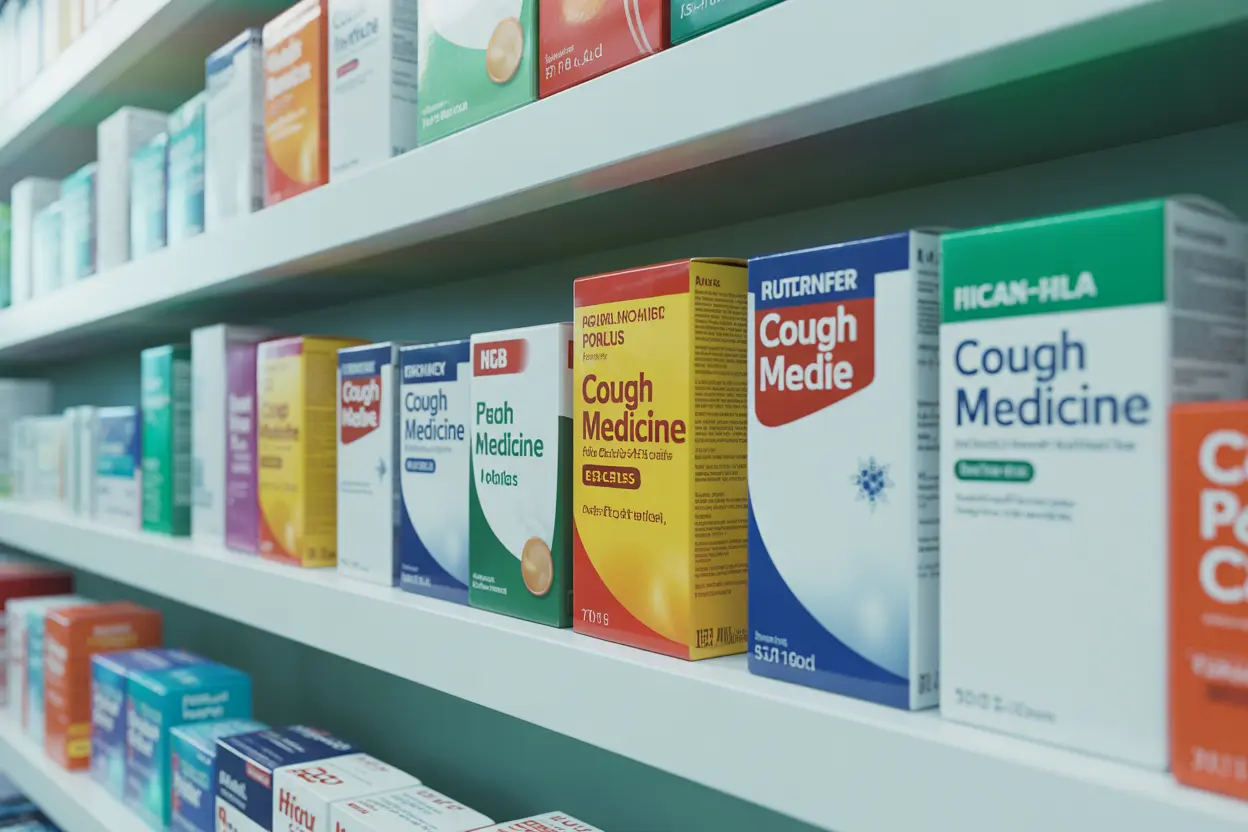
It’s easy to overlook the ordinary bottle of cough syrup tucked away in your medicine cabinet, a trusted remedy for scratchy throats and sleepless nights. But for some, that familiar sweetness and thick, red swirl hide a much more complicated reality, a medicine meant to soothe can quietly turn into something that takes hold. If this disconnect feels confusing or scary, you’re not alone. Understanding how DXM misuse can happen is often the first step toward finding support and reclaiming balance, and you don’t have to walk that path by yourself.
What Is DXM (Dextromethorphan)?
Dextromethorphan, most often called DXM, is a common active ingredient found in more than 100 over-the-counter cough and cold medicines. Its intended medical purpose is simple: to temporarily relieve a cough by acting on the part of the brain that controls the urge to cough[1]. You can find it in many familiar products, including Robitussin, NyQuil, Coricidin, and other store-brand cough syrup formulas.
While this medicine is safe and effective at recommended doses, it’s also misused for its psychoactive effects. When taken in large amounts, DXM can cause dissociative states and hallucinations, which is why it can become a substance of abuse[2]. What starts as an attempt to self-medicate or experiment can quickly turn into a pattern of misuse that’s hard to break, leading many to seek a DXM rehab program for help.
Signs of DXM Misuse
When someone is misusing dextromethorphan, the signs can be subtle at first but become more obvious over time. Recognizing these symptoms is the first step toward getting help. The signs of dextromethorphan addiction and abuse often fall into three main categories: physical, psychological, and behavioral[3].
- Physical Signs: These are changes you can see in a person's body and coordination. Watch for slurred speech, noticeable dizziness or loss of balance, dilated pupils, and excessive sweating even when it’s not hot.
- Psychological Signs: DXM misuse directly impacts mental state. This can show up as sudden confusion about time or place, vivid hallucinations, paranoia or intense distrust of others, and unpredictable mood swings that seem to come out of nowhere.
- Behavioral Signs: A person’s habits and actions may change dramatically. This can include secretive behavior around their activities or what they have in their room, finding large quantities of cough medicine, a sudden drop in performance at school or work, and pulling away from old friends in favor of a new social circle.

Risks & Dangers of DXM Misuse
The dangers of misusing DXM go far beyond its immediate effects. Many over-the-counter products containing DXM are combination medicines, meaning they also include other active ingredients. One of the most significant risks comes from products that contain acetaminophen, a common pain reliever. Taking high doses of these formulas can lead to severe liver damage or even liver failure.
A DXM overdose is another serious danger. It can cause respiratory depression (slowed or stopped breathing), a rapid increase in blood pressure, seizures, and a life-threatening condition called serotonin syndrome, which happens when there's too much serotonin in the brain[4]. Mixing DXM with alcohol or other drugs dramatically increases these risks. Over time, what might start as occasional misuse can develop into a powerful psychological dependence that requires professional treatment to overcome[5].
Short-Term Effects of DXM Abuse
When someone takes a large dose of DXM, the immediate effects can be intense and unpredictable. They often include:
- A false sense of euphoria or well-being
- Hallucinations and dissociative effects, creating a feeling of detachment from reality
- Nausea, vomiting, and stomach pain
- A rapid and irregular heart rate
- Significantly impaired judgment and coordination
Long-Term Health Risks
Chronic DXM misuse can lead to serious long-term health problems. Over time, individuals may develop a psychological addiction, making it incredibly difficult to stop without support. Other long-term risks include persistent depression, anxiety, and even psychosis. Memory loss and cognitive decline are also common, as high doses of DXM can be toxic to brain cells. In some cases, prolonged abuse can contribute to permanent organ damage, affecting the liver, kidneys, and brain.
DXM Addiction in Teens
Teens are often considered a high-risk group for DXM misuse for a few key reasons: it's legal, inexpensive, and easily accessible in most households and stores. There’s also a common misconception among youth that because it’s an over-the-counter medicine, it must be safer than illicit drugs. Statistics show this is a significant issue. In 2021, surveys revealed that about 1.7% of 12th graders and 2.7% of 10th graders reported misusing cough medicine in the past year[6]. This ease of access has even led to legislative efforts aimed at preventing teen abuse[7].
For parents, it’s important to have open conversations about the real dangers of misusing any medication. If you suspect your child is engaging in this behavior, look for the signs mentioned earlier and create a safe, non-judgmental space to talk. Professional help, such as therapy for addiction in adolescents, can provide the support your family needs to navigate this challenge.
Treatment for DXM Addiction and Abuse
Overcoming dextromethorphan addiction is a journey, but it’s one you don’t have to take alone. The recovery process works best with professional help, often starting with a medical detox. During detox, medical staff help manage uncomfortable and sometimes painful withdrawal symptoms in a safe, supervised environment to ensure your physical stability[8].
After detox, a quality DXM rehab program will use a variety of evidence-based therapies to address the psychological side of addiction. Cognitive-behavioral therapy (CBT) is a common and effective approach, helping you identify and change the thought patterns and behaviors that lead to substance misuse. Treatment plans are personalized and often include individual counseling, group therapy, and family therapy to rebuild relationships and create a strong support system for lasting recovery.
Levels of Care: Inpatient vs. Outpatient Programs
When it comes to treatment, there are different levels of care available in Indiana to fit your specific needs[9]. Inpatient or residential treatment provides a highly structured environment where you live at the facility 24/7. This immersive approach is ideal for those with severe addiction or who need a stable, trigger-free setting to focus completely on recovery. On the other hand, outpatient programs offer more flexibility. You live at home and attend therapy sessions several times a week, allowing you to maintain work, school, or family responsibilities. The right choice depends on the severity of the addiction, your support system at home, and your unique personal circumstances.
Seeking Help for DXM Addiction
Taking the first step toward recovery is a sign of incredible strength. If you or someone you care about is struggling with DXM misuse, help is available right here in Indiana. A great place to start is by calling a confidential helpline to speak with a compassionate specialist who can guide you. Another key step is to verify your insurance to understand what your plan covers, which can make the financial side of treatment much clearer. Exploring resources like the official page for Indiana Medicaid SUD Treatment Services can also provide valuable information. Remember, reaching out for help is the start of a healthier, more hopeful future.
Your Path to Recovery Starts Today
While DXM addiction is a serious and challenging condition, it's important to know that recovery is entirely possible with the right help and support. You can reclaim your health, mend relationships, and build a life free from substance misuse. Hope is real, and treatment works. Your journey to a better life can start right now. If you're ready to take that first brave step, we're here to help you find your way. Give us a call at (888) 568-9930 or contact us to explore treatment options. At Indiana Rehabs, we connect you with the support you need to heal.
Frequently Asked Questions About DXM Addiction and Recovery
Is DXM addictive?
What is robotripping?
How does DXM affect the brain?
What are the withdrawal symptoms of DXM?
- (2023-05-22). Dextromethorphan. StatPearls Publishing. ncbi.nlm.nih.gov
- (2023-10-26). What is DXM?. Partnership to End Addiction. drugfree.org
- (2014-11-04). Dextromethorphan abuse. National Institutes of Health. pmc.ncbi.nlm.nih.gov
- (2024-01-30). Potential Dextromethorphan-Induced Serotonin Syndrome Leading to Psychosis-Associated Homicide. SAGE Journals. journals.sagepub.com
- (2014-11-14). Dextromethorphan Abuse and its Anesthetic Implications. National Institutes of Health. pmc.ncbi.nlm.nih.gov
- (2023). Results from the 2021 National Survey on Drug Use and Health. Substance Abuse and Mental Health Services Administration. samhsa.gov
- (2019-01-30). H.R.863 - 116th Congress (2019-2020): DXM Abuse Prevention Act of 2019. U.S. Congress. congress.gov
- (2010-07-30). Dextromethorphan Withdrawal and Dependence Syndrome. National Institutes of Health. pmc.ncbi.nlm.nih.gov
- (2021-06-16). Substance Use Disorder (SUD)/Serious Mental Illness (SMI) Treatment. Indiana.gov. in.gov