Fentanyl Rehabs

Showing 20 of 24 Results (filtered)
Featured Rehab Centers
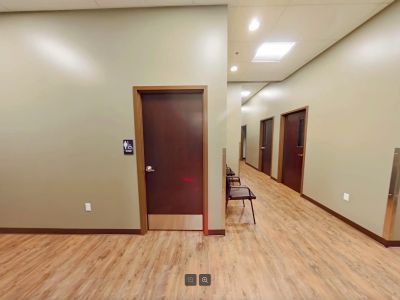

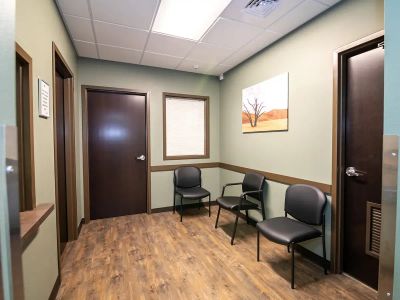
Comprehensive Treatment Centers - Evansville
Evansville, Indiana
1510 West Franklin Street, Evansville, IN 47710

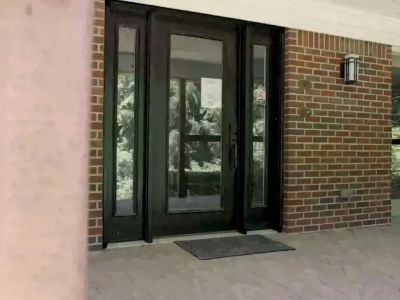
Addiction Rehab Centers - ARC at Fox Hill | Drug & Alcohol Rehab - Mooresville Indiana
Mooresville, Indiana
12168 N Mann Rd, Mooresville, IN 46158
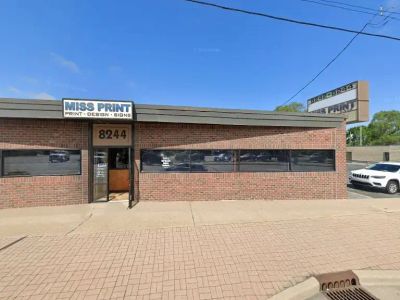
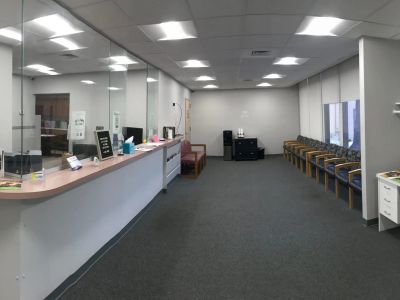
Alliance MD
Munster, Indiana
8242 Calumet Ave, Munster, IN 46321
Get Personalized Rehab Matches in 60 Seconds
Tell us a few details and we’ll show a personalized shortlist of verified Indiana rehabs, making it simple to compare options and choose your next step with confidence.
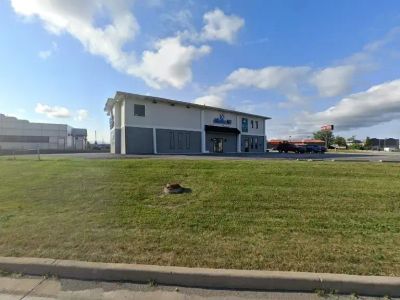
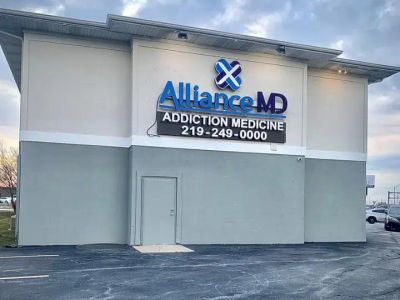
Alliance MD - Addiction Treatment Center
Merrillville, Indiana
8102 Georgia St, Merrillville, IN 46410
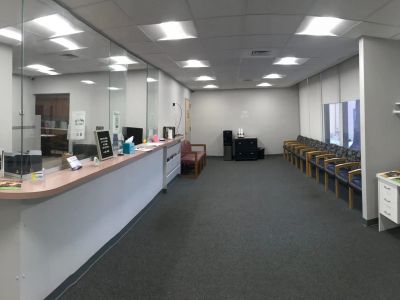
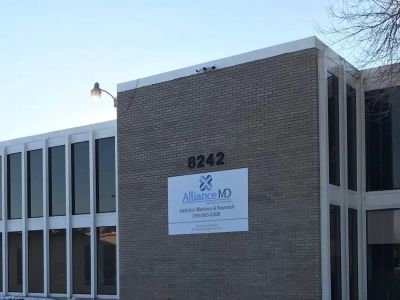

Alliance MD
Michigan City, Indiana
10176 W 400 N c, Michigan City, IN 46360

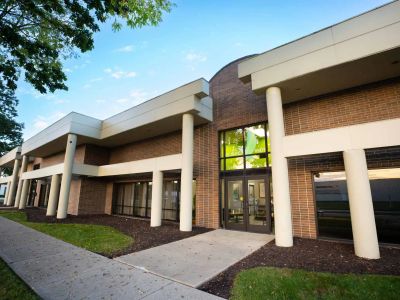
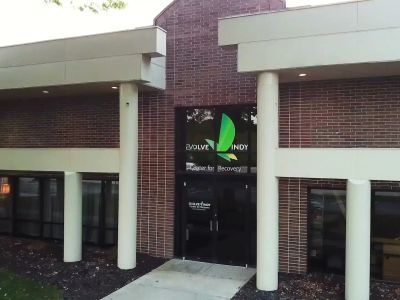
Evolve Indy
Indianapolis, Indiana
8770 Guion Rd, Indianapolis, IN, 46268
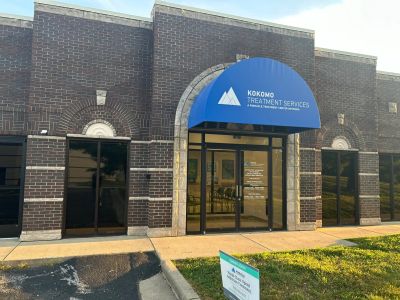
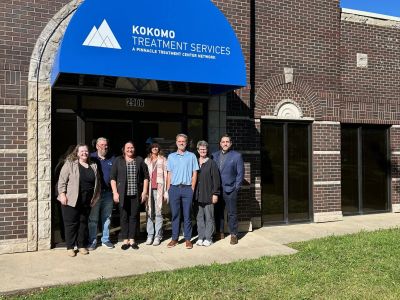
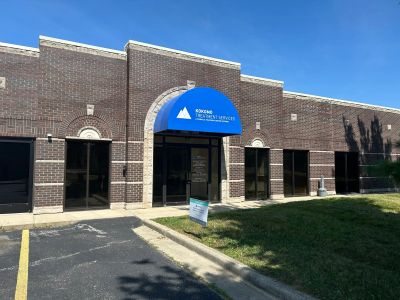
Pinnacle Treatment Centers - Kokomo
Kokomo, Indiana
2906 S. Reed Rd. Kokomo, IN 46902
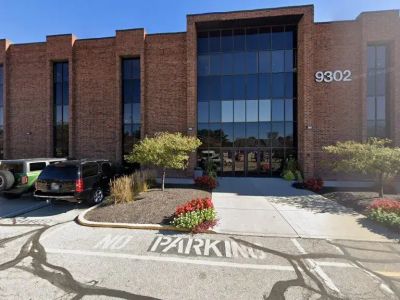


Spark Recovery - Outpatient Drug Addiction Treatment Indianapolis
Indianapolis, Indiana
9302 N Meridian St Ste 101, Indianapolis, IN 46260
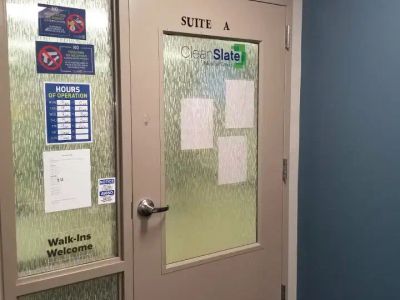
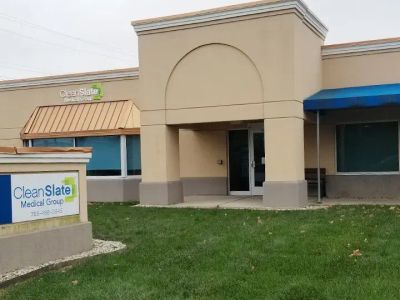
CleanSlate Outpatient Addiction Medicine
Richmond, Indiana
2302 Chester Blvd A, Richmond, IN 47374
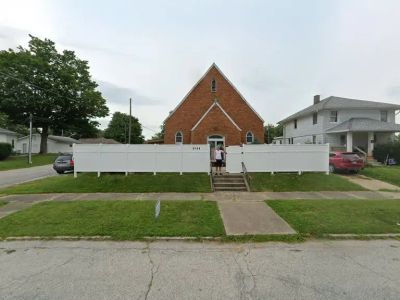
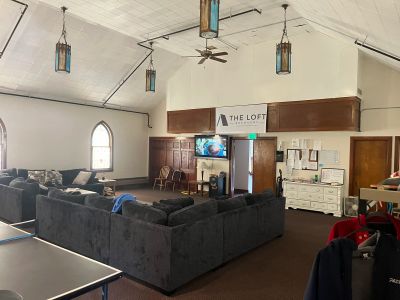
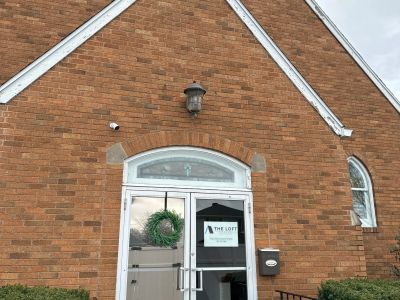
The Loft Recovery
Kokomo, Indiana
1700 S Main St, Kokomo, IN 46902
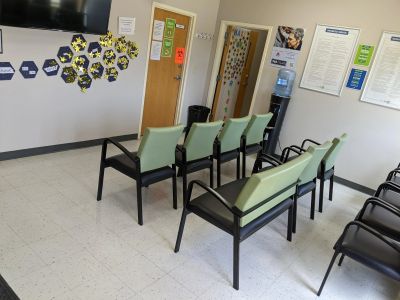
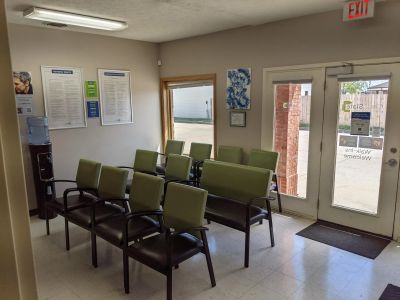

CleanSlate Outpatient Addiction Medicine
Lafayette, Indiana
30 Professional Ct #2A, Lafayette, IN 47905
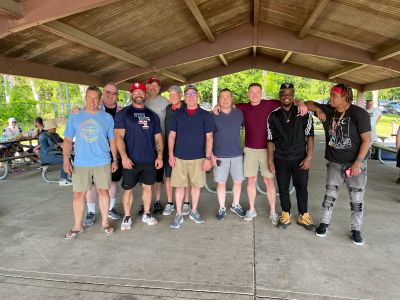


Recovery Centers of America at Indianapolis
Indianapolis, Indiana
8530 Township Line Rd, Indianapolis, IN 46260


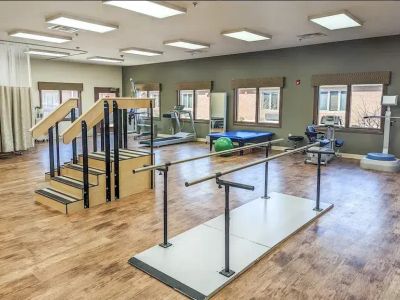
Bethel Pointe Health and Rehabilitation Center
Muncie, Indiana
3400 W Community Dr, Muncie, IN 47304


Comprehensive Treatment Centers - Richmond
Richmond, Indiana
4265 South A street, Richmond, IN, 47374


Comprehensive Treatment Centers - East Indiana
Lawrenceburg, Indiana
816 Rudolph Way Lawrenceburg, IN 47025

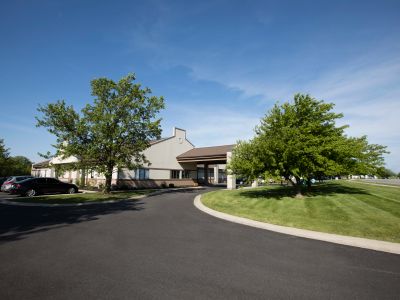

Pinnacle Treatment Centers - Recovery Works Merrillville
Merrillville, Indiana
201 West 89th Avenue, Merrillville, IN, 46410

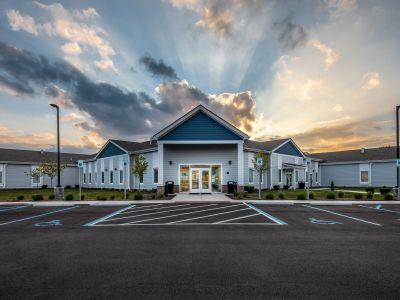

Recovery Works Martinsville
Martinsville, Indiana
504 Grand Valley Blvd, Martinsville, IN 46151
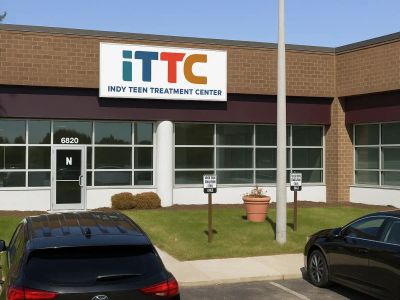
Indy Teen Treatment Center: Addiction and Mental Health Services
Indianapolis, Indiana
6620 Parkdale Pl ste n, Indianapolis, IN 46254
Recover Together - Franklin
Franklin, Indiana
590 Ironwood Drive 590 & 592 Franklin, IN 46131
Comprehensive Treatment Centers - Seymour
Seymour, Indiana
357 Tanger Blvd, Suite 215 Seymour, IN 47272
Why Trust Indiana Rehabs
As Hoosiers helping Hoosiers, we understand the unique challenges our communities face. Our team meticulously verifies every Indiana treatment center, ensuring you find trusted, local care that truly understands your journey.
About our listingsLevels of Care
Explore popular treatment options by levels of care, from flexible treatment in Outpatient centers to intensive care in Residential rehabs.
Free · 24/7 · Confidential
Talk to a Treatment Specialist
Call now to get matched with Indiana facilities that accept your insurance.
(888) 568-9930
Free
Ins. check
4.9★
Rating
HIPAA
Protected
Can't travel to a facility?
Licensed Indiana therapists via secure video — same-week appointments, evenings & weekends available.
Here in Indiana, the wave of fentanyl has left far too many families feeling uncertain and scared, unsure where to turn as headlines and heartache hit closer to home. If you’re carrying the weight of worry for yourself or someone you love, you’re not alone, this struggle is real, but it isn’t hopeless. There are people and places right here in Indiana ready to help, and with the right guidance, you can find a treatment path that starts to ease the fear and move toward genuine recovery.
What Is Fentanyl?
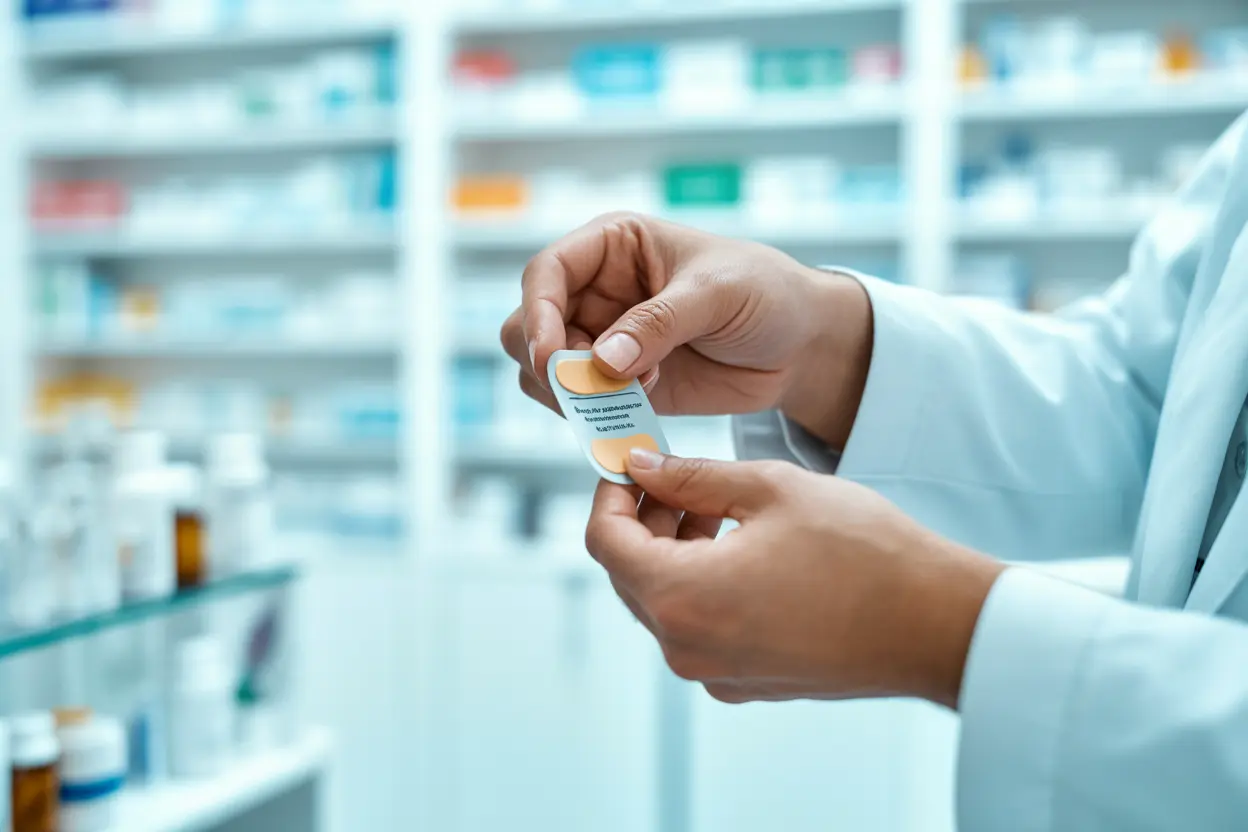
Fentanyl is a powerful synthetic opioid, originally developed to manage severe pain, often for patients after surgery or those with advanced cancer[1]. To understand its strength, imagine this: it’s about 50 to 100 times more potent than morphine. While pharmaceutical fentanyl has a critical place in medicine, the danger today comes mostly from illicitly manufactured fentanyl.
This illegal version is often made into powders or pressed into counterfeit pills that look identical to prescription medications like OxyContin or Xanax[2]. Many people don’t even know they’re taking it, as it’s frequently mixed with other drugs like heroin or cocaine to increase their effects. This is what makes it so dangerous. The risk of an accidental, life-threatening overdose is incredibly high because even a tiny amount can be fatal. Here in Indiana, the rise in fentanyl-related overdoses is a serious concern, making awareness and access to treatment more critical than ever[3]. You can learn more about the specifics of fentanyl addiction and its impact.
The Effects and Symptoms of Fentanyl Abuse
Recognizing the signs of fentanyl use is the first step toward getting help. Because it acts so quickly on the brain, the effects can be immediate and wide-ranging. Over time, these effects can lead to profound changes in a person's health and behavior.
Some of the most common signs and symptoms include:
- Physical Symptoms: This can include extreme drowsiness or "nodding off," constricted or pinpoint pupils, slowed breathing, nausea, and constipation.
- Psychological Symptoms: A person might experience a rush of euphoria, but this is often followed by confusion, difficulty concentrating, and mood swings.
- Behavioral Symptoms: You might notice someone withdrawing from friends and family, losing interest in hobbies, "doctor shopping" for prescriptions, or having financial troubles.
Fentanyl is highly addictive. It rewires the brain's reward system, leading to tolerance (needing more to get the same effect) and physical dependence[4]. This cycle can quickly spiral into what's known as opioid use disorder, where a person can't stop using despite the negative consequences. The most critical danger is overdose, which can happen unexpectedly and requires immediate action.
Signs of Fentanyl Overdose
A fentanyl overdose is a medical emergency. If you see these signs, call 911 right away. Knowing what to look for can save a life.
- Slow, shallow, or stopped breathing
- Pale, blue, or cold skin, especially on the lips and fingernails
- Limp body or unresponsiveness; unable to wake up
- Faint heartbeat or low blood pressure
- Choking or gurgling sounds (sometimes called a "death rattle")
If you suspect an overdose, administering naloxone (often known by the brand name Narcan) can reverse the effects and restore breathing[5]. This medication is becoming more widely available across Indiana and is a vital tool for anyone who knows someone struggling with opioid use.

Fentanyl Addiction Treatment Options
Finding the right fentanyl addiction treatment program is about matching the level of care to your unique needs. Recovery is a journey, and it often involves several stages of support. The goal is to build a foundation for lasting change, surrounded by medical professionals and peers who understand.
A full continuum of care includes:
- Medical Detox: A safe, supervised environment where the body can rid itself of fentanyl while managing withdrawal symptoms.
- Inpatient/Residential Treatment: Living at a facility for 24/7 support, therapy, and structured care away from triggers.
- Partial Hospitalization Program (PHP): A step down from inpatient care, with intensive therapy during the day while living at home or in sober living.
- Intensive Outpatient Program (IOP) and Outpatient Care: Flexible options that allow you to attend therapy and counseling sessions several times a week while maintaining work or family commitments.
Many effective fentanyl rehab programs use Medication-Assisted Treatment (MAT), which combines FDA-approved medications with counseling and behavioral therapies[6]. This approach helps manage cravings and withdrawal, allowing you to focus on the psychological aspects of recovery. Therapies like Cognitive-Behavioral Therapy (CBT) help you identify and change harmful thought patterns, while family counseling works to heal relationships[7].
Fentanyl Withdrawal & Detox
The first step in stopping fentanyl use is often the most intimidating because of withdrawal. Symptoms can be intense and may include severe muscle aches, anxiety, nausea, sweating, and powerful cravings. It’s important to remember that you don’t have to go through this alone. Medically supervised detox programs provide a safe space to manage these symptoms with professional support and medication, making the process much more comfortable and reducing the risk of relapse.
Rehab for Fentanyl Addiction
When you’re ready to find a fentanyl rehab program in Indiana, knowing what to look for can make all the difference. A quality addiction treatment center should offer more than just a place to stay; it should provide a pathway to healing. Look for programs that are licensed and accredited by the state, as this ensures they meet high standards of care[8]. For an official list, you can check the directory of Indiana's certified opioid treatment programs.
The best rehab centers use evidence-based therapies and are equipped to handle co-occurring disorders, like anxiety or depression, which often go hand-in-hand with substance use. The length of a fentanyl addiction treatment program varies for each person. Some may need 30 days, while others might benefit from 90 days or longer. The key is finding a program tailored to your progress. Many centers accept various forms of insurance, including Indiana Medicaid, to make care more accessible[9]. You can use our directory to find local rehab facilities in Indiana based on the level of care you need.
Take the First Step to Recovery in Indiana
Fentanyl addiction is a powerful and challenging condition, but it is treatable. Recovery is not just possible; it’s happening for people across Indiana every day[10]. Reaching out for help is a sign of incredible strength. A confidential conversation is the first step toward finding treatment options that feel right for you or your loved one. Don’t wait.
We know how overwhelming this can feel, but you don't have to navigate it by yourself. Effective, compassionate help is available right here in Indiana, and taking that first step is the most important one you can make. When you’re ready to talk, our team is here to listen without judgment and guide you toward the right path. You can call us anytime for a confidential conversation at (888) 568-9930. To learn more about treatment options, you can also explore the resources at Indiana Rehabs or contact us online. Hope is just a phone call away.
Frequently Asked Questions About Fentanyl Rehab in Indiana
Is fentanyl addiction treatable?
How long is rehab for fentanyl addiction?
What are the benefits of a fentanyl rehab program?
How do you get someone into rehab for fentanyl?
What is the best therapy for fentanyl addiction?
- National Institute on Drug Abuse. (06-06-2025). Fentanyl. National Institute on Drug Abuse. nida.nih.gov
- Drug Enforcement Administration. (2025). 2025 National Drug Threat Assessment. U.S. Department of Justice. dea.gov
- Indiana Department of Health. (03-31-2021). Indiana Drug Overdose Dashboard. Indiana Department of Health. in.gov
- American Psychiatric Association. (12-12-2024). Opioid Use Disorder. American Psychiatric Association. psychiatry.org
- World Health Organization. (08-29-2025). Opioid overdose. World Health Organization. who.int
- Substance Abuse and Mental Health Services Administration. (08-25-2025). Medications for Substance Use Disorders. Substance Abuse and Mental Health Services Administration. samhsa.gov
- Dydyk, A. M., et al. (01-17-2024). Opioid Use Disorder: Evaluation and Management. StatPearls Publishing. ncbi.nlm.nih.gov
- U.S. Department of Health and Human Services. (August, 2021). INDIANA | State Residential Treatment for Behavioral Health Conditions. ASPE. aspe.hhs.gov
- Indiana Health Coverage Programs. (06-16-2021). Substance Use Disorder (SUD)/Serious Mental Illness (SMI) Treatment. Indiana Family and Social Services Administration. in.gov
- Dowell, D., et al. (06-28-2024). Treatment for Opioid Use Disorder Among Adults in the United States, 2022. MMWR Morb Mortal Wkly Rep. cdc.gov