Nicotine Rehabs

Showing 20 of 35 Results (filtered)
Featured Rehab Centers

1525 West Harrison street, Plymouth, IN 46563

91 West Mound Street, Nashville, IN 47448

Addiction Rehab Centers - ARC at Fox Hill | Drug & Alcohol Rehab - Mooresville Indiana
Mooresville, Indiana
12168 N Mann Rd, Mooresville, IN 46158
Get Personalized Rehab Matches in 60 Seconds
Tell us a few details and we’ll show a personalized shortlist of verified Indiana rehabs, making it simple to compare options and choose your next step with confidence.
Centerstone - New Castle
New Castle, Indiana
3221 S Memorial Dr, New Castle, IN 47362

IU Health Addiction Treatment & Recovery Center
Indianapolis, Indiana
1701 N Senate Ave STE C-3, Indianapolis, IN 46202
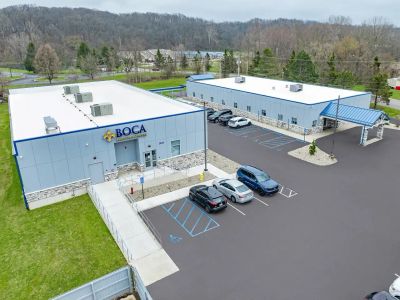

Boca Recovery Center - Fort Wayne, Indiana
Fort Wayne, Indiana
111 W Berry St #211, Fort Wayne, IN 46802
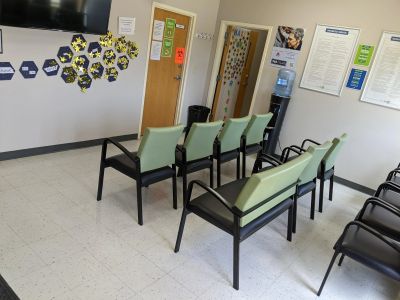
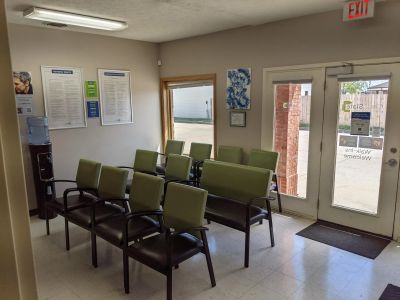

CleanSlate Outpatient Addiction Medicine
Lafayette, Indiana
30 Professional Ct #2A, Lafayette, IN 47905



Bethel Pointe Health and Rehabilitation Center
Muncie, Indiana
3400 W Community Dr, Muncie, IN 47304


Southwestern Behavioral Healthcare - Stepping Stone
Evansville, Indiana
4001 John Street, Evansville, IN 47714


Oases Counseling Center LLC
Greenfield, Indiana
635 N State St B, Greenfield, IN 46140
Southwestern Behavioral Healthcare - Dennis N. Moran Center
Evansville, Indiana
60 South stockwell Road, Evansville, IN, 47714

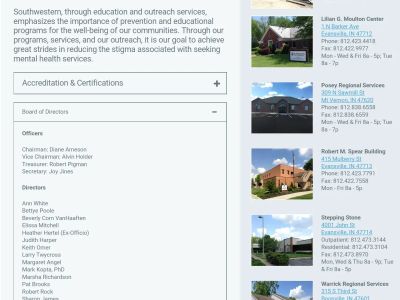
Southwestern Behavioral Healthcare – Youth Day Treatment
Evansville, Indiana
101 N Barker Ave, Evansville, IN 47712

The Children Campus
Mishawaka, Indiana
1411 Lincolnway West, Mishawaka, IN 46544
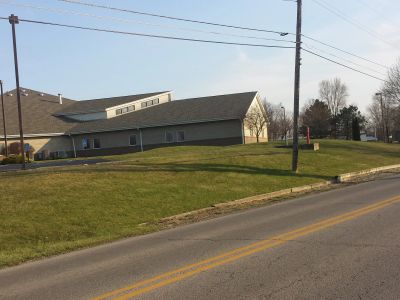

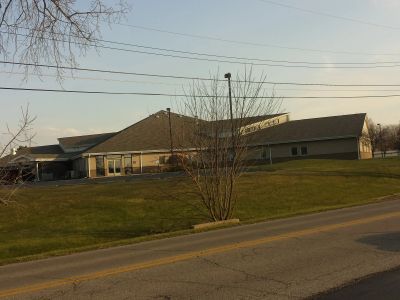
Meridian Health Services - New Castle
New Castle, Indiana
930 North 14th Street, New Castle, IN, 47362
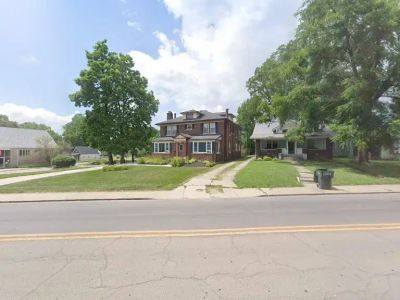
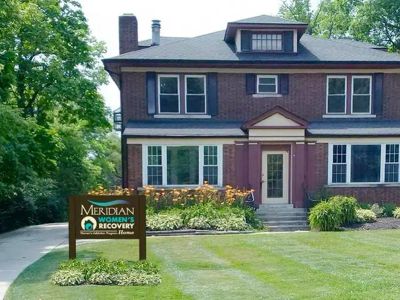
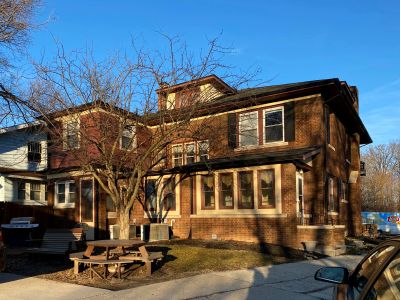
Meridian Women's Recovery Home
Muncie, Indiana
1101 Wheeling Ave, Muncie, IN 47303
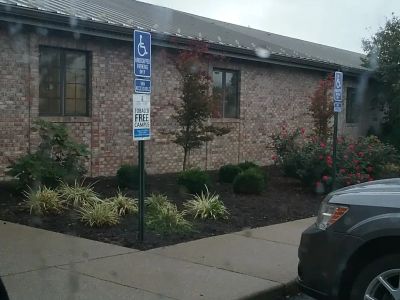
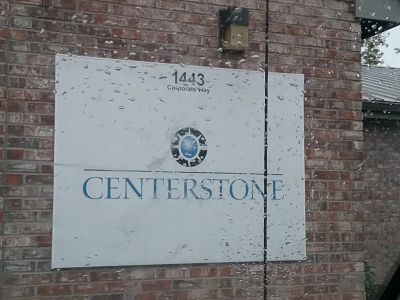
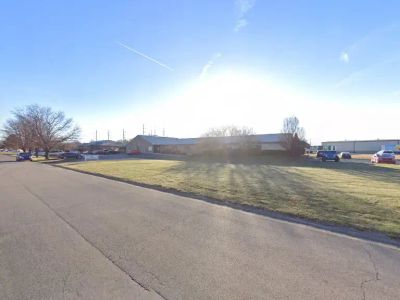
Centerstone - Seymour
Seymour, Indiana
1443 Corporate Way, Seymour, IN, 47274

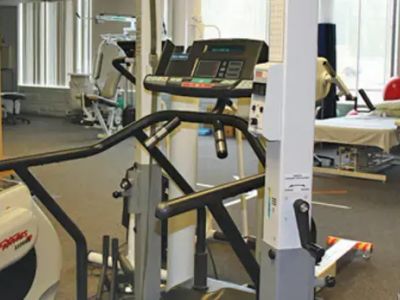

Norton King's Daughters' Health - Madison Rehabilitation Center
Madison, Indiana
2670 Michigan Rd, Madison, IN 47250

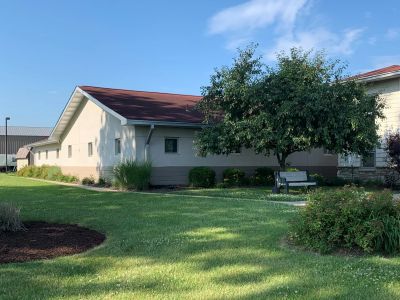
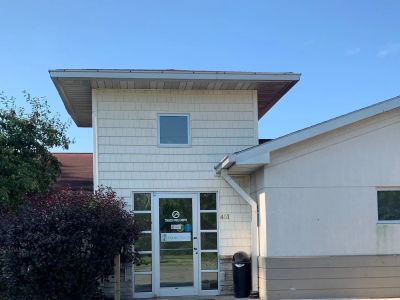
4C Health - Fulton County
Rochester, Indiana
401 East 8th Street, Rochester, IN 46975
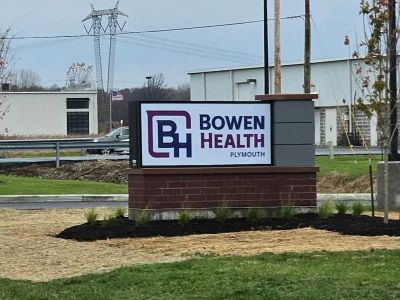


Bowen Center - Plymouth
Plymouth, Indiana
990 Illinois street, Plymouth, IN 46563

Bowen Center - Albion
Albion, Indiana
101 East Park Street, Albion, IN 46701
Why Trust Indiana Rehabs
As Hoosiers helping Hoosiers, we understand the unique challenges our communities face. Our team meticulously verifies every Indiana treatment center, ensuring you find trusted, local care that truly understands your journey.
About our listingsLevels of Care
Explore popular treatment options by levels of care, from flexible treatment in Outpatient centers to intensive care in Residential rehabs.
Free · 24/7 · Confidential
Talk to a Treatment Specialist
Call now to get matched with Indiana facilities that accept your insurance.
(888) 568-9930
Free
Ins. check
4.9★
Rating
HIPAA
Protected
Can't travel to a facility?
Licensed Indiana therapists via secure video — same-week appointments, evenings & weekends available.
You know the tug, that pull for your first cigarette before your feet even hit the floor, mixed with the wish that today might finally be the day you stop. Feeling trapped in that push and pull is exhausting, and it can leave you wondering if there’s a real way out. The truth is, breaking free from nicotine is possible, and there are proven treatments and supportive communities in Indiana ready to help you breathe easier again.

What is nicotine dependence?
Nicotine is the highly addictive chemical found in tobacco products, and it’s the reason quitting feels so challenging. When you smoke or use other tobacco products, nicotine travels quickly to your brain and triggers the release of a chemical called dopamine. This creates a brief feeling of pleasure and calm, reinforcing the urge to use it again. Your brain quickly adapts, and soon, it needs nicotine just to feel normal. This creates a powerful cycle of cravings and withdrawal that defines nicotine dependence.
It’s important to understand that this isn’t just a "bad habit", it's a recognized medical condition. While a habit is a learned behavior you can often change with willpower, nicotine dependence involves both a physical reliance on the substance and a psychological addiction. Your body physically craves nicotine to avoid withdrawal, while your mind has learned to associate smoking with certain routines, emotions, and triggers. In Indiana, thousands of people are navigating this challenge, with adult smoking rates at 15.5% and high school e-cigarette use at 11.4%[1]. Recognizing it as a health issue is the first step toward finding effective, compassionate care for nicotine addiction[2].
What are the signs of nicotine addiction?
Recognizing the signs of nicotine dependence, also known as tobacco use disorder, can help you understand when it’s time to seek support. You don't have to experience every symptom to have a dependence. Common signs include:
- You can’t stop using tobacco, even though you want to or have tried multiple times.
- You experience withdrawal symptoms like irritability, anxiety, or strong cravings when you try to quit.
- You continue smoking despite knowing it’s causing or worsening health problems.
- You spend a significant amount of time obtaining and using tobacco products.
- You’ve given up social, work, or recreational activities because they interfere with your ability to smoke.
When do nicotine withdrawal symptoms start?
If you're a regular tobacco user, you’ll likely feel the first signs of withdrawal just a few hours after your last cigarette. These symptoms tend to peak within the first two to three days of cessation, which is often the most difficult period. While the physical symptoms usually lessen over a few weeks, the psychological cravings can last much longer. Common nicotine withdrawal symptoms include intense cravings for tobacco, feeling irritable or anxious, difficulty concentrating, restlessness, increased appetite or weight gain, and trouble sleeping. Understanding this timeline can help you prepare for the challenge and know that the worst of it is temporary.
Medications
When you’re ready to quit, you don’t have to rely on willpower alone. Several FDA-approved medications can significantly increase your chances of success by easing withdrawal symptoms and reducing cravings. Think of them as tools to help you manage the physical side of nicotine dependence so you can focus on changing your behaviors. Research shows that using these medications can double or even triple the likelihood of quitting for good[3]. These treatments fall into two main categories: nicotine replacement therapy (NRT) and prescription medications that don’t contain nicotine, like varenicline and bupropion[4].
Nicotine Replacement Therapy
nicotine replacement therapy (NRT) works by giving you a controlled dose of nicotine without the tar, carbon monoxide, and other harmful chemicals found in tobacco smoke. This helps relieve the uncomfortable withdrawal symptoms and cravings that often lead people back to smoking. NRT comes in several forms, which allows you to tailor your approach. The nicotine patch is a long-acting option that delivers a steady, low dose of nicotine throughout the day. Short-acting forms like nicotine gum, lozenges, inhalers, or nasal sprays work more quickly to help you manage intense, breakthrough cravings as they happen. For many people, the most effective strategy is combining the patch for all-day support with a short-acting NRT for unexpected urges.
Varenicline
varenicline, sold under the brand name Chantix, is a prescription medication that can help people stop smoking. It works differently from NRT because it contains no nicotine. Instead, it targets nicotine receptors in the brain in two ways: it reduces the pleasurable effects you get from smoking, and it eases withdrawal symptoms. This dual action can make it easier to manage cravings and break the cycle of dependence. You typically start taking varenicline a week or two before your quit date to allow it to build up in your system. While it's an effective tool, it's important to discuss potential side effects with your doctor. If you're interested in this option, learning more about varenicline therapy can help you make an informed decision.
Nortriptyline
In some cases, medications originally developed as antidepressants have been found to be effective for smoking cessation. Nortriptyline and bupropion (sold as Zyban or Wellbutrin) are two such examples. These prescription drugs work by altering brain chemistry in ways that can reduce nicotine cravings and withdrawal symptoms. Bupropion, for instance, is thought to affect the same brain pathways that nicotine does, making it easier to quit without the intense urges. Nortriptyline has also shown to double the odds of successful cessation for some individuals. These medications are a good option for people who may not have had success with NRT or varenicline, or for those who also have symptoms of depression.
Behavioral Treatments
Quitting nicotine is about more than just managing physical cravings. Addiction is deeply tied to your daily routines, habits, and emotional triggers. Behavioral treatments help you address these psychological aspects of dependence by teaching you new coping skills and ways to handle stress without reaching for tobacco. For most people, the most effective path to quitting involves combining medication with behavioral support. This approach tackles both the physical and mental sides of addiction at the same time[5].

There are several types of behavioral treatments available. Individual counseling, such as cognitive behavioral therapy (CBT), helps you identify your personal smoking triggers and develop strategies to overcome them. group therapy or support groups offer a sense of community, allowing you to share experiences and learn from others who are on the same journey. Telephone quitlines are another powerful resource, providing free, confidential coaching and support from trained specialists. These behavioral programs are proven to be effective and can make a real difference in your journey to become nicotine-free[6]. Many people find success by joining a dedicated tobacco cessation program that combines these elements.
Finding Support for Nicotine Cessation in Indiana
If you’re ready to find help, you have strong, accessible options right here in Indiana. Taking the first step can feel overwhelming, but connecting with the right resources can make all the difference. A great place to start is by talking with your primary care doctor. They can discuss medication options, provide a prescription if needed, and refer you to local specialists or programs.
Another excellent resource is the Indiana Tobacco Quitline, which offers free, confidential coaching over the phone[7]. Trained quit coaches can help you create a personalized quit plan, navigate challenges, and provide ongoing encouragement. For those looking for structured treatment, many rehab centers across the state offer specialized programs for nicotine addiction. You can use our directory to find a facility that fits your needs. Simply explore our nicotine addiction treatment listings to see what’s available near you. You can also use government resources like the behavioral health treatment locator to broaden your search.
Take the First Step Toward a Nicotine-Free Life
Quitting nicotine is a journey, and while it can be challenging, recovery is absolutely achievable. The key is finding the right combination of support and evidence-based treatments that work for you. Whether it’s medication to manage cravings, counseling to build new habits, or a support group to share your experience with, there is a path forward. Remember that any step you take, big or small, is a move in the right direction. You have the strength to do this, and you don’t have to do it alone. When you’re ready, explore the resources available and take that first step toward a healthier, nicotine-free life.
The journey to a life free from nicotine is unique for everyone, but it always starts with a single decision to seek help. With a combination of medication, behavioral therapy, and a strong support system, you can succeed. If you’re ready to talk about your options, our team at Indiana Rehabs is here to listen without judgment. Call us today at (888) 568-9930 or get in touch through our contact page to find the support you deserve.
Frequently Asked Questions About Nicotine Addiction Treatment in Indiana
Is nicotine addiction a disease?
Can you get addicted to nicotine replacement therapy?
How effective is counseling for quitting smoking?
Are there free resources to help me quit smoking in Indiana?
What is the most effective way to quit smoking?
- Truth Initiative. (04-09-2024). Tobacco use in Indiana 2023. Truth Initiative. truthinitiative.org
- Indiana Department of Health. (01-13-2020). 2025 Indiana Tobacco Control Strategic Plan. Indiana Department of Health. in.gov
- Centers for Disease Control and Prevention. (04-11-2024). State Medicaid Coverage for Tobacco Cessation Treatments and Barriers to Accessing Care. Centers for Disease Control and Prevention. cdc.gov
- McBrayer, C. et al. (08-27-2022). Rates of Tobacco Use Disorder, Pharmacologic Treatment, and Receipt of General Medical Care Among Patients in a Large U.S. Academic Health System. Journal of General Internal Medicine. pmc.ncbi.nlm.nih.gov
- VanFrank, B. (04-24-2025). Tobacco-Related Clinical Services and Tobacco-Free Policies in Behavioral Health Treatment Facilities. Centers for Disease Control and Prevention. cdc.gov
- Indiana Department of Health. (n.d.). Tobacco Prevention and Cessation. Indiana Department of Health. in.gov
- Indiana Department of Health. (01-13-2020). 2025 Indiana Tobacco Control Strategic Plan. Indiana Department of Health. in.gov