Opioids Rehabs

Showing 20 of 212 Results (filtered)
Featured Rehab Centers

1411 W County Line Rd, Suite 1411A, Greenwood, IN 46142
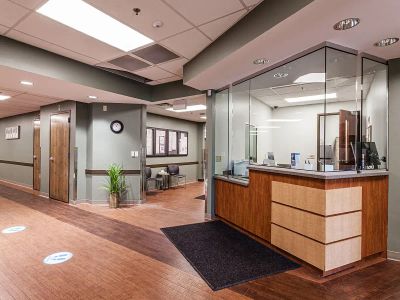
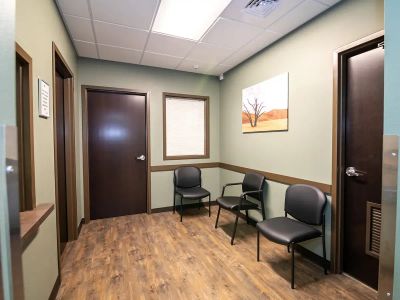
Comprehensive Treatment Centers - Evansville
Evansville, Indiana
1510 West Franklin Street, Evansville, IN 47710

1525 West Harrison street, Plymouth, IN 46563
Get Personalized Rehab Matches in 60 Seconds
Tell us a few details and we’ll show a personalized shortlist of verified Indiana rehabs, making it simple to compare options and choose your next step with confidence.

91 West Mound Street, Nashville, IN 47448
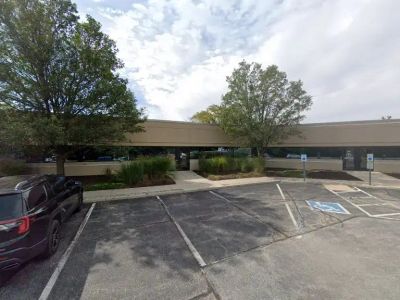
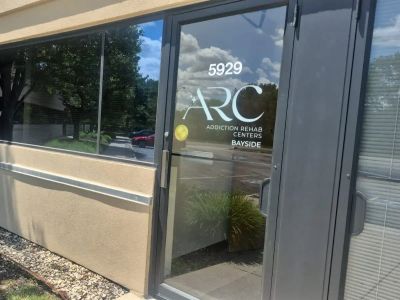
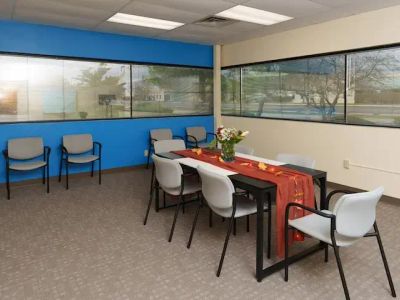
Addiction Rehab Centers - ARC At Bayside | Indianapolis Drug & Alcohol Rehab
Indianapolis, Indiana
5929 Lakeside Blvd, Indianapolis, IN 46278

Addiction Rehab Centers - ARC at Fox Hill | Drug & Alcohol Rehab - Mooresville Indiana
Mooresville, Indiana
12168 N Mann Rd, Mooresville, IN 46158
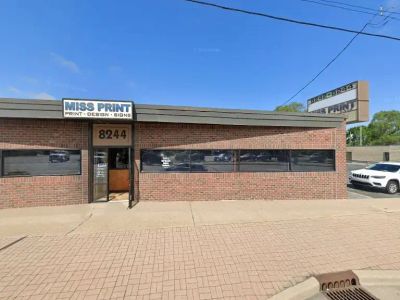
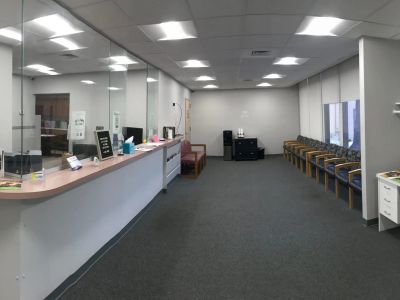
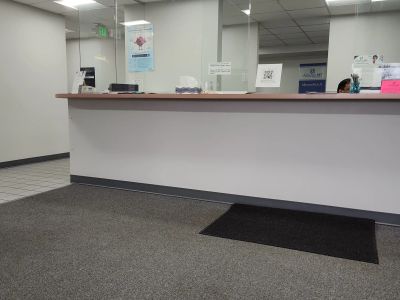
Alliance MD
Munster, Indiana
8242 Calumet Ave, Munster, IN 46321
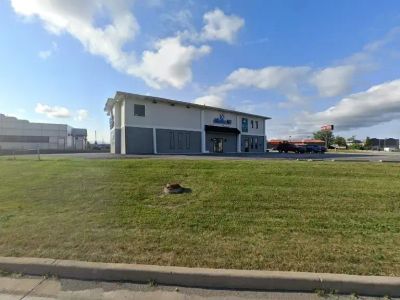
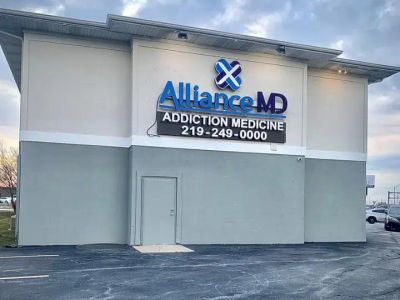
Alliance MD - Addiction Treatment Center
Merrillville, Indiana
8102 Georgia St, Merrillville, IN 46410
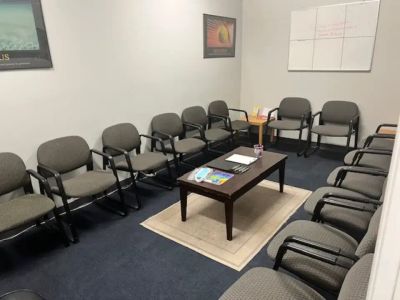
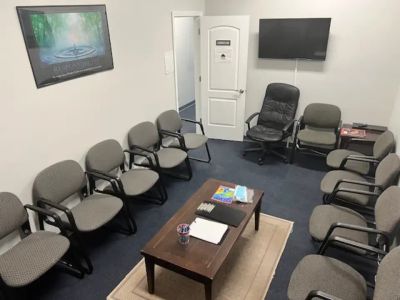
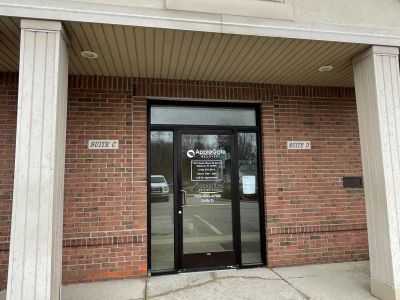
AppleGate Recovery Kokomo
Kokomo, Indiana
1542 S Dixon Rd STE C, Kokomo, IN 46902

Aspire Indiana Health – Next Step
Indianapolis, Indiana
2456 N Bolton Ave, Indianapolis, IN 46218
Centerstone - New Castle
New Castle, Indiana
3221 S Memorial Dr, New Castle, IN 47362

Centerstone Recovery Transitional Housing
Columbus, Indiana
1680 Whitney Ct, Columbus, IN 47203

Hamilton Center Inc: Mathew Maleakal S MD
Terre Haute, Indiana
620 8th Ave, Terre Haute, IN 47804
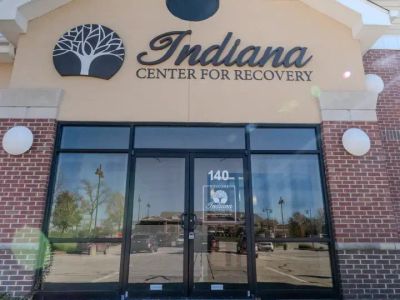
Indiana Center For Recovery - Alcohol & Drug Rehab Center Carmel
Carmel, Indiana
14555 Hazel Dell Pkwy #140, Carmel, IN 46033
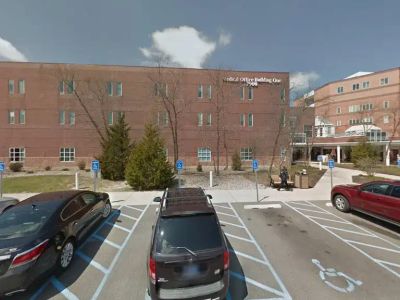
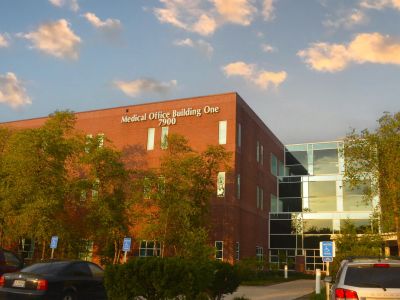
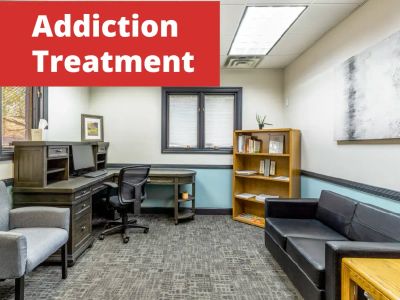
Indiana Center for Recovery - Alcohol & Drug Rehab Center Fort Wayne
Fort Wayne, Indiana
7900 W Jefferson Blvd, Fort Wayne, IN 46804
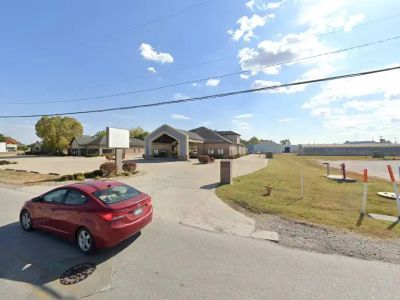
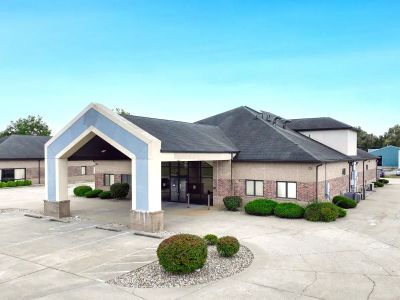
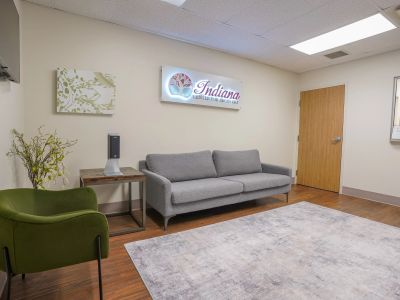
Indiana Center For Recovery- Alcohol & Drug Rehab Terre Haute
Terre Haute, Indiana
135 E Hospital Ln, Terre Haute, IN 47802

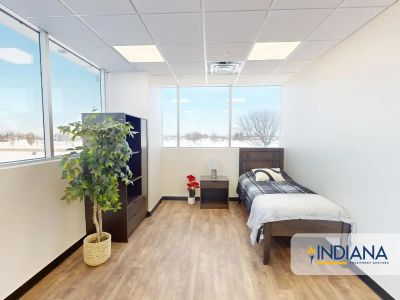

Indiana Treatment Centers
Columbus, Indiana
1888 Poshard Dr, Columbus, IN 47203
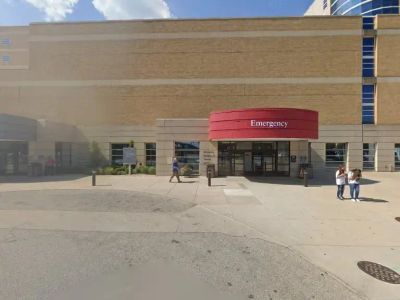
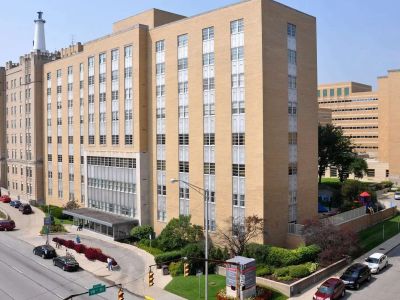
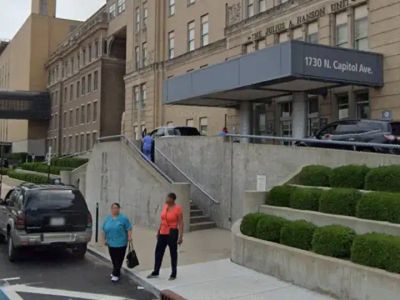
IU Health Addiction Treatment & Recovery Center
Indianapolis, Indiana
1701 N Senate Ave STE C-3, Indianapolis, IN 46202
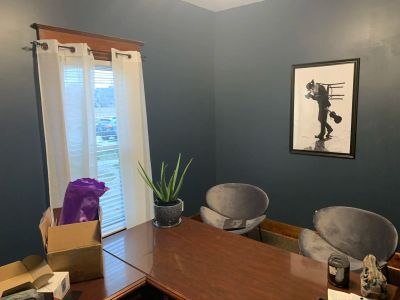
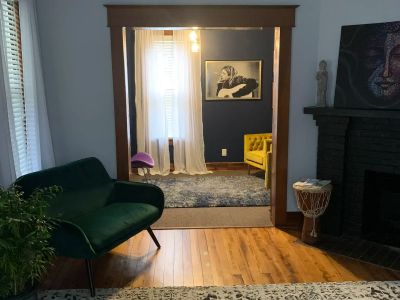
Lotus Treatment Center
Columbus, Indiana
1207 Washington St, Columbus, IN 47201
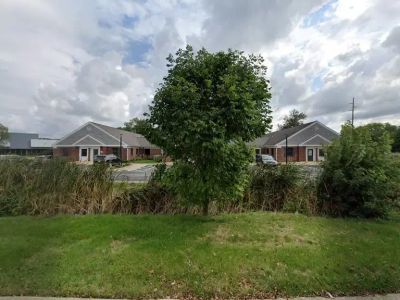
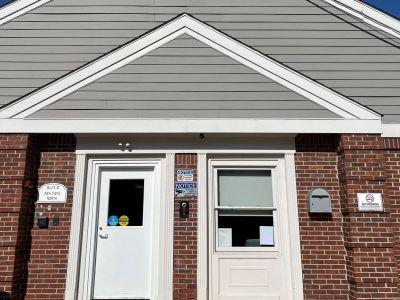
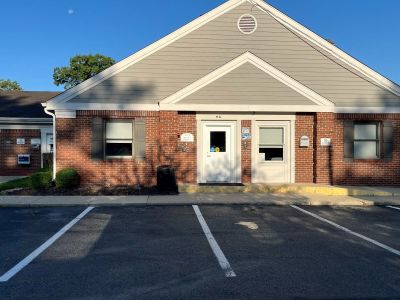
New Vista North
Indianapolis, Indiana
4010 W 86th St suite d, Indianapolis, IN 46268
Why Trust Indiana Rehabs
As Hoosiers helping Hoosiers, we understand the unique challenges our communities face. Our team meticulously verifies every Indiana treatment center, ensuring you find trusted, local care that truly understands your journey.
About our listingsLevels of Care
Explore popular treatment options by levels of care, from flexible treatment in Outpatient centers to intensive care in Residential rehabs.
Free · 24/7 · Confidential
Talk to a Treatment Specialist
Call now to get matched with Indiana facilities that accept your insurance.
(888) 568-9930
Free
Ins. check
4.9★
Rating
HIPAA
Protected
Can't travel to a facility?
Licensed Indiana therapists via secure video — same-week appointments, evenings & weekends available.
`/`` with verbatim titles and `id`s, `
`, `
- `, etc.
* Linking: 3-5 internal links total. 2-3 external links total. Use provided URLs only. Descriptive anchor text. No links in intro/outro (except CTA).
* Citations: Inline `` tags *before* the period, using `data-text` and `data-url` from `citations_input`. No bibliography.
* Blacklist: Can use research from blacklisted sources, but *cannot link* to them. I'll need to double-check every external link against this list. The blacklisted domains are: `citizenportal.ai`, `drugabusestatistics.org`, `grovetreatment.com`, `provider.indianamedicaid.com`, `treatmentindiana.com`.
* Images: Call the `Generate_Image_Tool` when `use_image: true`. Insert the resulting URL with descriptive alt text.
* Tables: Must be wrapped in `
- State Licensing and Accreditation: Ensure the facility is licensed by the state of Indiana and accredited by a reputable organization like The Joint Commission or CARF.
- Evidence-Based Therapies: The program should use proven methods like cognitive behavioral therapy (CBT), motivational interviewing, and other recognized therapeutic approaches.
- Medication-Assisted Treatment (MAT) Availability: A quality opioid rehab should offer or facilitate access to FDA-approved medications like buprenorphine, methadone, or naltrexone.
- Qualified and Compassionate Staff: Look for programs staffed by licensed medical professionals, therapists, and counselors who specialize in addiction treatment.
- Personalized Treatment Plans: The facility should create an individualized care plan tailored to your specific needs, not a one-size-fits-all program.
- Aftercare Planning: Recovery doesn't end when rehab does. A good program will help you create a solid aftercare plan to support your long-term sobriety.
- Talebi, S., & Hamilton, J.P. (2024-01-17). Opioid Use Disorder: Evaluation and Management. StatPearls. ncbi.nlm.nih.gov
- National Institute on Drug Abuse. (2025-03-20). Medications for Opioid Use Disorder. National Institute on Drug Abuse. nida.nih.gov
- Substance Abuse and Mental Health Services Administration. (2025-08-25). Medications for Substance Use Disorders. Substance Abuse and Mental Health Services Administration. samhsa.gov
- The Pew Charitable Trusts. (February, 2019). Opioid Use Disorder: Challenges and Opportunities in Rural Communities. The Pew Charitable Trusts. pew.org
- Centers for Disease Control and Prevention. (2024-06-27). Treatment for Opioid Use Disorder: Population Estimates. Morbidity and Mortality Weekly Report. cdc.gov
- Indiana Family and Social Services Administration. (2020-07-14). Opioid Treatment Program. Indiana Division of Mental Health and Addiction. in.gov
- Centers for Disease Control and Prevention. (2025-02-21). Linking People with Opioid Use Disorder to Medication Treatment. Centers for Disease Control and Prevention. cdc.gov
- The Brookings Institution. (2025-02-25). The role of Medicaid in addressing the opioid epidemic. The Brookings Institution. brookings.edu
- Centers for Medicare & Medicaid Services. (2023-10-19). Healthy Indiana Plan SUD Summative Evaluation Report. Medicaid.gov. medicaid.gov
- State of Indiana. (November, 2024). PROGRESS on Indiana's Drug Crisis. IN.gov. in.gov
- Kianersi, S., Cheng, Z., Dixon, B. E., et al. (2023-02-01). Opioid-Related Treatment Disparities Among Medicaid Enrollees in Indiana. JMIR Public Health and Surveillance. pmc.ncbi.nlm.nih.gov
`.
* `section_3` has `use_image: true`. I will call the tool with its prompt. This image will go somewhere contextually appropriate within that section, likely after the introductory paragraph before the subsections.
### Phase 2: Content Generation (Section-by-Section)
I'll now process each section of the outline, following the operational sequence: Draft -> Cite -> Format/Link -> Image.
**Introduction:**
* Use the provided `intro_text` verbatim. No changes, no links.
**Image 1 (for Section 1):**
* Call `Generate_Image_Tool` with prompt: "Photo-realistic image of a welcoming, brightly lit reception area..."
* Place the resulting `![]() ` tag with appropriate alt text right after the intro and before the first `
` tag with appropriate alt text right after the intro and before the first ``.
**Section 1: What is opioid rehab?**
* **Drafting:**
* **Content Brief:** Define opioid rehab simply. Frame addiction as a medical condition (opioid use disorder), not a moral failing. Cover goals: manage withdrawal, address root causes, build skills.
* **Keywords:** `opioid rehab`, `opioids`, `addiction`, `treatment`, `recovery`, `rehab`, `opioid use disorder`.
* **Persona:** Start with a warm, reassuring tone. "Let's break down what opioid rehab really means." Explain that it's a structured program. Connect to the idea of a medical condition: "Think of it like getting treatment for any other chronic health issue..." Weave in the keywords naturally.
* **Citations:**
* The `citations_input` for `section_1` has two items.
* The first supports the clinical definition of OUD. I'll add the `` tag after a sentence defining OUD.
* The second supports the goals of rehab (reducing overdose/disease risk). I'll add that tag after a sentence about the primary goals.
* **Formatting & Linking:**
* `What is opioid rehab?
`
* I planned to use two internal links here: `https://indianarehabs.com/types/` and `https://indianarehabs.com/care/`. I'll find natural places for them, e.g., "There are many different types of rehab programs..." and "...part of a full spectrum of addiction treatment care."
**Section 2: Opioid Addiction Treatment and Rehab Options**
* **Drafting:**
* **Content Brief:** Introduce the "no single path" concept. Explain that the right choice depends on individual factors. Use subsections to detail the options.
* **Keywords:** `inpatient treatment`, `outpatient treatment`, `opioid detoxification`, `rehab`, `treatment`, `withdrawal`.
* **Persona:** "Recovery isn't one-size-fits-all..." Use an analogy: "It's like finding the right tool for a specific job." Introduce the levels of care as different options on a spectrum.
* **Sub-section: Opioid Detoxification:**
* **Drafting:** Define as the first step, medically supervised, not a full cure. Mention withdrawal symptoms to emphasize the need for medical help. Keywords: `detoxification`, `withdrawal symptoms`, `medical supervision`, `opioids`.
* **Linking:** Place the internal link `https://indianarehabs.com/care/detox/` here. Anchor text: "safely manage withdrawal symptoms under medical detoxification."
* **Sub-section: Inpatient Treatment:**
* **Drafting:** Explain 24/7 care in a trigger-free environment. Mention benefits and duration (30/60/90 days). Keywords: `inpatient treatment`, `residential drug rehabilitation treatment`, `rehab facilities`, `therapy`.
* **Sub-section: Outpatient Treatment:**
* **Drafting:** Explain living at home while attending sessions. Emphasize flexibility. Mention different intensities like PHP and IOP. Keywords: `outpatient`, `intensive outpatient programs`, `drug rehab outpatient services`, `sessions`.
* **Citations:**
* The `citations_input` for `section_2` has two items.
* One supports descriptions of levels of care. I'll add it to the main intro paragraph of this section.
* The other mentions challenges in access, especially in rural areas. I can weave this in subtly, maybe when talking about the importance of finding the *right* fit for one's situation.
* **Formatting:** `` for the main heading, `` for each subsection, all with exact `id`s and titles.
**Image 2 (for Section 3):**
* Call `Generate_Image_Tool` with prompt: "A photo-realistic, respectful close-up shot over the shoulder of a male doctor..."
* Place the resulting `![]() ` tag with descriptive alt text within Section 3, after the introductory paragraph.
**Section 3: Opioid Addiction Medications**
* **Drafting:**
* **Content Brief:** Introduce MAT as medication + therapy. Explain how the meds work (normalize brain chemistry, block effects, relieve cravings). Emphasize it's a key part of recovery.
* **Keywords:** `methadone`, `buprenorphine`, `naltrexone`, `MAT`, `opioid use disorder`, `cravings`, `medication`.
* **Persona:** Demystify MAT. "It's not about replacing one drug with another; it's about giving your brain a chance to heal..."
* **Linking:** I planned to use `https://indianarehabs.com/programs/mat/` here. A good anchor would be "evidence-based approach known as Medication-Assisted Treatment (MAT)."
* **Sub-sections (Methadone, Buprenorphine, Naltrexone):**
* **Drafting:** For each, I'll follow the brief exactly: define its type (full agonist, partial agonist, antagonist), explain its function, and mention its specific dispensing rules (OTP clinic, office-based, post-detox). I'll use the provided keywords for each.
* **Citations:**
* The `citations_input` for `section_3` has two items.
* One highlights how few people receive MAT. This is a powerful point for the intro paragraph to emphasize its importance.
* The second mentions the one-year history requirement for OTPs. I'll add this directly into the Methadone subsection.
* **Formatting:** `
` tag with descriptive alt text within Section 3, after the introductory paragraph.
**Section 3: Opioid Addiction Medications**
* **Drafting:**
* **Content Brief:** Introduce MAT as medication + therapy. Explain how the meds work (normalize brain chemistry, block effects, relieve cravings). Emphasize it's a key part of recovery.
* **Keywords:** `methadone`, `buprenorphine`, `naltrexone`, `MAT`, `opioid use disorder`, `cravings`, `medication`.
* **Persona:** Demystify MAT. "It's not about replacing one drug with another; it's about giving your brain a chance to heal..."
* **Linking:** I planned to use `https://indianarehabs.com/programs/mat/` here. A good anchor would be "evidence-based approach known as Medication-Assisted Treatment (MAT)."
* **Sub-sections (Methadone, Buprenorphine, Naltrexone):**
* **Drafting:** For each, I'll follow the brief exactly: define its type (full agonist, partial agonist, antagonist), explain its function, and mention its specific dispensing rules (OTP clinic, office-based, post-detox). I'll use the provided keywords for each.
* **Citations:**
* The `citations_input` for `section_3` has two items.
* One highlights how few people receive MAT. This is a powerful point for the intro paragraph to emphasize its importance.
* The second mentions the one-year history requirement for OTPs. I'll add this directly into the Methadone subsection.
* **Formatting:** `` and `` tags with exact `id`s and titles.
**Section 4: What Happens During Opioid Addiction Treatment?**
* **Drafting:**
* **Content Brief:** Walk the reader through a typical day/process. Start with intake/assessment. Explain the structured days combining therapies.
* **Keywords:** `therapy`, `sessions`, `family therapy`, `group therapy`, `recovery process`, `typical day`.
* **Persona:** Address the reader's potential anxiety. "Walking into rehab for the first time can be nerve-wracking because you don’t know what to expect. Let’s pull back the curtain..."
* **Sub-sections (Individual, Group, Family Therapy):**
* **Drafting:** For each, I'll explain what it is, its goals, and its benefits, as outlined in the briefs. I will maintain the conversational, empathetic tone throughout.
* **Citations:**
* The `citations_input` for `section_4` has one item about linking people to evidence-based treatment. I'll place this in the main intro paragraph of the section to support the idea that the therapies discussed are part of a proven process.
* **Formatting:** `` and `` tags with exact `id`s and titles. No internal or external links planned for this section to avoid over-linking.
**Section 5: Opioid Rehab Cost and Insurance Coverage**
* **Drafting:**
* **Content Brief:** Acknowledge cost as a barrier. List factors affecting cost. Explain insurance coverage (ACA). Advise readers to verify. Weave in the Indiana-specific spending stats.
* **Keywords:** `average cost`, `insurance`, `cost of rehab`, `outpatient`, `residential`, `Indiana`, `health insurance`.
* **Persona:** Be direct and practical. "Let's talk about one of the biggest worries for many families: the cost." Validate their concern, then provide clear, actionable information. I'll integrate the stats conversationally, e.g., "In Indiana, public spending reflects this, with about $60.75 million going toward outpatient services..."
* **Citations:**
* Two citations for `section_5`. One on the Healthy Indiana Plan's SUD coverage. The other on Medicaid's national role. Both fit perfectly when discussing insurance and public options.
* **Formatting & Linking:**
* `Opioid Rehab Cost and Insurance Coverage
`
* Internal link: `https://indianarehabs.com/cost-guide/`. Anchor: "The average cost of rehab can vary widely..."
* External link: The `in.gov` Medicaid link. Anchor: "It's always best to check the specifics of Indiana Medicaid's coverage for SUD treatment directly." (Adding `target="_blank"` and `rel="noopener noreferrer"` for external links is a best practice).
**Section 6: Find Treatment Services**
* **Drafting:**
* **Content Brief:** Concluding summary. Bulleted list of "What to Look For." Empower the reader.
* **Keywords:** `find treatment`, `Indiana`, `rehab`, `treatment`, `programs`, `recovery`.
* **Persona:** Shift from explaining to empowering. "Now that you have a clearer picture... the next step is finding the right program for you."
* **Formatting & Linking:**
* `Find Treatment Services
`
* Use a `` for the checklist.
* External link: The `in.gov` OTP directory. Anchor: "...you can start by looking at Indiana's directory of certified opioid treatment programs."
* **Citations:**
* Two citations for `section_6`. One on the growth of providers in Indiana, which I can use to frame the checklist as a way to find a *quality* one among many. The other on treatment disparities, reinforcing the need to vet programs carefully.
**Conclusion:**
* **Drafting:** Write a new, summary paragraph. No heading.
* Summarize key takeaways: recovery is a medical process, different options exist, help is available.
* Maintain the warm, supportive persona. "Remember, this journey doesn’t have to be walked alone."
* Include the phone number CTA: `(888) 568-9930`.
* Include the homepage link: `Indiana Rehabs`.
* Include a contact page link: "You can also contact us online for guidance." (Assuming a standard contact URL).
* End with a final supportive sentence. "Taking that first step is the bravest thing you can do."
### Final Review
* Read through the entire generated HTML.
* Check for 3-5 internal links (I have 5).
* Check for 2-3 external links (I have 2).
* Ensure all ``/`` titles and `id`s are verbatim matches from the outline.
* Verify all citations are in place and correctly formatted.
* Check for tone, readability (8th grade), and adherence to persona.
* Confirm the conclusion has all required elements.
* Final check for blacklisted URLs in any `href` attributes. None exist.
* Ensure no `` tags are used outside of `` elements and no `` tags are used at all.
This systematic process ensures all constraints and requirements are met, resulting in a high-quality, compliant, and empathetic article.
When you or someone you care about is struggling with opioid addiction in Indiana, where do you even begin to look for help? The search can feel overwhelming, packed with questions and worries that never quite settle. You deserve clarity and real support, a sense that you’re not wandering this path alone. There are trustworthy options for opioid rehab right here in Indiana, and with the right guidance, finding the help you need can feel a whole lot less confusing.

What is opioid rehab?
Opioid rehab is a structured treatment program designed to help people safely stop using opioids like heroin, fentanyl, and prescription painkillers. It’s important to understand that an opioid use disorder is a treatable medical condition, not a moral failing or a lack of willpower[1]. Think of it like getting help for any other chronic health issue, where you need professional guidance to heal.
Treatment addresses both the physical and psychological sides of addiction. The first step is often managing the intense physical withdrawal symptoms in a safe, medically supervised environment. But true recovery goes much deeper. A quality opioid rehab program helps you understand the root causes behind the substance use, whether it’s trauma, chronic pain, or a co-occurring mental health condition like depression or anxiety.
The main goals are to get you stable, reduce the risk of overdose, and teach you the skills needed for long-term recovery[2]. This isn't just about stopping drug use; it's about building a new, healthier life. There are many different types of rehab programs available, all of which are part of a full spectrum of addiction treatment care designed to meet you where you are.
Opioid Addiction Treatment and Rehab Options
When it comes to opioid addiction, recovery isn’t one-size-fits-all. The right path for one person might not be the right one for you or your loved one, and that’s perfectly okay. Treatment programs in Indiana offer different levels of care to match your specific needs[3]. The best choice depends on a few key factors, such as how long the opioid use has been going on, whether there are other mental health concerns, and how stable your home environment is. For some, accessing the right level of care can be challenging, especially in more rural parts of the state, but options are available[4]. Let’s explore the most common types of treatment you’ll find.
Opioid Detoxification
Opioid detoxification is often the very first step in the treatment journey. Its main purpose is to help you safely manage withdrawal symptoms under medical detoxification. When you stop using opioids, your body can react with painful and sometimes dangerous symptoms like severe muscle aches, nausea, anxiety, and intense cravings. Medical supervision during this time is critical to keep you safe and as comfortable as possible. It’s important to remember that detox is not a complete treatment. It addresses the physical dependency, but it doesn't address the underlying reasons for the addiction. Think of it as preparing the ground for the real work of therapy and recovery that comes next.
Inpatient Treatment
Inpatient treatment, also known as residential rehab, is a highly structured program where you live at the facility 24/7. This type of care offers a safe, trigger-free environment where you can focus entirely on your recovery without the distractions or stressors of daily life. The benefits are significant: you receive intensive therapy, have constant medical and peer support, and learn to build a new routine centered on health and sobriety. Most inpatient rehab facilities offer programs that last 30, 60, or 90 days, depending on your individual needs. For many people, this immersive approach provides the strong foundation needed to begin lasting recovery.
Outpatient Treatment
Outpatient treatment offers more flexibility. In an outpatient program, you live at home and travel to a treatment center for scheduled sessions several times a week. This allows you to continue with work, school, or family responsibilities while still receiving high-quality care. There are different levels of outpatient care, from less frequent weekly sessions to more intensive options like Partial Hospitalization Programs (PHP) and Intensive Outpatient Programs (IOP). These more structured drug rehab outpatient services provide several hours of therapy and support on most days of the week, offering a level of care that bridges the gap between inpatient and traditional outpatient treatment.
Opioid Addiction Medications
For many people struggling with opioid addiction, medication is a vital tool for recovery. It’s part of an evidence-based approach known as Medication-Assisted Treatment (MAT), which combines FDA-approved medications with counseling and behavioral therapies. It’s a common misconception that MAT is just trading one drug for another. In reality, these medications work by normalizing your brain chemistry, relieving cravings, and blocking the euphoric effects of opioids. This helps stabilize your body so you can focus on the therapy and counseling needed to heal the psychological aspects of addiction. Despite its effectiveness, only about one in five U.S. adults who could benefit from medication for opioid use disorder actually receive it, which is why access to these treatments is so important[5].

Methadone (Methadose)
Methadone is a long-acting full opioid agonist that has been used to treat opioid addiction for decades. It works by binding to the same receptors in the brain as other opioids, which helps reduce cravings and prevent withdrawal symptoms. Because it is a powerful medication, methadone can only be dispensed through federally regulated opioid treatment programs (OTPs), often called methadone clinics. In Indiana, individuals must typically have a history of opioid addiction for at least one year to be eligible for this type of treatment[6].
Buprenorphine (Suboxone with naloxone, Subutex discontinued, Buprenex, Zubsolv, Sublocade, Butrans)
buprenorphine is a partial opioid agonist. This means it activates the opioid receptors in the brain, but to a much lesser degree than a full agonist like methadone or heroin. This "ceiling effect" lowers the risk of misuse and overdose. buprenorphine, often known by the brand name Suboxone (which combines it with naloxone to deter misuse), effectively reduces cravings and withdrawal symptoms. A major advantage of buprenorphine is its accessibility. Certified doctors can prescribe it from their offices, making office-based treatment a convenient and discreet option for many people in Indiana.
Naltrexone (ReVia, Depade, Vivitrol)
naltrexone works differently from methadone and buprenorphine. It’s an opioid antagonist, which means it completely blocks the euphoric and sedative effects of opioids. If a person taking naltrexone were to use an opioid, they wouldn't feel high, which can help prevent relapse. Before starting naltrexone, a person must be fully detoxed from all opioids for at least 7-10 days to avoid sudden and severe withdrawal symptoms. naltrexone is available as a daily pill or as a once-monthly injection called Vivitrol, which can be a great option for those who have completed detox and are motivated to remain opioid-free.
What Happens During Opioid Addiction Treatment?
Walking into an opioid rehab facility for the first time can feel intimidating, mostly because of the unknown. Let’s pull back the curtain on what a typical day and the overall recovery process might look like. Treatment isn't just about stopping drug use; it's a comprehensive process that links you with evidence-based therapies and support to help you build a new life[7]. Your journey begins with an intake and assessment, where a team of professionals gets to know you, your history, and your goals. From there, they create a personalized treatment plan just for you. Days are structured, combining different types of therapy sessions designed to provide you with the tools and insights you need for lasting recovery.
Individual Behavioral Therapy
A core component of any good rehab program is individual therapy. These are one-on-one sessions with a trained counselor or therapist where you can work through personal issues in a safe and confidential space. The goal of this therapy is to help you identify the thoughts, feelings, and behaviors that contribute to your substance use. You’ll learn healthier coping strategies and address any underlying issues, like trauma or co-occurring mental health conditions, that might be fueling the addiction. These sessions are where a lot of the deep, personal healing happens.
Group Therapy
group therapy sessions are led by a therapist and include a small community of peers who are also in recovery. The power of group therapy comes from connection. Hearing from others who have walked a similar path can dramatically reduce feelings of shame and isolation. In these sessions, you’ll share your experiences, learn from others, and practice new communication skills. This sense of community and peer support is incredibly valuable, reminding you that you are not alone in your struggles or your triumphs.
Family Therapy
Addiction doesn't just affect one person; it impacts the entire family. That’s why family therapy is often a crucial part of the recovery process. These sessions bring family members together with a therapist to heal damaged relationships, improve communication, and educate everyone about the nature of addiction. When your family understands what you're going through and learns how to provide healthy support, they can become your strongest allies in maintaining long-term sobriety. It's a chance to rebuild trust and move forward together.
Opioid Rehab Cost and Insurance Coverage
Let's talk about one of the biggest worries that can stand in the way of getting help: the cost of rehab. It’s a valid concern, but you should know that there are options to make treatment affordable. The average cost of rehab can vary widely based on several factors, including the type of program (inpatient is typically more expensive than outpatient), the length of your stay, the facility's location, and the amenities offered.
The good news is that most health insurance plans are required by law, including the Affordable Care Act (ACA), to cover treatment for substance use disorders. Medicaid plays a critical role nationally in funding opioid use disorder treatment, and this has pushed many private and public plans to offer better coverage[8]. Indiana’s own Medicaid expansion, the Healthy Indiana Plan, has also increased access to residential and outpatient treatment for many Hoosiers[9]. Public spending in Indiana reflects this, with about $46.71 million directed toward residential treatment and $60.75 million toward outpatient services. The best first step is to call the number on the back of your insurance card or speak with an admissions coordinator at a rehab facility. They can help you verify your coverage and understand any out-of-pocket costs. You can also check the specifics of Indiana Medicaid's coverage for SUD treatment directly.
Find Treatment Services
Now that you have a clearer picture of what opioid rehab involves, the next step is finding the right program for you or your loved one. With a growing number of certified treatment providers in Indiana, it's important to know what to look for to ensure you receive high-quality, effective care[10]. Unfortunately, disparities in treatment access still exist, so being an informed advocate for yourself or your family member is key[11]. A great place to start is Indiana's directory of certified opioid treatment programs.
Here is a simple checklist of what to look for in a quality treatment program:
Remember, this journey doesn’t have to be walked alone. Recovery from opioid addiction is absolutely possible, and it starts with asking for help. The right treatment program can provide the medical care, therapeutic support, and life skills needed to build a healthier, more hopeful future. If you’re ready to take the first step or need guidance for a loved one, our team at Indiana Rehabs is here to listen without judgment. You can reach us anytime at (888) 568-9930 or contact us online for confidential support. Taking that first step is the bravest thing you can do.
Frequently Asked Questions About Opioid Rehab in Indiana
How long does opioid rehab last?
The length of an opioid rehab program is tailored to your unique needs, but most inpatient programs last 30, 60, or 90 days. Outpatient programs can vary in length. The right timeline depends on factors like the severity of the opioid use, your progress, and your home environment. Longer stays can provide more time to develop the skills needed for lasting recovery. Your treatment team will help you find a duration that supports your goals. What's the difference between opioid dependence and addiction?
Opioid dependence is primarily physical, while addiction is a chronic disease that also includes psychological and behavioral patterns. Dependence means your body has adapted to a substance and you will experience withdrawal symptoms if you stop. You can be dependent on a prescription opioid without being addicted to it.
Addiction, or opioid use disorder, includes physical dependence but also involves intense cravings and compulsive drug-seeking behavior, even when it causes harm. It affects your brain and decision-making. How effective is opioid rehab?
Opioid rehab is most effective when it's tailored to your specific situation and needs. Success isn't just about stopping drug use; it's about building a foundation for long-term well-being. Factors like the length of treatment, the types of therapy used, and a solid aftercare plan all play a big part in its effectiveness. While recovery is a personal journey and can include setbacks, rehab gives you the professional guidance and coping skills to navigate challenges and work toward lasting change. Can I lose my job for attending rehab in Indiana?
You may have legal protections that prevent you from being fired for seeking treatment for a substance use disorder. Laws like the Americans with Disabilities Act (ADA) and the Family and Medical Leave Act (FMLA) can offer job protection.
FMLA allows eligible employees to take unpaid, job-protected leave for qualifying medical reasons, which includes addiction treatment. It's often best to speak with your company's HR department to understand your specific rights and options. What are the benefits of going to drug rehab?
The primary benefit of drug rehab is having a safe, structured environment where you can focus entirely on your recovery. It provides medically supervised care to manage withdrawal symptoms, which can be uncomfortable and unsafe to do alone. You'll also participate in therapies to address the root causes of the addiction, learn new coping skills, and build a supportive community of peers who understand what you're going through. This comprehensive approach helps you heal physically and emotionally.
Free • Confidential • No Obligation
Find the Right Treatment Program
Answer a few questions and we'll match you with Indiana treatment centers that fit your needs, insurance, and schedule.
Prefer to call?
(888) 568-9930
— Free • 24/7 • Confidential
What is opioid rehab?
` * I planned to use two internal links here: `https://indianarehabs.com/types/` and `https://indianarehabs.com/care/`. I'll find natural places for them, e.g., "There are many different types of rehab programs..." and "...part of a full spectrum of addiction treatment care." **Section 2: Opioid Addiction Treatment and Rehab Options** * **Drafting:** * **Content Brief:** Introduce the "no single path" concept. Explain that the right choice depends on individual factors. Use subsections to detail the options. * **Keywords:** `inpatient treatment`, `outpatient treatment`, `opioid detoxification`, `rehab`, `treatment`, `withdrawal`. * **Persona:** "Recovery isn't one-size-fits-all..." Use an analogy: "It's like finding the right tool for a specific job." Introduce the levels of care as different options on a spectrum. * **Sub-section: Opioid Detoxification:** * **Drafting:** Define as the first step, medically supervised, not a full cure. Mention withdrawal symptoms to emphasize the need for medical help. Keywords: `detoxification`, `withdrawal symptoms`, `medical supervision`, `opioids`. * **Linking:** Place the internal link `https://indianarehabs.com/care/detox/` here. Anchor text: "safely manage withdrawal symptoms under medical detoxification." * **Sub-section: Inpatient Treatment:** * **Drafting:** Explain 24/7 care in a trigger-free environment. Mention benefits and duration (30/60/90 days). Keywords: `inpatient treatment`, `residential drug rehabilitation treatment`, `rehab facilities`, `therapy`. * **Sub-section: Outpatient Treatment:** * **Drafting:** Explain living at home while attending sessions. Emphasize flexibility. Mention different intensities like PHP and IOP. Keywords: `outpatient`, `intensive outpatient programs`, `drug rehab outpatient services`, `sessions`. * **Citations:** * The `citations_input` for `section_2` has two items. * One supports descriptions of levels of care. I'll add it to the main intro paragraph of this section. * The other mentions challenges in access, especially in rural areas. I can weave this in subtly, maybe when talking about the importance of finding the *right* fit for one's situation. * **Formatting:** `` for the main heading, `` for each subsection, all with exact `id`s and titles.
**Image 2 (for Section 3):**
* Call `Generate_Image_Tool` with prompt: "A photo-realistic, respectful close-up shot over the shoulder of a male doctor..."
* Place the resulting `![]() ` tag with descriptive alt text within Section 3, after the introductory paragraph.
**Section 3: Opioid Addiction Medications**
* **Drafting:**
* **Content Brief:** Introduce MAT as medication + therapy. Explain how the meds work (normalize brain chemistry, block effects, relieve cravings). Emphasize it's a key part of recovery.
* **Keywords:** `methadone`, `buprenorphine`, `naltrexone`, `MAT`, `opioid use disorder`, `cravings`, `medication`.
* **Persona:** Demystify MAT. "It's not about replacing one drug with another; it's about giving your brain a chance to heal..."
* **Linking:** I planned to use `https://indianarehabs.com/programs/mat/` here. A good anchor would be "evidence-based approach known as Medication-Assisted Treatment (MAT)."
* **Sub-sections (Methadone, Buprenorphine, Naltrexone):**
* **Drafting:** For each, I'll follow the brief exactly: define its type (full agonist, partial agonist, antagonist), explain its function, and mention its specific dispensing rules (OTP clinic, office-based, post-detox). I'll use the provided keywords for each.
* **Citations:**
* The `citations_input` for `section_3` has two items.
* One highlights how few people receive MAT. This is a powerful point for the intro paragraph to emphasize its importance.
* The second mentions the one-year history requirement for OTPs. I'll add this directly into the Methadone subsection.
* **Formatting:** `
` tag with descriptive alt text within Section 3, after the introductory paragraph.
**Section 3: Opioid Addiction Medications**
* **Drafting:**
* **Content Brief:** Introduce MAT as medication + therapy. Explain how the meds work (normalize brain chemistry, block effects, relieve cravings). Emphasize it's a key part of recovery.
* **Keywords:** `methadone`, `buprenorphine`, `naltrexone`, `MAT`, `opioid use disorder`, `cravings`, `medication`.
* **Persona:** Demystify MAT. "It's not about replacing one drug with another; it's about giving your brain a chance to heal..."
* **Linking:** I planned to use `https://indianarehabs.com/programs/mat/` here. A good anchor would be "evidence-based approach known as Medication-Assisted Treatment (MAT)."
* **Sub-sections (Methadone, Buprenorphine, Naltrexone):**
* **Drafting:** For each, I'll follow the brief exactly: define its type (full agonist, partial agonist, antagonist), explain its function, and mention its specific dispensing rules (OTP clinic, office-based, post-detox). I'll use the provided keywords for each.
* **Citations:**
* The `citations_input` for `section_3` has two items.
* One highlights how few people receive MAT. This is a powerful point for the intro paragraph to emphasize its importance.
* The second mentions the one-year history requirement for OTPs. I'll add this directly into the Methadone subsection.
* **Formatting:** `` and `` tags with exact `id`s and titles.
**Section 4: What Happens During Opioid Addiction Treatment?**
* **Drafting:**
* **Content Brief:** Walk the reader through a typical day/process. Start with intake/assessment. Explain the structured days combining therapies.
* **Keywords:** `therapy`, `sessions`, `family therapy`, `group therapy`, `recovery process`, `typical day`.
* **Persona:** Address the reader's potential anxiety. "Walking into rehab for the first time can be nerve-wracking because you don’t know what to expect. Let’s pull back the curtain..."
* **Sub-sections (Individual, Group, Family Therapy):**
* **Drafting:** For each, I'll explain what it is, its goals, and its benefits, as outlined in the briefs. I will maintain the conversational, empathetic tone throughout.
* **Citations:**
* The `citations_input` for `section_4` has one item about linking people to evidence-based treatment. I'll place this in the main intro paragraph of the section to support the idea that the therapies discussed are part of a proven process.
* **Formatting:** `` and `` tags with exact `id`s and titles. No internal or external links planned for this section to avoid over-linking.
**Section 5: Opioid Rehab Cost and Insurance Coverage**
* **Drafting:**
* **Content Brief:** Acknowledge cost as a barrier. List factors affecting cost. Explain insurance coverage (ACA). Advise readers to verify. Weave in the Indiana-specific spending stats.
* **Keywords:** `average cost`, `insurance`, `cost of rehab`, `outpatient`, `residential`, `Indiana`, `health insurance`.
* **Persona:** Be direct and practical. "Let's talk about one of the biggest worries for many families: the cost." Validate their concern, then provide clear, actionable information. I'll integrate the stats conversationally, e.g., "In Indiana, public spending reflects this, with about $60.75 million going toward outpatient services..."
* **Citations:**
* Two citations for `section_5`. One on the Healthy Indiana Plan's SUD coverage. The other on Medicaid's national role. Both fit perfectly when discussing insurance and public options.
* **Formatting & Linking:**
* `Opioid Rehab Cost and Insurance Coverage
`
* Internal link: `https://indianarehabs.com/cost-guide/`. Anchor: "The average cost of rehab can vary widely..."
* External link: The `in.gov` Medicaid link. Anchor: "It's always best to check the specifics of Indiana Medicaid's coverage for SUD treatment directly." (Adding `target="_blank"` and `rel="noopener noreferrer"` for external links is a best practice).
**Section 6: Find Treatment Services**
* **Drafting:**
* **Content Brief:** Concluding summary. Bulleted list of "What to Look For." Empower the reader.
* **Keywords:** `find treatment`, `Indiana`, `rehab`, `treatment`, `programs`, `recovery`.
* **Persona:** Shift from explaining to empowering. "Now that you have a clearer picture... the next step is finding the right program for you."
* **Formatting & Linking:**
* `Find Treatment Services
`
* Use a `` for the checklist.
* External link: The `in.gov` OTP directory. Anchor: "...you can start by looking at Indiana's directory of certified opioid treatment programs."
* **Citations:**
* Two citations for `section_6`. One on the growth of providers in Indiana, which I can use to frame the checklist as a way to find a *quality* one among many. The other on treatment disparities, reinforcing the need to vet programs carefully.
**Conclusion:**
* **Drafting:** Write a new, summary paragraph. No heading.
* Summarize key takeaways: recovery is a medical process, different options exist, help is available.
* Maintain the warm, supportive persona. "Remember, this journey doesn’t have to be walked alone."
* Include the phone number CTA: `(888) 568-9930`.
* Include the homepage link: `Indiana Rehabs`.
* Include a contact page link: "You can also contact us online for guidance." (Assuming a standard contact URL).
* End with a final supportive sentence. "Taking that first step is the bravest thing you can do."
### Final Review
* Read through the entire generated HTML.
* Check for 3-5 internal links (I have 5).
* Check for 2-3 external links (I have 2).
* Ensure all ``/`` titles and `id`s are verbatim matches from the outline.
* Verify all citations are in place and correctly formatted.
* Check for tone, readability (8th grade), and adherence to persona.
* Confirm the conclusion has all required elements.
* Final check for blacklisted URLs in any `href` attributes. None exist.
* Ensure no `` tags are used outside of `` elements and no `` tags are used at all.
This systematic process ensures all constraints and requirements are met, resulting in a high-quality, compliant, and empathetic article.
When you or someone you care about is struggling with opioid addiction in Indiana, where do you even begin to look for help? The search can feel overwhelming, packed with questions and worries that never quite settle. You deserve clarity and real support, a sense that you’re not wandering this path alone. There are trustworthy options for opioid rehab right here in Indiana, and with the right guidance, finding the help you need can feel a whole lot less confusing.
What is opioid rehab?
Opioid rehab is a structured treatment program designed to help people safely stop using opioids like heroin, fentanyl, and prescription painkillers. It’s important to understand that an opioid use disorder is a treatable medical condition, not a moral failing or a lack of willpower[1]. Think of it like getting help for any other chronic health issue, where you need professional guidance to heal.
Treatment addresses both the physical and psychological sides of addiction. The first step is often managing the intense physical withdrawal symptoms in a safe, medically supervised environment. But true recovery goes much deeper. A quality opioid rehab program helps you understand the root causes behind the substance use, whether it’s trauma, chronic pain, or a co-occurring mental health condition like depression or anxiety.
The main goals are to get you stable, reduce the risk of overdose, and teach you the skills needed for long-term recovery[2]. This isn't just about stopping drug use; it's about building a new, healthier life. There are many different types of rehab programs available, all of which are part of a full spectrum of addiction treatment care designed to meet you where you are.
Opioid Addiction Treatment and Rehab Options
When it comes to opioid addiction, recovery isn’t one-size-fits-all. The right path for one person might not be the right one for you or your loved one, and that’s perfectly okay. Treatment programs in Indiana offer different levels of care to match your specific needs[3]. The best choice depends on a few key factors, such as how long the opioid use has been going on, whether there are other mental health concerns, and how stable your home environment is. For some, accessing the right level of care can be challenging, especially in more rural parts of the state, but options are available[4]. Let’s explore the most common types of treatment you’ll find.
Opioid Detoxification
Opioid detoxification is often the very first step in the treatment journey. Its main purpose is to help you safely manage withdrawal symptoms under medical detoxification. When you stop using opioids, your body can react with painful and sometimes dangerous symptoms like severe muscle aches, nausea, anxiety, and intense cravings. Medical supervision during this time is critical to keep you safe and as comfortable as possible. It’s important to remember that detox is not a complete treatment. It addresses the physical dependency, but it doesn't address the underlying reasons for the addiction. Think of it as preparing the ground for the real work of therapy and recovery that comes next.
Inpatient Treatment
Inpatient treatment, also known as residential rehab, is a highly structured program where you live at the facility 24/7. This type of care offers a safe, trigger-free environment where you can focus entirely on your recovery without the distractions or stressors of daily life. The benefits are significant: you receive intensive therapy, have constant medical and peer support, and learn to build a new routine centered on health and sobriety. Most inpatient rehab facilities offer programs that last 30, 60, or 90 days, depending on your individual needs. For many people, this immersive approach provides the strong foundation needed to begin lasting recovery.
Outpatient Treatment
Outpatient treatment offers more flexibility. In an outpatient program, you live at home and travel to a treatment center for scheduled sessions several times a week. This allows you to continue with work, school, or family responsibilities while still receiving high-quality care. There are different levels of outpatient care, from less frequent weekly sessions to more intensive options like Partial Hospitalization Programs (PHP) and Intensive Outpatient Programs (IOP). These more structured drug rehab outpatient services provide several hours of therapy and support on most days of the week, offering a level of care that bridges the gap between inpatient and traditional outpatient treatment.
Opioid Addiction Medications
For many people struggling with opioid addiction, medication is a vital tool for recovery. It’s part of an evidence-based approach known as Medication-Assisted Treatment (MAT), which combines FDA-approved medications with counseling and behavioral therapies. It’s a common misconception that MAT is just trading one drug for another. In reality, these medications work by normalizing your brain chemistry, relieving cravings, and blocking the euphoric effects of opioids. This helps stabilize your body so you can focus on the therapy and counseling needed to heal the psychological aspects of addiction. Despite its effectiveness, only about one in five U.S. adults who could benefit from medication for opioid use disorder actually receive it, which is why access to these treatments is so important[5].
Methadone (Methadose)
Methadone is a long-acting full opioid agonist that has been used to treat opioid addiction for decades. It works by binding to the same receptors in the brain as other opioids, which helps reduce cravings and prevent withdrawal symptoms. Because it is a powerful medication, methadone can only be dispensed through federally regulated opioid treatment programs (OTPs), often called methadone clinics. In Indiana, individuals must typically have a history of opioid addiction for at least one year to be eligible for this type of treatment[6].
Buprenorphine (Suboxone with naloxone, Subutex discontinued, Buprenex, Zubsolv, Sublocade, Butrans)
buprenorphine is a partial opioid agonist. This means it activates the opioid receptors in the brain, but to a much lesser degree than a full agonist like methadone or heroin. This "ceiling effect" lowers the risk of misuse and overdose. buprenorphine, often known by the brand name Suboxone (which combines it with naloxone to deter misuse), effectively reduces cravings and withdrawal symptoms. A major advantage of buprenorphine is its accessibility. Certified doctors can prescribe it from their offices, making office-based treatment a convenient and discreet option for many people in Indiana.
Naltrexone (ReVia, Depade, Vivitrol)
naltrexone works differently from methadone and buprenorphine. It’s an opioid antagonist, which means it completely blocks the euphoric and sedative effects of opioids. If a person taking naltrexone were to use an opioid, they wouldn't feel high, which can help prevent relapse. Before starting naltrexone, a person must be fully detoxed from all opioids for at least 7-10 days to avoid sudden and severe withdrawal symptoms. naltrexone is available as a daily pill or as a once-monthly injection called Vivitrol, which can be a great option for those who have completed detox and are motivated to remain opioid-free.
What Happens During Opioid Addiction Treatment?
Walking into an opioid rehab facility for the first time can feel intimidating, mostly because of the unknown. Let’s pull back the curtain on what a typical day and the overall recovery process might look like. Treatment isn't just about stopping drug use; it's a comprehensive process that links you with evidence-based therapies and support to help you build a new life[7]. Your journey begins with an intake and assessment, where a team of professionals gets to know you, your history, and your goals. From there, they create a personalized treatment plan just for you. Days are structured, combining different types of therapy sessions designed to provide you with the tools and insights you need for lasting recovery.
Individual Behavioral Therapy
A core component of any good rehab program is individual therapy. These are one-on-one sessions with a trained counselor or therapist where you can work through personal issues in a safe and confidential space. The goal of this therapy is to help you identify the thoughts, feelings, and behaviors that contribute to your substance use. You’ll learn healthier coping strategies and address any underlying issues, like trauma or co-occurring mental health conditions, that might be fueling the addiction. These sessions are where a lot of the deep, personal healing happens.
Group Therapy
group therapy sessions are led by a therapist and include a small community of peers who are also in recovery. The power of group therapy comes from connection. Hearing from others who have walked a similar path can dramatically reduce feelings of shame and isolation. In these sessions, you’ll share your experiences, learn from others, and practice new communication skills. This sense of community and peer support is incredibly valuable, reminding you that you are not alone in your struggles or your triumphs.
Family Therapy
Addiction doesn't just affect one person; it impacts the entire family. That’s why family therapy is often a crucial part of the recovery process. These sessions bring family members together with a therapist to heal damaged relationships, improve communication, and educate everyone about the nature of addiction. When your family understands what you're going through and learns how to provide healthy support, they can become your strongest allies in maintaining long-term sobriety. It's a chance to rebuild trust and move forward together.
Opioid Rehab Cost and Insurance Coverage
Let's talk about one of the biggest worries that can stand in the way of getting help: the cost of rehab. It’s a valid concern, but you should know that there are options to make treatment affordable. The average cost of rehab can vary widely based on several factors, including the type of program (inpatient is typically more expensive than outpatient), the length of your stay, the facility's location, and the amenities offered.
The good news is that most health insurance plans are required by law, including the Affordable Care Act (ACA), to cover treatment for substance use disorders. Medicaid plays a critical role nationally in funding opioid use disorder treatment, and this has pushed many private and public plans to offer better coverage[8]. Indiana’s own Medicaid expansion, the Healthy Indiana Plan, has also increased access to residential and outpatient treatment for many Hoosiers[9]. Public spending in Indiana reflects this, with about $46.71 million directed toward residential treatment and $60.75 million toward outpatient services. The best first step is to call the number on the back of your insurance card or speak with an admissions coordinator at a rehab facility. They can help you verify your coverage and understand any out-of-pocket costs. You can also check the specifics of Indiana Medicaid's coverage for SUD treatment directly.
Find Treatment Services
Now that you have a clearer picture of what opioid rehab involves, the next step is finding the right program for you or your loved one. With a growing number of certified treatment providers in Indiana, it's important to know what to look for to ensure you receive high-quality, effective care[10]. Unfortunately, disparities in treatment access still exist, so being an informed advocate for yourself or your family member is key[11]. A great place to start is Indiana's directory of certified opioid treatment programs.
Here is a simple checklist of what to look for in a quality treatment program:
Remember, this journey doesn’t have to be walked alone. Recovery from opioid addiction is absolutely possible, and it starts with asking for help. The right treatment program can provide the medical care, therapeutic support, and life skills needed to build a healthier, more hopeful future. If you’re ready to take the first step or need guidance for a loved one, our team at Indiana Rehabs is here to listen without judgment. You can reach us anytime at (888) 568-9930 or contact us online for confidential support. Taking that first step is the bravest thing you can do.
Frequently Asked Questions About Opioid Rehab in Indiana
How long does opioid rehab last?
The length of an opioid rehab program is tailored to your unique needs, but most inpatient programs last 30, 60, or 90 days. Outpatient programs can vary in length. The right timeline depends on factors like the severity of the opioid use, your progress, and your home environment. Longer stays can provide more time to develop the skills needed for lasting recovery. Your treatment team will help you find a duration that supports your goals. What's the difference between opioid dependence and addiction?
Opioid dependence is primarily physical, while addiction is a chronic disease that also includes psychological and behavioral patterns. Dependence means your body has adapted to a substance and you will experience withdrawal symptoms if you stop. You can be dependent on a prescription opioid without being addicted to it.
Addiction, or opioid use disorder, includes physical dependence but also involves intense cravings and compulsive drug-seeking behavior, even when it causes harm. It affects your brain and decision-making. How effective is opioid rehab?
Opioid rehab is most effective when it's tailored to your specific situation and needs. Success isn't just about stopping drug use; it's about building a foundation for long-term well-being. Factors like the length of treatment, the types of therapy used, and a solid aftercare plan all play a big part in its effectiveness. While recovery is a personal journey and can include setbacks, rehab gives you the professional guidance and coping skills to navigate challenges and work toward lasting change. Can I lose my job for attending rehab in Indiana?
You may have legal protections that prevent you from being fired for seeking treatment for a substance use disorder. Laws like the Americans with Disabilities Act (ADA) and the Family and Medical Leave Act (FMLA) can offer job protection.
FMLA allows eligible employees to take unpaid, job-protected leave for qualifying medical reasons, which includes addiction treatment. It's often best to speak with your company's HR department to understand your specific rights and options. What are the benefits of going to drug rehab?
The primary benefit of drug rehab is having a safe, structured environment where you can focus entirely on your recovery. It provides medically supervised care to manage withdrawal symptoms, which can be uncomfortable and unsafe to do alone. You'll also participate in therapies to address the root causes of the addiction, learn new coping skills, and build a supportive community of peers who understand what you're going through. This comprehensive approach helps you heal physically and emotionally.
Free • Confidential • No Obligation
Find the Right Treatment Program
Answer a few questions and we'll match you with Indiana treatment centers that fit your needs, insurance, and schedule.
Prefer to call?
(888) 568-9930
— Free • 24/7 • Confidential
` and `` tags with exact `id`s and titles.
**Section 4: What Happens During Opioid Addiction Treatment?**
* **Drafting:**
* **Content Brief:** Walk the reader through a typical day/process. Start with intake/assessment. Explain the structured days combining therapies.
* **Keywords:** `therapy`, `sessions`, `family therapy`, `group therapy`, `recovery process`, `typical day`.
* **Persona:** Address the reader's potential anxiety. "Walking into rehab for the first time can be nerve-wracking because you don’t know what to expect. Let’s pull back the curtain..."
* **Sub-sections (Individual, Group, Family Therapy):**
* **Drafting:** For each, I'll explain what it is, its goals, and its benefits, as outlined in the briefs. I will maintain the conversational, empathetic tone throughout.
* **Citations:**
* The `citations_input` for `section_4` has one item about linking people to evidence-based treatment. I'll place this in the main intro paragraph of the section to support the idea that the therapies discussed are part of a proven process.
* **Formatting:** `` and `` tags with exact `id`s and titles. No internal or external links planned for this section to avoid over-linking.
**Section 5: Opioid Rehab Cost and Insurance Coverage**
* **Drafting:**
* **Content Brief:** Acknowledge cost as a barrier. List factors affecting cost. Explain insurance coverage (ACA). Advise readers to verify. Weave in the Indiana-specific spending stats.
* **Keywords:** `average cost`, `insurance`, `cost of rehab`, `outpatient`, `residential`, `Indiana`, `health insurance`.
* **Persona:** Be direct and practical. "Let's talk about one of the biggest worries for many families: the cost." Validate their concern, then provide clear, actionable information. I'll integrate the stats conversationally, e.g., "In Indiana, public spending reflects this, with about $60.75 million going toward outpatient services..."
* **Citations:**
* Two citations for `section_5`. One on the Healthy Indiana Plan's SUD coverage. The other on Medicaid's national role. Both fit perfectly when discussing insurance and public options.
* **Formatting & Linking:**
* `Opioid Rehab Cost and Insurance Coverage
`
* Internal link: `https://indianarehabs.com/cost-guide/`. Anchor: "The average cost of rehab can vary widely..."
* External link: The `in.gov` Medicaid link. Anchor: "It's always best to check the specifics of Indiana Medicaid's coverage for SUD treatment directly." (Adding `target="_blank"` and `rel="noopener noreferrer"` for external links is a best practice).
**Section 6: Find Treatment Services**
* **Drafting:**
* **Content Brief:** Concluding summary. Bulleted list of "What to Look For." Empower the reader.
* **Keywords:** `find treatment`, `Indiana`, `rehab`, `treatment`, `programs`, `recovery`.
* **Persona:** Shift from explaining to empowering. "Now that you have a clearer picture... the next step is finding the right program for you."
* **Formatting & Linking:**
* `Find Treatment Services
`
* Use a `` for the checklist.
* External link: The `in.gov` OTP directory. Anchor: "...you can start by looking at Indiana's directory of certified opioid treatment programs."
* **Citations:**
* Two citations for `section_6`. One on the growth of providers in Indiana, which I can use to frame the checklist as a way to find a *quality* one among many. The other on treatment disparities, reinforcing the need to vet programs carefully.
**Conclusion:**
* **Drafting:** Write a new, summary paragraph. No heading.
* Summarize key takeaways: recovery is a medical process, different options exist, help is available.
* Maintain the warm, supportive persona. "Remember, this journey doesn’t have to be walked alone."
* Include the phone number CTA: `(888) 568-9930`.
* Include the homepage link: `Indiana Rehabs`.
* Include a contact page link: "You can also contact us online for guidance." (Assuming a standard contact URL).
* End with a final supportive sentence. "Taking that first step is the bravest thing you can do."
### Final Review
* Read through the entire generated HTML.
* Check for 3-5 internal links (I have 5).
* Check for 2-3 external links (I have 2).
* Ensure all ``/`` titles and `id`s are verbatim matches from the outline.
* Verify all citations are in place and correctly formatted.
* Check for tone, readability (8th grade), and adherence to persona.
* Confirm the conclusion has all required elements.
* Final check for blacklisted URLs in any `href` attributes. None exist.
* Ensure no `` tags are used outside of `` elements and no `` tags are used at all.
This systematic process ensures all constraints and requirements are met, resulting in a high-quality, compliant, and empathetic article.
When you or someone you care about is struggling with opioid addiction in Indiana, where do you even begin to look for help? The search can feel overwhelming, packed with questions and worries that never quite settle. You deserve clarity and real support, a sense that you’re not wandering this path alone. There are trustworthy options for opioid rehab right here in Indiana, and with the right guidance, finding the help you need can feel a whole lot less confusing.
What is opioid rehab?
Opioid rehab is a structured treatment program designed to help people safely stop using opioids like heroin, fentanyl, and prescription painkillers. It’s important to understand that an opioid use disorder is a treatable medical condition, not a moral failing or a lack of willpower[1]. Think of it like getting help for any other chronic health issue, where you need professional guidance to heal.
Treatment addresses both the physical and psychological sides of addiction. The first step is often managing the intense physical withdrawal symptoms in a safe, medically supervised environment. But true recovery goes much deeper. A quality opioid rehab program helps you understand the root causes behind the substance use, whether it’s trauma, chronic pain, or a co-occurring mental health condition like depression or anxiety.
The main goals are to get you stable, reduce the risk of overdose, and teach you the skills needed for long-term recovery[2]. This isn't just about stopping drug use; it's about building a new, healthier life. There are many different types of rehab programs available, all of which are part of a full spectrum of addiction treatment care designed to meet you where you are.
Opioid Addiction Treatment and Rehab Options
When it comes to opioid addiction, recovery isn’t one-size-fits-all. The right path for one person might not be the right one for you or your loved one, and that’s perfectly okay. Treatment programs in Indiana offer different levels of care to match your specific needs[3]. The best choice depends on a few key factors, such as how long the opioid use has been going on, whether there are other mental health concerns, and how stable your home environment is. For some, accessing the right level of care can be challenging, especially in more rural parts of the state, but options are available[4]. Let’s explore the most common types of treatment you’ll find.
Opioid Detoxification
Opioid detoxification is often the very first step in the treatment journey. Its main purpose is to help you safely manage withdrawal symptoms under medical detoxification. When you stop using opioids, your body can react with painful and sometimes dangerous symptoms like severe muscle aches, nausea, anxiety, and intense cravings. Medical supervision during this time is critical to keep you safe and as comfortable as possible. It’s important to remember that detox is not a complete treatment. It addresses the physical dependency, but it doesn't address the underlying reasons for the addiction. Think of it as preparing the ground for the real work of therapy and recovery that comes next.
Inpatient Treatment
Inpatient treatment, also known as residential rehab, is a highly structured program where you live at the facility 24/7. This type of care offers a safe, trigger-free environment where you can focus entirely on your recovery without the distractions or stressors of daily life. The benefits are significant: you receive intensive therapy, have constant medical and peer support, and learn to build a new routine centered on health and sobriety. Most inpatient rehab facilities offer programs that last 30, 60, or 90 days, depending on your individual needs. For many people, this immersive approach provides the strong foundation needed to begin lasting recovery.
Outpatient Treatment
Outpatient treatment offers more flexibility. In an outpatient program, you live at home and travel to a treatment center for scheduled sessions several times a week. This allows you to continue with work, school, or family responsibilities while still receiving high-quality care. There are different levels of outpatient care, from less frequent weekly sessions to more intensive options like Partial Hospitalization Programs (PHP) and Intensive Outpatient Programs (IOP). These more structured drug rehab outpatient services provide several hours of therapy and support on most days of the week, offering a level of care that bridges the gap between inpatient and traditional outpatient treatment.
Opioid Addiction Medications
For many people struggling with opioid addiction, medication is a vital tool for recovery. It’s part of an evidence-based approach known as Medication-Assisted Treatment (MAT), which combines FDA-approved medications with counseling and behavioral therapies. It’s a common misconception that MAT is just trading one drug for another. In reality, these medications work by normalizing your brain chemistry, relieving cravings, and blocking the euphoric effects of opioids. This helps stabilize your body so you can focus on the therapy and counseling needed to heal the psychological aspects of addiction. Despite its effectiveness, only about one in five U.S. adults who could benefit from medication for opioid use disorder actually receive it, which is why access to these treatments is so important[5].
Methadone (Methadose)
Methadone is a long-acting full opioid agonist that has been used to treat opioid addiction for decades. It works by binding to the same receptors in the brain as other opioids, which helps reduce cravings and prevent withdrawal symptoms. Because it is a powerful medication, methadone can only be dispensed through federally regulated opioid treatment programs (OTPs), often called methadone clinics. In Indiana, individuals must typically have a history of opioid addiction for at least one year to be eligible for this type of treatment[6].
Buprenorphine (Suboxone with naloxone, Subutex discontinued, Buprenex, Zubsolv, Sublocade, Butrans)
buprenorphine is a partial opioid agonist. This means it activates the opioid receptors in the brain, but to a much lesser degree than a full agonist like methadone or heroin. This "ceiling effect" lowers the risk of misuse and overdose. buprenorphine, often known by the brand name Suboxone (which combines it with naloxone to deter misuse), effectively reduces cravings and withdrawal symptoms. A major advantage of buprenorphine is its accessibility. Certified doctors can prescribe it from their offices, making office-based treatment a convenient and discreet option for many people in Indiana.
Naltrexone (ReVia, Depade, Vivitrol)
naltrexone works differently from methadone and buprenorphine. It’s an opioid antagonist, which means it completely blocks the euphoric and sedative effects of opioids. If a person taking naltrexone were to use an opioid, they wouldn't feel high, which can help prevent relapse. Before starting naltrexone, a person must be fully detoxed from all opioids for at least 7-10 days to avoid sudden and severe withdrawal symptoms. naltrexone is available as a daily pill or as a once-monthly injection called Vivitrol, which can be a great option for those who have completed detox and are motivated to remain opioid-free.
What Happens During Opioid Addiction Treatment?
Walking into an opioid rehab facility for the first time can feel intimidating, mostly because of the unknown. Let’s pull back the curtain on what a typical day and the overall recovery process might look like. Treatment isn't just about stopping drug use; it's a comprehensive process that links you with evidence-based therapies and support to help you build a new life[7]. Your journey begins with an intake and assessment, where a team of professionals gets to know you, your history, and your goals. From there, they create a personalized treatment plan just for you. Days are structured, combining different types of therapy sessions designed to provide you with the tools and insights you need for lasting recovery.
Individual Behavioral Therapy
A core component of any good rehab program is individual therapy. These are one-on-one sessions with a trained counselor or therapist where you can work through personal issues in a safe and confidential space. The goal of this therapy is to help you identify the thoughts, feelings, and behaviors that contribute to your substance use. You’ll learn healthier coping strategies and address any underlying issues, like trauma or co-occurring mental health conditions, that might be fueling the addiction. These sessions are where a lot of the deep, personal healing happens.
Group Therapy
group therapy sessions are led by a therapist and include a small community of peers who are also in recovery. The power of group therapy comes from connection. Hearing from others who have walked a similar path can dramatically reduce feelings of shame and isolation. In these sessions, you’ll share your experiences, learn from others, and practice new communication skills. This sense of community and peer support is incredibly valuable, reminding you that you are not alone in your struggles or your triumphs.
Family Therapy
Addiction doesn't just affect one person; it impacts the entire family. That’s why family therapy is often a crucial part of the recovery process. These sessions bring family members together with a therapist to heal damaged relationships, improve communication, and educate everyone about the nature of addiction. When your family understands what you're going through and learns how to provide healthy support, they can become your strongest allies in maintaining long-term sobriety. It's a chance to rebuild trust and move forward together.
Opioid Rehab Cost and Insurance Coverage
Let's talk about one of the biggest worries that can stand in the way of getting help: the cost of rehab. It’s a valid concern, but you should know that there are options to make treatment affordable. The average cost of rehab can vary widely based on several factors, including the type of program (inpatient is typically more expensive than outpatient), the length of your stay, the facility's location, and the amenities offered.
The good news is that most health insurance plans are required by law, including the Affordable Care Act (ACA), to cover treatment for substance use disorders. Medicaid plays a critical role nationally in funding opioid use disorder treatment, and this has pushed many private and public plans to offer better coverage[8]. Indiana’s own Medicaid expansion, the Healthy Indiana Plan, has also increased access to residential and outpatient treatment for many Hoosiers[9]. Public spending in Indiana reflects this, with about $46.71 million directed toward residential treatment and $60.75 million toward outpatient services. The best first step is to call the number on the back of your insurance card or speak with an admissions coordinator at a rehab facility. They can help you verify your coverage and understand any out-of-pocket costs. You can also check the specifics of Indiana Medicaid's coverage for SUD treatment directly.
Find Treatment Services
Now that you have a clearer picture of what opioid rehab involves, the next step is finding the right program for you or your loved one. With a growing number of certified treatment providers in Indiana, it's important to know what to look for to ensure you receive high-quality, effective care[10]. Unfortunately, disparities in treatment access still exist, so being an informed advocate for yourself or your family member is key[11]. A great place to start is Indiana's directory of certified opioid treatment programs.
Here is a simple checklist of what to look for in a quality treatment program:
Remember, this journey doesn’t have to be walked alone. Recovery from opioid addiction is absolutely possible, and it starts with asking for help. The right treatment program can provide the medical care, therapeutic support, and life skills needed to build a healthier, more hopeful future. If you’re ready to take the first step or need guidance for a loved one, our team at Indiana Rehabs is here to listen without judgment. You can reach us anytime at (888) 568-9930 or contact us online for confidential support. Taking that first step is the bravest thing you can do.
Frequently Asked Questions About Opioid Rehab in Indiana
How long does opioid rehab last?
The length of an opioid rehab program is tailored to your unique needs, but most inpatient programs last 30, 60, or 90 days. Outpatient programs can vary in length. The right timeline depends on factors like the severity of the opioid use, your progress, and your home environment. Longer stays can provide more time to develop the skills needed for lasting recovery. Your treatment team will help you find a duration that supports your goals. What's the difference between opioid dependence and addiction?
Opioid dependence is primarily physical, while addiction is a chronic disease that also includes psychological and behavioral patterns. Dependence means your body has adapted to a substance and you will experience withdrawal symptoms if you stop. You can be dependent on a prescription opioid without being addicted to it.
Addiction, or opioid use disorder, includes physical dependence but also involves intense cravings and compulsive drug-seeking behavior, even when it causes harm. It affects your brain and decision-making. How effective is opioid rehab?
Opioid rehab is most effective when it's tailored to your specific situation and needs. Success isn't just about stopping drug use; it's about building a foundation for long-term well-being. Factors like the length of treatment, the types of therapy used, and a solid aftercare plan all play a big part in its effectiveness. While recovery is a personal journey and can include setbacks, rehab gives you the professional guidance and coping skills to navigate challenges and work toward lasting change. Can I lose my job for attending rehab in Indiana?
You may have legal protections that prevent you from being fired for seeking treatment for a substance use disorder. Laws like the Americans with Disabilities Act (ADA) and the Family and Medical Leave Act (FMLA) can offer job protection.
FMLA allows eligible employees to take unpaid, job-protected leave for qualifying medical reasons, which includes addiction treatment. It's often best to speak with your company's HR department to understand your specific rights and options. What are the benefits of going to drug rehab?
The primary benefit of drug rehab is having a safe, structured environment where you can focus entirely on your recovery. It provides medically supervised care to manage withdrawal symptoms, which can be uncomfortable and unsafe to do alone. You'll also participate in therapies to address the root causes of the addiction, learn new coping skills, and build a supportive community of peers who understand what you're going through. This comprehensive approach helps you heal physically and emotionally.
Free • Confidential • No Obligation
Find the Right Treatment Program
Answer a few questions and we'll match you with Indiana treatment centers that fit your needs, insurance, and schedule.
Prefer to call?
(888) 568-9930
— Free • 24/7 • Confidential
` and `` tags with exact `id`s and titles. No internal or external links planned for this section to avoid over-linking.
**Section 5: Opioid Rehab Cost and Insurance Coverage**
* **Drafting:**
* **Content Brief:** Acknowledge cost as a barrier. List factors affecting cost. Explain insurance coverage (ACA). Advise readers to verify. Weave in the Indiana-specific spending stats.
* **Keywords:** `average cost`, `insurance`, `cost of rehab`, `outpatient`, `residential`, `Indiana`, `health insurance`.
* **Persona:** Be direct and practical. "Let's talk about one of the biggest worries for many families: the cost." Validate their concern, then provide clear, actionable information. I'll integrate the stats conversationally, e.g., "In Indiana, public spending reflects this, with about $60.75 million going toward outpatient services..."
* **Citations:**
* Two citations for `section_5`. One on the Healthy Indiana Plan's SUD coverage. The other on Medicaid's national role. Both fit perfectly when discussing insurance and public options.
* **Formatting & Linking:**
* `Opioid Rehab Cost and Insurance Coverage
`
* Internal link: `https://indianarehabs.com/cost-guide/`. Anchor: "The average cost of rehab can vary widely..."
* External link: The `in.gov` Medicaid link. Anchor: "It's always best to check the specifics of Indiana Medicaid's coverage for SUD treatment directly." (Adding `target="_blank"` and `rel="noopener noreferrer"` for external links is a best practice).
**Section 6: Find Treatment Services**
* **Drafting:**
* **Content Brief:** Concluding summary. Bulleted list of "What to Look For." Empower the reader.
* **Keywords:** `find treatment`, `Indiana`, `rehab`, `treatment`, `programs`, `recovery`.
* **Persona:** Shift from explaining to empowering. "Now that you have a clearer picture... the next step is finding the right program for you."
* **Formatting & Linking:**
* `Find Treatment Services
`
* Use a `` for the checklist.
* External link: The `in.gov` OTP directory. Anchor: "...you can start by looking at Indiana's directory of certified opioid treatment programs."
* **Citations:**
* Two citations for `section_6`. One on the growth of providers in Indiana, which I can use to frame the checklist as a way to find a *quality* one among many. The other on treatment disparities, reinforcing the need to vet programs carefully.
**Conclusion:**
* **Drafting:** Write a new, summary paragraph. No heading.
* Summarize key takeaways: recovery is a medical process, different options exist, help is available.
* Maintain the warm, supportive persona. "Remember, this journey doesn’t have to be walked alone."
* Include the phone number CTA: `(888) 568-9930`.
* Include the homepage link: `Indiana Rehabs`.
* Include a contact page link: "You can also contact us online for guidance." (Assuming a standard contact URL).
* End with a final supportive sentence. "Taking that first step is the bravest thing you can do."
### Final Review
* Read through the entire generated HTML.
* Check for 3-5 internal links (I have 5).
* Check for 2-3 external links (I have 2).
* Ensure all ``/`` titles and `id`s are verbatim matches from the outline.
* Verify all citations are in place and correctly formatted.
* Check for tone, readability (8th grade), and adherence to persona.
* Confirm the conclusion has all required elements.
* Final check for blacklisted URLs in any `href` attributes. None exist.
* Ensure no `` tags are used outside of `` elements and no `` tags are used at all.
This systematic process ensures all constraints and requirements are met, resulting in a high-quality, compliant, and empathetic article.
When you or someone you care about is struggling with opioid addiction in Indiana, where do you even begin to look for help? The search can feel overwhelming, packed with questions and worries that never quite settle. You deserve clarity and real support, a sense that you’re not wandering this path alone. There are trustworthy options for opioid rehab right here in Indiana, and with the right guidance, finding the help you need can feel a whole lot less confusing.
What is opioid rehab?
Opioid rehab is a structured treatment program designed to help people safely stop using opioids like heroin, fentanyl, and prescription painkillers. It’s important to understand that an opioid use disorder is a treatable medical condition, not a moral failing or a lack of willpower[1]. Think of it like getting help for any other chronic health issue, where you need professional guidance to heal.
Treatment addresses both the physical and psychological sides of addiction. The first step is often managing the intense physical withdrawal symptoms in a safe, medically supervised environment. But true recovery goes much deeper. A quality opioid rehab program helps you understand the root causes behind the substance use, whether it’s trauma, chronic pain, or a co-occurring mental health condition like depression or anxiety.
The main goals are to get you stable, reduce the risk of overdose, and teach you the skills needed for long-term recovery[2]. This isn't just about stopping drug use; it's about building a new, healthier life. There are many different types of rehab programs available, all of which are part of a full spectrum of addiction treatment care designed to meet you where you are.
Opioid Addiction Treatment and Rehab Options
When it comes to opioid addiction, recovery isn’t one-size-fits-all. The right path for one person might not be the right one for you or your loved one, and that’s perfectly okay. Treatment programs in Indiana offer different levels of care to match your specific needs[3]. The best choice depends on a few key factors, such as how long the opioid use has been going on, whether there are other mental health concerns, and how stable your home environment is. For some, accessing the right level of care can be challenging, especially in more rural parts of the state, but options are available[4]. Let’s explore the most common types of treatment you’ll find.
Opioid Detoxification
Opioid detoxification is often the very first step in the treatment journey. Its main purpose is to help you safely manage withdrawal symptoms under medical detoxification. When you stop using opioids, your body can react with painful and sometimes dangerous symptoms like severe muscle aches, nausea, anxiety, and intense cravings. Medical supervision during this time is critical to keep you safe and as comfortable as possible. It’s important to remember that detox is not a complete treatment. It addresses the physical dependency, but it doesn't address the underlying reasons for the addiction. Think of it as preparing the ground for the real work of therapy and recovery that comes next.
Inpatient Treatment
Inpatient treatment, also known as residential rehab, is a highly structured program where you live at the facility 24/7. This type of care offers a safe, trigger-free environment where you can focus entirely on your recovery without the distractions or stressors of daily life. The benefits are significant: you receive intensive therapy, have constant medical and peer support, and learn to build a new routine centered on health and sobriety. Most inpatient rehab facilities offer programs that last 30, 60, or 90 days, depending on your individual needs. For many people, this immersive approach provides the strong foundation needed to begin lasting recovery.
Outpatient Treatment
Outpatient treatment offers more flexibility. In an outpatient program, you live at home and travel to a treatment center for scheduled sessions several times a week. This allows you to continue with work, school, or family responsibilities while still receiving high-quality care. There are different levels of outpatient care, from less frequent weekly sessions to more intensive options like Partial Hospitalization Programs (PHP) and Intensive Outpatient Programs (IOP). These more structured drug rehab outpatient services provide several hours of therapy and support on most days of the week, offering a level of care that bridges the gap between inpatient and traditional outpatient treatment.
Opioid Addiction Medications
For many people struggling with opioid addiction, medication is a vital tool for recovery. It’s part of an evidence-based approach known as Medication-Assisted Treatment (MAT), which combines FDA-approved medications with counseling and behavioral therapies. It’s a common misconception that MAT is just trading one drug for another. In reality, these medications work by normalizing your brain chemistry, relieving cravings, and blocking the euphoric effects of opioids. This helps stabilize your body so you can focus on the therapy and counseling needed to heal the psychological aspects of addiction. Despite its effectiveness, only about one in five U.S. adults who could benefit from medication for opioid use disorder actually receive it, which is why access to these treatments is so important[5].
Methadone (Methadose)
Methadone is a long-acting full opioid agonist that has been used to treat opioid addiction for decades. It works by binding to the same receptors in the brain as other opioids, which helps reduce cravings and prevent withdrawal symptoms. Because it is a powerful medication, methadone can only be dispensed through federally regulated opioid treatment programs (OTPs), often called methadone clinics. In Indiana, individuals must typically have a history of opioid addiction for at least one year to be eligible for this type of treatment[6].
Buprenorphine (Suboxone with naloxone, Subutex discontinued, Buprenex, Zubsolv, Sublocade, Butrans)
buprenorphine is a partial opioid agonist. This means it activates the opioid receptors in the brain, but to a much lesser degree than a full agonist like methadone or heroin. This "ceiling effect" lowers the risk of misuse and overdose. buprenorphine, often known by the brand name Suboxone (which combines it with naloxone to deter misuse), effectively reduces cravings and withdrawal symptoms. A major advantage of buprenorphine is its accessibility. Certified doctors can prescribe it from their offices, making office-based treatment a convenient and discreet option for many people in Indiana.
Naltrexone (ReVia, Depade, Vivitrol)
naltrexone works differently from methadone and buprenorphine. It’s an opioid antagonist, which means it completely blocks the euphoric and sedative effects of opioids. If a person taking naltrexone were to use an opioid, they wouldn't feel high, which can help prevent relapse. Before starting naltrexone, a person must be fully detoxed from all opioids for at least 7-10 days to avoid sudden and severe withdrawal symptoms. naltrexone is available as a daily pill or as a once-monthly injection called Vivitrol, which can be a great option for those who have completed detox and are motivated to remain opioid-free.
What Happens During Opioid Addiction Treatment?
Walking into an opioid rehab facility for the first time can feel intimidating, mostly because of the unknown. Let’s pull back the curtain on what a typical day and the overall recovery process might look like. Treatment isn't just about stopping drug use; it's a comprehensive process that links you with evidence-based therapies and support to help you build a new life[7]. Your journey begins with an intake and assessment, where a team of professionals gets to know you, your history, and your goals. From there, they create a personalized treatment plan just for you. Days are structured, combining different types of therapy sessions designed to provide you with the tools and insights you need for lasting recovery.
Individual Behavioral Therapy
A core component of any good rehab program is individual therapy. These are one-on-one sessions with a trained counselor or therapist where you can work through personal issues in a safe and confidential space. The goal of this therapy is to help you identify the thoughts, feelings, and behaviors that contribute to your substance use. You’ll learn healthier coping strategies and address any underlying issues, like trauma or co-occurring mental health conditions, that might be fueling the addiction. These sessions are where a lot of the deep, personal healing happens.
Group Therapy
group therapy sessions are led by a therapist and include a small community of peers who are also in recovery. The power of group therapy comes from connection. Hearing from others who have walked a similar path can dramatically reduce feelings of shame and isolation. In these sessions, you’ll share your experiences, learn from others, and practice new communication skills. This sense of community and peer support is incredibly valuable, reminding you that you are not alone in your struggles or your triumphs.
Family Therapy
Addiction doesn't just affect one person; it impacts the entire family. That’s why family therapy is often a crucial part of the recovery process. These sessions bring family members together with a therapist to heal damaged relationships, improve communication, and educate everyone about the nature of addiction. When your family understands what you're going through and learns how to provide healthy support, they can become your strongest allies in maintaining long-term sobriety. It's a chance to rebuild trust and move forward together.
Opioid Rehab Cost and Insurance Coverage
Let's talk about one of the biggest worries that can stand in the way of getting help: the cost of rehab. It’s a valid concern, but you should know that there are options to make treatment affordable. The average cost of rehab can vary widely based on several factors, including the type of program (inpatient is typically more expensive than outpatient), the length of your stay, the facility's location, and the amenities offered.
The good news is that most health insurance plans are required by law, including the Affordable Care Act (ACA), to cover treatment for substance use disorders. Medicaid plays a critical role nationally in funding opioid use disorder treatment, and this has pushed many private and public plans to offer better coverage[8]. Indiana’s own Medicaid expansion, the Healthy Indiana Plan, has also increased access to residential and outpatient treatment for many Hoosiers[9]. Public spending in Indiana reflects this, with about $46.71 million directed toward residential treatment and $60.75 million toward outpatient services. The best first step is to call the number on the back of your insurance card or speak with an admissions coordinator at a rehab facility. They can help you verify your coverage and understand any out-of-pocket costs. You can also check the specifics of Indiana Medicaid's coverage for SUD treatment directly.
Find Treatment Services
Now that you have a clearer picture of what opioid rehab involves, the next step is finding the right program for you or your loved one. With a growing number of certified treatment providers in Indiana, it's important to know what to look for to ensure you receive high-quality, effective care[10]. Unfortunately, disparities in treatment access still exist, so being an informed advocate for yourself or your family member is key[11]. A great place to start is Indiana's directory of certified opioid treatment programs.
Here is a simple checklist of what to look for in a quality treatment program:
Remember, this journey doesn’t have to be walked alone. Recovery from opioid addiction is absolutely possible, and it starts with asking for help. The right treatment program can provide the medical care, therapeutic support, and life skills needed to build a healthier, more hopeful future. If you’re ready to take the first step or need guidance for a loved one, our team at Indiana Rehabs is here to listen without judgment. You can reach us anytime at (888) 568-9930 or contact us online for confidential support. Taking that first step is the bravest thing you can do.
Frequently Asked Questions About Opioid Rehab in Indiana
How long does opioid rehab last?
The length of an opioid rehab program is tailored to your unique needs, but most inpatient programs last 30, 60, or 90 days. Outpatient programs can vary in length. The right timeline depends on factors like the severity of the opioid use, your progress, and your home environment. Longer stays can provide more time to develop the skills needed for lasting recovery. Your treatment team will help you find a duration that supports your goals. What's the difference between opioid dependence and addiction?
Opioid dependence is primarily physical, while addiction is a chronic disease that also includes psychological and behavioral patterns. Dependence means your body has adapted to a substance and you will experience withdrawal symptoms if you stop. You can be dependent on a prescription opioid without being addicted to it.
Addiction, or opioid use disorder, includes physical dependence but also involves intense cravings and compulsive drug-seeking behavior, even when it causes harm. It affects your brain and decision-making. How effective is opioid rehab?
Opioid rehab is most effective when it's tailored to your specific situation and needs. Success isn't just about stopping drug use; it's about building a foundation for long-term well-being. Factors like the length of treatment, the types of therapy used, and a solid aftercare plan all play a big part in its effectiveness. While recovery is a personal journey and can include setbacks, rehab gives you the professional guidance and coping skills to navigate challenges and work toward lasting change. Can I lose my job for attending rehab in Indiana?
You may have legal protections that prevent you from being fired for seeking treatment for a substance use disorder. Laws like the Americans with Disabilities Act (ADA) and the Family and Medical Leave Act (FMLA) can offer job protection.
FMLA allows eligible employees to take unpaid, job-protected leave for qualifying medical reasons, which includes addiction treatment. It's often best to speak with your company's HR department to understand your specific rights and options. What are the benefits of going to drug rehab?
The primary benefit of drug rehab is having a safe, structured environment where you can focus entirely on your recovery. It provides medically supervised care to manage withdrawal symptoms, which can be uncomfortable and unsafe to do alone. You'll also participate in therapies to address the root causes of the addiction, learn new coping skills, and build a supportive community of peers who understand what you're going through. This comprehensive approach helps you heal physically and emotionally.
Free • Confidential • No Obligation
Find the Right Treatment Program
Answer a few questions and we'll match you with Indiana treatment centers that fit your needs, insurance, and schedule.
Prefer to call?
(888) 568-9930
— Free • 24/7 • Confidential
Opioid Rehab Cost and Insurance Coverage
` * Internal link: `https://indianarehabs.com/cost-guide/`. Anchor: "The average cost of rehab can vary widely..." * External link: The `in.gov` Medicaid link. Anchor: "It's always best to check the specifics of Indiana Medicaid's coverage for SUD treatment directly." (Adding `target="_blank"` and `rel="noopener noreferrer"` for external links is a best practice). **Section 6: Find Treatment Services** * **Drafting:** * **Content Brief:** Concluding summary. Bulleted list of "What to Look For." Empower the reader. * **Keywords:** `find treatment`, `Indiana`, `rehab`, `treatment`, `programs`, `recovery`. * **Persona:** Shift from explaining to empowering. "Now that you have a clearer picture... the next step is finding the right program for you." * **Formatting & Linking:** * `Find Treatment Services
` * Use a `- ` for the checklist.
* External link: The `in.gov` OTP directory. Anchor: "...you can start by looking at Indiana's directory of certified opioid treatment programs."
* **Citations:**
* Two citations for `section_6`. One on the growth of providers in Indiana, which I can use to frame the checklist as a way to find a *quality* one among many. The other on treatment disparities, reinforcing the need to vet programs carefully.
**Conclusion:**
* **Drafting:** Write a new, summary paragraph. No heading.
* Summarize key takeaways: recovery is a medical process, different options exist, help is available.
* Maintain the warm, supportive persona. "Remember, this journey doesn’t have to be walked alone."
* Include the phone number CTA: `(888) 568-9930`.
* Include the homepage link: `Indiana Rehabs`.
* Include a contact page link: "You can also contact us online for guidance." (Assuming a standard contact URL).
* End with a final supportive sentence. "Taking that first step is the bravest thing you can do."
### Final Review
* Read through the entire generated HTML.
* Check for 3-5 internal links (I have 5).
* Check for 2-3 external links (I have 2).
* Ensure all `
`/`` titles and `id`s are verbatim matches from the outline.
* Verify all citations are in place and correctly formatted.
* Check for tone, readability (8th grade), and adherence to persona.
* Confirm the conclusion has all required elements.
* Final check for blacklisted URLs in any `href` attributes. None exist.
* Ensure no `` tags are used outside of `` elements and no `` tags are used at all.
This systematic process ensures all constraints and requirements are met, resulting in a high-quality, compliant, and empathetic article.
When you or someone you care about is struggling with opioid addiction in Indiana, where do you even begin to look for help? The search can feel overwhelming, packed with questions and worries that never quite settle. You deserve clarity and real support, a sense that you’re not wandering this path alone. There are trustworthy options for opioid rehab right here in Indiana, and with the right guidance, finding the help you need can feel a whole lot less confusing.
What is opioid rehab?
Opioid rehab is a structured treatment program designed to help people safely stop using opioids like heroin, fentanyl, and prescription painkillers. It’s important to understand that an opioid use disorder is a treatable medical condition, not a moral failing or a lack of willpower[1]. Think of it like getting help for any other chronic health issue, where you need professional guidance to heal.
Treatment addresses both the physical and psychological sides of addiction. The first step is often managing the intense physical withdrawal symptoms in a safe, medically supervised environment. But true recovery goes much deeper. A quality opioid rehab program helps you understand the root causes behind the substance use, whether it’s trauma, chronic pain, or a co-occurring mental health condition like depression or anxiety.
The main goals are to get you stable, reduce the risk of overdose, and teach you the skills needed for long-term recovery[2]. This isn't just about stopping drug use; it's about building a new, healthier life. There are many different types of rehab programs available, all of which are part of a full spectrum of addiction treatment care designed to meet you where you are.
Opioid Addiction Treatment and Rehab Options
When it comes to opioid addiction, recovery isn’t one-size-fits-all. The right path for one person might not be the right one for you or your loved one, and that’s perfectly okay. Treatment programs in Indiana offer different levels of care to match your specific needs[3]. The best choice depends on a few key factors, such as how long the opioid use has been going on, whether there are other mental health concerns, and how stable your home environment is. For some, accessing the right level of care can be challenging, especially in more rural parts of the state, but options are available[4]. Let’s explore the most common types of treatment you’ll find.
Opioid Detoxification
Opioid detoxification is often the very first step in the treatment journey. Its main purpose is to help you safely manage withdrawal symptoms under medical detoxification. When you stop using opioids, your body can react with painful and sometimes dangerous symptoms like severe muscle aches, nausea, anxiety, and intense cravings. Medical supervision during this time is critical to keep you safe and as comfortable as possible. It’s important to remember that detox is not a complete treatment. It addresses the physical dependency, but it doesn't address the underlying reasons for the addiction. Think of it as preparing the ground for the real work of therapy and recovery that comes next.
Inpatient Treatment
Inpatient treatment, also known as residential rehab, is a highly structured program where you live at the facility 24/7. This type of care offers a safe, trigger-free environment where you can focus entirely on your recovery without the distractions or stressors of daily life. The benefits are significant: you receive intensive therapy, have constant medical and peer support, and learn to build a new routine centered on health and sobriety. Most inpatient rehab facilities offer programs that last 30, 60, or 90 days, depending on your individual needs. For many people, this immersive approach provides the strong foundation needed to begin lasting recovery.
Outpatient Treatment
Outpatient treatment offers more flexibility. In an outpatient program, you live at home and travel to a treatment center for scheduled sessions several times a week. This allows you to continue with work, school, or family responsibilities while still receiving high-quality care. There are different levels of outpatient care, from less frequent weekly sessions to more intensive options like Partial Hospitalization Programs (PHP) and Intensive Outpatient Programs (IOP). These more structured drug rehab outpatient services provide several hours of therapy and support on most days of the week, offering a level of care that bridges the gap between inpatient and traditional outpatient treatment.
Opioid Addiction Medications
For many people struggling with opioid addiction, medication is a vital tool for recovery. It’s part of an evidence-based approach known as Medication-Assisted Treatment (MAT), which combines FDA-approved medications with counseling and behavioral therapies. It’s a common misconception that MAT is just trading one drug for another. In reality, these medications work by normalizing your brain chemistry, relieving cravings, and blocking the euphoric effects of opioids. This helps stabilize your body so you can focus on the therapy and counseling needed to heal the psychological aspects of addiction. Despite its effectiveness, only about one in five U.S. adults who could benefit from medication for opioid use disorder actually receive it, which is why access to these treatments is so important[5].
Methadone (Methadose)
Methadone is a long-acting full opioid agonist that has been used to treat opioid addiction for decades. It works by binding to the same receptors in the brain as other opioids, which helps reduce cravings and prevent withdrawal symptoms. Because it is a powerful medication, methadone can only be dispensed through federally regulated opioid treatment programs (OTPs), often called methadone clinics. In Indiana, individuals must typically have a history of opioid addiction for at least one year to be eligible for this type of treatment[6].
Buprenorphine (Suboxone with naloxone, Subutex discontinued, Buprenex, Zubsolv, Sublocade, Butrans)
buprenorphine is a partial opioid agonist. This means it activates the opioid receptors in the brain, but to a much lesser degree than a full agonist like methadone or heroin. This "ceiling effect" lowers the risk of misuse and overdose. buprenorphine, often known by the brand name Suboxone (which combines it with naloxone to deter misuse), effectively reduces cravings and withdrawal symptoms. A major advantage of buprenorphine is its accessibility. Certified doctors can prescribe it from their offices, making office-based treatment a convenient and discreet option for many people in Indiana.
Naltrexone (ReVia, Depade, Vivitrol)
naltrexone works differently from methadone and buprenorphine. It’s an opioid antagonist, which means it completely blocks the euphoric and sedative effects of opioids. If a person taking naltrexone were to use an opioid, they wouldn't feel high, which can help prevent relapse. Before starting naltrexone, a person must be fully detoxed from all opioids for at least 7-10 days to avoid sudden and severe withdrawal symptoms. naltrexone is available as a daily pill or as a once-monthly injection called Vivitrol, which can be a great option for those who have completed detox and are motivated to remain opioid-free.
What Happens During Opioid Addiction Treatment?
Walking into an opioid rehab facility for the first time can feel intimidating, mostly because of the unknown. Let’s pull back the curtain on what a typical day and the overall recovery process might look like. Treatment isn't just about stopping drug use; it's a comprehensive process that links you with evidence-based therapies and support to help you build a new life[7]. Your journey begins with an intake and assessment, where a team of professionals gets to know you, your history, and your goals. From there, they create a personalized treatment plan just for you. Days are structured, combining different types of therapy sessions designed to provide you with the tools and insights you need for lasting recovery.
Individual Behavioral Therapy
A core component of any good rehab program is individual therapy. These are one-on-one sessions with a trained counselor or therapist where you can work through personal issues in a safe and confidential space. The goal of this therapy is to help you identify the thoughts, feelings, and behaviors that contribute to your substance use. You’ll learn healthier coping strategies and address any underlying issues, like trauma or co-occurring mental health conditions, that might be fueling the addiction. These sessions are where a lot of the deep, personal healing happens.
Group Therapy
group therapy sessions are led by a therapist and include a small community of peers who are also in recovery. The power of group therapy comes from connection. Hearing from others who have walked a similar path can dramatically reduce feelings of shame and isolation. In these sessions, you’ll share your experiences, learn from others, and practice new communication skills. This sense of community and peer support is incredibly valuable, reminding you that you are not alone in your struggles or your triumphs.
Family Therapy
Addiction doesn't just affect one person; it impacts the entire family. That’s why family therapy is often a crucial part of the recovery process. These sessions bring family members together with a therapist to heal damaged relationships, improve communication, and educate everyone about the nature of addiction. When your family understands what you're going through and learns how to provide healthy support, they can become your strongest allies in maintaining long-term sobriety. It's a chance to rebuild trust and move forward together.
Opioid Rehab Cost and Insurance Coverage
Let's talk about one of the biggest worries that can stand in the way of getting help: the cost of rehab. It’s a valid concern, but you should know that there are options to make treatment affordable. The average cost of rehab can vary widely based on several factors, including the type of program (inpatient is typically more expensive than outpatient), the length of your stay, the facility's location, and the amenities offered.
The good news is that most health insurance plans are required by law, including the Affordable Care Act (ACA), to cover treatment for substance use disorders. Medicaid plays a critical role nationally in funding opioid use disorder treatment, and this has pushed many private and public plans to offer better coverage[8]. Indiana’s own Medicaid expansion, the Healthy Indiana Plan, has also increased access to residential and outpatient treatment for many Hoosiers[9]. Public spending in Indiana reflects this, with about $46.71 million directed toward residential treatment and $60.75 million toward outpatient services. The best first step is to call the number on the back of your insurance card or speak with an admissions coordinator at a rehab facility. They can help you verify your coverage and understand any out-of-pocket costs. You can also check the specifics of Indiana Medicaid's coverage for SUD treatment directly.
Find Treatment Services
Now that you have a clearer picture of what opioid rehab involves, the next step is finding the right program for you or your loved one. With a growing number of certified treatment providers in Indiana, it's important to know what to look for to ensure you receive high-quality, effective care[10]. Unfortunately, disparities in treatment access still exist, so being an informed advocate for yourself or your family member is key[11]. A great place to start is Indiana's directory of certified opioid treatment programs.
Here is a simple checklist of what to look for in a quality treatment program:
Remember, this journey doesn’t have to be walked alone. Recovery from opioid addiction is absolutely possible, and it starts with asking for help. The right treatment program can provide the medical care, therapeutic support, and life skills needed to build a healthier, more hopeful future. If you’re ready to take the first step or need guidance for a loved one, our team at Indiana Rehabs is here to listen without judgment. You can reach us anytime at (888) 568-9930 or contact us online for confidential support. Taking that first step is the bravest thing you can do.
Frequently Asked Questions About Opioid Rehab in Indiana
How long does opioid rehab last?
The length of an opioid rehab program is tailored to your unique needs, but most inpatient programs last 30, 60, or 90 days. Outpatient programs can vary in length. The right timeline depends on factors like the severity of the opioid use, your progress, and your home environment. Longer stays can provide more time to develop the skills needed for lasting recovery. Your treatment team will help you find a duration that supports your goals. What's the difference between opioid dependence and addiction?
Opioid dependence is primarily physical, while addiction is a chronic disease that also includes psychological and behavioral patterns. Dependence means your body has adapted to a substance and you will experience withdrawal symptoms if you stop. You can be dependent on a prescription opioid without being addicted to it.
Addiction, or opioid use disorder, includes physical dependence but also involves intense cravings and compulsive drug-seeking behavior, even when it causes harm. It affects your brain and decision-making. How effective is opioid rehab?
Opioid rehab is most effective when it's tailored to your specific situation and needs. Success isn't just about stopping drug use; it's about building a foundation for long-term well-being. Factors like the length of treatment, the types of therapy used, and a solid aftercare plan all play a big part in its effectiveness. While recovery is a personal journey and can include setbacks, rehab gives you the professional guidance and coping skills to navigate challenges and work toward lasting change. Can I lose my job for attending rehab in Indiana?
You may have legal protections that prevent you from being fired for seeking treatment for a substance use disorder. Laws like the Americans with Disabilities Act (ADA) and the Family and Medical Leave Act (FMLA) can offer job protection.
FMLA allows eligible employees to take unpaid, job-protected leave for qualifying medical reasons, which includes addiction treatment. It's often best to speak with your company's HR department to understand your specific rights and options. What are the benefits of going to drug rehab?
The primary benefit of drug rehab is having a safe, structured environment where you can focus entirely on your recovery. It provides medically supervised care to manage withdrawal symptoms, which can be uncomfortable and unsafe to do alone. You'll also participate in therapies to address the root causes of the addiction, learn new coping skills, and build a supportive community of peers who understand what you're going through. This comprehensive approach helps you heal physically and emotionally.
Free • Confidential • No Obligation
Find the Right Treatment Program
Answer a few questions and we'll match you with Indiana treatment centers that fit your needs, insurance, and schedule.
Prefer to call?
(888) 568-9930
— Free • 24/7 • Confidential
When you or someone you care about is struggling with opioid addiction in Indiana, where do you even begin to look for help? The search can feel overwhelming, packed with questions and worries that never quite settle. You deserve clarity and real support, a sense that you’re not wandering this path alone. There are trustworthy options for opioid rehab right here in Indiana, and with the right guidance, finding the help you need can feel a whole lot less confusing.
What is opioid rehab?
Opioid rehab is a structured treatment program designed to help people safely stop using opioids like heroin, fentanyl, and prescription painkillers. It’s important to understand that an opioid use disorder is a treatable medical condition, not a moral failing or a lack of willpower[1]. Think of it like getting help for any other chronic health issue, where you need professional guidance to heal.
Treatment addresses both the physical and psychological sides of addiction. The first step is often managing the intense physical withdrawal symptoms in a safe, medically supervised environment. But true recovery goes much deeper. A quality opioid rehab program helps you understand the root causes behind the substance use, whether it’s trauma, chronic pain, or a co-occurring mental health condition like depression or anxiety.
The main goals are to get you stable, reduce the risk of overdose, and teach you the skills needed for long-term recovery[2]. This isn't just about stopping drug use; it's about building a new, healthier life. There are many different types of rehab programs available, all of which are part of a full spectrum of addiction treatment care designed to meet you where you are.
Opioid Addiction Treatment and Rehab Options
When it comes to opioid addiction, recovery isn’t one-size-fits-all. The right path for one person might not be the right one for you or your loved one, and that’s perfectly okay. Treatment programs in Indiana offer different levels of care to match your specific needs[3]. The best choice depends on a few key factors, such as how long the opioid use has been going on, whether there are other mental health concerns, and how stable your home environment is. For some, accessing the right level of care can be challenging, especially in more rural parts of the state, but options are available[4]. Let’s explore the most common types of treatment you’ll find.
Opioid Detoxification
Opioid detoxification is often the very first step in the treatment journey. Its main purpose is to help you safely manage withdrawal symptoms under medical detoxification. When you stop using opioids, your body can react with painful and sometimes dangerous symptoms like severe muscle aches, nausea, anxiety, and intense cravings. Medical supervision during this time is critical to keep you safe and as comfortable as possible. It’s important to remember that detox is not a complete treatment. It addresses the physical dependency, but it doesn't address the underlying reasons for the addiction. Think of it as preparing the ground for the real work of therapy and recovery that comes next.
Inpatient Treatment
Inpatient treatment, also known as residential rehab, is a highly structured program where you live at the facility 24/7. This type of care offers a safe, trigger-free environment where you can focus entirely on your recovery without the distractions or stressors of daily life. The benefits are significant: you receive intensive therapy, have constant medical and peer support, and learn to build a new routine centered on health and sobriety. Most inpatient rehab facilities offer programs that last 30, 60, or 90 days, depending on your individual needs. For many people, this immersive approach provides the strong foundation needed to begin lasting recovery.
Outpatient Treatment
Outpatient treatment offers more flexibility. In an outpatient program, you live at home and travel to a treatment center for scheduled sessions several times a week. This allows you to continue with work, school, or family responsibilities while still receiving high-quality care. There are different levels of outpatient care, from less frequent weekly sessions to more intensive options like Partial Hospitalization Programs (PHP) and Intensive Outpatient Programs (IOP). These more structured drug rehab outpatient services provide several hours of therapy and support on most days of the week, offering a level of care that bridges the gap between inpatient and traditional outpatient treatment.
Opioid Addiction Medications
For many people struggling with opioid addiction, medication is a vital tool for recovery. It’s part of an evidence-based approach known as Medication-Assisted Treatment (MAT), which combines FDA-approved medications with counseling and behavioral therapies. It’s a common misconception that MAT is just trading one drug for another. In reality, these medications work by normalizing your brain chemistry, relieving cravings, and blocking the euphoric effects of opioids. This helps stabilize your body so you can focus on the therapy and counseling needed to heal the psychological aspects of addiction. Despite its effectiveness, only about one in five U.S. adults who could benefit from medication for opioid use disorder actually receive it, which is why access to these treatments is so important[5].
Methadone (Methadose)
Methadone is a long-acting full opioid agonist that has been used to treat opioid addiction for decades. It works by binding to the same receptors in the brain as other opioids, which helps reduce cravings and prevent withdrawal symptoms. Because it is a powerful medication, methadone can only be dispensed through federally regulated opioid treatment programs (OTPs), often called methadone clinics. In Indiana, individuals must typically have a history of opioid addiction for at least one year to be eligible for this type of treatment[6].
Buprenorphine (Suboxone with naloxone, Subutex discontinued, Buprenex, Zubsolv, Sublocade, Butrans)
buprenorphine is a partial opioid agonist. This means it activates the opioid receptors in the brain, but to a much lesser degree than a full agonist like methadone or heroin. This "ceiling effect" lowers the risk of misuse and overdose. buprenorphine, often known by the brand name Suboxone (which combines it with naloxone to deter misuse), effectively reduces cravings and withdrawal symptoms. A major advantage of buprenorphine is its accessibility. Certified doctors can prescribe it from their offices, making office-based treatment a convenient and discreet option for many people in Indiana.
Naltrexone (ReVia, Depade, Vivitrol)
naltrexone works differently from methadone and buprenorphine. It’s an opioid antagonist, which means it completely blocks the euphoric and sedative effects of opioids. If a person taking naltrexone were to use an opioid, they wouldn't feel high, which can help prevent relapse. Before starting naltrexone, a person must be fully detoxed from all opioids for at least 7-10 days to avoid sudden and severe withdrawal symptoms. naltrexone is available as a daily pill or as a once-monthly injection called Vivitrol, which can be a great option for those who have completed detox and are motivated to remain opioid-free.
What Happens During Opioid Addiction Treatment?
Walking into an opioid rehab facility for the first time can feel intimidating, mostly because of the unknown. Let’s pull back the curtain on what a typical day and the overall recovery process might look like. Treatment isn't just about stopping drug use; it's a comprehensive process that links you with evidence-based therapies and support to help you build a new life[7]. Your journey begins with an intake and assessment, where a team of professionals gets to know you, your history, and your goals. From there, they create a personalized treatment plan just for you. Days are structured, combining different types of therapy sessions designed to provide you with the tools and insights you need for lasting recovery.
Individual Behavioral Therapy
A core component of any good rehab program is individual therapy. These are one-on-one sessions with a trained counselor or therapist where you can work through personal issues in a safe and confidential space. The goal of this therapy is to help you identify the thoughts, feelings, and behaviors that contribute to your substance use. You’ll learn healthier coping strategies and address any underlying issues, like trauma or co-occurring mental health conditions, that might be fueling the addiction. These sessions are where a lot of the deep, personal healing happens.
Group Therapy
group therapy sessions are led by a therapist and include a small community of peers who are also in recovery. The power of group therapy comes from connection. Hearing from others who have walked a similar path can dramatically reduce feelings of shame and isolation. In these sessions, you’ll share your experiences, learn from others, and practice new communication skills. This sense of community and peer support is incredibly valuable, reminding you that you are not alone in your struggles or your triumphs.
Family Therapy
Addiction doesn't just affect one person; it impacts the entire family. That’s why family therapy is often a crucial part of the recovery process. These sessions bring family members together with a therapist to heal damaged relationships, improve communication, and educate everyone about the nature of addiction. When your family understands what you're going through and learns how to provide healthy support, they can become your strongest allies in maintaining long-term sobriety. It's a chance to rebuild trust and move forward together.
Opioid Rehab Cost and Insurance Coverage
Let's talk about one of the biggest worries that can stand in the way of getting help: the cost of rehab. It’s a valid concern, but you should know that there are options to make treatment affordable. The average cost of rehab can vary widely based on several factors, including the type of program (inpatient is typically more expensive than outpatient), the length of your stay, the facility's location, and the amenities offered.
The good news is that most health insurance plans are required by law, including the Affordable Care Act (ACA), to cover treatment for substance use disorders. Medicaid plays a critical role nationally in funding opioid use disorder treatment, and this has pushed many private and public plans to offer better coverage[8]. Indiana’s own Medicaid expansion, the Healthy Indiana Plan, has also increased access to residential and outpatient treatment for many Hoosiers[9]. Public spending in Indiana reflects this, with about $46.71 million directed toward residential treatment and $60.75 million toward outpatient services. The best first step is to call the number on the back of your insurance card or speak with an admissions coordinator at a rehab facility. They can help you verify your coverage and understand any out-of-pocket costs. You can also check the specifics of Indiana Medicaid's coverage for SUD treatment directly.
Find Treatment Services
Now that you have a clearer picture of what opioid rehab involves, the next step is finding the right program for you or your loved one. With a growing number of certified treatment providers in Indiana, it's important to know what to look for to ensure you receive high-quality, effective care[10]. Unfortunately, disparities in treatment access still exist, so being an informed advocate for yourself or your family member is key[11]. A great place to start is Indiana's directory of certified opioid treatment programs.
Here is a simple checklist of what to look for in a quality treatment program:
Remember, this journey doesn’t have to be walked alone. Recovery from opioid addiction is absolutely possible, and it starts with asking for help. The right treatment program can provide the medical care, therapeutic support, and life skills needed to build a healthier, more hopeful future. If you’re ready to take the first step or need guidance for a loved one, our team at Indiana Rehabs is here to listen without judgment. You can reach us anytime at (888) 568-9930 or contact us online for confidential support. Taking that first step is the bravest thing you can do.
Frequently Asked Questions About Opioid Rehab in Indiana
How long does opioid rehab last?
What's the difference between opioid dependence and addiction?
How effective is opioid rehab?
Can I lose my job for attending rehab in Indiana?
What are the benefits of going to drug rehab?
Free • Confidential • No Obligation
Find the Right Treatment Program
Answer a few questions and we'll match you with Indiana treatment centers that fit your needs, insurance, and schedule.
Prefer to call? (888) 568-9930 — Free • 24/7 • Confidential