Rehabs for Children (Under 13)

Showing 20 of 312 Results (filtered)
Featured Rehab Centers

91 West Mound Street, Nashville, IN 47448

Parkview Health - Decatur Office
Decatur, Indiana
809 High Street, Decatur, IN, 46733
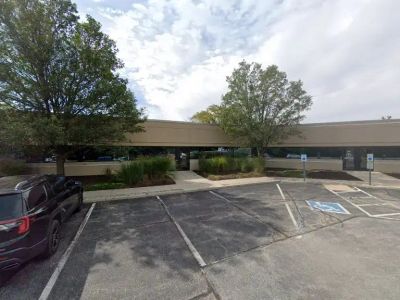
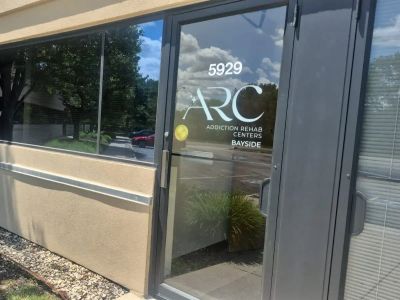

Addiction Rehab Centers - ARC At Bayside | Indianapolis Drug & Alcohol Rehab
Indianapolis, Indiana
5929 Lakeside Blvd, Indianapolis, IN 46278
Get Personalized Rehab Matches in 60 Seconds
Tell us a few details and we’ll show a personalized shortlist of verified Indiana rehabs, making it simple to compare options and choose your next step with confidence.
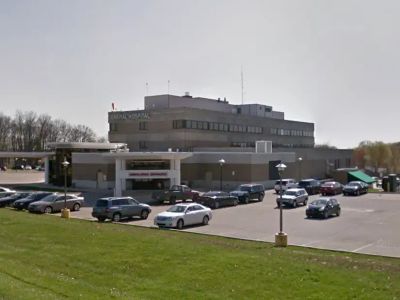
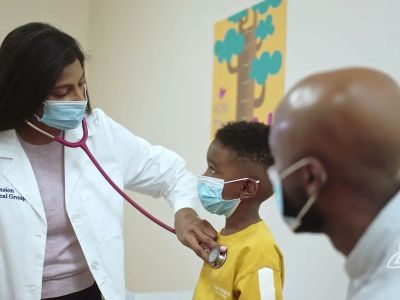
1185 County Rd 1000 W, Linton, IN 47441

Ascension St. Vincent Kokomo - Inpatient Rehabilitation
Kokomo, Indiana
1907 W Sycamore St Second Fl, Kokomo, IN 46901

Aspire Indiana Health – Next Step
Indianapolis, Indiana
2456 N Bolton Ave, Indianapolis, IN 46218
Centerstone - New Castle
New Castle, Indiana
3221 S Memorial Dr, New Castle, IN 47362

Centerstone Recovery Transitional Housing
Columbus, Indiana
1680 Whitney Ct, Columbus, IN 47203
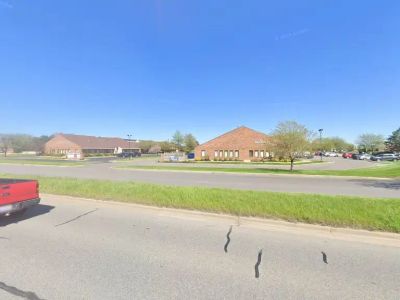
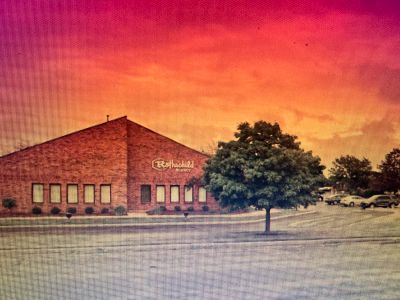
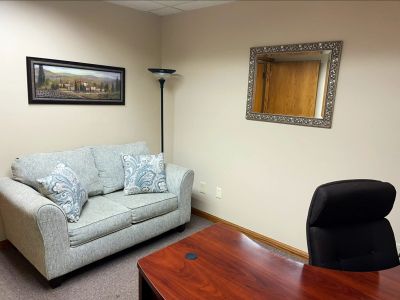
Foundations Counseling Center
Merrillville, Indiana
8973 Broadway, Merrillville, IN 46410

Hamilton Center Inc: Mathew Maleakal S MD
Terre Haute, Indiana
620 8th Ave, Terre Haute, IN 47804

INcompass Healthcare - Pearl Street
Vevay, Indiana
513 Pearl street, Vevay, IN 47043
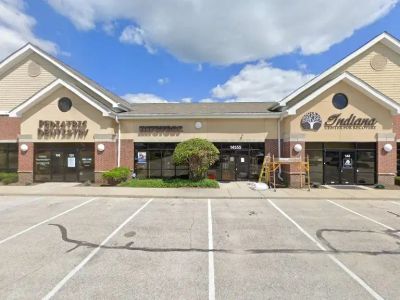

Indiana Center For Recovery - Alcohol & Drug Rehab Center Carmel
Carmel, Indiana
14555 Hazel Dell Pkwy #140, Carmel, IN 46033


JRNY Counseling LP
Carmel, Indiana
708 Adams St suite 209, Carmel, IN 46032
Methodist Hospitals Rehab Center
Merrillville, Indiana
101 E 87th Avenue Pavilion A, Third Floor, Merrillville, IN 46410
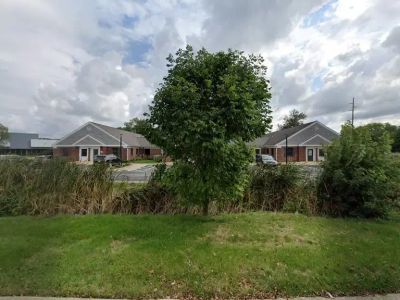
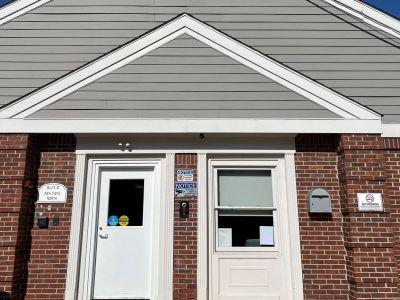
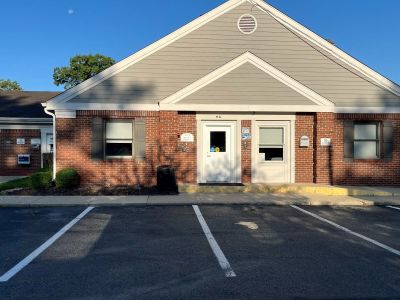
New Vista North
Indianapolis, Indiana
4010 W 86th St suite d, Indianapolis, IN 46268
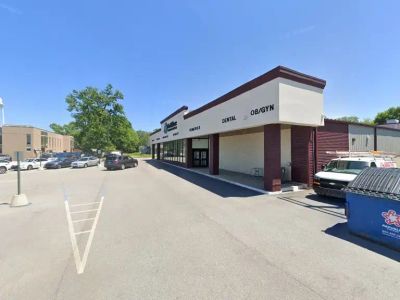
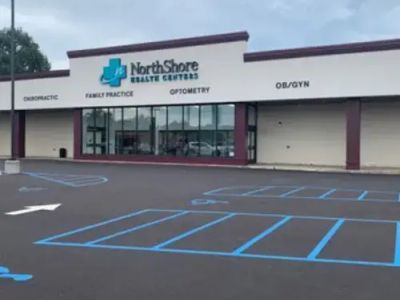
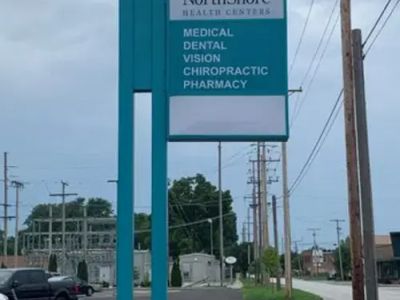
NorthShore Health Frontline Foundations
Chesterton, Indiana
801 Broadway Ave, Chesterton, IN 46304
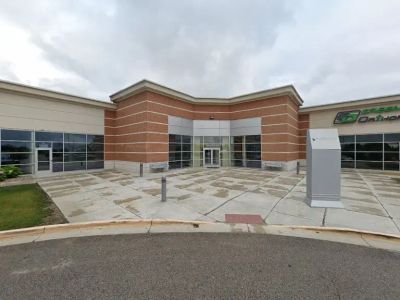
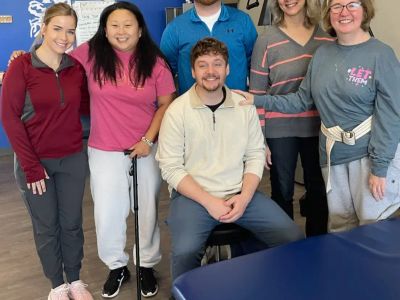
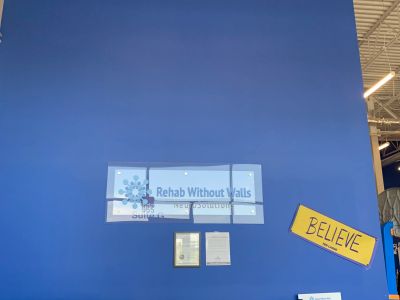
Rehab Without Walls - Indianapolis Neuro Therapy Center
Greenwood, Indiana
965 Emerson Pkwy Unit G, Greenwood, IN 46143
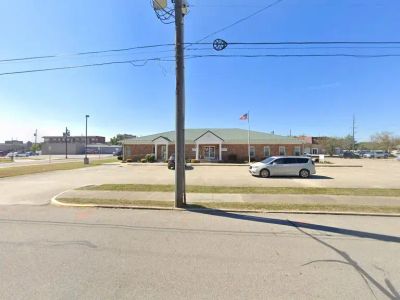
Samaritan Center - Vincennes
Vincennes, Indiana
121 Buntin Street, Vincennes, IN 47591

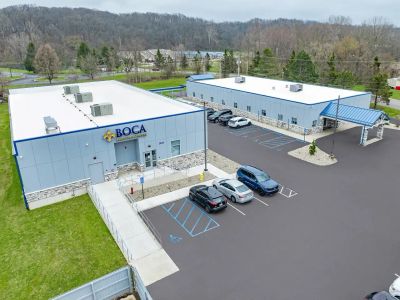
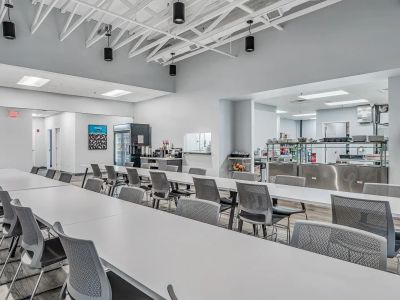
Boca Recovery Center - Fort Wayne, Indiana
Fort Wayne, Indiana
111 W Berry St #211, Fort Wayne, IN 46802
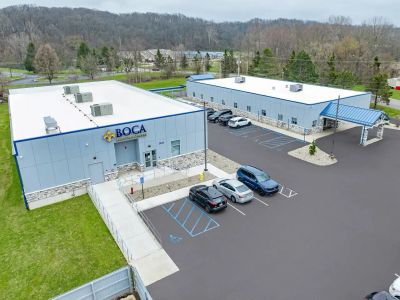

Boca Recovery Center - Indiana Drug and Alcohol Rehab
Huntington, Indiana
3040 W Park Dr, Huntington, IN 46750
Why Trust Indiana Rehabs
As Hoosiers helping Hoosiers, we understand the unique challenges our communities face. Our team meticulously verifies every Indiana treatment center, ensuring you find trusted, local care that truly understands your journey.
About our listingsLevels of Care
Explore popular treatment options by levels of care, from flexible treatment in Outpatient centers to intensive care in Residential rehabs.
Free · 24/7 · Confidential
Talk to a Treatment Specialist
Call now to get matched with Indiana facilities that accept your insurance.
(888) 568-9930
Free
Ins. check
4.9★
Rating
HIPAA
Protected
Can't travel to a facility?
Licensed Indiana therapists via secure video — same-week appointments, evenings & weekends available.
Watching your child struggle is one of the hardest things you’ll ever face as a parent. Whether it’s challenges with their physical growth, emotional well-being, or concerns about substance use, the fear and uncertainty about what to do next can feel all-consuming. You’re not alone in this, even if it sometimes feels that way, there are practical, accessible paths toward support and healing. Understanding the different options for child rehab in Indiana is a crucial first step in helping your family find its way forward.

What services are provided?
When you hear the term “child rehab,” it’s easy to feel overwhelmed. But it simply refers to a wide range of specialized services designed to help children and teens overcome various challenges. Think of it as an umbrella that covers different types of supportive care, each tailored to your child’s unique needs. In Indiana, these services are certified and regulated to ensure quality treatment for every family.[1] The goal is always to provide a safe, healing environment where your child can thrive. Generally, these programs fall into three main categories.
First, there's Physical Medicine & Rehabilitation. This type of care focuses on helping children regain strength, mobility, and function after an injury, illness, or surgery. It also supports those with developmental challenges. The team often includes physical therapists, occupational therapists, and speech-language pathologists who use specialized therapy to improve everything from walking to daily living skills.
Second is Behavioral and Mental Health rehabilitation. This is where children and teens get support for emotional struggles or mental health conditions. Counselors, psychologists, and social workers create a treatment program to help them develop healthy coping skills and improve their overall well-being. It’s a vital part of helping young people build resilience.
Finally, there's Addiction and Substance Use treatment. This type of rehabilitation provides dedicated care for teens struggling with drug or alcohol misuse. It offers a structured and supportive path to recovery, combining therapy and education to address the root causes of addiction. You can learn about the different types of rehab programs for children to find the right fit.
Conditions we help treat
Specialized programs are designed to address a wide variety of conditions. Here are some of the common challenges that child rehab services can help with:
- Physical and Developmental: This includes support for developmental delays, cerebral palsy, sports injuries, and recovery after surgery.
- Mental and Behavioral Health: These services treat conditions like anxiety, depression, trauma, and challenges related to ADHD or autism spectrum disorders.
- Addiction and Substance Use: This focuses on treating alcohol use disorder as well as the misuse of illicit and prescription drugs.

Does My Child Have an Addiction?
Asking this question is a heavy burden for any parent. It’s scary to even consider, but looking for answers is a sign of your love and concern. While only a professional can make a diagnosis, there are warning signs you can look for. Spotting them early can make all the difference. In Indiana, substance use among teens is a serious concern, with many young people needing support for both addiction and other mental health challenges.[2]
Common signs of addiction in teens can include sudden changes in friends, a sharp drop in grades, or losing interest in hobbies they once loved. You might also notice poor hygiene, extreme mood swings, or increased secrecy. It’s important to remember that many adolescents in substance use treatment also have a co-occurring mental illness.[3] This means their struggles with addiction may be intertwined with conditions like depression or anxiety. Beyond substance misuse, other signs that your child may need rehabilitation include missing developmental milestones, having difficulty with motor skills, or withdrawing from family and social activities.
How do I apply for services?
Taking that first step can feel daunting, but the process is more straightforward than you might think. A great place to start is by talking with someone you trust, like your child’s pediatrician, a school counselor, or your family doctor. They can provide initial guidance and refer you to the right resources.
The next step is to find local providers and make a call. During this initial contact, you can schedule an assessment or evaluation for your child. This is not a test, but a conversation to help the professional team understand your child’s needs. Eligibility for any program is determined by this assessment, along with factors like your child’s age and diagnosis. Every facility in Indiana must meet specific state standards to provide care, ensuring your child is in a safe and regulated environment.[4] It's also a good idea to check your insurance coverage early on and ask about payment options. You can find certified providers through the official Indiana treatment provider directory. For more details on the intake process, our guide to admissions can walk you through what to expect.
Taking the First Step for Your Child's Well-Being
Exploring rehabilitation for your child is a courageous act of love. It shows you’re committed to finding a path toward healing and a brighter future for them. Remember, you don't have to have all the answers right now. The most important thing is to understand that help is available and that you’re not alone on this journey. By learning about the different types of support, you've already taken the most critical step. This knowledge empowers you to find the right care that fits your child's unique needs and helps your entire family move forward with hope and confidence.
Finding the right treatment program is about giving your child the tools they need to build a healthy, fulfilling life. The journey starts with a single conversation. If you’re ready to talk about your options, our team is here to listen without judgment and guide you toward the best care available. Call us today at (888) 568-9930 to speak with a specialist. You can also explore more resources at Indiana Rehabs or get in touch through our contact page. We're here to help you and your family find the way forward.
Frequently Asked Questions About Child Rehab in Indiana
What is the difference between inpatient and outpatient rehab for a child?
How long does a typical child rehab program last?
What happens during an assessment for child rehab?
Can a school force my child into a rehab program?
What is the cost of child rehab in Indiana?
Will my insurance cover my child's rehab?
- Indiana Family and Social Services Administration. (2020). About DMHA. State of Indiana. in.gov
- Richard M. Fairbanks School of Public Health. (n.d.). Substance Misuse in Indiana. Indiana University Purdue University Indianapolis. fsph.iupui.edu
- Indiana Criminal Justice Institute. (n.d.). Clark County 2025 Comprehensive Community Plan. State of Indiana. in.gov
- U.S. Department of Health and Human Services. (August, 2021). State Residential Treatment for Behavioral Health Conditions: Indiana. Office of the Assistant Secretary for Planning and Evaluation. aspe.hhs.gov