
Courtyard Amenities in Indiana



Showing 16 of 16 Results (filtered)
Featured Rehab Centers
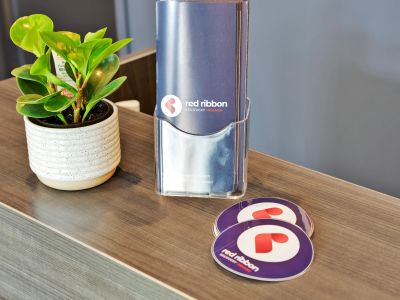
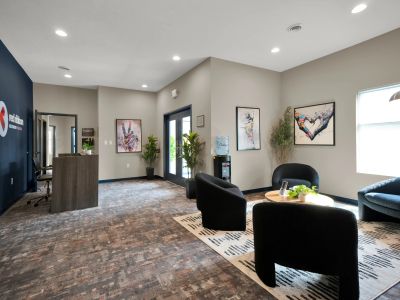
1411 W County Line Rd, Suite 1411A, Greenwood, IN 46142
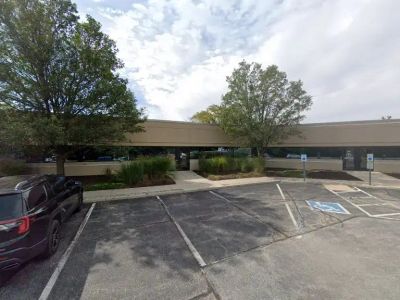
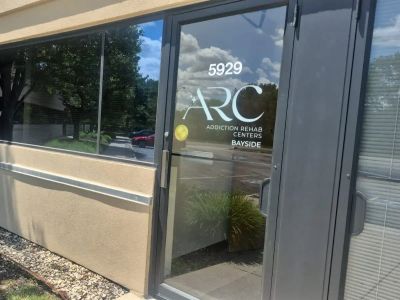
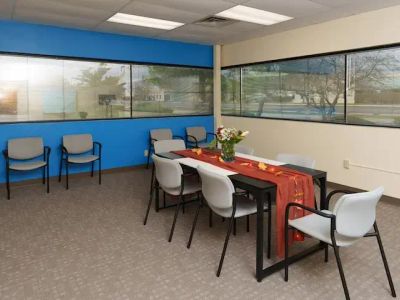
Addiction Rehab Centers - ARC At Bayside | Indianapolis Drug & Alcohol Rehab
Indianapolis, Indiana
5929 Lakeside Blvd, Indianapolis, IN 46278
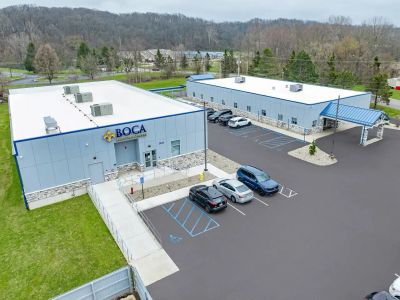

Boca Recovery Center - Indiana Drug and Alcohol Rehab
Huntington, Indiana
3040 W Park Dr, Huntington, IN 46750
Get Personalized Rehab Matches in 60 Seconds
Tell us a few details and we’ll show a personalized shortlist of verified Indiana rehabs, making it simple to compare options and choose your next step with confidence.
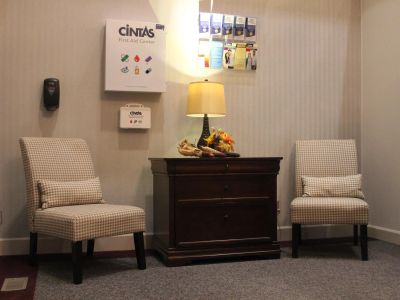
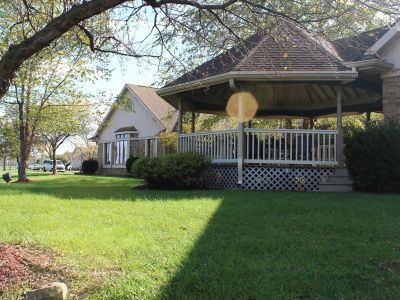

Bridges of Hope Treatment Center
Anderson, Indiana
E 2nd St, Anderson, IN 46016

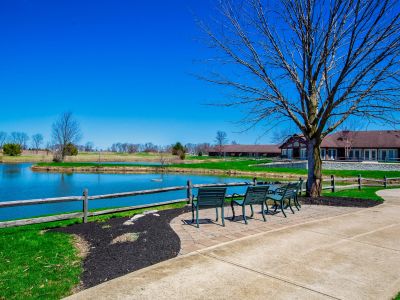
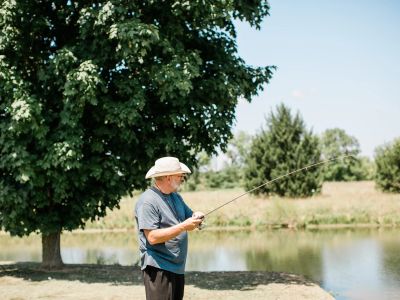
Century Villa Health Care & Rehabilitation
Greentown, Indiana
705 N Meridian St, Greentown, IN 46936

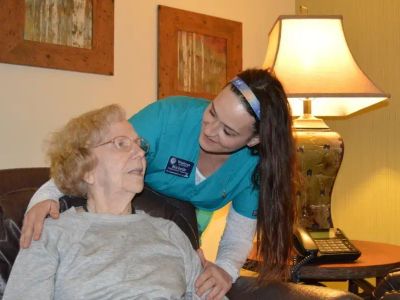
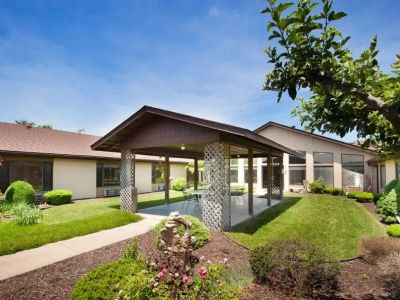
Wesleyan Health and Rehabilitation Center
Marion, Indiana
729 W 35th St, Marion, IN 46953
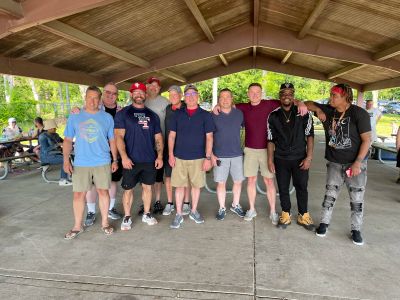
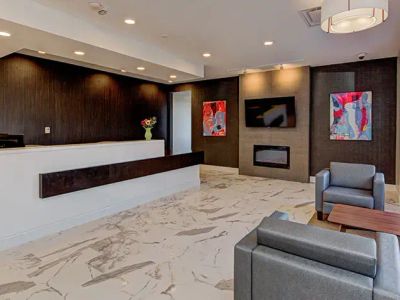

Addiction Rehab Centers - ARC
Indianapolis, Indiana
7322 Noel Road, Indianapolis, IN, 46278
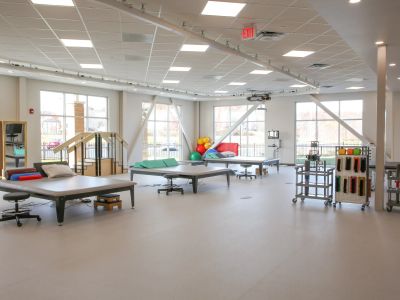
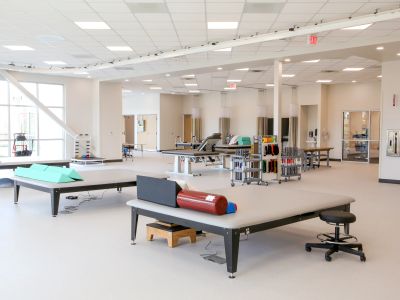
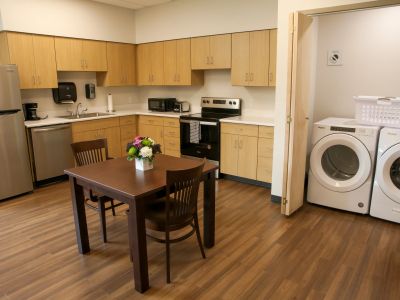
Bloomington Regional Rehabilitation Hospital
Bloomington, Indiana
3050 N Lintel Dr, Bloomington, IN 47404
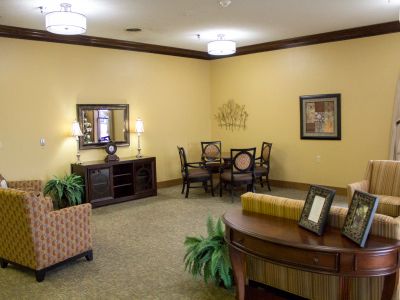
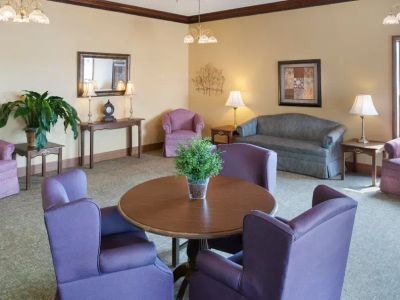
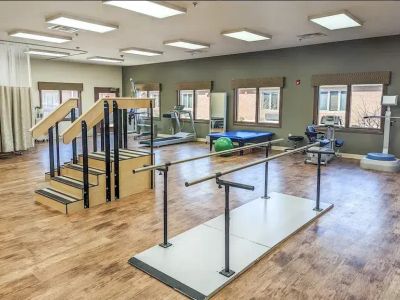
Bethel Pointe Health and Rehabilitation Center
Muncie, Indiana
3400 W Community Dr, Muncie, IN 47304
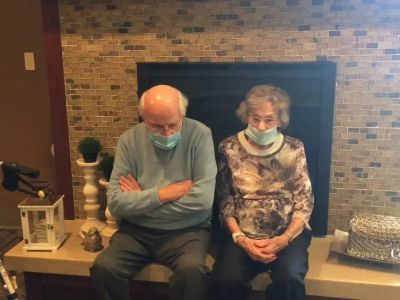
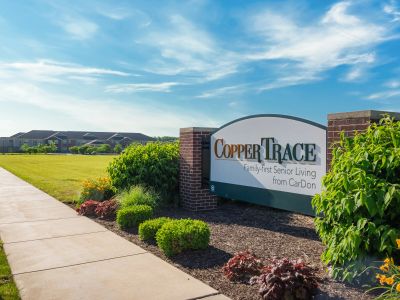
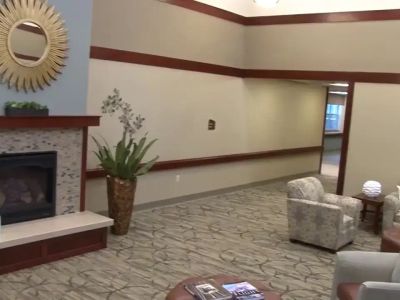
Copper Trace Family-first Senior Living
Westfield, Indiana
1250 W 146th St, Westfield, IN 46074
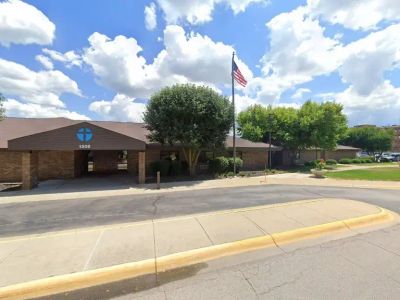
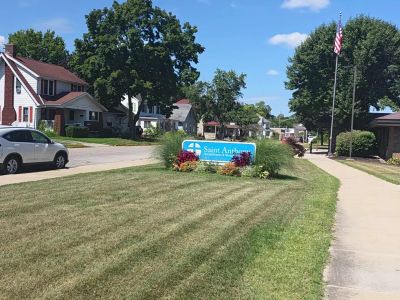
Saint Anthony Rehabilitation & Nursing Center
Lafayette, Indiana
1205 N 14th St, Lafayette, IN 47904
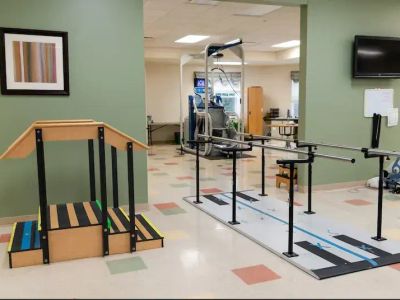
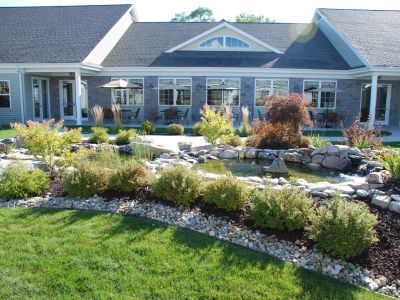
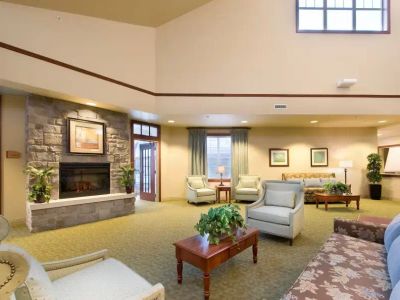
Addison Pointe Health & Rehabilitation Center
Chesterton, Indiana
780 Dickinson Rd, Chesterton, IN 46304
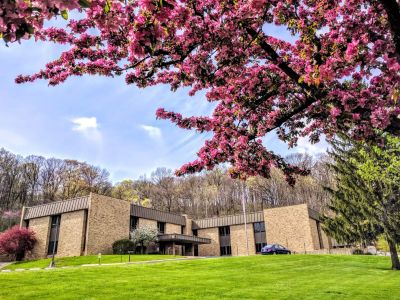

River Bend Hospital
West Lafayette, Indiana
2900 N River Rd, West Lafayette, IN 47906

Pinnacle Treatment Centers - 2209 John R Wooden Drive
Martinsville, Indiana
2209 John R Wooden Drive, 3rd Floor Martinsville, IN 46151
Pinnacle Treatment Centers - 581 E. Main Street
Hagerstown, Indiana
581 E. Main Street Hagerstown, IN 47346
Why Trust Indiana Rehabs
As Hoosiers helping Hoosiers, we understand the unique challenges our communities face. Our team meticulously verifies every Indiana treatment center, ensuring you find trusted, local care that truly understands your journey.
About our listingsLevels of Care
Explore popular treatment options by levels of care, from flexible treatment in Outpatient centers to intensive care in Residential rehabs.
Free · 24/7 · Confidential
Talk to a Treatment Specialist
Call now to get matched with Indiana facilities that accept your insurance.
(888) 568-9930
Free
Ins. check
4.9★
Rating
HIPAA
Protected
Can't travel to a facility?
Licensed Indiana therapists via secure video — same-week appointments, evenings & weekends available.
Picture this: you step into a quiet courtyard, sunlight warming your skin as you breathe in the fresh air and listen to the gentle rustle of leaves overhead. This isn’t just a peaceful escape, it’s a place to pause, reflect, and let your body and mind exhale amid the work of recovery. A thoughtfully designed courtyard in an Indiana rehab isn’t a luxury; it’s a vital part of healing that can help you find calm, gather your strength, and truly connect with your path forward.
Compassionate Care

True compassionate care goes beyond just medical treatment; it extends to the very environment where healing happens. A tranquil rehab courtyard provides a safe and peaceful space for residents to find comfort and reflect. Dealing with the stress and anxiety that often comes with early recovery is a challenge, but having a calm place to retreat to can make a world of difference for a patient's well-being. This kind of thoughtful environment shows that a facility cares about every part of your journey.[1] It also creates a welcoming atmosphere for family visits, allowing you to connect with loved ones in a relaxed setting that feels less clinical and more like home. A safe and supportive housing environment is a key part of residential treatment programs.[2]
How We Can Help
We're here to help you find a facility that actively supports your recovery with amenities that matter, like a rehab courtyard. These spaces are much more than just pretty scenery; they are functional, therapeutic environments integrated into your treatment. The rehab team, including skilled therapists, often uses these outdoor areas to enhance different types of therapy, moving beyond traditional indoor sessions. Many rehab facilities in Indiana are required to provide safe and effective environments to maintain their licenses.[3] This commitment to quality of care ensures you have a supportive setting for your rehabilitation journey.[4]

Personalized Treatment Plans
Access to a courtyard can be woven directly into your personalized treatment plan. Your care team might schedule private time for you to journal outdoors, guide you through walking meditation exercises, or engage you in hands-on activities. For some patients, this might even include horticultural therapy, where gardening becomes a tool for growth and mindfulness. These activities are designed to help you meet your recovery goals in a way that feels natural and healing.
In-House Therapy
In-house therapy isn’t always confined to four walls and an office. Therapists on the rehab team often use the courtyard for individual therapy sessions. The simple act of being in fresh air and a natural setting can help patients feel more at ease. This relaxed state can lead to more open and honest conversations, making the therapy itself more effective. The compassionate staff understands that a comfortable environment can be just as important as the clinical conversation.
Our Vision Your Success
Our vision is simple: your success. We believe that a healing environment is a critical part of achieving lasting recovery.[5] A rehab courtyard isn't just an amenity; it’s a space that offers real benefits for your emotional and mental well-being during the hard work of treatment. Choosing the right facility in Indiana with the right features is a powerful, proactive step you can take toward building a new life. Your location shouldn't be a barrier to finding high-quality care that fits your needs.[6] We're here to help you find a place where you feel safe, supported, and ready to thrive.
Finding a treatment center with a peaceful rehab courtyard can provide the comfort and space needed to focus on your healing. It’s about ensuring the quality of care extends to every part of your experience. When you're ready to take the next step, our team at Indiana Rehabs is here to help you find the right facility. You can call us anytime at (888) 568-9930 or visit our contact page to connect with someone who can guide you. You don’t have to do this alone.
Frequently Asked Questions About Addiction Treatment in Indiana
Are there different levels of care in addiction treatment?
How do I know which level of care is right for me?
What is the main goal of a treatment program?
What kinds of therapy are used in addiction treatment?
- O'Donoghue, A. J. et al. (July, 2020). Tracking the quality of addiction treatment over time. National Institute on Drug Abuse. ncbi.nlm.nih.gov
- Wayne State University, Center for Behavioral Health and Justice. (April, 2019). Evidence Based Treatment for Justice-Involved Populations in Allen County. Wayne State University. behaviorhealthjustice.wayne.edu
- U.S. Department of Health and Human Services. (August, 2021). State Residential Treatment for Behavioral Health for Indiana. Office of the Assistant Secretary for Planning and Evaluation. aspe.hhs.gov
- Indiana Family and Social Services Administration. (July, 2020). Certification and Licensure Rules and Indiana Code. Indiana Family and Social Services Administration. in.gov
- Substance Abuse and Mental Health Services Administration. (October, 2021). National Survey of Substance Abuse Treatment Services (N-SSATS): 2020. Substance Abuse and Mental Health Services Administration. samhsa.gov
- Cantor, J. et al. (March, 2024). Rural–urban differences in out-of-network treatment initiation and engagement for substance use disorders. The Journal of Rural Health. pmc.ncbi.nlm.nih.gov