
Horticultural Therapy Therapy in Indiana



Showing 6 of 6 Results (filtered)
Featured Rehab Centers
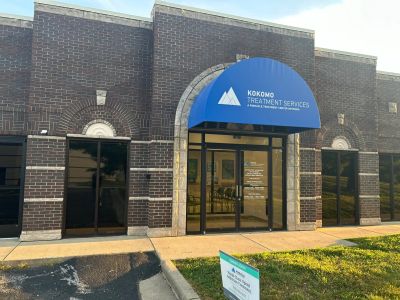
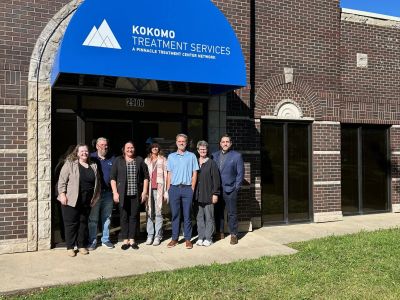
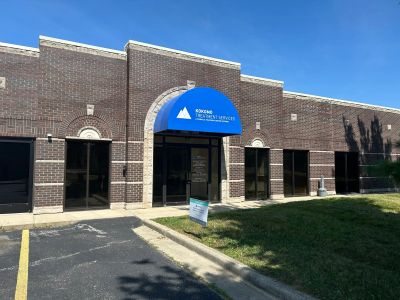
Pinnacle Treatment Centers - Kokomo
Kokomo, Indiana
2906 S. Reed Rd. Kokomo, IN 46902
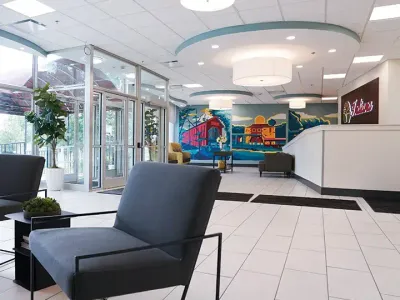
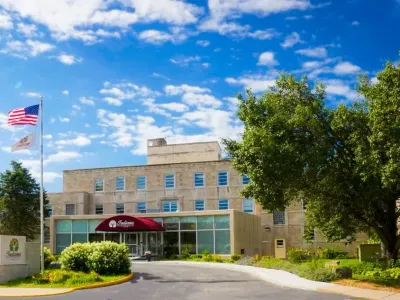

Indiana Center for Recovery - Alcohol & Drug Rehab Center Bedford
Bedford, Indiana
1600 23rd St, Bedford, IN 47421
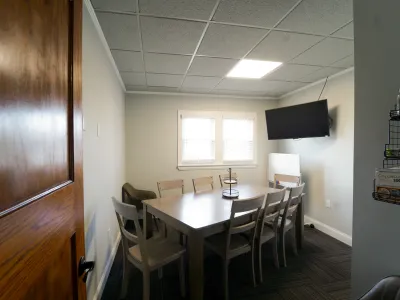

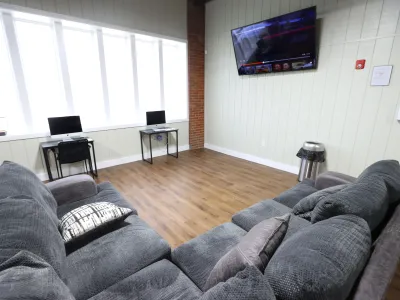
First City Recovery Center
Kokomo, Indiana
317 W Jefferson St, Kokomo, IN, 46901
Get Personalized Rehab Matches in 60 Seconds
Tell us a few details and we’ll show a personalized shortlist of verified Indiana rehabs, making it simple to compare options and choose your next step with confidence.

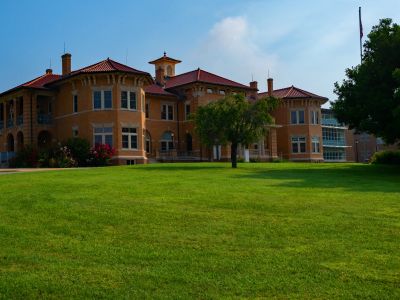

Madison State Hospital
Madison, Indiana
711 Green Road, Madison, IN, 47250
Wellstone Regional Hospital
Jeffersonville, Indiana
2700 Vissing Park Road, Jeffersonville, IN 47130
Southwestern Behavioral Healthcare - Faren E. Levell Center
Evansville, Indiana
410 Mulberry St. Evansville, IN 47713
Why Trust Indiana Rehabs
As Hoosiers helping Hoosiers, we understand the unique challenges our communities face. Our team meticulously verifies every Indiana treatment center, ensuring you find trusted, local care that truly understands your journey.
About our listingsLevels of Care
Explore popular treatment options by levels of care, from flexible treatment in Outpatient centers to intensive care in Residential rehabs.
Free · 24/7 · Confidential
Talk to a Treatment Specialist
Call now to get matched with Indiana facilities that accept your insurance.
(888) 568-9930
Free
Ins. check
4.9★
Rating
HIPAA
Protected
Can't travel to a facility?
Licensed Indiana therapists via secure video — same-week appointments, evenings & weekends available.
Have you ever noticed how tending to a garden, or even just being around plants, can calm your mind and slow your breath? There’s something grounding about feeling cool soil beneath your fingers, watching tiny green shoots reach for the sun, and hearing the gentle rustle of leaves in the breeze. That sense of peace isn’t just a pleasant side effect, it’s at the heart of horticultural therapy, an approach that turns our natural connection with the earth into a real source of healing and recovery. With the right guidance, nature itself can become a partner in your well-being.
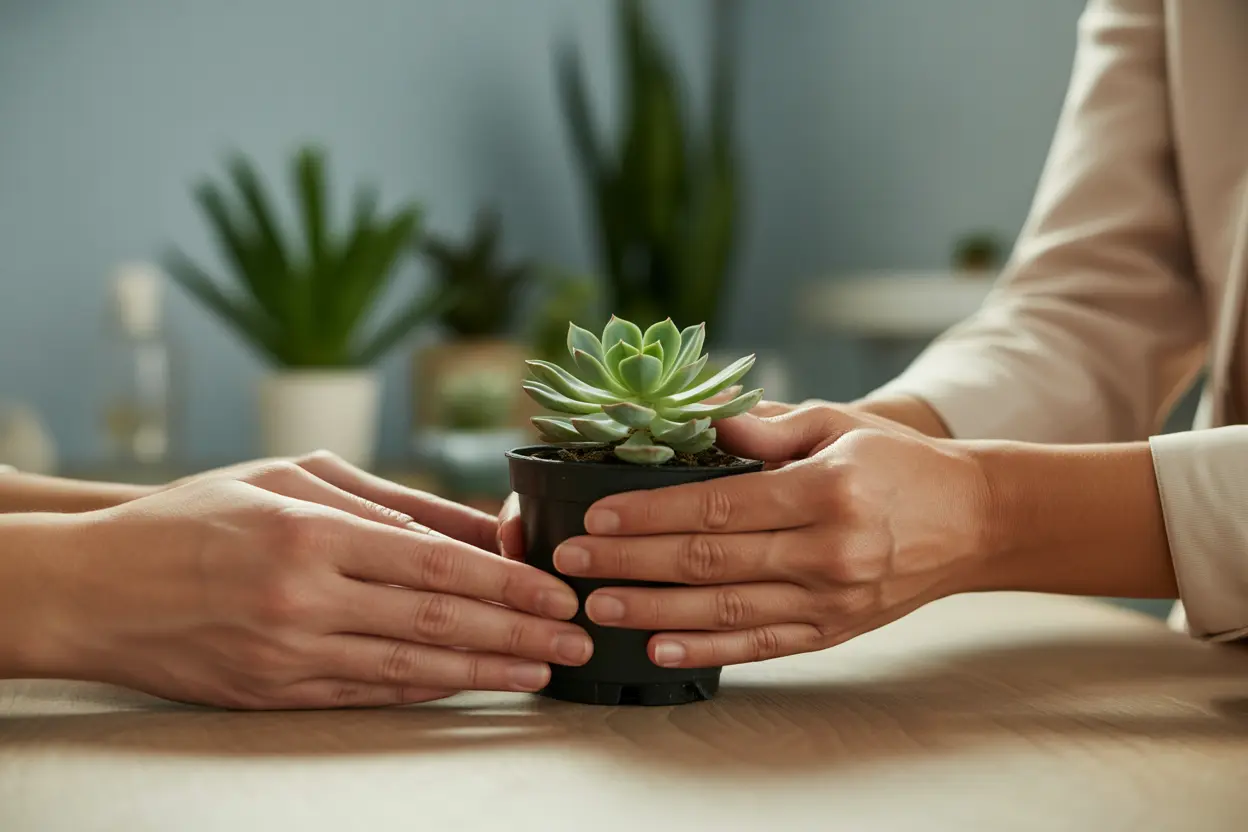
What is Horticultural Therapy?
horticultural therapy is a professionally guided treatment program that uses plants and gardening to help people improve their well-being. It’s a recognized practice used to support patients with a wide range of needs, including those working through substance use disorders[1]. This form of horticultural therapy uses goal-oriented horticulture activities to foster healing and develop new skills. Under the care of a trained therapist, this approach has become a valuable part of modern treatment for many people[2].
Studies of the use of green spaces in mental healthcare
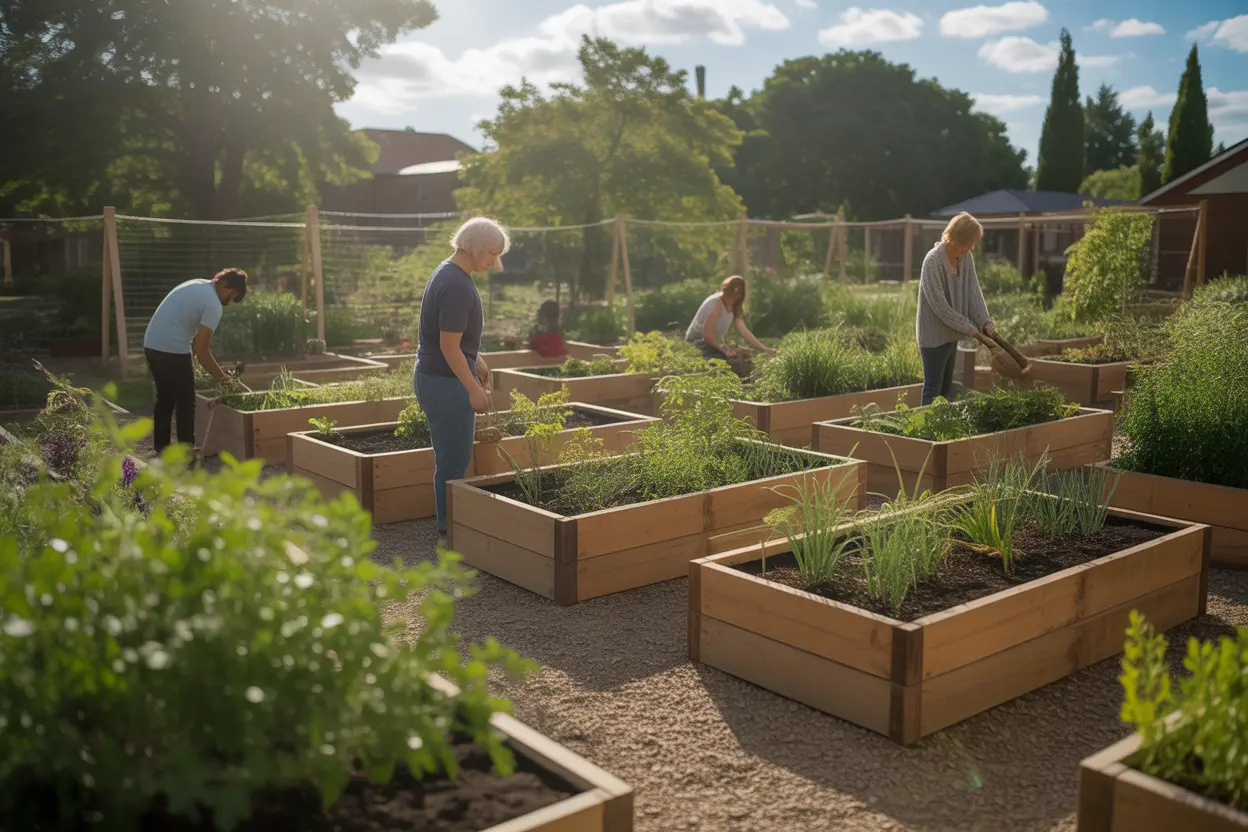
Engaging with green spaces has proven benefits for mental healthcare, helping to reduce stress and improve overall well-being. Studies show that patients involved in these programs report significant improvements in mood and a reduction in anxiety. These positive outcomes are a key reason why nature-based approaches are part of a comprehensive recovery plan for behavioral health in Indiana[3]. Beyond emotional benefits, this activity can enhance mobility, sharpen cognitive skills, and promote mindfulness, making it a valuable part of many holistic treatment programs.
Horticultural Therapy for Adults
In a typical session, adults engage in structured, hands-on activities tailored to their treatment goals. A therapist guides the program, ensuring each activity serves a purpose, whether it’s building confidence, improving motor skills, or encouraging social connection. Common activities include:
- Planting seeds or seedlings in a garden bed or pot
- Watering, weeding, and caring for plants
- Pruning and trimming to encourage healthy growth
- Harvesting vegetables, fruits, or flowers
- Sensory exercises, like touching different leaves or smelling herbs
These tasks are designed to develop practical life skills and improve focus. A qualified therapist, often credentialed by the American horticultural therapy Association (AHTA), ensures the program follows established professional standards for adults in recovery[4].
Requirements
When looking for a horticultural therapy program, it’s important to find one led by a credentialed professional. Look for therapists with a certificate from a recognized organization like the AHTA. This therapy is offered in various settings, including inpatient rehabs, outpatient centers, and community gardens, and is often integrated into licensed care facilities in Indiana[5][6]. You can use our directory to find Indiana facilities that offer horticultural therapy and ask about their staff's qualifications to ensure you receive high-quality care.
Start Your Healing Journey With Nature
horticultural therapy offers a gentle yet powerful path to healing by tapping into our natural connection with the earth. This evidence-based program helps build practical skills, reduce stress, and restore a sense of purpose and well-being. It’s a supportive activity that complements your overall addiction treatment care, providing a peaceful space for personal growth and lasting recovery.
If you feel that connecting with nature could be a meaningful part of your healing, you don’t have to figure it out alone. This unique therapy can help you cultivate new skills, find calm, and grow stronger in your recovery. To learn more about programs available to you, call us at (888) 568-9930. At Indiana Rehabs, we’re here to help you find the right path forward. You can also contact us online whenever you're ready. Reaching out is the first step toward planting the seeds for a brighter future.
Frequently Asked Questions About Horticultural Therapy in Indiana
Who can benefit from horticultural therapy?
Is horticultural therapy like gardening?
Does insurance cover horticultural therapy in Indiana?
Do you need to be a good gardener to do horticultural therapy?
What is the American Horticultural Therapy Association (AHTA)?
- (12-09-2022). horticultural therapy Program for Individuals with Substance Use Disorders. Claremont McKenna College. scholarship.claremont.edu
- (08-01-2021). Current State of the horticultural therapy Profession in the United States. HortTechnology. journals.ashs.org
- Indiana Behavioral Health Commission. (n.d.). Indiana Behavioral Health Commission Report. Indiana Family and Social Services Administration. in.gov
- (2019). Journal of Therapeutic Horticulture 29.1. American horticultural therapy Association. ahta.org
- (07-14-2020). Certification and Licensure Rules and Indiana Code. Indiana Family and Social Services Administration. in.gov
- (06-16-2021). Providers: Medicaid Rehabilitation Option (MRO). Indiana Health Coverage Programs. in.gov