
Private Bathrooms Amenities in Indiana



Showing 20 of 20 Results (filtered)
Featured Rehab Centers
1411 W County Line Rd, Suite 1411A, Greenwood, IN 46142

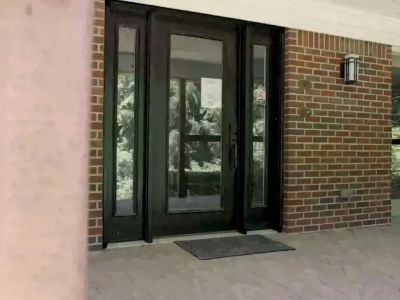
Addiction Rehab Centers - ARC at Fox Hill | Drug & Alcohol Rehab - Mooresville Indiana
Mooresville, Indiana
12168 N Mann Rd, Mooresville, IN 46158
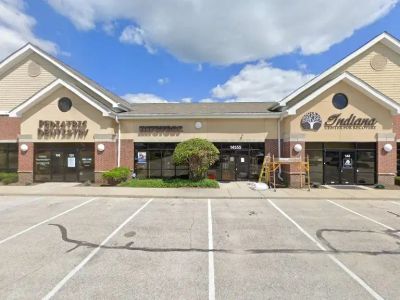

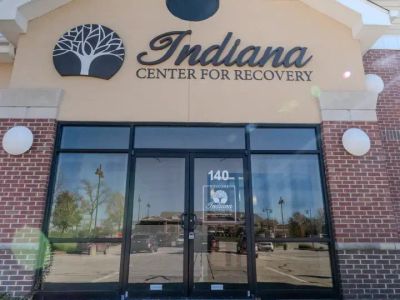
Indiana Center For Recovery - Alcohol & Drug Rehab Center Carmel
Carmel, Indiana
14555 Hazel Dell Pkwy #140, Carmel, IN 46033
Get Personalized Rehab Matches in 60 Seconds
Tell us a few details and we’ll show a personalized shortlist of verified Indiana rehabs, making it simple to compare options and choose your next step with confidence.
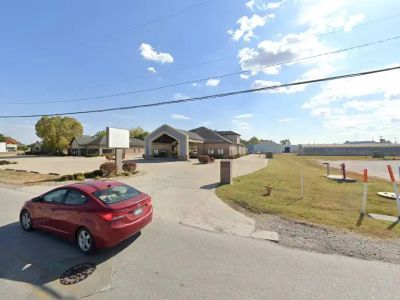
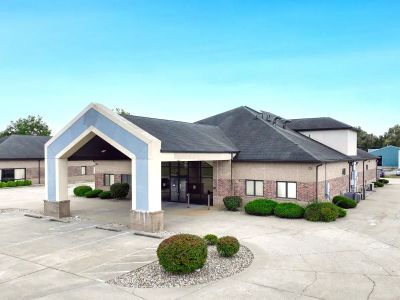
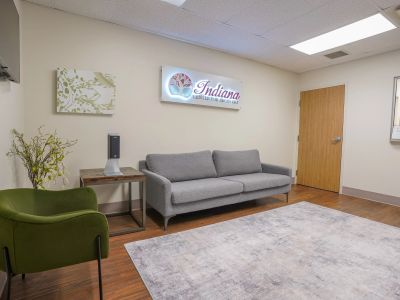
Indiana Center For Recovery- Alcohol & Drug Rehab Terre Haute
Terre Haute, Indiana
135 E Hospital Ln, Terre Haute, IN 47802

Rehab Without Walls - Indianapolis Neuro Therapy Center
Greenwood, Indiana
965 Emerson Pkwy Unit G, Greenwood, IN 46143

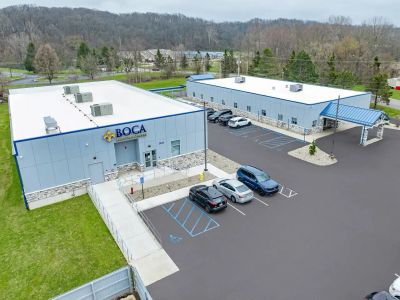

Boca Recovery Center - Indiana Drug and Alcohol Rehab
Huntington, Indiana
3040 W Park Dr, Huntington, IN 46750
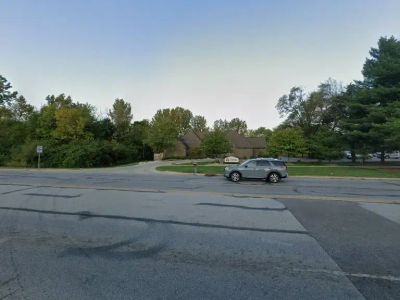
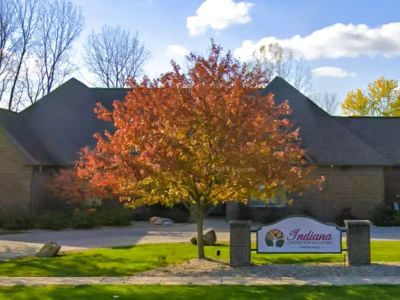
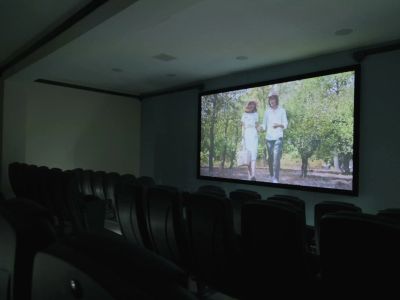
Indiana Center for Recovery - Alcohol & Drug Rehab Center Indianapolis
Indianapolis, Indiana
5510 S Emerson Ave, Indianapolis, IN 46237


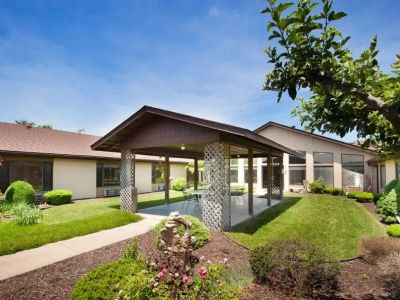
Wesleyan Health and Rehabilitation Center
Marion, Indiana
729 W 35th St, Marion, IN 46953
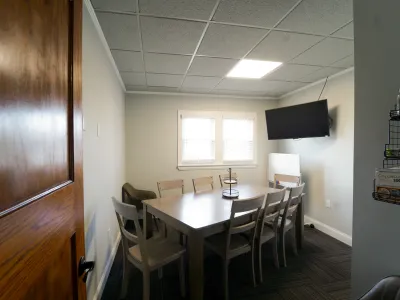
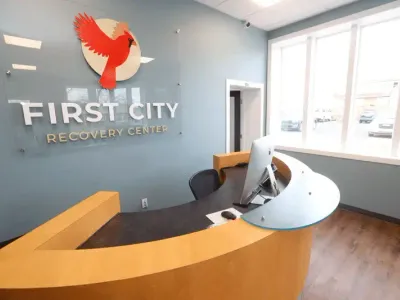
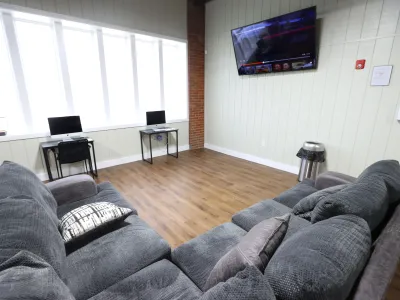
First City Recovery Center
Kokomo, Indiana
317 W Jefferson St, Kokomo, IN, 46901
215 W 4th St, Mishawaka, IN 46544


Addiction Rehab Centers - ARC
Indianapolis, Indiana
7322 Noel Road, Indianapolis, IN, 46278


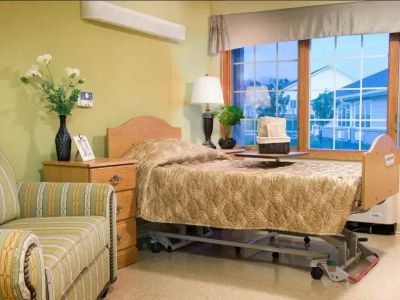
Ashton Creek Health and Rehabilitation Center
Fort Wayne, Indiana
4111 Park Place Drive, Fort Wayne, IN 46845
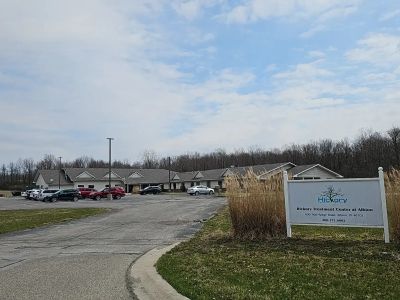
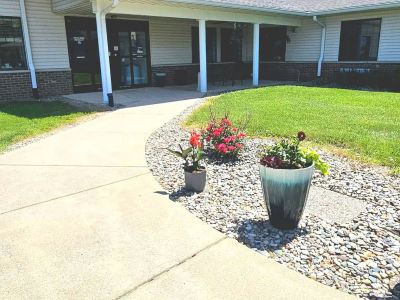
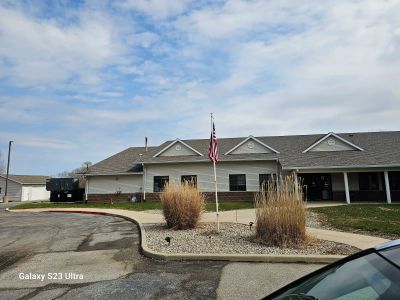
Hickory Treatment Center at Albion
Albion, Indiana
600 Trail Ridge Rd, Albion, IN 46701

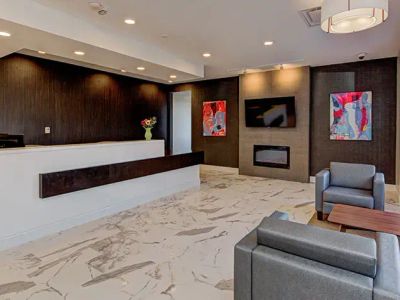

Recovery Centers of America at Indianapolis
Indianapolis, Indiana
8530 Township Line Rd, Indianapolis, IN 46260
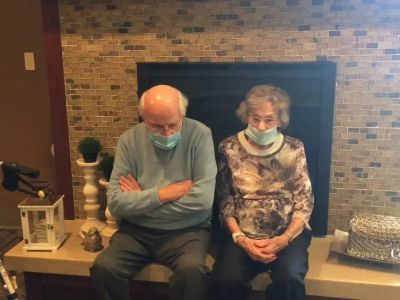
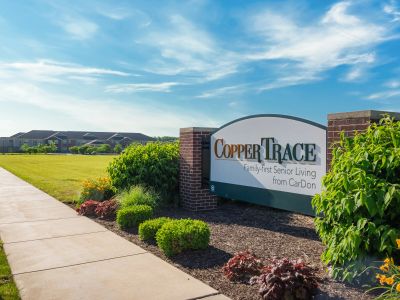
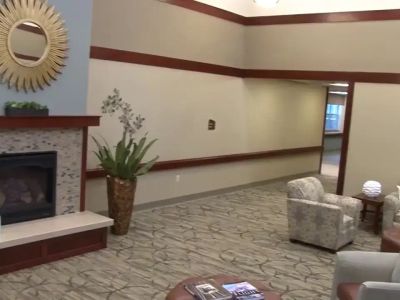
Copper Trace Family-first Senior Living
Westfield, Indiana
1250 W 146th St, Westfield, IN 46074
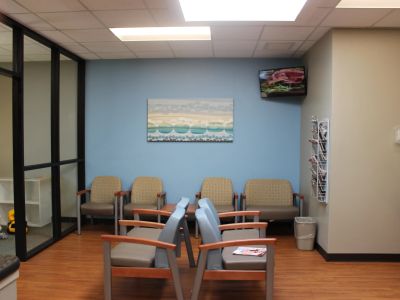

Southwestern Behavioral Healthcare - Dennis N. Moran Center
Evansville, Indiana
60 South stockwell Road, Evansville, IN, 47714
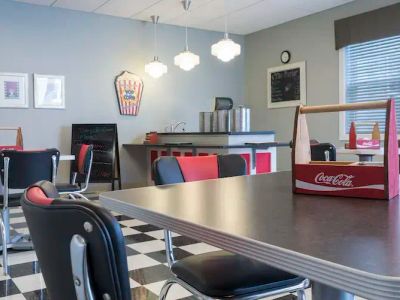
Grey Stone Health & Rehabilitation Center
Fort Wayne, Indiana
10445 Dupont Oaks Blvd, Fort Wayne, IN 46845
Oxford House - Naz
Lawrenceburg, Indiana
201 4th Street, Lawrenceburg, IN 47025
Pinnacle Treatment Centers - 2209 John R Wooden Drive
Martinsville, Indiana
2209 John R Wooden Drive, 3rd Floor Martinsville, IN 46151
Pinnacle Treatment Centers - 581 E. Main Street
Hagerstown, Indiana
581 E. Main Street Hagerstown, IN 47346
Why Trust Indiana Rehabs
As Hoosiers helping Hoosiers, we understand the unique challenges our communities face. Our team meticulously verifies every Indiana treatment center, ensuring you find trusted, local care that truly understands your journey.
About our listingsLevels of Care
Explore popular treatment options by levels of care, from flexible treatment in Outpatient centers to intensive care in Residential rehabs.
Free · 24/7 · Confidential
Talk to a Treatment Specialist
Call now to get matched with Indiana facilities that accept your insurance.
(888) 568-9930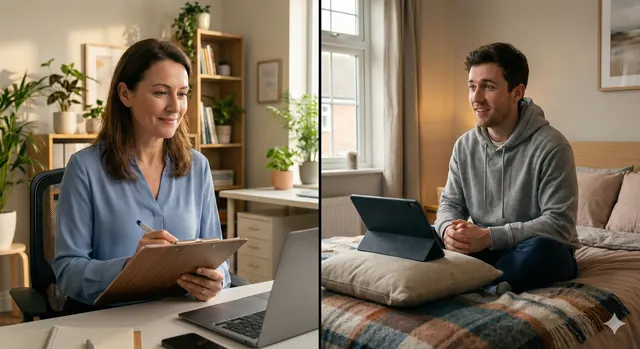
Free
Ins. check
4.9★
Rating
HIPAA
Protected
Can't travel to a facility?
Licensed Indiana therapists via secure video — same-week appointments, evenings & weekends available.
When you’re focusing on recovery, the last thing you should have to worry about is privacy. In those vulnerable moments, something as simple as having your own bathroom can mean the difference between feeling exposed and truly at ease. For many, personal space isn’t a luxury, it’s a key part of being able to rest, recharge, and heal. Finding an Indiana rehab that honors this need for comfort is absolutely possible, and you deserve to know how to find a place that feels just right for you.

Benefits of Rehab Centers with Private Rooms
While the main goal of addiction treatment is always high-quality clinical care, your environment plays a huge role in the healing process. Having amenities like a private bathroom offers more than just comfort; it provides a sense of dignity and security. This privacy ensures you have the personal space needed to process your thoughts and emotions without distractions[1]. A quiet, personal area can lower stress and help you focus better during therapy and self-reflection, making your recovery journey a more positive and effective experience.
Who Is Looking for a Private Room?
The need for privacy during treatment is a valid and important consideration for many individuals. Certain clients find that a private room and bathroom are essential for them to fully engage with their recovery program and feel safe[2]. This isn't about luxury; it's about creating an environment that supports healing. People who often seek out these amenities include:
- Executives or Public Figures: For professionals and others in the public eye, confidentiality is critical. A private space helps ensure their privacy is protected throughout their stay.
- Individuals with a Trauma History: For those who have experienced trauma, sharing close quarters can be triggering. A private room can be a sanctuary, providing a necessary sense of safety.
- Clients with Social Anxiety: People managing social anxiety may find the constant presence of others overwhelming, making it harder to focus on their own treatment.
- Those with Sensory Sensitivities: Some individuals are highly sensitive to noise or other stimuli. A private room offers a quiet, controlled environment conducive to healing.
Cost of Rehabs with Private Rooms
It’s important to be transparent about the costs associated with private amenities. Treatment centers offering private bathrooms generally have higher rates than those with shared accommodations. While some insurance plans might cover a private room if it's deemed a medical necessity, this amenity is often an out-of-pocket expense. Fortunately, facilities provide various payment options. You can use private pay, explore financing plans, or sometimes use funds from a Health Savings Account (HSA). Public plans like Medicaid typically cover the core aspects of addiction treatment but not private upgrades[3][4]. To understand your options, including Indiana Medicaid insurance options, it's best to speak directly with the admissions counselors at the treatment centers you're considering.

A Personalized Path to Recovery
Choosing a rehab is a deeply personal decision, and finding a treatment environment where you feel safe and respected is a crucial part of your recovery journey. Honoring your need for privacy with amenities like your own bathroom is a valid step in creating a personalized care plan that works for you[5]. You deserve to find a supportive space where you can focus entirely on healing. There are many treatment centers in Indiana ready to provide this level of care. To get started, you can use national resources to find a treatment facility near you. When you're ready, the next step is to explore your options and find the right fit for your unique needs.

Your comfort and well-being are essential to a successful recovery. Finding a program that respects your need for personal space allows you to build a strong foundation for lasting healing. Our team at Indiana Rehabs is here to help you find a treatment center that feels right. You can start by taking the confidential step to verify your insurance online or by calling us directly at (888) 568-9930 to speak with a caring admissions specialist. Reaching out is the first step toward finding your personalized path to recovery.
Frequently Asked Questions About Indiana Rehabs with Private Bathrooms
Are there rehabs in Indiana that offer private rooms and bathrooms?
Is a private room better for recovery?
Can I find a luxury rehab in Indiana?
How do I find a rehab with private accommodations in Indiana?
What other amenities are common in Indiana rehabs?
- Indiana Family and Social Services Administration, Division of Mental Health and Addiction. (n.d.). 440 IAC 7.5: Residential living facilities for individuals with psychiatric disorders or addictions. Indiana Family and Social Services Administration. in.gov
- U.S. Department of Health & Human Services. (August, 2021). State licensure of residential treatment for behavioral health: Indiana. ASPE. aspe.hhs.gov
- Indiana Family and Social Services Administration. (09-15-2025). Substance Use Disorder (SUD)/Serious Mental Illness (SMI) treatment. Indiana Medicaid. in.gov
- Centers for Medicare & CMS Services. (10-19-2023). Healthy Indiana Plan (HIP) SUD summative evaluation report. Medicaid.gov. medicaid.gov
- Substance Abuse and Mental Health Services Administration. (02-02-2024). Substance use disorders - statutes, regulations, and guidelines. SAMHSA. samhsa.gov