
Acute Stress Disorder Treatment in Indiana



Showing 7 of 7 Results (filtered)
Featured Rehab Centers



Boca Recovery Center - Indiana Drug and Alcohol Rehab
Huntington, Indiana
3040 W Park Dr, Huntington, IN 46750



Indiana Center for Recovery - Alcohol & Drug Rehab Center Bedford
Bedford, Indiana
1600 23rd St, Bedford, IN 47421



First City Recovery Center
Kokomo, Indiana
317 W Jefferson St, Kokomo, IN, 46901
Get Personalized Rehab Matches in 60 Seconds
Tell us a few details and we’ll show a personalized shortlist of verified Indiana rehabs, making it simple to compare options and choose your next step with confidence.


Marion VAMC - Evansville Health Care Center
Evansville, Indiana
6211 East Waterford Boulevard, Evansville, IN, 47715

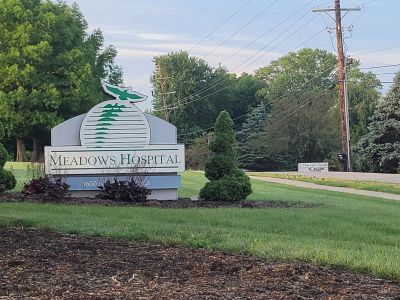
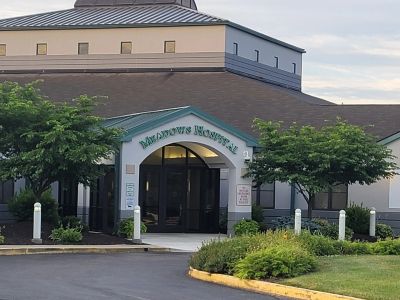
Bloomington Meadows Hospital
Bloomington, Indiana
3600 North Prow Road, Bloomington, IN 47404
Pinnacle Treatment Centers - 2209 John R Wooden Drive
Martinsville, Indiana
2209 John R Wooden Drive, 3rd Floor Martinsville, IN 46151
Centerstone – Pierson House
Richmond, Indiana
76 S 14th St, Richmond, IN 47374
Why Trust Indiana Rehabs
As Hoosiers helping Hoosiers, we understand the unique challenges our communities face. Our team meticulously verifies every Indiana treatment center, ensuring you find trusted, local care that truly understands your journey.
About our listingsLevels of Care
Explore popular treatment options by levels of care, from flexible treatment in Outpatient centers to intensive care in Residential rehabs.
Free · 24/7 · Confidential
Talk to a Treatment Specialist
Call now to get matched with Indiana facilities that accept your insurance.
(888) 568-9930
Free
Ins. check
4.9★
Rating
HIPAA
Protected
Can't travel to a facility?
Licensed Indiana therapists via secure video — same-week appointments, evenings & weekends available.
When the world suddenly feels muted and time seems to slow after a traumatic event, it can leave you feeling as if you’re trapped in that moment, unsteady, disconnected, unsure when things will feel normal again. If your mind keeps replaying what happened or your body feels stuck in a state of alarm, you’re not overreacting; this has a name. It’s called acute stress disorder, and recognizing what you’re experiencing is the start of finding real, compassionate support to help you move forward, step by gentle step.

What is acute stress disorder?
Acute stress disorder, or ASD, is a short-term mental health condition that can happen in the days and weeks right after a traumatic event. It’s your mind and body’s way of trying to process something overwhelming, like a serious accident, a natural disaster, a physical assault, or combat exposure. Think of it as a natural alarm system that’s still ringing long after the danger has passed. It's not a sign of weakness; it's a completely human response to an abnormal situation.
This experience is more common than you might think. Research shows that acute stress disorder affects between 14% and 33% of people who go through a severe trauma[1]. The symptoms of this disorder typically show up within the first month after the event. Understanding that what you're feeling has a name is the first step toward getting the right support. Here in Indiana, our goal is to connect you with local resources that can help you navigate this difficult time and find your footing again. Exploring the full spectrum of trauma disorders can also provide a broader context for your experience.
What's the difference between acute stress disorder and PTSD?
It’s easy to confuse acute stress disorder with posttraumatic stress disorder (PTSD), but the main difference comes down to timing. ASD is diagnosed when symptoms appear and last for a period of three days to one month after the traumatic event. If those same symptoms continue for longer than a month, a mental health professional may make a diagnosis of posttraumatic stress disorder.
You can think of it like this: ASD is the immediate, intense response your body has to trauma, like the initial shockwave. PTSD is when those aftershocks continue for a longer period, becoming a more persistent condition. While not everyone who has ASD will develop PTSD, it is a significant risk factor. Getting help early can make all the difference in managing the initial symptoms and preventing them from becoming a long-term struggle.
What's the difference between adjustment disorder and acute stress disorder?
Another condition that can be confused with ASD is adjustment disorder. The key difference here is the nature of the event that triggers it. Acute stress disorder is directly linked to a severe, often life-threatening trauma. In contrast, an adjustment disorder is a response to a significant life change or stressor that isn't necessarily life-threatening, like a divorce, losing a job, or a serious illness.
While both can cause distress, the symptoms of ASD are typically more severe and specific. For example, ASD often includes dissociative symptoms, where you might feel detached from yourself or reality. The diagnosis for ASD is tied directly to experiencing a traumatic event, whereas an adjustment disorder is a reaction to a broader range of life stressors.
What are the symptoms of acute stress disorder?
The symptoms of ASD can feel overwhelming and disruptive, touching every part of your life. They generally fall into five main categories, and you don’t have to experience all of them to be struggling. It’s important to remember that these are normal reactions to an abnormal event[1].
- Intrusion Symptoms: This is when the trauma feels like it’s happening all over again.
- Having recurrent, involuntary, and distressing memories of the event.
- Experiencing flashbacks, where you feel as if you are reliving the trauma.
- Having upsetting dreams or nightmares about what happened.
- Negative Mood: A persistent inability to feel positive emotions.
- Feeling unable to experience happiness, satisfaction, or loving feelings.
- A general sense of hopelessness about the future.
- Dissociative Symptoms: A feeling of being detached from yourself or your surroundings.
- An altered sense of reality, where things might feel dreamlike or distorted.
- An inability to remember an important part of the traumatic event (dissociative amnesia).
- Feeling as if you’re watching yourself from outside your body.
- Avoidance Symptoms: Actively trying to avoid reminders of the trauma.
- Making efforts to avoid distressing memories, thoughts, or feelings related to the event.
- Avoiding external reminders like people, places, or situations that bring the trauma to mind.
- Arousal Symptoms: Feeling constantly on edge or on high alert.
- Trouble falling or staying asleep.
- Irritability or angry outbursts.
- Hypervigilance, meaning you’re always scanning for danger.
- An exaggerated startle response to unexpected noises or movements.
How is acute stress disorder diagnosed?
If you're experiencing these symptoms, the most important step is to talk to someone who can help. A formal diagnosis of acute stress disorder must be made by a qualified mental health professional, such as a psychiatrist, psychologist, or licensed therapist. They have the training to understand what you're going through and can guide you toward the right support.
The process usually starts with a clinical interview. This is just a conversation where the professional will ask about the traumatic event, the symptoms you've been having, and how they're affecting your day-to-day life. They’ll listen with compassion and without judgment. Using criteria from the Diagnostic and Statistical Manual of Mental Disorders (DSM-5), they can determine if your experiences align with the diagnosis of ASD. Getting a diagnosis isn't about being given a label; it's about getting clarity so you can start on the path to healing with an effective treatment plan. A professional evaluation and assessment can provide the answers you need to move forward.
Diagnostic Criteria for Acute Stress Disorder
For a clinician to make a diagnosis, they look for a few key things. While the full criteria are detailed, they generally boil down to these points[1]:
- Exposure to a traumatic event: You must have directly experienced, witnessed, or learned about a traumatic event involving actual or threatened death, serious injury, or sexual violation.
- Presence of specific symptoms: You need to have a certain number of symptoms from the five categories: intrusion, negative mood, dissociative, avoidance, and arousal.
- Duration of symptoms: The symptoms must last for a minimum of three days and a maximum of one month following the trauma.
- Significant distress or impairment: The symptoms must be causing significant problems in your social life, work, or other important areas of functioning.
What is the treatment for acute stress disorder?
The primary goal of acute stress disorder treatment is to help you manage the intense symptoms you're feeling and, just as importantly, to prevent the condition from developing into long-term PTSD[2]. Early intervention is key. Getting support soon after the trauma can make a significant difference in your recovery journey. Routine screening for acute stress symptoms is becoming a vital part of effective intervention[3].
The good news is that there are highly effective, evidence-based therapies available. At Indiana Rehabs, we connect people with licensed providers across the state who specialize in trauma-focused programs. These treatments are designed to help you process the traumatic event in a safe and supportive environment, giving you the tools to heal and move forward.
Cognitive behavioural therapy (CBT)
Trauma-focused cognitive behavioral therapy (TF-CBT) is considered a first-line treatment for acute stress disorder. This isn't just talk therapy; it's a structured approach that helps you understand and change how you think and feel about the trauma. It usually includes a few core components:
- psychoeducation: This involves learning about common reactions to trauma. Understanding that your symptoms are a normal response can be incredibly validating and reduce feelings of isolation or fear.
- Cognitive Restructuring: A therapist helps you identify and challenge unhelpful or inaccurate thoughts about the trauma. This can help you reframe your thinking from self-blame or fear to a more balanced perspective.
- Exposure Therapy: In a safe and controlled setting, a therapist will help you gradually confront memories, situations, and feelings related to the trauma. This is done gently and at your own pace, helping to reduce the fear and anxiety tied to those memories. You can find more information about cognitive-behavioral therapy options in Indiana.
Eye movement desensitisation and reprocessing (EMDR)
eye movement desensitization and reprocessing (EMDR) is another powerful therapy for processing traumatic memories. It’s based on the idea that trauma can cause memories to get "stuck" in the brain, leading to distressing symptoms. EMDR helps your brain reprocess these memories so they no longer have the same emotional charge.
During an EMDR session, a therapist will guide you to focus on a specific traumatic memory while you engage in bilateral stimulation, such as side-to-side eye movements or tapping. This process helps to reduce the vividness and emotion of the memory, allowing you to remember the event without feeling overwhelmed by it.
Pharmacologic Therapy
When it comes to medication for ASD, it’s typically not the first-line treatment. Therapy is often more effective for addressing the root cause. However, medication can be helpful for managing specific, severe symptoms that get in the way of daily life. For instance, antidepressants like SSRIs might be prescribed to help with co-occurring depression or intense anxiety.
It's important to note that benzodiazepines, a class of anti-anxiety medications, are generally not recommended for ASD. They can interfere with the brain's natural ability to process trauma and may carry a risk of dependence. Any decision about medication should be made in close consultation with a psychiatrist or medical doctor who can discuss the potential benefits and risks with you.
How do I take care of myself if I have acute stress disorder?

While professional treatment is crucial, there are also things you can do to support your own healing and well-being. These self-care strategies are not a replacement for therapy, but they can help you feel more grounded and in control as you navigate your recovery. Remember that nearly one in five U.S. adults live with a mental illness, so reaching out and prioritizing your health is a sign of strength[4].
- Give yourself time and space to heal. Be patient with yourself. There's no set timeline for recovery, so allow yourself to feel what you need to feel without judgment.
- Connect with people you trust. Talk to supportive friends or family members. You don't have to share details of the trauma unless you want to, but simply being around people who care can make a huge difference.
- Maintain a routine. As much as possible, try to stick to your regular schedule for meals, sleep, and daily activities. Predictability can be very comforting when you feel unsettled.
- Engage in gentle movement. Light exercise like walking, stretching, or yoga can help release tension and improve your mood. Listen to your body and don’t push yourself too hard.
- Practice grounding techniques. When you feel overwhelmed or dissociated, grounding can bring you back to the present moment. Try the 5-4-3-2-1 method: name five things you can see, four things you can touch, three things you can hear, two things you can smell, and one thing you can taste.
- Avoid using alcohol or drugs to cope. It can be tempting to numb difficult feelings, but substance use can interfere with your recovery and make symptoms worse in the long run.
When should I see my healthcare provider?
It's always a good idea to see a healthcare provider after a traumatic event, but it's especially important if your symptoms are severe or aren't getting better after a couple of weeks. You should seek professional help if what you're experiencing is interfering with your work, school, or relationships. If your symptoms last for more than a month, it could be a sign that you are at risk for developing PTSD, and early treatment is your best defense. A provider can offer a clear path forward, and if you're not sure where to start, you can call a helpline for guidance.
When should I go to the emergency department?
Some situations require immediate help. Your safety is the top priority. Please go to the nearest emergency department or call 911 right away if:
- You are having thoughts of harming yourself or someone else.
- You are experiencing such severe dissociation that you feel completely detached from reality.
- You find yourself unable to care for your own basic needs.
If you are in crisis, please know there is immediate, confidential support available. You can call or text the National Suicide Prevention Lifeline at 988 anytime. You can also find additional crisis resources if you need urgent help.
Navigating the aftermath of trauma is a journey, not a race, and you don’t have to walk it alone. Understanding that your reactions are a normal response to an overwhelming event is a powerful first step. With the right support from compassionate professionals and the practice of gentle self-care, you can process what happened and reclaim your sense of safety and peace. If you’re ready to find help, our team at Indiana Rehabs is here to connect you with trusted treatment providers in your community. Please don’t hesitate to call us at (888) 568-9930 or contact us online to start your recovery journey today.
Frequently Asked Questions About Acute Stress Disorder
How do you fix acute stress disorder?
What is the best therapy for acute stress disorder?
Can acute stress disorder come and go?
Can medication help with acute stress disorder?
Is acute stress disorder a disability?
- Acute Stress Disorder. (2023-07-10). StatPearls - NCBI Bookshelf. ncbi.nlm.nih.gov
- Bryant, R. A., et al. (2020-08-30). Acute stress disorder, coping self-efficacy and subsequent posttraumatic stress disorder. Health Science Reports. pmc.ncbi.nlm.nih.gov
- Salloum, A., et al. (2023-07-19). Making Trauma Less Traumatic: Implementing Inpatient Pediatric Screening of Acute Stress Symptoms. Hospital Pediatrics. publications.aap.org
- National Alliance on Mental Illness. (August, 2025). Mental Health By the Numbers. National Alliance on Mental Illness. nami.org