
Adjustment Disorder Treatment in Indiana



Showing 10 of 10 Results (filtered)
Featured Rehab Centers



1185 County Rd 1000 W, Linton, IN 47441



Foundations Counseling Center
Merrillville, Indiana
8973 Broadway, Merrillville, IN 46410



Boca Recovery Center - Indiana Drug and Alcohol Rehab
Huntington, Indiana
3040 W Park Dr, Huntington, IN 46750
Get Personalized Rehab Matches in 60 Seconds
Tell us a few details and we’ll show a personalized shortlist of verified Indiana rehabs, making it simple to compare options and choose your next step with confidence.



Indiana Center for Recovery - Alcohol & Drug Rehab Center Bedford
Bedford, Indiana
1600 23rd St, Bedford, IN 47421



First City Recovery Center
Kokomo, Indiana
317 W Jefferson St, Kokomo, IN, 46901

Woodview Psychology Group
Indianapolis, Indiana
70 E 91st Street Suite 210, Indianapolis, IN, 46240

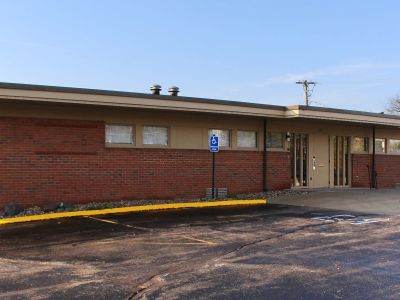
Aspire Indiana Health - Anderson
Anderson, Indiana
215 West 19th St Anderson, Anderson, IN, 46016



Willowstone Family Services
Lafayette, Indiana
615 N 18th St Ste101, Lafayette, IN 47904
Pinnacle Treatment Centers - 2209 John R Wooden Drive
Martinsville, Indiana
2209 John R Wooden Drive, 3rd Floor Martinsville, IN 46151
Centerstone – Pierson House
Richmond, Indiana
76 S 14th St, Richmond, IN 47374
Why Trust Indiana Rehabs
As Hoosiers helping Hoosiers, we understand the unique challenges our communities face. Our team meticulously verifies every Indiana treatment center, ensuring you find trusted, local care that truly understands your journey.
About our listingsLevels of Care
Explore popular treatment options by levels of care, from flexible treatment in Outpatient centers to intensive care in Residential rehabs.
Free · 24/7 · Confidential
Talk to a Treatment Specialist
Call now to get matched with Indiana facilities that accept your insurance.
(888) 568-9930
Free
Ins. check
4.9★
Rating
HIPAA
Protected
Can't travel to a facility?
Licensed Indiana therapists via secure video — same-week appointments, evenings & weekends available.
Maybe you've gone through a big life change—a move, a new job, or even the loss of something important—and found that the wave of emotions just won't let up, lingering far longer than you'd hoped. It's easy to wonder why you're struggling so much when others seem to bounce back. But these feelings aren't a sign of weakness; they're a sign your mind and heart need some extra care, and with the right support, there are real, practical steps you can take to feel steady and resilient again.

What is an adjustment disorder?
An adjustment disorder is an unhealthy or excessive emotional response to a stressful life event. Think of it like an emotional circuit breaker. We all have a certain capacity to handle stress, but when a major change or challenge overloads that system, the breaker trips. This isn't a sign of weakness or a character flaw; it's a very human reaction to being overwhelmed.
This condition is more common than you might think. When you’re dealing with the emotional distress from an adjustment disorder, the feelings of sadness, anxiety, or hopelessness are more intense than what would normally be expected for that type of event. This reaction can cause significant problems in your daily life, affecting your work, school, or relationships. While it's a recognized mental health condition, it's important to know that it is highly treatable. The goal of support is not just to get through the stress but to come out the other side with new tools for coping and a greater sense of resilience.
Symptoms and Causes
Understanding the signs and triggers of an adjustment disorder is the first step toward finding relief. It’s common to confuse this condition with post-traumatic stress disorder (PTSD), but there's a key difference. PTSD is linked to a catastrophic or life-threatening event, like combat or a serious accident. An adjustment disorder, on the other hand, can be triggered by a wider range of common but still significant life stressors. Learning about the specific symptoms of adjustment disorder can help clarify what you or a loved one might be experiencing.
It's also important to address that for some, the distress can become so overwhelming that it leads to thoughts of self-harm. While this is a serious complication, effective treatment significantly reduces this risk[1]. If you or someone you know is in immediate crisis, please reach out for help. You can call or text 988 anytime in the U.S. to connect with the Suicide & Crisis Lifeline.
What are the symptoms of adjustment disorders?
Symptoms usually appear within three months of the stressful event and can be grouped into a few categories. Your emotional response might feel out of proportion to the event itself, and you may notice some of these signs:
- Emotional Symptoms: This can include frequent crying, persistent sadness, feelings of hopelessness, anxiety, and feeling overwhelmed or tense.
- Behavioral Symptoms: You might notice changes in your actions, such as withdrawing from friends and family, avoiding responsibilities at work or school, acting impulsively, or having trouble sleeping.
- Physical Symptoms: The emotional strain can also show up physically, causing things like headaches, stomachaches, fatigue, or muscle tension.
What causes adjustment disorders?
The direct cause of an adjustment disorder is the difficulty coping with an identifiable stressor. These stressful life events don't have to be negative to trigger the condition; even positive changes, like starting a new job or getting married, can be overwhelming. Some of the most common stressors include:
- Divorce or relationship problems
- Job loss or financial difficulties
- The death of a loved one
- A serious illness diagnosis for yourself or a family member
- Moving to a new home or city
- Major life transitions like going to college or retiring
What are the risk factors for adjustment disorders?
While anyone can develop an adjustment disorder after a major life event, some factors can increase your vulnerability. These don't guarantee you'll experience the condition, but they can make it harder to adapt to stress. Risk factors include:
- Experiencing significant stress or trauma during childhood
- Having other pre-existing mental health conditions, like anxiety or depression
- Lacking a strong social support system of friends and family
- Dealing with multiple difficult circumstances at once
How are adjustment disorders diagnosed?
Getting a formal diagnosis is a crucial step, and it’s done by a qualified mental health professional, such as a therapist, psychologist, or psychiatrist. The process typically starts with a psychological evaluation where you’ll talk about your symptoms, feelings, and the specific stressor that seems to have triggered them. This conversation is confidential and designed to help the professional understand what you’re going through.
During the evaluation, they will also want to make sure your symptoms aren’t better explained by another condition, such as major depressive disorder, an anxiety disorder, or PTSD. It’s helpful to be open and honest during this process. To feel prepared, you might consider asking your provider a few questions, such as:
- What treatment approach do you recommend for me, and why?
- Are there lifestyle changes I can make to support my recovery?
- How long do you expect treatment to last?
Adjustment disorders DSM-5 criteria
To make a diagnosis, mental health professionals in the United States use the Diagnostic and Statistical Manual of Mental Disorders, currently in its fifth edition (DSM-5). This manual provides a standard set of criteria to ensure diagnoses are consistent and accurate. Here are the key points for an adjustment disorder diagnosis, put in simple terms[1]:
- Emotional or behavioral symptoms develop within three months of an identifiable stressor.
- The distress is significantly out of proportion to the severity of the stressor.
- The symptoms cause major problems in social, occupational, or other important areas of functioning.
- The symptoms don't meet the criteria for another mental health disorder.
- Once the stressor (or its consequences) has ended, the symptoms do not persist for more than an additional six months.
How are adjustment disorders treated?
The good news is that adjustment disorder treatment is highly effective and often short-term[2]. The primary goal is to help you relieve symptoms, develop healthy coping skills, and build resilience to better handle future stress. Many people wonder if an adjustment disorder can be "cured," and the answer is that treatment helps you return to your previous level of functioning. Most people start to feel better within a few sessions, though the exact timeline varies for everyone. The focus is on moving forward with strength, not just getting by.

Psychotherapy
Psychotherapy, or talk therapy, is the main treatment for adjustment disorders. It provides a safe space to understand your feelings, identify triggers, and learn practical strategies for managing stress. Several therapeutic approaches can be effective:
- Cognitive Behavioral Therapy (CBT): This approach helps you identify and challenge negative thought patterns and behaviors that contribute to your distress. Learning how to reframe your thoughts can directly improve your emotional well-being.
- Family Therapy: Sometimes, a stressor like a divorce or illness impacts the entire family. Family therapy can help everyone communicate better and support each other through the adjustment period.
- Solution-Focused Therapy: This type of therapy focuses on your personal strengths and helps you find practical solutions to the challenges you're facing, empowering you to create positive change.
- Stress Management and Coping Skills: A therapist can teach you valuable techniques like mindfulness, relaxation exercises, and problem-solving skills that you can use long after therapy ends.
Pharmacologic Therapy
While therapy is the cornerstone of treatment, medication can sometimes be helpful for managing severe symptoms. It's important to know that there are no medications specifically for adjustment disorder itself. Instead, a doctor might prescribe medication on a short-term basis to address specific issues.
For example, if you're struggling with persistent sadness or a depressed mood, an antidepressant might be recommended. If severe anxiety or sleep problems are getting in the way of your daily life, an anti-anxiety medication could provide temporary relief. The goal of pharmacologic therapy is to ease symptoms enough so you can fully engage in and benefit from psychotherapy.
Finding Adjustment Disorder Treatment in Indiana
Taking the step to find help is a sign of strength, but it can feel overwhelming to know where to start. For residents of Indiana, there are several pathways to connect with a qualified mental health provider. A great first step is often talking to your primary care physician. They can provide a referral and rule out any physical causes for your symptoms.
Another option is to use your insurance provider's online directory to find in-network therapists or psychiatrists. This can help you find affordable care, though navigating these directories can sometimes be tricky. Unfortunately, finding accessible mental healthcare in Indiana can sometimes be a challenge, particularly in more rural areas of the state[3]. This is where a resource like ours can make a difference. At Indiana Rehabs, you can filter our directory to find providers who specialize in mental health conditions and offer different levels of care, including outpatient programs that fit into your daily life. For additional state-level support, you can explore resources provided by the Indiana Division of Mental Health and Addiction (DMHA). When you're looking for a therapist, don't hesitate to ask if they have experience with stress management and CBT, as these are proven methods for treating adjustment disorders.
Building Resilience and Moving Forward
The journey through an adjustment disorder is not just about getting through a tough time; it's about building resilience for the future. Remember, this condition is a response to stress—it is not a permanent part of who you are. With the right support, you can emerge from this experience feeling stronger and better equipped to handle life's inevitable challenges[2].
Recovery is about more than just symptom relief. It's about integrating the coping skills you learn in therapy into your daily life. Continue to practice self-care, whether that's through exercise, hobbies, or mindfulness. Lean on your social connections and don't be afraid to ask for help when you need it. Maintaining your mental well-being is an ongoing process, and every step you take to prioritize it is a victory. Seeking help is the first and most powerful step you can take toward feeling like yourself again.
Feeling overwhelmed by a major life change is a heavy burden, but you don’t have to carry it alone. Adjustment disorder is a treatable condition, and learning healthy ways to cope can help you regain your footing and build lasting resilience. The caring team at Indiana Rehabs is here to help you find the right support. You can connect with us by calling (888) 568-9930 or by reaching out through our contact page. Taking this step is a true sign of strength, and a brighter path forward is possible.
- O'Donnell, M. L. et al. (2019). Adjustment Disorder: Current Developments and Future Directions. International Journal of Environmental Research and Public Health. pmc.ncbi.nlm.nih.gov
- Bledsoe, S. E., Casey, R. J., & Ruffin, M. (2022). Outcomes and prognosis of adjustment disorder in adults. The Permanente Journal. pubmed.ncbi.nlm.nih.gov
- Tiwari, M. et al. (2018). Scratching the Surface of Psychiatric Services Distribution and Disparities in Indiana. Journal of Rural Mental Health. pmc.ncbi.nlm.nih.gov