
Rehabs for Antisocial Personality

Showing 11 of 11 Results (filtered)
Featured Rehab Centers



Boca Recovery Center - Fort Wayne, Indiana
Fort Wayne, Indiana
111 W Berry St #211, Fort Wayne, IN 46802



Boca Recovery Center - Indiana Drug and Alcohol Rehab
Huntington, Indiana
3040 W Park Dr, Huntington, IN 46750
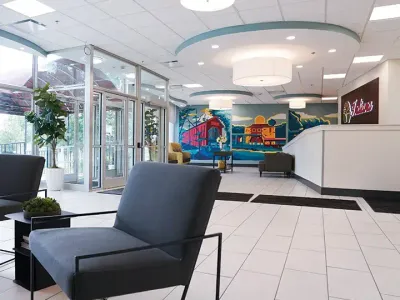
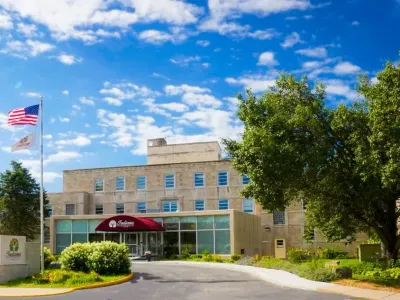

Indiana Center for Recovery - Alcohol & Drug Rehab Center Bedford
Bedford, Indiana
1600 23rd St, Bedford, IN 47421
Get Personalized Rehab Matches in 60 Seconds
Tell us a few details and we’ll show a personalized shortlist of verified Indiana rehabs, making it simple to compare options and choose your next step with confidence.
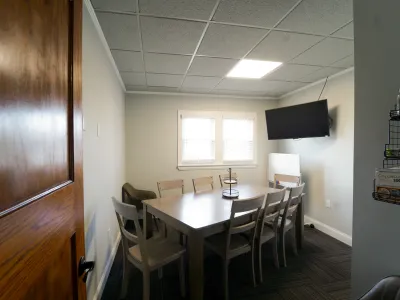

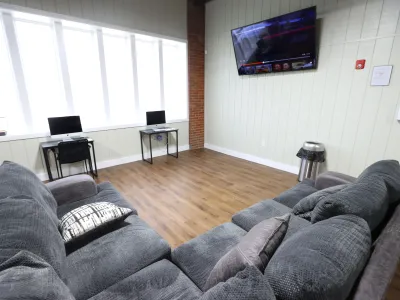
First City Recovery Center
Kokomo, Indiana
317 W Jefferson St, Kokomo, IN, 46901

Southern Hills Counseling Center - Rockport
Rockport, Indiana
107 North 2nd street, Rockport, IN, 47635



LifeSpring Health Systems - Washington County Office
Salem, Indiana
1321 South Jackson Street, Salem, IN, 47167


LifeSpring Health Systems - Turning Point Center
Jeffersonville, Indiana
1060 Sharon Drive, Jeffersonville, IN, 47130
Pinnacle Treatment Centers - 2209 John R Wooden Drive
Martinsville, Indiana
2209 John R Wooden Drive, 3rd Floor Martinsville, IN 46151
LifeSpring Health Systems - Dubois County Services
Jasper, Indiana
480 Eversman Drive Jasper, IN 47546
Centerstone – Pierson House
Richmond, Indiana
76 S 14th St, Richmond, IN 47374
LifeSpring Health Systems - Adult Integrated Medical Services
Jeffersonville, Indiana
404 Spring Street Jeffersonville, IN 47130
Why Trust Indiana Rehabs
As Hoosiers helping Hoosiers, we understand the unique challenges our communities face. Our team meticulously verifies every Indiana treatment center, ensuring you find trusted, local care that truly understands your journey.
About our listingsLevels of Care
Explore popular treatment options by levels of care, from flexible treatment in Outpatient centers to intensive care in Residential rehabs.
Free · 24/7 · Confidential
Talk to a Treatment Specialist
Call now to get matched with Indiana facilities that accept your insurance.
(888) 568-9930
Free
Ins. check
4.9★
Rating
HIPAA
Protected
Can't travel to a facility?
Licensed Indiana therapists via secure video — same-week appointments, evenings & weekends available.
It’s easy to hear the word “antisocial” and picture someone who’s just shy or prefers their own company, but the reality of Antisocial Personality Disorder is much more complicated, and often misunderstood. Living with or caring about someone with ASPD means facing patterns that go far beyond simple withdrawal, and it can feel isolating or even hopeless at times. Still, there are therapies and approaches that really can make a difference, offering a chance for more safety, connection, and dignity, especially when you know where to look for compassionate, specialized help in Indiana.

What is antisocial personality disorder (ASPD)?
Antisocial personality disorder (ASPD) is a mental health condition that involves a long-term pattern of manipulating, exploiting, or violating the rights of other people. It’s a way of thinking and behaving that can cause significant problems and distress, not just for the individual but for everyone around them. It's important to clarify that "antisocial" in a clinical sense doesn't mean being introverted or avoiding parties. Instead, it refers to behaviors that are "anti-society", actions that go against social norms, rules, and the well-being of others.
ASPD is part of a category of personality disorders known as Cluster B. This group also includes borderline, narcissistic, and histrionic personality disorders. They are all linked by common challenges with impulse control and emotional regulation[1]. Think of it as a fundamental difference in how someone processes emotions and social cues, which can lead to friction and harm in relationships.
This condition is more common than many people realize, affecting an estimated 1% to 4% of adults in the United States. A formal diagnosis of ASPD can only be made in adults aged 18 or older, but the behavioral patterns almost always start earlier. In fact, a key part of the diagnosis is having a history of conduct disorder symptoms before the age of 15. This early onset helps distinguish ASPD from other adult-onset conditions and points to a deeply ingrained pattern of behavior.
Symptoms and Causes
Understanding the signs and potential causes of antisocial personality disorder is the first step toward finding effective ways to manage it. The symptoms aren't just about behavior; they also involve how a person thinks, feels, and relates to others. On the surface, you might see impulsivity, deceitfulness, or even outright aggression. Interpersonally, someone with ASPD often lacks empathy, can be very manipulative, and may not show any remorse for their actions[2]. Emotionally, they might seem irritable or arrogant, but the hallmark is often a profound disconnect from the feelings of others.
The causes are complex and not fully understood, but it's believed to be a mix of genetic and environmental factors. Our brains have a lot to do with it; differences in serotonin levels, for example, can affect mood and aggression. Genetics also play a role. Studies involving twins have shown that if one twin has ASPD, the other is more likely to have it as well, suggesting a genetic link. However, genes aren't the whole story. The environment someone grows up in is just as critical. A chaotic or unstable family life, inconsistent parenting, or experiencing abuse or neglect as a child can significantly increase the risk. A childhood diagnosis of conduct disorder is one of the biggest risk factors and a requirement for an ASPD diagnosis later in life.
What are the symptoms of antisocial personality disorder?
According to the official diagnostic criteria, the symptoms of antisocial personality disorder create a pervasive pattern of disregard for others. Some of the key signs include:
- A consistent disregard for right and wrong and the feelings of others.
- Persistent lying or deceitfulness to exploit or manipulate people.
- A sense of arrogance, superiority, or being exceptionally opinionated.
- Impulsive behavior and a failure to plan ahead.
- Recurring issues with aggression, irritability, and physical fights.
- A lack of empathy for others and a lack of remorse after hurting someone.
- Consistent irresponsibility, such as failing to hold a job or honor financial obligations.
What causes antisocial personality disorder?
While there's no single, definitive cause for ASPD, it's widely accepted that it stems from a combination of genetics and life experiences. A person might be born with a genetic predisposition that makes them more vulnerable, but environmental factors often act as the trigger. Childhood abuse and neglect are major risk factors. Growing up in a volatile environment can shape a developing brain, making it harder to form healthy attachments, regulate emotions, and learn empathy. Research highlights this connection, with one study estimating that 14% to 21% of adults who report abusing their own children are affected by ASPD, suggesting a painful cycle. This is why a stable, nurturing environment is so crucial for every child.

How is antisocial personality disorder treated?
It’s important to be realistic: antisocial personality disorder is challenging to treat. This is partly because the person with the diagnosis may not believe they have a problem or may have little motivation to change their behavior. The goal of antisocial personality treatment is often not a "cure" but rather management. It’s about reducing harmful behaviors, learning to manage symptoms like anger and impulsivity, and improving the person's overall quality of life and relationships[2].
The primary and most effective treatment is long-term psychotherapy, also known as talk therapy. Through consistent therapy, an individual can start to gain insight into their thought patterns and behaviors and learn new, healthier ways of interacting with the world. Hospitalization is generally not used to treat ASPD itself. It's typically reserved for situations where someone is at immediate risk of harming themselves or others, or when they are dealing with a severe co-occurring condition, like a substance use disorder that requires medical detox.
Cognitive behavioral therapy (CBT)
cognitive behavioral therapy (CBT) is a cornerstone of treatment for many personality disorders. This type of behavioural therapy focuses on helping individuals identify the distorted, negative thought patterns that fuel their harmful actions. For someone with ASPD, this might mean challenging thoughts like "I have to look out for myself because no one else will" or "The rules don't apply to me." A therapist can help them see how these beliefs lead to impulsivity and aggression. The goal of CBT is to develop practical problem-solving skills and learn to think before acting, giving them a better chance at making choices that don't harm themselves or others.
Dialectical behavior therapy (DBT)
dialectical behavior therapy (DBT) is another powerful approach, especially for managing the intense emotions that can come with Cluster B personality disorders. DBT teaches specific skills in four key areas: mindfulness (staying present in the moment), distress tolerance (coping with crises without making things worse), emotion regulation (understanding and managing strong feelings), and interpersonal effectiveness (communicating needs and setting boundaries respectfully). While originally designed for borderline personality disorder, these skills are incredibly valuable for anyone struggling with emotional dysregulation and relationship difficulties, which are common in ASPD.
Medications
It's important to know that there are no medications specifically approved by the FDA to treat antisocial personality disorder itself. However, medications can play a crucial role in a comprehensive treatment plan. They are often prescribed to manage co-occurring conditions or specific symptoms. For example, mood stabilizers may help reduce impulsivity and aggression. Antidepressants can be used if the person is also struggling with depression or anxiety. The focus is always on symptom management to create enough stability for psychotherapy to be effective. This is particularly important in a dual diagnosis setting, where both ASPD and a substance use disorder are treated together.
Complications
Living with untreated antisocial personality disorder can lead to a lifetime of serious challenges and complications. The traits associated with ASPD, like impulsivity and a disregard for consequences, create a high risk for a number of negative outcomes. It's a difficult reality, but understanding these risks is key to recognizing the importance of seeking help.
- Co-occurring mental health and substance use disorders: There is a very high rate of substance misuse among people with ASPD[3]. Alcohol and drug use can become a way to self-medicate or cope with irritability, but it often makes impulsivity and aggression much worse. Co-occurring depression and anxiety are also common[4].
- Legal problems and incarceration: The disregard for rules and the rights of others often leads to criminal behavior and repeated run-ins with the law. A significant portion of the incarcerated population meets the criteria for ASPD.
- Relationship difficulties: The lack of empathy, deceitfulness, and manipulativeness make it extremely difficult to maintain healthy, stable relationships. This can include abusive behavior toward partners, children, or other family members.
- Financial instability: Impulsive spending, irresponsibility with jobs, and a failure to meet financial obligations often result in chronic money problems and instability.
- Increased risk of injury or violent death: Risky and impulsive behaviors, combined with aggression, put individuals with ASPD at a much higher risk for accidents, fights, and a shorter life expectancy.
How Indiana Rehabs Can Help with ASPD and Co-Occurring Disorders
If you're in Indiana and looking for help for yourself or a loved one, it’s crucial to find a facility that understands the complexities of antisocial personality disorder, especially when it co-occurs with a substance use disorder. Trying to treat an addiction without addressing the underlying personality disorder is rarely successful. The impulsive and risk-taking behaviors of ASPD can fuel substance use, and substance use can worsen aggression and poor judgment. This is why integrated, dual-diagnosis treatment is so important.
Specialized rehabs in Indiana are equipped to provide this comprehensive care. They offer programs that go beyond standard addiction treatment to address the deep-seated thought and behavior patterns of ASPD. This often includes individual therapy with clinicians trained in CBT and DBT, group therapy sessions focused on building interpersonal skills, and family counseling to help repair relationships and establish healthy boundaries. anger management programs are also a key component, providing practical tools to handle frustration and irritability constructively. Indiana is working to expand its mental health services, and you can find local providers through the directory of Indiana's Community Mental Health Centers[5]. With high rates of substance use disorder in the state, accessing specialized care has never been more important[6]. We can help you navigate your options and find a provider in Indiana with the expertise to handle these complex needs.
Coping and support
Managing ASPD is a long-term journey that requires commitment from both the individual and their support system. It’s not just about professional treatment; it’s also about building daily coping skills and ensuring family members have the support they need to stay healthy.
For the individual with ASPD, therapy is where they can learn practical strategies to manage their symptoms. Mindfulness exercises can help create a small but powerful pause between an impulse and an action, giving them a chance to make a different choice. Regular physical activity can be a great outlet for stress and aggression. A core part of recovery is practicing the communication skills learned in therapy in real-world situations, even when it’s difficult.
For families, the situation can be incredibly stressful and emotionally draining. Your well-being matters, too. One of the most important things you can do is set firm, consistent boundaries. This isn't about punishment; it's about protecting your own mental and emotional health. It's also vital to stop any enabling behaviors, like making excuses for them or bailing them out of trouble. Seeking your own counseling can provide a safe space to process your feelings and learn effective coping strategies. Support groups, like NAMI Family Support Groups, can connect you with others who understand what you're going through. If you ever feel unsafe, creating a safety plan is a critical step to protect yourself and others in the household.
Finding the Right Path Forward in Indiana
Facing antisocial personality disorder can feel overwhelming, but it's important to remember that change is possible. While ASPD is a serious and long-lasting condition, the right kind of consistent, long-term treatment can help manage the symptoms and reduce harmful behaviors. It allows individuals to build a more stable and less chaotic life, and it can bring a measure of peace and safety to their families.
The most critical step on this journey is the first one: reaching out for professional help. The challenging nature of ASPD means that trying to handle it alone is often not enough. Skilled therapists who specialize in personality disorders can provide the structure, guidance, and evidence-based techniques needed to make progress. In Indiana, there are dedicated professionals and programs ready to support you.
You don't have to navigate this complicated path by yourself. Finding the right support system is key to a better future. If you're ready to explore treatment options, the team at Indiana Rehabs is here to help. You can call us at (888) 568-9930 to speak with a compassionate specialist, or contact us online to start the conversation. Taking that first step is an act of hope, and we're here to help you find your way forward.
Frequently Asked Questions About Antisocial Personality Disorder Treatment
What's the difference between having ASPD and just being shy?
Is there a cure for antisocial personality disorder?
How can I help a loved one with ASPD who refuses treatment?
Is ASPD the same as psychopathy?
Can medication treat antisocial personality disorder?
Can someone with ASPD have a normal life?
- Substance Abuse and Mental Health Services Administration. (2023). What is antisocial personality disorder?. SAMHSA. samhsa.gov
- Toney, K., & Velez, C. (02-29-2024). Antisocial personality disorder. StatPearls Publishing. ncbi.nlm.nih.gov
- Ghayda, R. A., et al. (08-28-2024). Association patterns of antisocial personality disorder across twelve substance use disorders. Psychiatry Research. pubmed.ncbi.nlm.nih.gov
- Hoptman, M. J., et al. (2012). Antisocial personality disorder in people with co-occurring severe mental illness and substance use disorders. Journal of the American Academy of Psychiatry and the Law. pmc.ncbi.nlm.nih.gov
- Indiana Behavioral Health Commission. (n.d.). Indiana Behavioral Health Commission Report. Indiana Family and Social Services Administration. in.gov
- (2020). 2020 Indiana State Epidemiological Profile. Indiana Family and Social Services Administration. in.gov