
Rehabs for Oppositional Defiant Disorder (ODD)

Showing 20 of 25 Results (filtered)
Featured Rehab Centers



1411 W County Line Rd, Suite 1411A, Greenwood, IN 46142

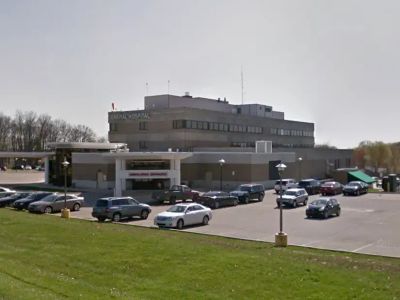

1185 County Rd 1000 W, Linton, IN 47441
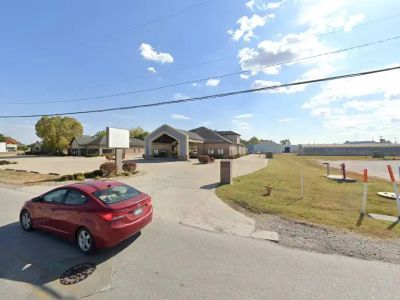


Indiana Center For Recovery- Alcohol & Drug Rehab Terre Haute
Terre Haute, Indiana
135 E Hospital Ln, Terre Haute, IN 47802
Get Personalized Rehab Matches in 60 Seconds
Tell us a few details and we’ll show a personalized shortlist of verified Indiana rehabs, making it simple to compare options and choose your next step with confidence.



Boca Recovery Center - Indiana Drug and Alcohol Rehab
Huntington, Indiana
3040 W Park Dr, Huntington, IN 46750


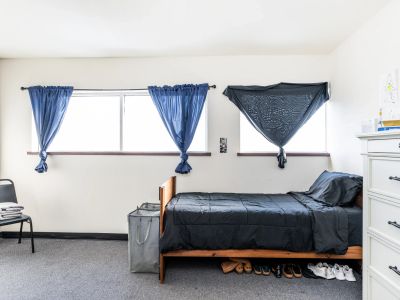
Cardinal Recovery
Franklin, Indiana
1130 West Jefferson St, Franklin, IN, 46131



Indiana Center for Recovery - Alcohol & Drug Rehab Center Bedford
Bedford, Indiana
1600 23rd St, Bedford, IN 47421
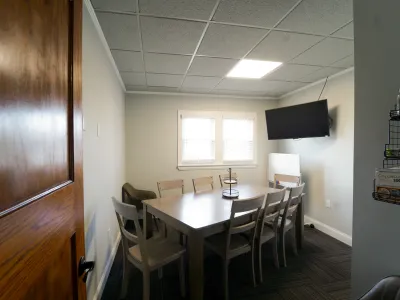

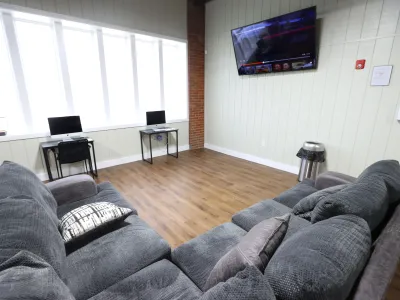
First City Recovery Center
Kokomo, Indiana
317 W Jefferson St, Kokomo, IN, 46901



Recovery Centers of America at Indianapolis
Indianapolis, Indiana
8530 Township Line Rd, Indianapolis, IN 46260

Woodview Psychology Group
Indianapolis, Indiana
70 E 91st Street Suite 210, Indianapolis, IN, 46240

Southern Hills Counseling Center - Rockport
Rockport, Indiana
107 North 2nd street, Rockport, IN, 47635



Willowstone Family Services
Lafayette, Indiana
615 N 18th St Ste101, Lafayette, IN 47904



LifeSpring Health Systems - Washington County Office
Salem, Indiana
1321 South Jackson Street, Salem, IN, 47167



LifeSpring Health Systems - Turning Point Center
Jeffersonville, Indiana
1060 Sharon Drive, Jeffersonville, IN, 47130

Adult and Child Center - Drake Road
Franklin, Indiana
86 Drake Road, Franklin, IN, 46131
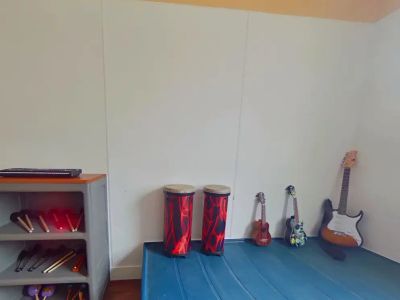
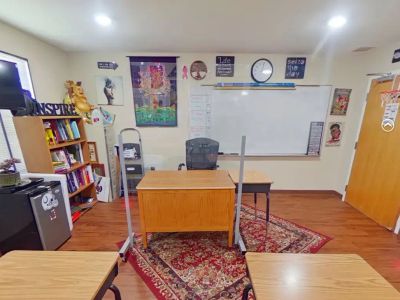
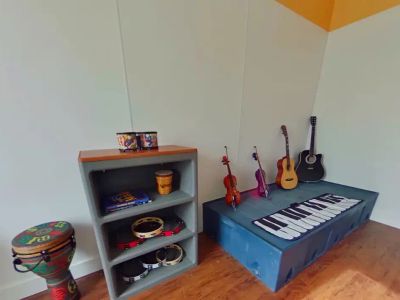
Resource Treatment Center
Indianapolis, Indiana
1404 South State Avenue, Indianapolis, IN, 46203

Centerstone - Hillcrest Road
Bedford, Indiana
1315 Hillcrest Road, Bedford, IN, 47421
232 West Van Buren Street Suite 103, Columbia City, IN 46725
Ascension Medical Group St Vincent - Kokomo Primary Care
Kokomo, Indiana
188 E Southway Blvd Kokomo, IN 46902
Pinnacle Treatment Centers - 2209 John R Wooden Drive
Martinsville, Indiana
2209 John R Wooden Drive, 3rd Floor Martinsville, IN 46151
Adult and Child Center - Siear Terrace Office
Indianapolis, Indiana
8404 Siear Terrace, Indianapolis, IN 46227
Why Trust Indiana Rehabs
As Hoosiers helping Hoosiers, we understand the unique challenges our communities face. Our team meticulously verifies every Indiana treatment center, ensuring you find trusted, local care that truly understands your journey.
About our listingsLevels of Care
Explore popular treatment options by levels of care, from flexible treatment in Outpatient centers to intensive care in Residential rehabs.
Free · 24/7 · Confidential
Talk to a Treatment Specialist
Call now to get matched with Indiana facilities that accept your insurance.
(888) 568-9930
Free
Ins. check
4.9★
Rating
HIPAA
Protected
Can't travel to a facility?
Licensed Indiana therapists via secure video — same-week appointments, evenings & weekends available.
Does it feel like every interaction with your child turns into a battle, leaving you drained and wondering what to do next? The constant push and pull of defiance and worry can leave even the most patient parents feeling isolated and worn thin. But you’re not alone on this road; oppositional defiant disorder is a real, well-understood challenge, and effective treatments and support networks are within reach to help restore balance and bring hope back into your family’s daily life.
What is oppositional defiant disorder (ODD)?
Oppositional defiant disorder (ODD) is a behavioral disorder in children marked by a persistent pattern of angry or irritable mood, argumentative behavior, and vindictiveness toward parents and other authority figures[1]. It’s important to understand that this is more than just a child "acting out." While nearly every child goes through phases of defiance, especially toddlers and teenagers, ODD involves a consistent and disruptive pattern of behavior that significantly impacts family life, friendships, and performance at school. The prevalence of this disorder is estimated to affect anywhere from 1% to 16% of school-age children, making it a challenge many families face[2]. The key difference between normal defiance and this diagnosed disorder is the frequency, intensity, and duration of the behaviors. When these actions are constant and severe enough to disrupt the child's development and daily functioning, it signals the need for a closer look.
What are the symptoms of oppositional defiant disorder?
The signs and symptoms of oppositional defiant disorder generally appear during preschool years, though they can emerge later. To receive a diagnosis, the pattern of behavior must last for at least six months and be disruptive enough to cause problems at home, at school, or with friends. The symptoms are typically grouped into three main categories: an angry and irritable mood, argumentative and defiant behavior, and vindictiveness[3]. A child doesn't need to show symptoms from all three categories to be diagnosed, but the behaviors must be present consistently.

Anger and irritability
A child with ODD often struggles to control their emotions, particularly their anger. This can look like:
- Frequently losing their temper: This isn't just a tantrum over not getting a toy. It can be an explosive reaction to a simple request, like being asked to turn off a video game.
- Being touchy or easily annoyed: The child may seem to have a short fuse, becoming irritated by small things that other children might brush off.
- Feeling angry and resentful: They might hold onto grudges or seem constantly bitter, often feeling that they are being treated unfairly. Learning about anger management techniques can be a helpful step for families.
Argumentative and defiant behavior
This category includes the hallmark behaviors people often associate with ODD. It goes beyond simply saying "no" and becomes a pattern of challenging authority.
- Arguing with authority figures: This is common with parents and teachers. The child may constantly question rules and refuse to back down from an argument.
- Actively defying requests or rules: They may openly refuse to follow directions, not just forgetting but intentionally ignoring them.
- Deliberately annoying others: A child might repeatedly do things they know will irritate a sibling or parent, seemingly to get a reaction.
- Blaming others for their mistakes: It’s rarely their fault. They may insist a teacher is unfair for giving them a bad grade or a sibling “made them” break a rule.
Vindictiveness
This symptom is one of the more telling signs that distinguish ODD from other behavioral issues. A child is considered vindictive if they have been spiteful or sought revenge at least twice in the past six months. This isn't about a typical sibling squabble over a toy. It’s a more calculated act of getting back at someone they feel has wronged them. This behavior shows a desire to hurt or upset others as retaliation. Sometimes, these behaviors can escalate, and it's important to understand the differences between oppositional defiant disorder and more severe issues like conduct disorder.
What causes oppositional defiant disorder (ODD)?
There isn't a single, definitive cause of oppositional defiant disorder. Instead, experts believe it develops from a complex mix of genetic, biological, and environmental factors[4]. Think of it like a puzzle where several pieces have to come together. Research suggests that genetics may account for about half of the risk, meaning a child might inherit a predisposition to certain temperamental traits like emotional reactivity or difficulty with self-control. Biologically, some studies point to subtle differences in the brain's chemistry or function, particularly in areas responsible for reasoning, judgment, and impulse control. Environmental factors also play a huge role. Growing up in a home with harsh or inconsistent discipline, neglect, or high levels of family conflict can contribute to the development of ODD. When a child's environment is unstable or they don't have strong, positive attachments with caregivers, it can make it harder for them to learn effective coping and social skills.
How is oppositional defiant disorder diagnosed?
A diagnosis for ODD must come from a qualified mental health provider, such as a child psychiatrist or psychologist. The process is thorough and involves more than just observing a few tantrums. It typically starts with a comprehensive interview with both the child and the parents to get a full picture of the behavior across different settings, like home and school. The professional will use the criteria outlined in the Diagnostic and Statistical Manual of Mental Disorders (DSM-5) to determine if the child's behavior meets the threshold for a diagnosis. A key part of this assessment is ruling out other conditions that might cause similar symptoms. For instance, what's the difference between ODD and ADHD? While they can look similar, ADHD is rooted in difficulties with attention, impulsivity, and hyperactivity, whereas ODD is centered on a pattern of defiant and hostile behavior. However, the two often coexist; it's estimated that about 40-50% of children with ADHD also have ODD[1]. Clinicians also differentiate ODD from conduct disorder, which involves more severe behaviors like aggression toward people or animals, destruction of property, and theft.
How is oppositional defiant disorder treated?
The good news is that ODD treatment is highly effective, especially when started early. There isn't a one-size-fits-all solution; instead, treatment plans are carefully tailored to the specific needs of the child and their family. The approach is usually comprehensive, involving multiple forms of therapy and support to address behavior at home, in school, and within the child themselves. The goal is to help the child learn better ways to manage their anger, express their feelings, and interact with others, while also equipping parents with the tools they need to support their child's progress. Effective ODD treatment often involves a combination of parent training, individual and family therapy, and school-based support[3].

Parent management training for ODD
Parent management training (PMT) is often considered the cornerstone of ODD treatment. This isn't about blaming parents; it's about empowering them. PMT teaches parents and caregivers specific, proven techniques to manage their child's behavior more effectively. The focus is on building positive interactions, using consistent discipline, and reinforcing good behavior. Instead of reacting with anger or frustration, parents learn strategies like using praise and rewards to encourage cooperation and implementing calm, predictable consequences for defiance. This approach helps break the cycle of negativity and rebuilds a more positive and stable family dynamic.
Psychotherapy for ODD
Psychotherapy is another key component of ODD treatment, often involving different formats to meet the child's needs. In individual therapy, cognitive-behavioral therapy (CBT) is commonly used to help children recognize the thoughts and feelings that lead to defiant behavior. They learn practical skills for problem-solving, anger management, and impulse control. family therapy is also crucial, as it helps improve communication among family members and resolve the conflicts that ODD can create. For some children, group therapy can be beneficial for developing better social skills and learning how to interact more positively with their peers. Exploring resources like the AACAP ODD Resource Center can provide additional information and support.
School-based interventions for ODD
Consistency is key, so it's vital that the strategies used at home are reinforced at school. A comprehensive treatment plan often includes collaborating with the child's teachers and school administrators. Therapists can work with school staff to create a supportive classroom environment that minimizes triggers for defiant behavior. This might involve developing a daily behavior report that tracks progress or setting up an Individualized Education Program (IEP) or 504 plan. These formal plans can provide accommodations, such as allowing the child to take breaks when feeling overwhelmed or providing extra support for challenging tasks, to help them succeed academically and socially.
Medications for ODD
It's important to be clear: there are no medications specifically FDA-approved to treat oppositional defiant disorder itself. However, medication may be prescribed to manage co-occurring conditions that often accompany ODD, such as ADHD, anxiety, or depression[1]. When these underlying issues are treated, many of the ODD symptoms can significantly improve. For example, treating a child's ADHD can help reduce impulsivity and frustration, which in turn can lessen defiant behaviors. Medication is almost never a standalone solution and is most effective when used as part of a comprehensive treatment plan that includes therapy and parent training.
Finding ODD Treatment and Support in Indiana
Navigating the challenges of oppositional defiant disorder can feel overwhelming, but it's a journey you don't have to take by yourself. Effective treatment can make a world of difference, restoring peace to your home and helping your child build a brighter future. For families across Indiana, finding the right support is the most important first step. The path to healing begins with connecting with qualified, compassionate professionals who understand childhood behavioral disorders and are certified to provide care in our state[5]. Whether you're looking for a therapist who specializes in parent management training or need a comprehensive assessment, help is available right here in your community. You can start today by exploring local providers. Resources like the Indiana DMHA Resource Finder can also help you locate qualified professionals.
Remember, seeking help is a sign of strength, and with the right support, your family can move forward with hope and confidence. The journey of managing ODD is one of patience and persistence, but you are not alone. If you're ready to find help for your child, our team at Indiana Rehabs is here to support you. You can reach out to us for a confidential consultation by calling (888) 568-9930 or by using our contact form to connect with treatment options near you.
Frequently Asked Questions About ODD Treatment for Indiana Families
Can a child outgrow ODD?
What’s the difference between ODD and normal teen rebellion?
Is ODD a form of autism?
What parenting style is best for ODD?
- Ishak, R., Koya, M. F., & George, T. P. (2024). Oppositional Defiant Disorder. StatPearls Publishing. ncbi.nlm.nih.gov
- American Academy of Child & Adolescent Psychiatry. (June, 2018). Children with oppositional defiant disorder. American Academy of Child & Adolescent Psychiatry. aacap.org
- Miller, M. & Wellesley, E. B. (2024). Oppositional Defiant Disorder: Clinical Considerations and When to Refer. Pediatrics in Review. publications.aap.org
- Balasundaram, P. & Santhanes, R. (2017). Oppositional defiant disorder: current insight. Psychology research and behavior management. pmc.ncbi.nlm.nih.gov
- (2020). DMHA: Certification and Licensure Rules and Indiana Code. Indiana Family and Social Services Administration. in.gov