
Anger Management Therapy in Indiana



Showing 20 of 26 Results (filtered)
Featured Rehab Centers

91 West Mound Street, Nashville, IN 47448

Hamilton Center Inc: Mathew Maleakal S MD
Terre Haute, Indiana
620 8th Ave, Terre Haute, IN 47804

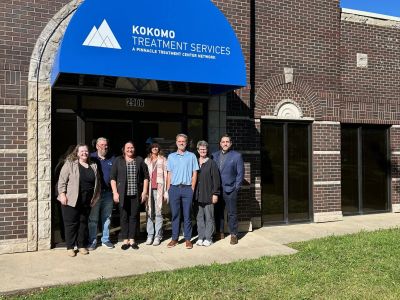

Pinnacle Treatment Centers - Kokomo
Kokomo, Indiana
2906 S. Reed Rd. Kokomo, IN 46902
Get Personalized Rehab Matches in 60 Seconds
Tell us a few details and we’ll show a personalized shortlist of verified Indiana rehabs, making it simple to compare options and choose your next step with confidence.



Avenues Recovery Center at Indianapolis
Indianapolis, Indiana
7960 Shadeland Ave, Indianapolis, IN 46250



Kentuckiana Integrative Medicine
Jeffersonville, Indiana
405 E Court Ave #102, Jeffersonville, IN 47130


First City Recovery Center
Kokomo, Indiana
317 W Jefferson St, Kokomo, IN, 46901
Centerstone - Serenity House
Richmond, Indiana
115 N 13th St, Richmond, IN 47374

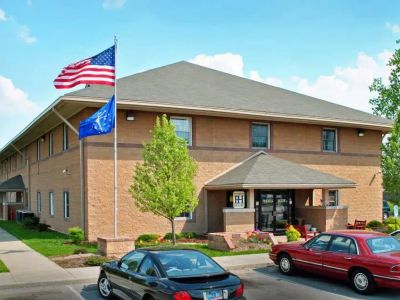

Aspire Indiana Health - Progress House
Indianapolis, Indiana
201 Shelby St., Indianapolis, IN, 46202



Fresh Start Counseling Services - Merrillville
Merrillville, Indiana
3490 West 81st Avenue, Merrillville, IN 46410

Centerstone - Mapleview Apartments
Columbus, Indiana
2999 9th St, Columbus, IN 47201



Oases Counseling Center LLC
Greenfield, Indiana
635 N State St B, Greenfield, IN 46140


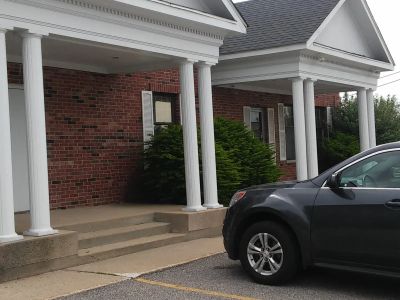
Fresh Start Counseling Services - Valparaiso
Valparaiso, Indiana
1552 West Lincoln Way, Valparaiso, IN 46385
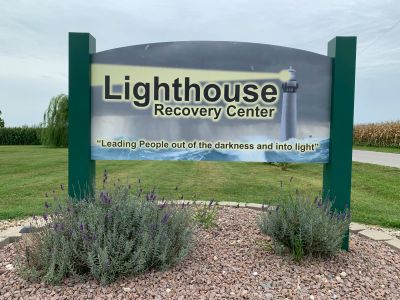

LightHouse Recovery Center
Washington, Indiana
313 East Main Street, Washington, IN, 47501

Community Health Network - Community Counseling Center
Frankfort, Indiana
205 North Jackson Street, Frankfort, IN, 46041

Cognitive Consultants
Middletown, Indiana
6639 Centurion Drive, Middletown, IN 48917

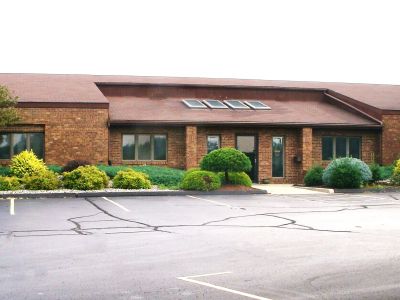

McArthur Counseling Center
Warsaw, Indiana
3201 E Center St Ext, Warsaw, IN 46582



Recovery Works Martinsville
Martinsville, Indiana
504 Grand Valley Blvd, Martinsville, IN 46151


Indianapolis Counseling Center
Indianapolis, Indiana
724 N Illinois St, Indianapolis, IN 46204

Centerstone – Aspen House
North Vernon, Indiana
299 W Hayden Pike, North Vernon, IN 47265
Centerstone - Old State Road
Nashville, Indiana
1156 Old State Road 46 Nashville, IN 47448
Why Trust Indiana Rehabs
As Hoosiers helping Hoosiers, we understand the unique challenges our communities face. Our team meticulously verifies every Indiana treatment center, ensuring you find trusted, local care that truly understands your journey.
About our listingsLevels of Care
Explore popular treatment options by levels of care, from flexible treatment in Outpatient centers to intensive care in Residential rehabs.
Free · 24/7 · Confidential
Talk to a Treatment Specialist
Call now to get matched with Indiana facilities that accept your insurance.
(888) 568-9930
Free
Ins. check
4.9★
Rating
HIPAA
Protected
Can't travel to a facility?
Licensed Indiana therapists via secure video — same-week appointments, evenings & weekends available.
Maybe you’ve felt it—the heat rising in your chest during a traffic jam, your hands clenching tighter with every blaring horn, or your heart pounding after a small argument spirals out of control. When anger takes over like this, it can feel almost automatic, leaving you frustrated and worn down by your own reactions. But it doesn’t have to be this way. With the right help, anger is something you can manage, and there are real strategies to help you take back control, so life feels a little lighter and more steady again.

What is anger management?
Anger management is a structured therapy process designed to help you recognize the signs of rising anger and learn healthy, constructive ways to cope with it[1]. It's important to know that anger itself is a normal, valid emotion. Everyone feels it. The problem isn’t the feeling itself, but what happens when that feeling leads to destructive or harmful behaviors.
The goal of anger management therapy isn't to stop you from ever feeling angry again. Instead, it’s about learning how to manage your reactions to those feelings. Therapy helps you understand the difference between the emotion of anger and aggressive actions that can damage your health and relationships[2]. This kind of support can be life-changing for anyone who feels their uncontrolled anger is causing conflicts at home, creating problems at work, or tangled up with other challenges like anxiety or substance use.
Types of Anger Management Therapy
When it comes to managing anger, there isn't just one single approach. A therapist will often blend different proven methods to create a treatment plan that fits your specific needs. These sessions can happen one-on-one with a counselor or in a group setting where you can learn from others with similar experiences. The focus is on building practical skills you can use in your daily life[3]. Some of the most effective and common types of therapy include:
- Cognitive Behavioral Therapy (CBT): This is one of the most widely used techniques. CBT helps you identify the negative thought patterns that trigger your anger and then teaches you how to change them.
- Dialectical Behavior Therapy (DBT): Originally developed to help with borderline personality disorder, DBT is also very effective for anger. It focuses on building skills in four key areas: mindfulness, distress tolerance, emotion regulation, and interpersonal effectiveness.
- Psychodynamic Therapy: This approach goes a little deeper, helping you explore past experiences and unconscious thoughts that may be fueling your current anger. By understanding the roots of your feelings, you can develop healthier ways of responding.
Cognitive restructuring
Cognitive restructuring is a core technique in Cognitive Behavioral Therapy (CBT). It sounds complicated, but it’s really about learning to catch, challenge, and change the irrational thoughts that often fuel intense anger. Your therapist helps you examine your automatic thinking and adjust your attitudes and thought patterns to be more realistic and balanced. For example, you might learn to shift your thinking from, "This traffic is ruining my entire day!" to a more measured thought like, "This traffic is frustrating, but it's out of my control. I can listen to some music and relax until it starts moving."
Problem solving
Instead of just reacting to situations with anger, therapy can teach you proactive problem-solving skills. This approach helps you identify recurring issues that trigger your frustration and develop a concrete plan to address them. Rather than letting a problem simmer until you explode, you'll learn communication strategies and constructive solutions to tackle the source of the issue head-on. It shifts the focus from feeling helpless and angry to feeling empowered and in control of the situation.

Benefits of Anger Management Therapy
Committing to therapy is a big step, and it comes with real, lasting rewards that can ripple through every part of your life. Learning to manage your anger effectively does more than just help you feel calm; it improves your overall health and well-being. Individuals in Indiana who receive behavioral health services often see significantly improved outcomes[4]. Some of the key benefits include:
- Improved Communication: You'll learn how to express your needs and feelings clearly and respectfully, without resorting to yelling or aggression.
- Stronger Relationships: By managing your reactions, you can build more trust and intimacy, leading to healthier and more fulfilling connections with loved ones.
- Better Physical Health: Chronic anger and stress can take a toll on your body. Managing it can help lower blood pressure and reduce your risk for heart disease.
- Reduced Stress: Gaining control over your emotional responses helps lower your overall stress levels, leading to a greater sense of peace.
- Enhanced Problem-Solving: Therapy equips you with the skills to handle life's challenges constructively instead of letting frustration take over.
- Better Legal and Social Outcomes: For some, learning to manage anger is a critical step in avoiding legal trouble and maintaining stability at work and in the community[5].
Know when to seek help
It can be tough to admit you need help, but recognizing the signs is a sign of strength, not weakness. It might be time to seek professional help from a therapist if you notice that your anger:
- Is negatively affecting your relationships with family, friends, or coworkers.
- Is causing trouble for you at work or school.
- Leads to verbal, emotional, or physical aggression.
- Feels overwhelming or completely out of your control.
- Is contributing to health problems or substance use.
If this sounds familiar, know that effective help is available right here in Indiana[6]. You can start by searching online directories, asking your doctor for a referral, or checking with your insurance provider for a list of covered mental health professionals. Look for credentials like LCSW (Licensed Clinical Social Worker) or LMHC (Licensed Mental Health Counselor). Many people who could benefit from therapy don't seek it, but taking that first step can change everything[7]. You can also find helpful state-specific resources from Mental Health America of Indiana to guide you.
Learning to manage anger is a journey, not an overnight fix, but it’s one you don’t have to take alone. Regaining control over your emotions can lead to a more peaceful, stable, and fulfilling life. If you’re ready to explore your options and find a path forward, help is just a phone call away. You can speak with a compassionate specialist by calling (888) 568-9930. The team at Indiana Rehabs is here to connect you with the right support. Please contact our team to start building a healthier, calmer future today.
Frequently Asked Questions About Anger Management Therapy
Is anger a mental illness?
What happens in anger management therapy sessions?
How long does anger management therapy last?
Can you just 'get over' anger?
What is the most effective therapy for anger?
- Substance Abuse and Mental Health Services Administration. (n.d.). Anger management for substance use disorder and mental health clients: A cognitive-behavioral therapy manual. Substance Abuse and Mental Health Services Administration. library.samhsa.gov
- Lemma, A. (June 30, 2022). A psychodynamic contribution to the understanding of anger. PubMed Central. pmc.ncbi.nlm.nih.gov
- Centers for Medicare & Medicaid Services. (July 11, 2022). Indiana State Plan Amendment (SPA) #: 22-0008. Medicaid.gov. medicaid.gov
- Mental Health America of Indiana. (2021). Mental Health America of Indiana Strategic Plan 2021 - 2025. mhai.net. mhai.net
- Serna, G., Vest, J. & Menachemi, N. (n.d.). Indiana adults who participated in treatment court programs had lower rates of arrests and convictions. Health Affairs. healthaffairs.org
- (October 1, 2024). Indiana Behavioral Health Commission Final Report. Indiana Family and Social Services Administration. in.gov
- (2025). Mental health by the numbers. National Alliance on Mental Illness. nami.org